All print versions of Fifty Four now available digitally Explore the Digital Library →

From Lagos to global acclaim: the success of Ìrún Dídì at the Sony Future Filmmaker Awards

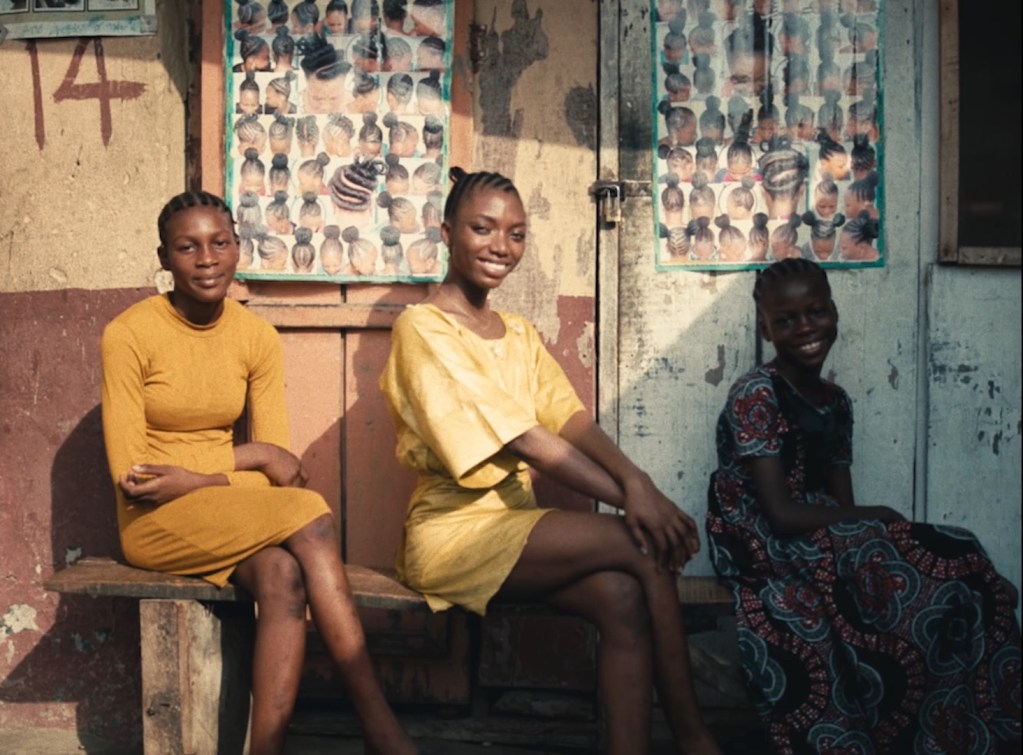
Olawunmi Hassan and Adaobi Samson, film directors from Lagos, Nigeria, are celebrating winning the non-fiction category at the Sony Future Filmmaker Awards 2024 with their short film, Ìrún Dídì. Their first documentary and first win in a contest of this nature, the film showcases the art of Yoruba hairmaking and the talented stylists behind it. “This experience has been incredibly meaningful. It has made me realise there is so much more to achieve beyond what I can comprehend. It has also shown me that my wild and ambitious dreams are achievable. This experience has increased my trust in myself and my vision, and I now have more confidence in my ideas,” says Olawunmi.


Adaobi believes winning this award validates her work. “Competing against thousands and emerging victorious was unexpected, to be honest. Most importantly, it means I directed a film that resonated with and was loved by the world, which felt incredible,” she says.

The pair met while interning at Pinkline Films two years after they started making films in 2020. They teamed up in the first half of 2023 to create their Awards entry, focusing on their unique filmmaking style and shared love for African art.

Six categories (Fiction, Non-Fiction, Environment, Animation, Student, and Future Format) meant there could be only six winners. Ìrún Dídì was selected from over 8,400 films submitted by more than 5,000 filmmakers across 148 countries and territories.

Hassan and Samson and their fellow winners Katie Blair (USA, Fiction), Solmund MacPherson (Canada, Environment), Kyle Novak (Czech Republic, Animation), Raheem Razak (South Africa, Student), and Cristian Daniel (Uruguay, Future Format) were drawn from 30 shortlisted filmmakers, whittled down from a longlist by celebrated Australian filmmaker Unjoo Moon and Emmy-award winning cinematographer Robert Primes ASC. Ultimately, the final awards were made by Michael Barker and Tom Bernard, Co-Founders and Co-Presidents of Sony Pictures Classics (Call Me By Your Name, The Father, Whiplash); Rob Hardy ASC, BSC, BAFTA award-winning cinematographer (Civil War, Mission: Impossible – Fallout, Ex-Machina); and Kate Reid BSC, acclaimed British cinematographer (Game of Thrones, Great Expectations, Silo). Both stages of the judging process were chaired by award-winning director Justin Chadwick (Mandela: Long Walk to Freedom, The Other Boleyn Girl, Tulip Fever, Shardlake).

Established by Creo and sponsored by Sony, the Sony Future Filmmaker Awards is a major annual awards programme for short films. It was conceptualised to provide a gateway for the development of exceptional cinematic talent, and it champions filmmakers with an original perspective on storytelling. This was the second edition of the awards, and winning a category is a significant achievement in the film industry.

The Sony Future Filmmaker Awards jury said: “This year’s winners traverse borders and cultures, a global gathering of creative talent set to make their mark in our industry. The winners each approach their stories with originality; from a portent of an eroding society to a surreal take on family pressures [and] an animated love story suspended in time: we were struck by the ingenuity of these filmmakers and their fresh perspective on the world. It is with great pleasure we celebrate the winners, as well as the wider cohort of 30 filmmakers who comprised this year’s shortlist, and we look forward to watching as they take their next steps in cinema.”

The Non-Fiction category awards short films that are predominantly factual in content. This can include archive and documentary footage, reenactments and animation. The category winner receives a Sony camera and lens kit and US$5,000.

Ìrún Dídì presents hair plaiting as a profoundly expressive art form, where each braid is crafted with care and creativity. The film explores the link between hair plaiting and self-love, revealing each style’s personal stories, social significance, and ancestral connections. It highlights how this craft has been passed down through generations, preserving cultural heritage. From traditional Yoruba techniques to modern interpretations, Ìrún Dídì traces the evolution of this timeless art as it becomes a sacred ritual of self-care and empowerment.
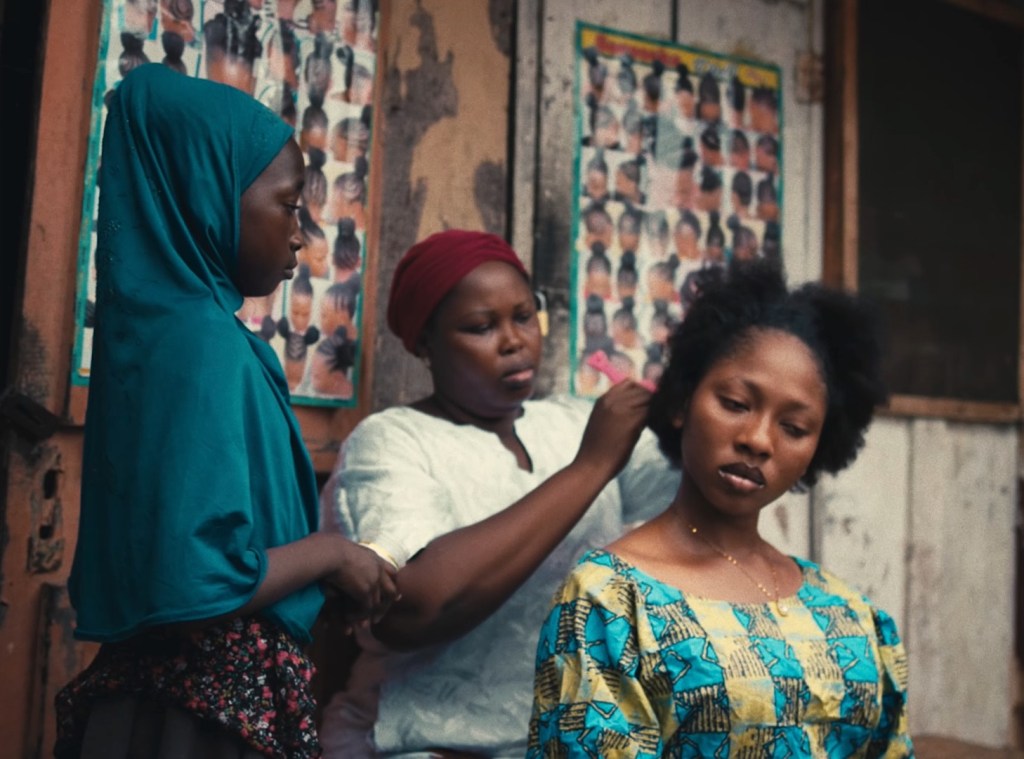


Olawunmi’s personal experiences as an African woman inspired the topic for this film. “It’s a lived experience of mine. Making these hairstyles as a child and admiring myself afterward was a huge inspiration. As I portrayed in the film, these hairstyles make me feel beautiful. As an African woman, it felt like the perfect topic for my first documentary.”

For Adaobi, this type of hairstyling was a significant part of her childhood. “I think every young girl in Africa has had those styles at some point in their lives. Back then, it was the highlight of hair care and beautification. When Olawunmi first approached me with the idea, I knew it was a story close to my heart. I had always wanted to explore tales of African art in a way that was personal to my own experiences.”

Collaboration was their most significant learning on this project. Olawunmi says she usually prefers taking the lead when executing her vision because she feels she’s the only one who understands it perfectly. “However, working with Adaobi taught me to trust my team and embrace the power of flexibility,” she says.

Despite a sense of familiarity from knowing each other before beginning the project, Adaobi says collaborating with Olawunmi “was quite interesting. She is deeply passionate about her work and on set you’ll see that she’s direct and highly skilled in expressing her thoughts. During post-production, we had our doubts about the project, but she consistently helped in finding solutions and ensured it came to fruition. The experience made each of us more assertive and reliable as we went through the whole thing together. It was really a fun project overall, and we didn’t expect anything significant to come from it.”

Olawunmi hopes that their film will enable non-African viewers to learn more about Yoruba culture and that African viewers will find relatable moments in it. She says, “A key part of the story is acknowledging that many African cultures share similar values.” 

For Adaobi, relatability was vital. “I wanted viewers to watch the film and feel as if they were seeing a part of their own lives that they hadn’t fully understood before,” she says.
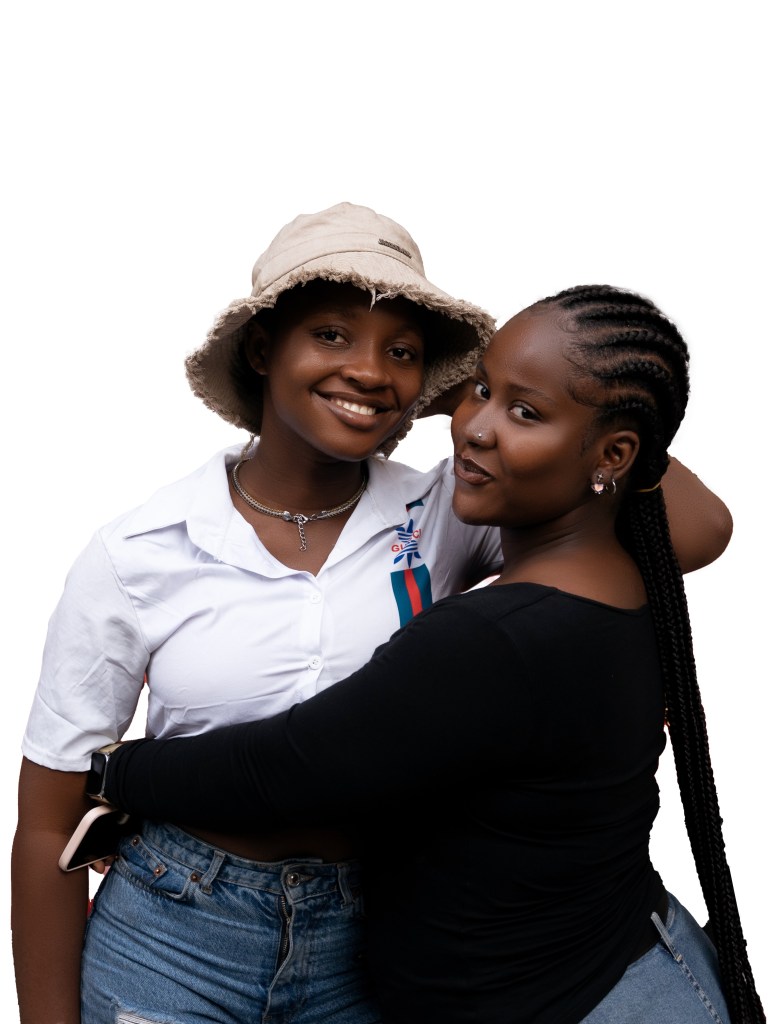


The Sony Future Filmmakers Awards return for a third edition in Spring 2025, and submissions are now open until 12 December 2024. 

Photo credits: Olawunmi Hassan and Adaobi Samson, Nigeria, Ìrún Dídì, Winner, Non-Fiction, Sony Future Filmmaker Awards 2024

Directors: @hassan.wunmi and @adasam.xo

DOP: @uteh_unwana

Script: @hassan.wunmi

Camera assistant: @danny_042

Production manager: @davidsoetan

Cast: @mayowa_aderoju & viv_diva4

Still photographer: @claymansof

Hairstylist: Mrs Adekunle Ganiyat

Editor: @_osai.b

Colourist: @ebiama.abraham

The Sentinels

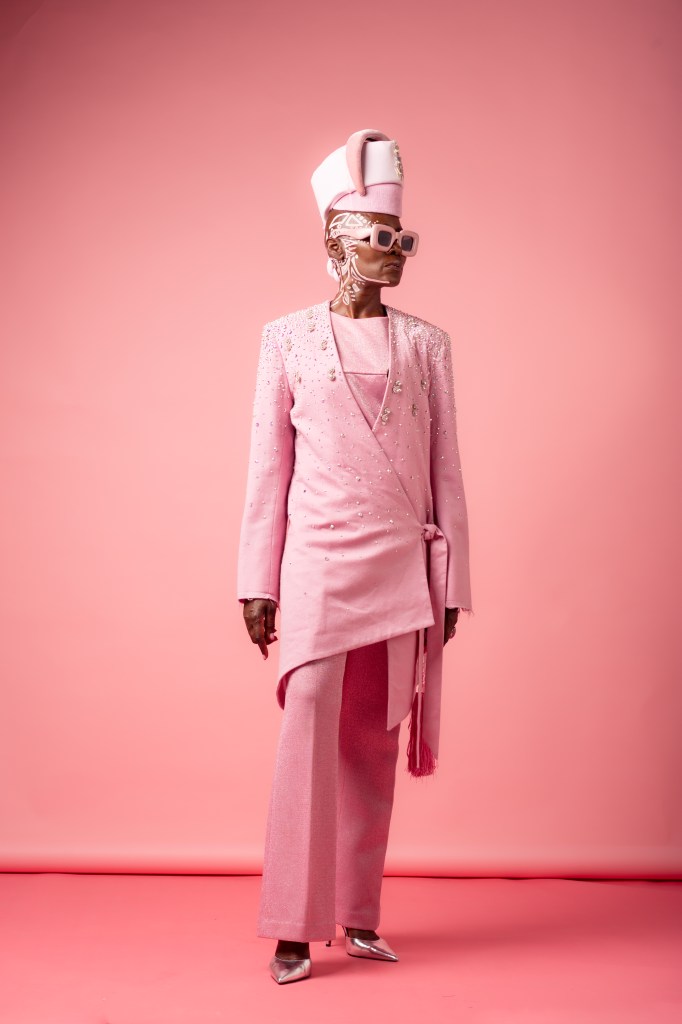
In the world of fashion and media, representation remains a critical issue, especially for more mature, darker-skinned individuals who are often overlooked. This disparity served as the inspiration behind “Sentinels in Pastel,” a unique and visionary project that merges surrealism with realism to showcase the beauty and power of older Black models based in London.

Artificial Intelligence (AI) has often been the go-to source for envisioning mature, dark-skinned models due to the lack of real-world representation. “Sentinels in Pastel” seeks to disrupt this trend by spotlighting real people, thus bridging the gap between fantasy and reality.

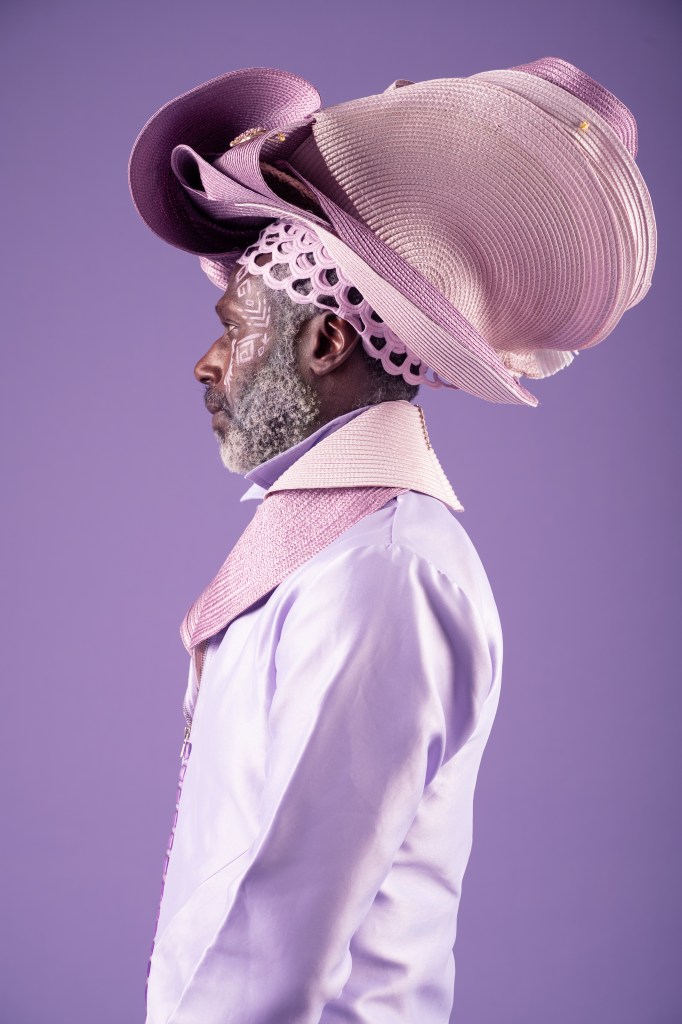
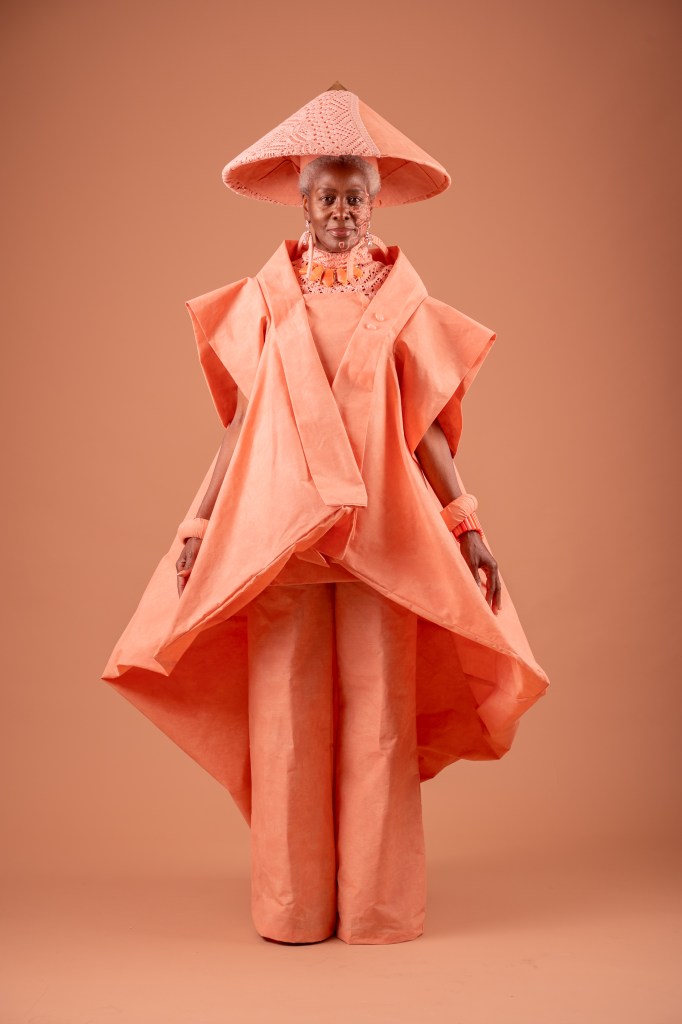
We embarked on this project with a mission to highlight real individuals, crafting a fantastical narrative that features models older than the industry standard. Crafted and styled by the talented Julius Reuben, the photoshoot incorporated childlike objects as a juxtaposition to the models’ maturity. This contrast, using pastel colours typically associated with babies, created a striking visual dialogue between youth and age, emphasising common ground despite the age difference.

In many African, Afro-Caribbean, and diasporic households, the mature generation holds a place of deep respect and love. They are seen as powerful sentinels, guardians of wisdom and tradition. “Sentinels in Pastel” challenges the media’s general disregard for the older generation by celebrating their strength and influence.

The models featured in this project challenge the prevailing media narrative that often ignores the mature generation. Through my lens, these individuals are not just models but embodiments of resilience and grace, reflecting the richness of their lived experiences.

Getting to know each model personally was a crucial part of this journey. Their strengths, personalities, and vibrant energy deeply influenced the personas they portrayed in the shoot. This personal connection allowed us to create more authentic and powerful representations.

Each model’s persona was enhanced with facial tribal painting and symbolism, expertly executed by Keisha Desvignes. This artistic choice not only highlighted their individuality but also immersed them in an Afrofuturistic narrative, bridging cultural heritage with contemporary expression.

We also utilised backgrounds that matched the colours of the garments worn by the models. This choice was culturally significant, as it symbolised harmony and unity, reflecting the seamless blend of the models’ identities with the Afrofuturistic vision. It emphasised the idea that the models were not just wearing the clothes but embodying a cohesive cultural and aesthetic narrative.

As a British African photographer shooting Afrofuturism globally, this project holds a special place in my heart. It presents a vision of the future where the richness of African heritage is celebrated, and older generations are given the spotlight they deserve.

“Sentinels in Pastel” is not just a fashion project; it’s a cultural statement. It speaks to the African diaspora’s experience, blending traditional respect for elders with a futuristic vision that challenges contemporary norms. It invites viewers to reconsider their perceptions of age, beauty, and cultural significance.

From a diaspora viewpoint, this project is a reminder of the strength and resilience that older generations embody. It underscores the importance of representation in all its forms, advocating for a more inclusive and diverse portrayal in media and fashion.

Ultimately, “Sentinels in Pastel” is a call for inclusivity. It urges the fashion industry and media to recognise and celebrate the beauty and power of older, darker-skinned individuals. By doing so, we can create a more representative and equitable world that honours all ages and backgrounds.

“Sentinels in Pastel” stands as a testament to the enduring strength and grace of the mature Black community. It’s a vibrant, Afrofuturistic homage to those who have paved the way, reminding us all of the importance of inclusivity and representation in every realm of society.


Meet the Sentinels:

      • Gloria: Adorned in peach, exuding timeless elegance.

      • Fernando: Draped in lilac, embodying serene strength.

      • Antony: Clad in mint, representing fresh perspectives.

      • Yinka: Wrapped in pink, showcasing vibrant vitality.

      • Jaqueline: In yellow, illuminating wisdom and joy.

      • Rudy: In blue, reflecting depth and tranquility. 

    Movement direction: Imaan Samson   Creation and styling: Julius Reuben

    Make-up artist: Keisha Des Vignes

    Photo credit: Val Juma Photography

    Art Meets Sound with Bang & Olufsen’s x Lulama Wolf ‘Art of the A9’ The Sensory Collusion

    The landscape of luxury design, the intersection of art, futuristic technology, and cultural exchange notably all come together as iconic Danish brand Bang & Olufsen has chosen to make its mark, collaborating with the acclaimed South African artist Lulama “Wolf” Mlambo to create a truly distinctive and culturally significant work of art – the Beosound A9 speaker.


    Bang & Olufsen, the high-end sound accessories and television brand, revealed its latest collaboration in the ‘Art of A9’ series where this Beosound turns into a canvas at Decorex Africa, the largest interior design convention on the African continent.

    The event marks a historic milestone as Lulama Wolf, a leading South African award-winning visual artist becomes the first from the country to collaborate with the esteemed brand.

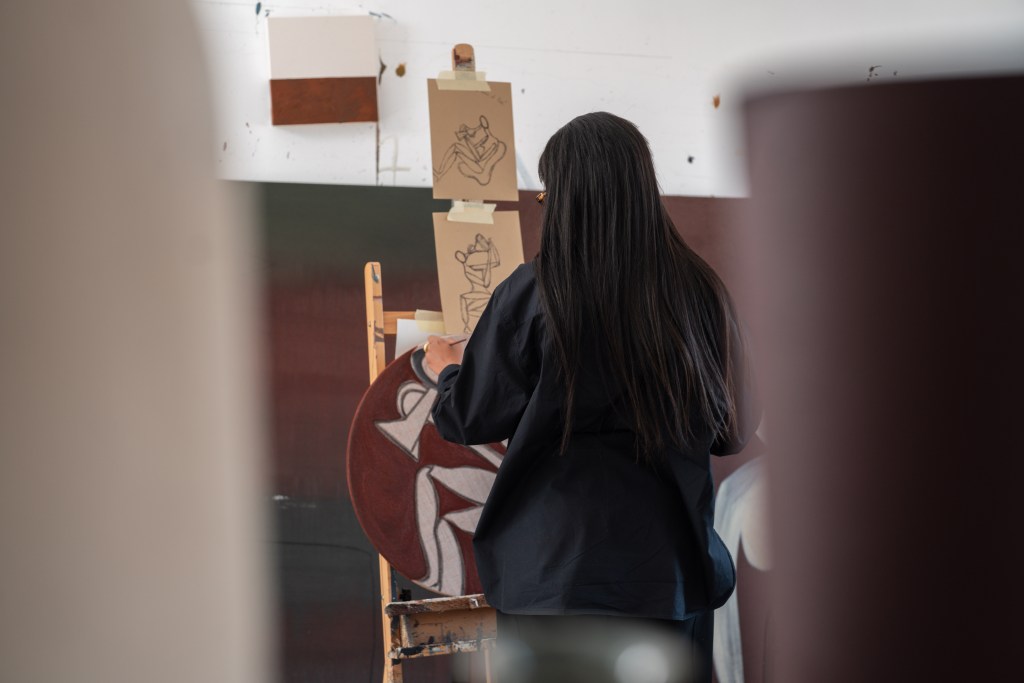
    The “Art of A9” series is a testament to Bang & Olufsen’s commitment to fostering global creative synergies. Lulama Wolf, a leading figure in the realm of Neo-Expressionism and Modern African Art, has been entrusted with the task of reinterpreting the brand’s iconic Beosound A9 speaker, a canvas that has previously played host to the artistic visions of luminaries such as David Lynch, Stine Goya, Vincent Van Duysen, John Legend, and MonoNeon.

    This collaboration marks a pivotal moment, as Lulama Wolf becomes the first South African artist to be invited to create a unique, customised design for the prestigious Beosound A9. Her focus on the intersection of traditional and contemporary African aesthetics, infused with her signature style, has resulted in a work that is not merely a functional speaker, but a true collector’s item that celebrates the rich cultural heritage of the African continent.


    The influential artist discusses her journey with art and sound through the Bang & Olufsen opportunity.

    Q: Take us through your thought process when you married two creative worlds: art and sound.

    L: When Bang & Olufsen reached out about working on a creative mesh of sound and art I felt so honoured to be the first South African to be a part of the global ‘Art of A9’ series. This experience has been a challenging yet fulfilling task. I have never painted on a speaker so I had to be patient and delicate with my audible canvas as I am so used to being agile with my work. This process involved learning patience with myself and equally how to be patient with other artist’s craft.

    Q: Was this collaboration true to your style of modern neo-expressionist painting?

    L: Yes, I have always worked with sonics in my art. I reference jazz as a big part of my themes, pioneers of the genre, and photographers from South Africa who have been capturing jazz from various eras. I am proud to be part of the people in my generation who are expressing jazz through art. This collaboration with Bang & Olufsen is a great alignment and perfect timing because I have wanted my work to extend into a practical experience. Its purpose and my intentions couldn’t have come at a better time, and I am excited for whoever becomes the owner of this piece.

    Q: How would you say this collaboration with Bang & Olufsen is so different from your other artwork collaborations?

    L: It is in its own league because this is a one of one. This A9 will be the only first A9 from South Africa. This will remain a unique and symbolic part of my practice. This opportunity came at a time when I am expanding different parts of myself as well. It shows how my practice has become refined, which I believe is telling of where I am going and where I have been. Real recognises real!


    In celebrating this union of sound and sight, Bang & Olufsen and Lulama Wolf have not only created a product but also a piece of history. The ‘Art of A9’ will be auctioned in August 2024. Visit Bang&Olufsen South Africa’s social pages for details on attending.


    Photo credit: Alexi Portokallis

    Africa’s Best Kept Holiday Secrets

    One&Only Gorilla’s Nest


    Another One&Only treasure, Gorilla’s Nest provides a front-row-seat to the Mountain Gorilla Sanctuary.

    Swathed in Eucalyptus trees, this modern haven features 21 lodges and suites. It’s the closest resort to Volcanoes National Park where 340 gorillas, golden mountain monkeys and 300 bird species make their home.

    Styled meticulously with African artefacts and geometric patterns, each room pulls you right into the essence of Rwanda. At the Nest restaurant and bar, you’ll enjoy seasonal cuisine sourced from local farms and beautifully presented by passionate chefs. Mixologists will
    invite you to select from the lodge’s vast wine list or signature cocktails. And you can enjoy a guided taste tour of Rwandan coffee to learn what really sets it apart.

    For info on the One&Only Gorilla’s Nest, visit www.oneandonlyresorts.com/gorillas-nest


    Mahali Mzuri


    In the Swahili language, Mahali Mzuri means ‘beautiful place’. Owned by Sir Richard Branson, this beautiful safari camp boasts 12 luxury tents on the private Olare Motorogi Conservancy within the Maasai Mara National Reserve, which is a globally-renowned game reserve. It’s also an incredible honeymoon destination or bucket-list experience with a front-row seat to The Great Migration.

    At this safari camp, the main tent features a lounge, open fireplace, library, iPads for guest use and a dining area for breakfast and lunch. Connected by a walkaway, all 12 tents are easily accessible to the main lounge. Each luxury tent features an ensuite bathroom, authentic African decor, an abundance oflarge windows with scenic views and a private deck. Enjoy a sundowner picnic engulfed in lantern light

    and the afterglow of an African sunset or sit around an open fire pit and watch the sun go down from the comfort of the camp deck.

    For info on Mahali Mzuri, visit www.virginlimitededition.com/mahali-mzuri


    La Tour d’Eole, Dakhla


    Situated among Dakhla Bay’s awe-inspiring landscape, La Tour d’Eole luxury ecolodge harmonises with its surroundings, using the natural bounty of the desert dunes, turquoise waters and rugged cliffs as its building blocks.

    Crafted primarily from Douglas wood, chosen for its sustainability and durability, the ecolodge blends into the sandy terrain, evoking a sense of unity with the environment. Stone, travertine and traditional Moroccan tiles adorn the interiors, further celebrating the local landscape.

    With a range of rooms, suites and villas, including the four-bedroom villa for families or friends,

    La Tour d’Eole offers a tailored experience for every guest. With all the makings of a legendary holiday experience, La Tour d’Eole is making a scene.

    For more info on La Tour d’Eole, Dakhla, visit www.latourdeole.com/fr


    Jack’s Camp


    At Jack’s Camp, the only thing dry is the desert and even then, it quenches you in a way we can’t quite explain. Bedouin-style canvas tents blend into the bush yet burst with dramatic interiors and Persian flair that awakens everything artistic, unconventional and a bit wild within.

    Located in the Great Kalahari Desert and a relic of what was once one of theworld’s largest lakes, this prehistoric setting provides an incredible experience.

    The camp features ten luxury tents with electricity, ensuite bathrooms and all-inclusive meals and drinks, including traditional afternoon tea.

    Jack’s Camp puts a high priority on conservation, community and sustainability, ensuring that tourism is both eco-friendly for the animals and local people.

    For info on Jack’s Camp, visit www.audleytravel.com/botswana/accommodation/jacks-camp


    Sundy Praia, Príncipe Island


    Sundy Praia, Príncipe Island’s symbol of refinement and sustainability, stands in playful contrast to its natural surroundings, offering a combination of modern elegance and tropical charm.

    Each of the 15 tented villas, blend locally crafted treasures with modern comforts and promises an enchanting retreat. Surrounded by majestic trees and the rolling Atlantic, these villas boast breathtaking views and private plunge pools, ensuring holiday snaps in every direction. At the wall-less restaurant, indulge in culinary delights sourced from the island’s organic produce. Sundy Praia invites guests to fall head over heels for its tranquil ambiance and conservation-minded ethos.

    For more info on Sundy Praia, Príncipe Island, visit www.hbdprincipe.com/sundy


    Dar Ahlam


    Framed by the majestic Moroccan desert, Dar Ahlam emerges like a mirage, a vision realised by Thierry Teyssier. Affectionately known to its guests as the Maison des Rêves or the House of Dreams, Dar Ahlam was born from a reverie, which, we suspect, is the only way such a place could come into being.

    Located in the heart of the palm grove near Ouarzazate, it offers 14 suites each with its own tale to tell. Each moment here is staged to perfection, offering an experience where no day is the same. With interiors styled with plenty of Moroccan flair and a Garden of Eden with a swimming pool at your fingertips, this is where fantasies intertwine with reality.

    For more info on Dar Ahlam, visit Small Luxury Hotels of the World at www.slh.com


    La Maison Bleue


    Experience the faultless blend of old-world sophistication and modern luxury at La Maison Bleue, a lavish 19th-century Mediterranean mansion in El Gouna. Embodying the grandeur of a splendid estate, this boutique hotel boasts ten charming suites, an exclusive beach, and a luxury spa that nods to timeless glamour.

    Designed by antiques collector Amr Khalil, the opulent interiors feature antique European furniture from the 18th to 20th centuries. Stays here are guaranteed to be tasty with exquisite dining options, and you’re in good company, as celebrities and couples flock to this resort that strives to satisfy every wish and whim.

    For more info on La Maison Bleue, visit Small Luxury Hotels of the World at www.slh.com


    Paradise Cove Boutique Hotel


    If Paradise Cove Boutique Hotel was a moodboard, it would lean heavily towards a potent hit of tranquillity and luxury, where moments that lose track of time are interspersed with the interiors influenced by exotic traditions. But step inside and you’re in a realm where classical splendour meets contemporary chic, curated with an eagle eye for detail.

    Part of the considerable charm of this adults-only sanctuary in Mauritius lies in its secluded love nests by the new swimming pool and on the picturesque peninsula,

    offering intimate spaces for couples to relax amid coconut trees and bougainvillea framing stunning infinity views. The hotel also offers a Dine Around experience, allowing guests to savour culinary delights at three out of four restaurants and ensuring each stay is truly special.

    For more info on Paradise Cove Boutique Hotel, visit www.paradisecovehotel.com/en


    Zambezi Sands


    Located in the western part of the Zambezi National Park and only an hour’s drive from the world-famous Victoria Falls, the Batoka Zambezi Sands River Lodge offers guests the chance to luxuriate in the glorious African bush where they can take in the exquisite waters of the mighty Zambezi or marvel at elephant, buffalo, lion, hippo and abundant birdlife.

    In 2020, Batoka Africa acquired 100% ownership of the former Zambezi Sands River Camp and its sister attraction, the Gorges Lodge. The acquisition set the foundation for co-founder Vimbai Masiyiwa’s vision for developing a social impact model for their properties, which empower communities while providing a superior luxury experience. The 11 suites have been reconceptualised by contemporary furniture and décor firm The Private House Company, under the astute eye of South African interior designer Yvonne O’Brien.

    For info on Zambezi Sands, visit https://batokaafrica.com


    Zuri Zanzibar


    Zuri means ‘beautiful’ in Swahili, and everything you encounter at this resort is beautiful. Whether you’re planning a celebration with close friends and relatives, you’ll have your pick of stunning bungalows, suites and villas filled with beautiful accents and lavish splurges.

    The resort has started several long-term initiatives to promote sustainability, community upliftment and education, including a ‘pack to give’ initiative where guests

    can save room in their suitcases to gift everything from laptops to educational toys to books, clothing and more to the neighbourhood communities. Here, you can travel with a purpose.

    You’ll have the opportunity to experience everything from cultural excursions to culinary masterpieces and water adventures, offering memories that last a lifetime.

    For info on Zuri Zanzibar, visit www.zurizanzibar.com

    Cultivating Beauty

    Sharing these practices creates a sense of connection and support, helping women feel less alone in their journey towards recovery.

    We explore the intersection between culture and beauty in postpartum practices throughout the continent, examining their significance in promoting wellness, celebrating womanhood, strengthening the fabric of the community and helping new mothers regain their beauty.

    Physical restoration through tradition

    African postpartum practices are deeply rooted in tradition, spirituality and the healing power of nature. Each region, from the shores of West Africa to the plains of East Africa, has unique customs and ceremonies that celebrate the beauty of motherhood.

    Women across the continent perform rituals that recognise the journey of childbirth and promote physical, emotional and spiritual wellbeing.

    Hot water towel compress (various regions)

    In various African cultures, a common practice to soothe the lower abdomen and promote healing after childbirth during the immediate postpartum period is using hot water towel compresses.

    This traditional method involves dipping warm towels in hot water infused with herbs such as chamomile or lavender and placing them gently on the belly. The herbs used in the hot water are believed to have calming and anti-inflammatory properties that are particularly beneficial for new mothers who have just given birth.

    Hot water towel compresses can help reduce swelling, alleviate cramps and stimulate circulation in the abdominal area, providing comfort and relief.
    This practice is widely considered a safe, natural and effective way to promote healing after childbirth and supporting overall wellbeing.

    (read the full story in issue 07)

    The Booma Women’s Traditional Touch in Mukuni’s Wild Oils

    Stepping into Mukuni Village in Zambia a few weeks ago felt like returning home. There, I encountered the women of the Booma Women Cooperative, whose presence rekindled memories of my beloved grandmothers.

    My grandmothers were two of the most extraordinary women I’ve known. They epitomised everything I aspire to be in my late 20s – brimming with vitality, loving deeply and radiating wisdom.

    Each moment I spent at the cooperative was infinitely precious – the red earth underfoot, the laughter echoing and the radiant smiles filled me with joy; children perched on their mothers’ backs created a scene of communal love and laughter.

    A poignant African saying goes: “A home without elders is like a well without water.” Nowhere did this resonate more profoundly than in Mukuni. The work these women do is a testament to the enduring strength and essential nature of our elders in shaping a rich and vibrant home.

    The concept of ‘origins’ (our magazine’s theme) evokes the foundational root from which all life springs. It is a journey back to the ancient roots that have nurtured contemporary identities, intertwining the richness of past civilisations and indigenous wisdom. This exploration forms the core mission of the Booma Women’s Cooperative.

    Photo credit: Mwawa Silupumbwe

    Booma Women’s Cooperative

    Founded by Kamila Hejlikova in 2023, the cooperative presents a stirring narrative of Zambia – a proud tale where tradition harmonises with the abundance of nature. The women are the custodians of Mukuni’s Wild Oils, a brand steeped in local tradition.

    These oils, harvested from the local forests, are crafted into pure, beneficial products used for cooking and body care, all while embodying the spirit of sustainable practice.

    My role is clear: to spotlight this female-led enterprise that is pivotal in conserving natural resources through its commitment to traditional agricultural methods. Through their hands, the ancient wisdom of land and heritage is not only preserved but is also celebrated in every drop of Mukuni’s Wild Oils. This is more than business, it’s a heartfelt tribute to the spirit of Africa’s women and their unyielding dedication to the land that cradles us all.

    (read the full story in issue 07)

    Inside the Mind of Sabrina Elba and her Quest to Lead A-Beauty

    Keeping up with Sabrina Elba, one of the most dynamic beauty founders I know, requires I tap into reserves of energy I didn’t know that I had. In a whirlwind 18 hours in London, I get an inside look at what drives her work, how she’s built her team, and why everyone we come across seems to adore her.

    Sabrina, who founded her skincare label S’Able Labs with her husband Idris Elba in 2022, is also a model, actress and Goodwill Ambassador for the United Nations. She’s not one to shy away from hard work.

    Initially, she was set to practice law, and she approaches her work as an entrepreneur with dedication, focus and grace. But this grace shouldn’t be confused with a lack of ambition because while she’s humble and incredibly kind, something she attributes to her Canadian upbringing, she’s gunning for a major role on skincare’s global stage: bringing A-beauty, and the ingredients from her native Somalia front and centre – baobab, rooibos, qasil, blackseed and various African botanicals.

    (read the full story in issue 07)

    First Image shot at: The Mukuni Village, Zambia Headpiece: Original Bedoo Make-up Artist: Caroline Greef Hair: Saadick Ryklief

    To find out more, go to S’Able Labs.co

    Waves of Freedom: (vagues de liberté)

    The sun has barely risen but Ngor village is already in motion and the fishermen have returned to the shore, buckets overflowing with fish. Surfboards in hand, we pause only for a traditional Senegalese ‘Touba’ coffee before heading out to Ibra Samb’s lookout spot. “If there’s a wave, we paddle out,” he confidently states. 

    The pulse of the Atlantic Ocean ripples through every aspect of life in Dakar. It is not just a backdrop; it is the lifeblood of the city.

    Destination Dakar

    Ibrahima ‘Ibra’ Samb is a prominent figure in Dakar’s surfing community and in pursuit of competing on the CT Championship Tour. He is also a Volcom ambassador – Volcom is one of the top brands that design board-sports products.

    Growing up in the small village of Ngor, just a few hundred metres from one of Dakar’s prime surf spots, he quickly honed his skills and developed a deep connection with the waves. Known for his exceptional talent and infectious enthusiasm, Ibra has become a leading ambassador for Senegalese surfing, showcasing the rich potential of Dakar’s surf scene. He says, “When I surf, I feel free and at peace within myself. I try to take advantage of that when I’m in the water.”

    Over the past few decades, Senegal has grown into a sought-after surfing destination, celebrated for its warm waters and diverse surf spots that cater to all skill levels. The country’s coastline offers a myriad of experiences, from the world-class right-handers at Île de N’Gor, (N’Gor Island), made famous by the iconic surf documentary film The Endless Summer, to the challenging breaks at Yoff and Ouakam.

    Today, Senegalese surfing is a unique blend of local talent and international influence, with a tight-knit community that thrives on the shared love of the ocean and the thrilling pursuit of the perfect wave.

    (read the full story in issue 07)

    Photo credit: Dan Carter