All print versions of Fifty Four now available digitally Explore the Digital Library →

Cultivating Beauty

Sharing these practices creates a sense of connection and support, helping women feel less alone in their journey towards recovery.

We explore the intersection between culture and beauty in postpartum practices throughout the continent, examining their significance in promoting wellness, celebrating womanhood, strengthening the fabric of the community and helping new mothers regain their beauty.

Physical restoration through tradition

African postpartum practices are deeply rooted in tradition, spirituality and the healing power of nature. Each region, from the shores of West Africa to the plains of East Africa, has unique customs and ceremonies that celebrate the beauty of motherhood.

Women across the continent perform rituals that recognise the journey of childbirth and promote physical, emotional and spiritual wellbeing.

Hot water towel compress (various regions)

In various African cultures, a common practice to soothe the lower abdomen and promote healing after childbirth during the immediate postpartum period is using hot water towel compresses.

This traditional method involves dipping warm towels in hot water infused with herbs such as chamomile or lavender and placing them gently on the belly. The herbs used in the hot water are believed to have calming and anti-inflammatory properties that are particularly beneficial for new mothers who have just given birth.

Hot water towel compresses can help reduce swelling, alleviate cramps and stimulate circulation in the abdominal area, providing comfort and relief.
This practice is widely considered a safe, natural and effective way to promote healing after childbirth and supporting overall wellbeing.

(read the full story in issue 07)

The Booma Women’s Traditional Touch in Mukuni’s Wild Oils

Stepping into Mukuni Village in Zambia a few weeks ago felt like returning home. There, I encountered the women of the Booma Women Cooperative, whose presence rekindled memories of my beloved grandmothers.

My grandmothers were two of the most extraordinary women I’ve known. They epitomised everything I aspire to be in my late 20s – brimming with vitality, loving deeply and radiating wisdom.

Each moment I spent at the cooperative was infinitely precious – the red earth underfoot, the laughter echoing and the radiant smiles filled me with joy; children perched on their mothers’ backs created a scene of communal love and laughter.

A poignant African saying goes: “A home without elders is like a well without water.” Nowhere did this resonate more profoundly than in Mukuni. The work these women do is a testament to the enduring strength and essential nature of our elders in shaping a rich and vibrant home.

The concept of ‘origins’ (our magazine’s theme) evokes the foundational root from which all life springs. It is a journey back to the ancient roots that have nurtured contemporary identities, intertwining the richness of past civilisations and indigenous wisdom. This exploration forms the core mission of the Booma Women’s Cooperative.

Photo credit: Mwawa Silupumbwe

Booma Women’s Cooperative

Founded by Kamila Hejlikova in 2023, the cooperative presents a stirring narrative of Zambia – a proud tale where tradition harmonises with the abundance of nature. The women are the custodians of Mukuni’s Wild Oils, a brand steeped in local tradition.

These oils, harvested from the local forests, are crafted into pure, beneficial products used for cooking and body care, all while embodying the spirit of sustainable practice.

My role is clear: to spotlight this female-led enterprise that is pivotal in conserving natural resources through its commitment to traditional agricultural methods. Through their hands, the ancient wisdom of land and heritage is not only preserved but is also celebrated in every drop of Mukuni’s Wild Oils. This is more than business, it’s a heartfelt tribute to the spirit of Africa’s women and their unyielding dedication to the land that cradles us all.

(read the full story in issue 07)

Inside the Mind of Sabrina Elba and her Quest to Lead A-Beauty

Keeping up with Sabrina Elba, one of the most dynamic beauty founders I know, requires I tap into reserves of energy I didn’t know that I had. In a whirlwind 18 hours in London, I get an inside look at what drives her work, how she’s built her team, and why everyone we come across seems to adore her.

Sabrina, who founded her skincare label S’Able Labs with her husband Idris Elba in 2022, is also a model, actress and Goodwill Ambassador for the United Nations. She’s not one to shy away from hard work.

Initially, she was set to practice law, and she approaches her work as an entrepreneur with dedication, focus and grace. But this grace shouldn’t be confused with a lack of ambition because while she’s humble and incredibly kind, something she attributes to her Canadian upbringing, she’s gunning for a major role on skincare’s global stage: bringing A-beauty, and the ingredients from her native Somalia front and centre – baobab, rooibos, qasil, blackseed and various African botanicals.

(read the full story in issue 07)

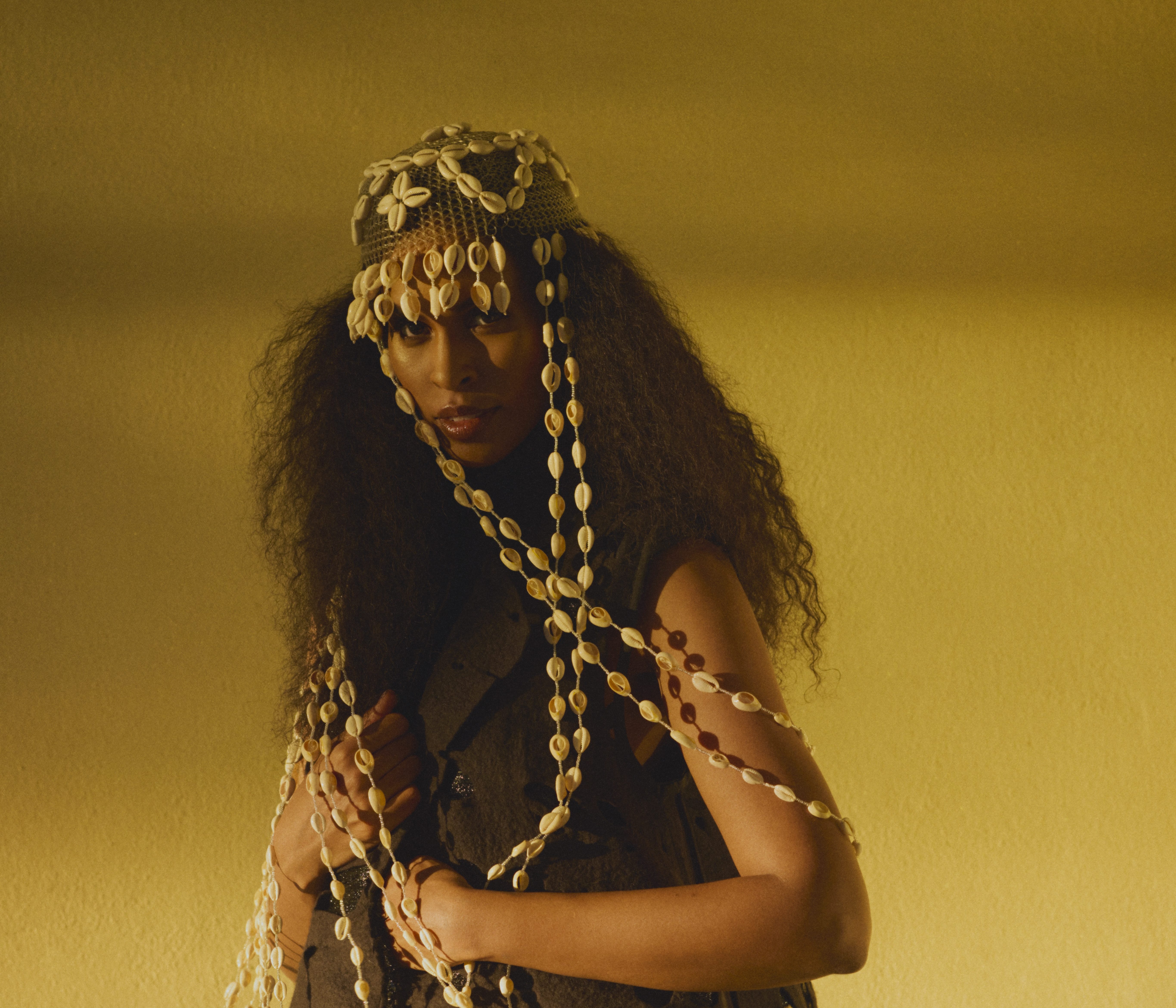
First Image shot at: The Mukuni Village, Zambia Headpiece: Original Bedoo Make-up Artist: Caroline Greef Hair: Saadick Ryklief

To find out more, go to S’Able Labs.co

Waves of Freedom: (vagues de liberté)

The sun has barely risen but Ngor village is already in motion and the fishermen have returned to the shore, buckets overflowing with fish. Surfboards in hand, we pause only for a traditional Senegalese ‘Touba’ coffee before heading out to Ibra Samb’s lookout spot. “If there’s a wave, we paddle out,” he confidently states. 

The pulse of the Atlantic Ocean ripples through every aspect of life in Dakar. It is not just a backdrop; it is the lifeblood of the city.

Destination Dakar

Ibrahima ‘Ibra’ Samb is a prominent figure in Dakar’s surfing community and in pursuit of competing on the CT Championship Tour. He is also a Volcom ambassador – Volcom is one of the top brands that design board-sports products.

Growing up in the small village of Ngor, just a few hundred metres from one of Dakar’s prime surf spots, he quickly honed his skills and developed a deep connection with the waves. Known for his exceptional talent and infectious enthusiasm, Ibra has become a leading ambassador for Senegalese surfing, showcasing the rich potential of Dakar’s surf scene. He says, “When I surf, I feel free and at peace within myself. I try to take advantage of that when I’m in the water.”

Over the past few decades, Senegal has grown into a sought-after surfing destination, celebrated for its warm waters and diverse surf spots that cater to all skill levels. The country’s coastline offers a myriad of experiences, from the world-class right-handers at Île de N’Gor, (N’Gor Island), made famous by the iconic surf documentary film The Endless Summer, to the challenging breaks at Yoff and Ouakam.

Today, Senegalese surfing is a unique blend of local talent and international influence, with a tight-knit community that thrives on the shared love of the ocean and the thrilling pursuit of the perfect wave.

(read the full story in issue 07)
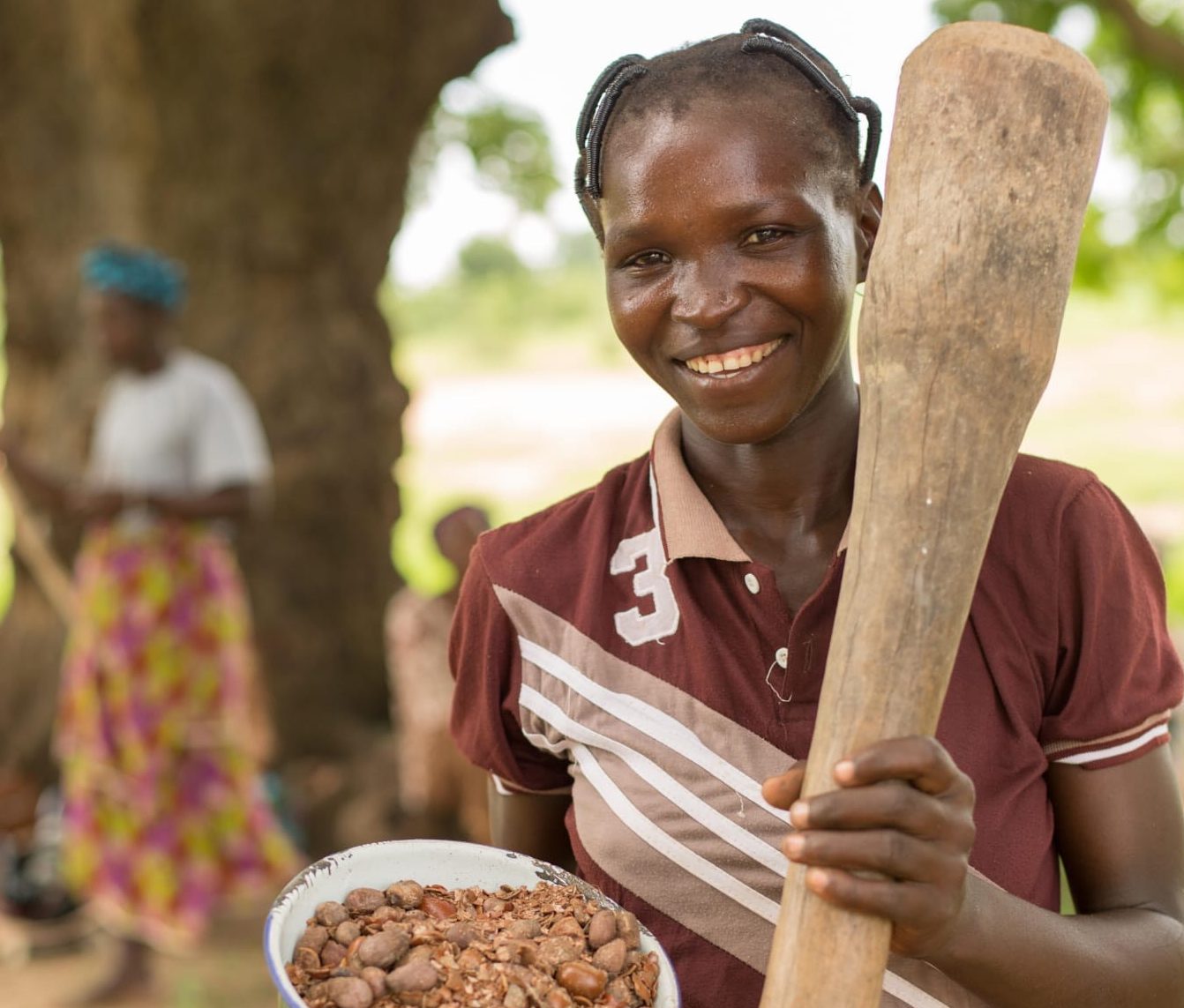
Photo credit: Dan Carter

Shea Butter

Karite, nkuto, galam or shea butter is a fat that comes from the seed of the shea nut, whose trees grow wildly along West and Central Africa. The trees only start bearing fruit after 15-20 years and reach maturity at 45 years. They keep bearing fruit for up to 200 years so it’s no wonder you won’t find many shea tree plantations. The patience it would take for a farmer to cultivate these plus nature’s abundance of them has ensured that the supply still outweighs the demand. Still, picking and processing shea nuts is big business in Africa.

Globally, the demand for shea butter is growing. The global shea butter market is valued at US$2.75 billion and expected to reach US$5.58 billion by 2033. Ghana is the main commercial supplier of both shea butter and shea nuts.

Uses for shea butter

For centuries, West Africans have used shea butter for cooking and grooming purposes.

Today, it’s a global commodity that is widely used across the cosmetic industry, but also in confectionery (as an alternative to cocoa butter) and pharmaceutical industries (as an excipient for

ointment).

(read the full story in issue 07)

Photo credits: Alamy

Sources: Future Markets Insights, Shea butter market.
Stellenbosch University, Investigating the sustainability of the shea industry among rural women in Northern Ghana.

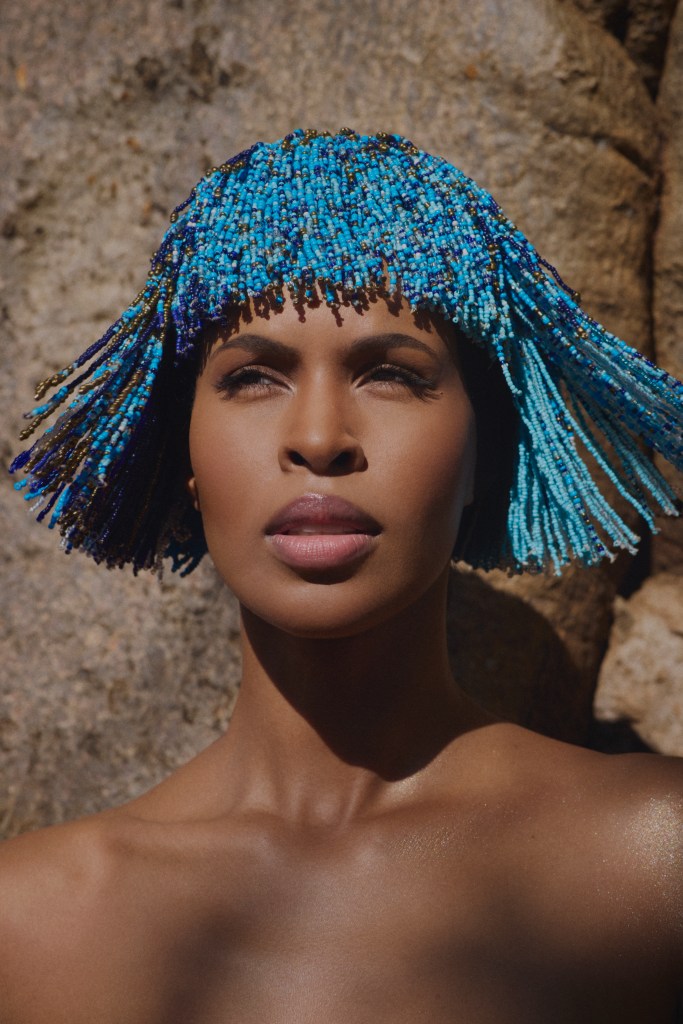
Preserving the legacy of African beadwork

Contemplating African culture, we cannot overlook the profound significance of beadwork, a tradition dating back millennia. From ancient relics to contemporaryartistry, beads have served as more than mere adornments; they are symbols of status, belonging and cultural heritage.

The beads we’ve come to know today are developments from past artefacts and treasures, used as one of the first means of bodily adornment. Africa’s traditional use of beads incorporated bones, wood, shells and many other ornaments that would be pierced and strung together, attached to an object or worn on the body as a means of beautifying.

While the use of beads dates back over 75,000 years like the marine shells uncovered by archaeologists in the South African Blombos cave, it wasn’t until glass beads were introduced that they became a medium for trade across the continents.

“The intrinsic desirability of the bead – as well as the ease with which a relatively large quantity could be transported as cargo – made them an essential item of trade,” reports The Metropolitan Museum of Art in New York.

However, the symbolisms in the continental use of such ornaments go far deeper than the monetary value. True to form with many ritualistic symbolisms in the country, beads were no exception.

(read the full story in issue 07)