All print versions of Fifty Four now available digitally Explore the Digital Library →

Africa Fashion Week London 2025

London, you’re a beauty. Africa Fashion Week London (AFWL)? An absolute dream. We landed in the UK ready to immerse ourselves in one of Africa’s most celebrated style spectacles. It did not disappoint! The city was draped in golden sunshine, a rare gift in itself, as if even the skies had dressed up for the occasion.

Walking into the venue felt like stepping inside a living mood board, alive with joy, creativity, and rich culture. Everywhere we looked, impeccably dressed guests moved with purpose and pride, laughter drifted through the air, and the electric hum of shared excitement was palpable. Exhibition stands brimmed with exquisite pieces, every garment telling a story of craftsmanship, heritage, and soul. Faces lit up in warm smiles, and strangers greeted each other like long-lost family. The AFWL team hosted us with such generosity and care, making everyone feel not just welcome but truly at home.

We had never attended a fashion show of this magnitude before and had honestly arrived without any expectations, only eagerness to occupy a space where Africans were doing extraordinary things on a global stage. Moments like these humble us as a time to pause and realise just how remarkable our work is, recognising the types of rooms and opportunities it opens for us.

Now in its 15th season, Africa Fashion Week London (AFWL) arrives draped not only in style but also in pride, promise, and unapologetic representation. More than just a runway, it’s a living stage where every fabric and silhouette reflects a blend of heritage, craftsmanship, and cultural pride. In a world known to sideline African creativity, AFWL boldly claims a space where our stories are not only shared but celebrated with brilliance.

This year, Fifty Four mag was deeply honoured to join as an official media partner. Beyond just coverage, this role served as a calling and chance to amplify voices, spotlight amazing creatives from across the continent, and define what true African luxury and style mean on the global stage.
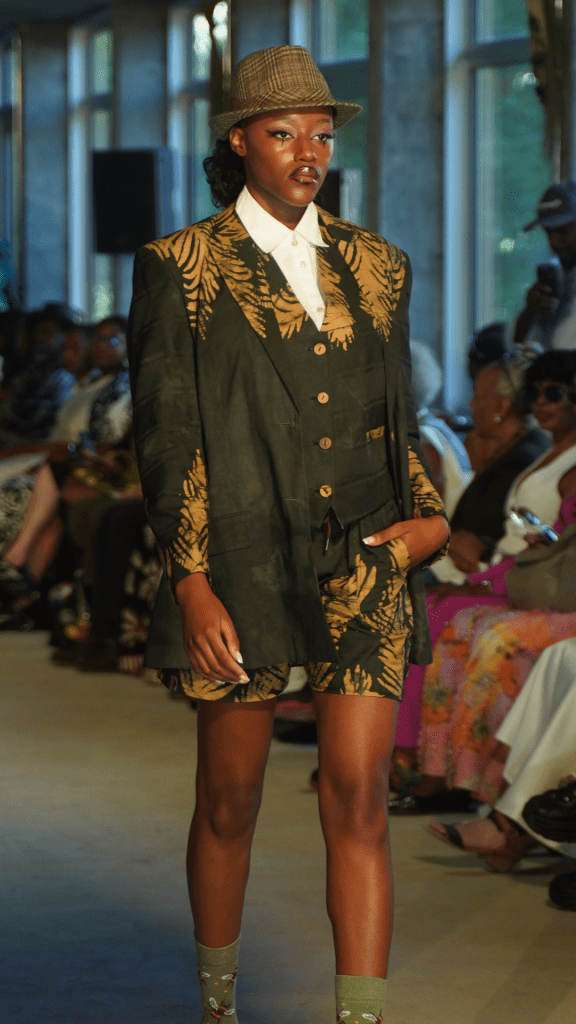
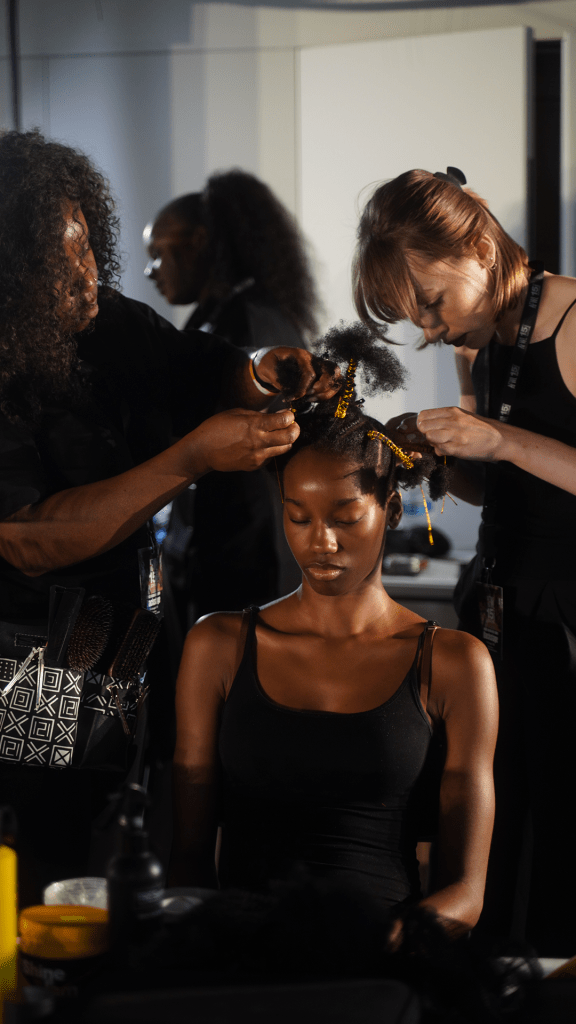
 

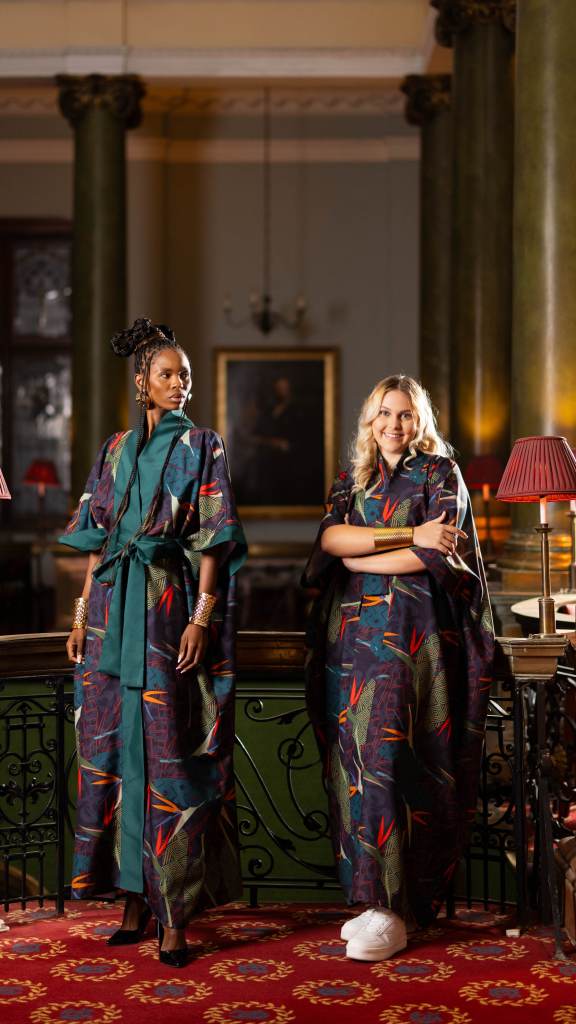
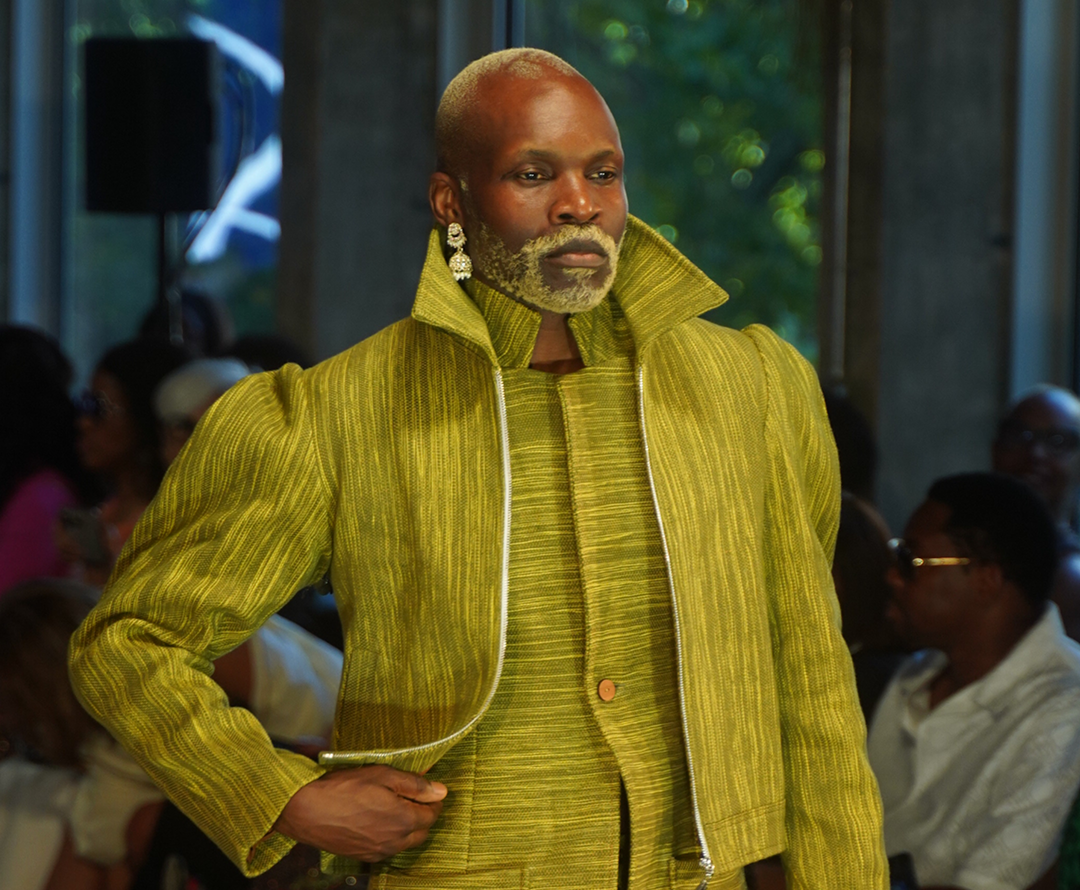
From 9-10 August, the striking Space House in London transformed into a vibrant canvas for 15+ pioneering brands from every corner of Africa. On its runways, Kenya’s Kisero Nairobi blended tradition with rebellious streetwear edge while Sevaria presented modern silhouettes infused with indigenous patterns. Ghana’s Ometsey crafted timeless tales through classic tailoring, and Nigeria’s Henri Uduku redefined menswear with crisp, culturally infused lines.

Jewellery from Kenya’s Epica, meanwhile, dazzled with regal handcraftsmanship just as Zimbabwe’s Rungano Rwedu paired sustainability with storytelling. Boldness reigned with Nigeria’s Black Fine & Fly, the cross-border femininity of Uganda-Kenya’s Shwanda Kollection radiating with effortless grace. Ethiopia’s Dagmawit offered luxe minimalism rooted in heritage, while Guzo Technologies introduced wearable tech that married tradition with innovation. Ghana’s House of Afrika celebrated pan-African textures and tones, Sarah Ajaye’s youthful vibrancy shone brightly, and Ejiro Amos Tafiri delivered feminine silhouettes with undeniable global appeal.
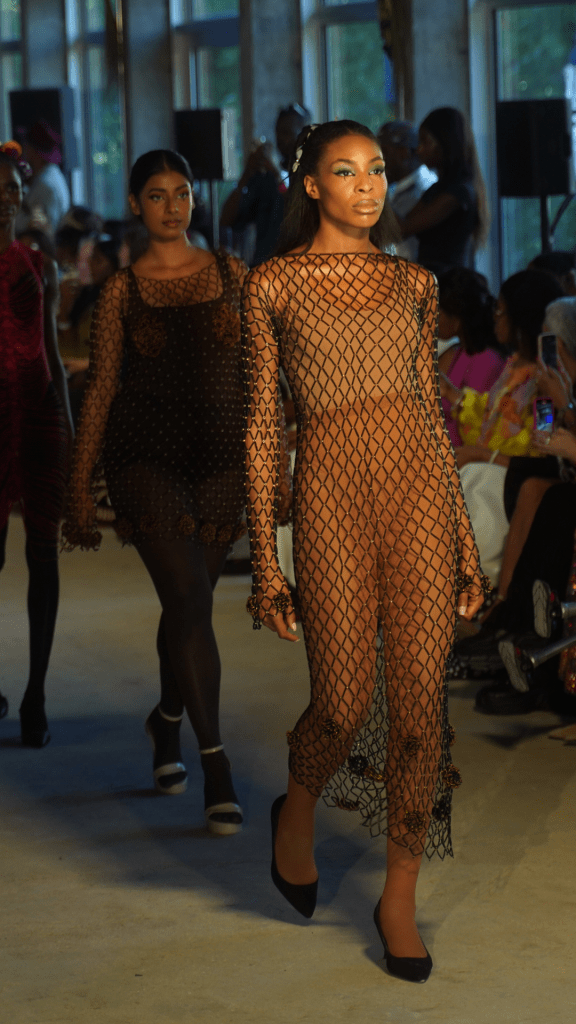
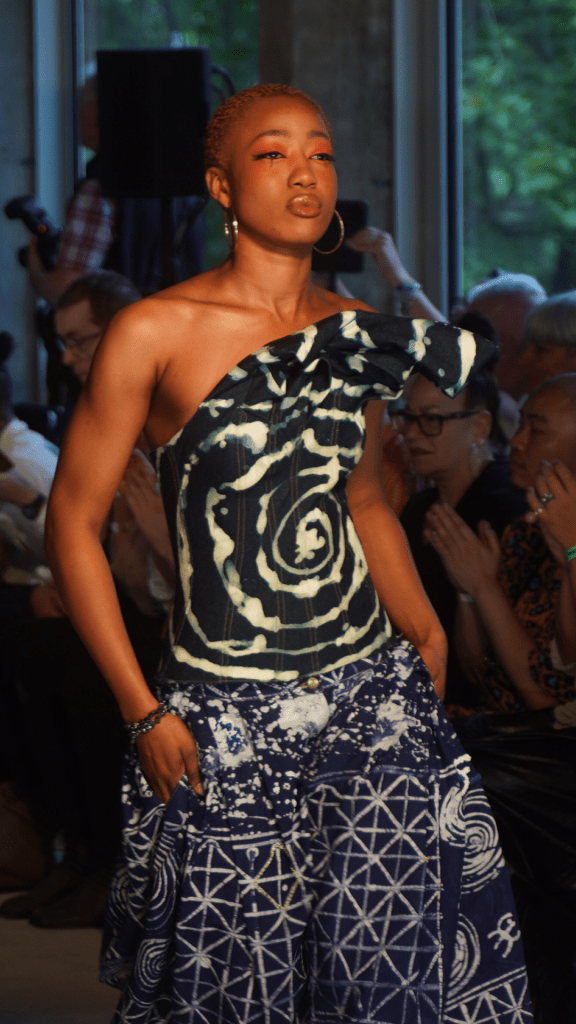
 

Elegance flowed through the multi-country vision of Victoria Grace, opulence lit up Fassy Couture’s runway, playful prints danced in Simeogieme’s designs, and Sierra Leone’s Mumini Fashion – with roots tracing back to 1961 – brought timeless sophistication. Afrowema’s Afro-futurist visions stunned alongside Ÿ’wăra’s artisanal redefinition of identity.

This unique and diverse lineup revealed a continent in full bloom. As we reflect on what’s truly shined as the best edition yet, one truth is clear: African fashion is not “emerging.” It’s here and has been for years really, thriving and shaping the future of global style. Fifty Four mag is proud to be part of this unstoppable story.
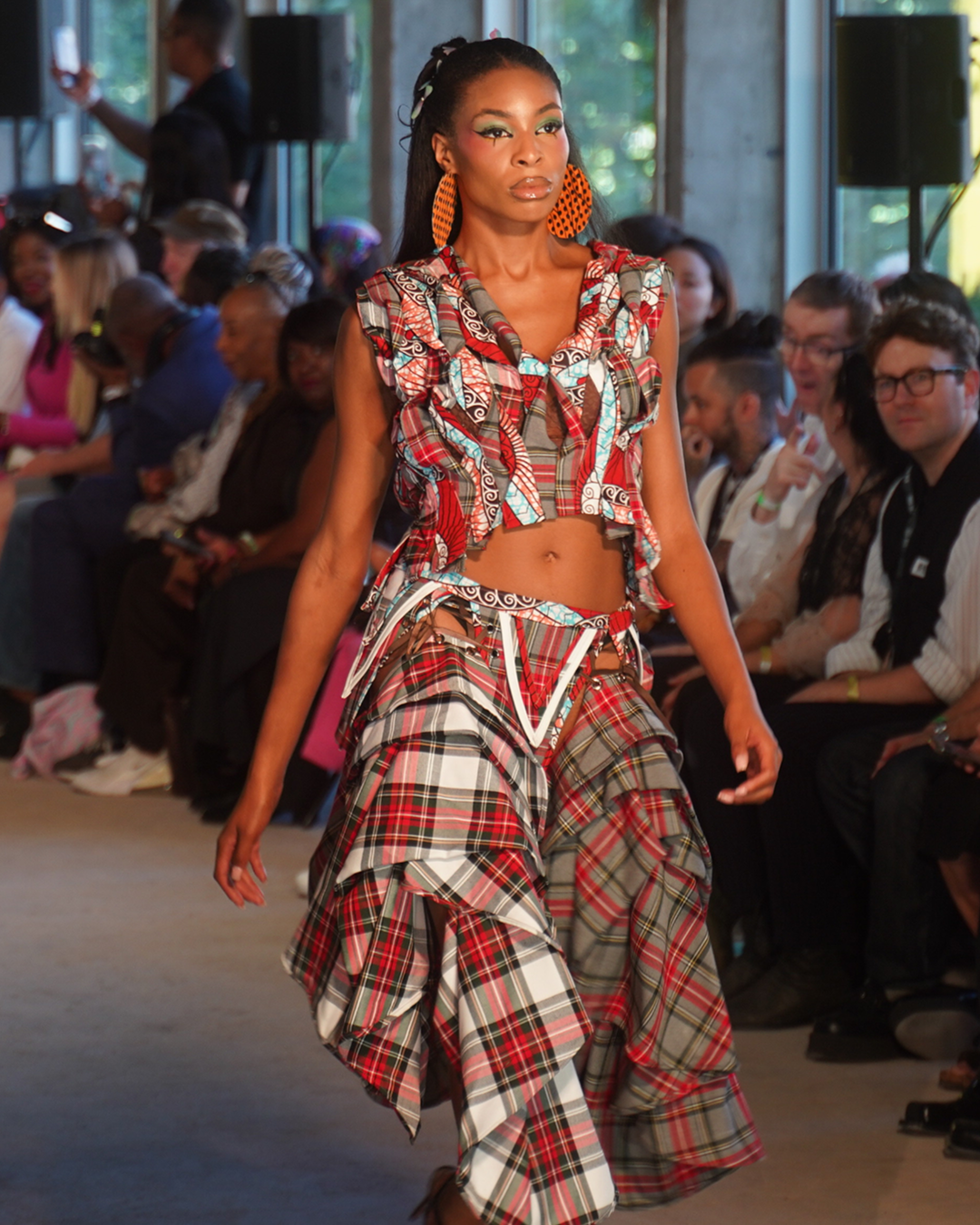
Africa Fashion Week London, likewise, means so much more than fashion as a powerful platform where culture, heritage, and identity converge to rewrite the narrative of African creativity on the global stage. In a world that’s too often overlooked or misunderstood the richness of African traditions, AFWL asserts the continent’s rightful place as a beacon of innovation and timeless talent as a space where ancestral stories are woven into every garment, designers honour their roots as boundary-pushers, and the global fashion community is invited to witness the depth and diversity of African culture. AFWL thus doesn’t just showcase fashion but champions representation, drums up pride, and inspires a new generation to embrace their heritage unapologetically and share it with the world – all thanks to this event.

This unique and diverse lineup revealed a continent in full bloom. As we reflect on what’s truly shined as the best edition yet, one truth is clear: African fashion is not “emerging.” It’s here and has been for years really, thriving and shaping the future of global style. Fifty Four mag is proud to be part of this unstoppable story.


Africa Fashion Week London, likewise, means so much more than fashion as a powerful platform where culture, heritage, and identity converge to rewrite the narrative of African creativity on the global stage. In a world that’s too often overlooked or misunderstood the richness of African traditions, AFWL asserts the continent’s rightful place as a beacon of innovation and timeless talent as a space where ancestral stories are woven into every garment, designers honour their roots as boundary-pushers, and the global fashion community is invited to witness the depth and diversity of African culture. AFWL thus doesn’t just showcase fashion but champions representation, drums up pride, and inspires a new generation to embrace their heritage unapologetically and share it with the world – all thanks to this event.

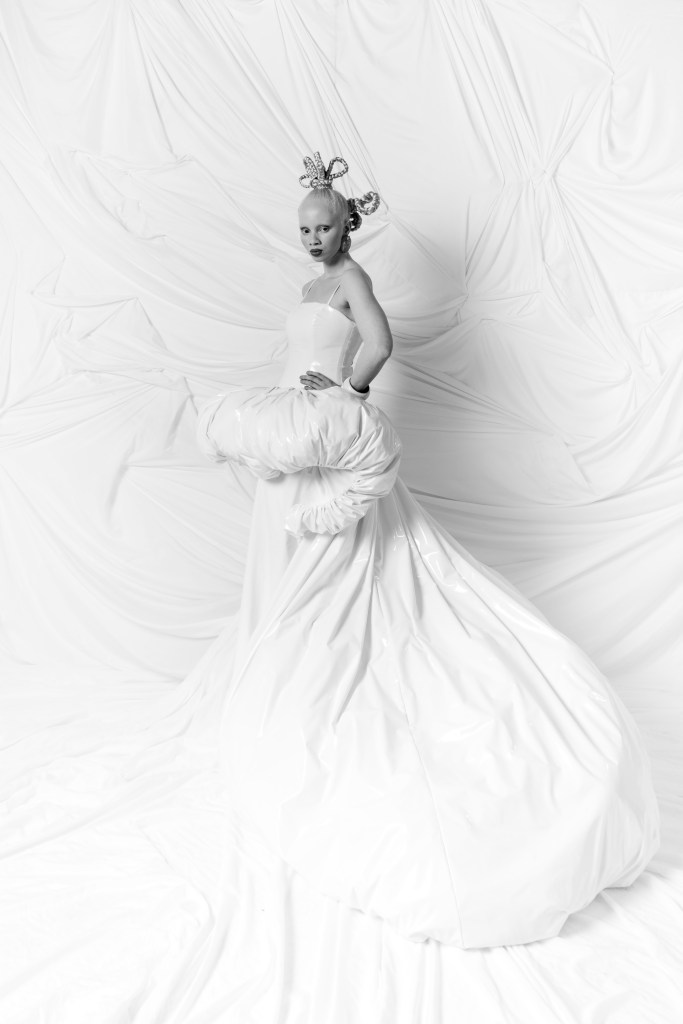
One of the most unforgettable moments was when Phindile Khoza stepped into the venue wearing a head-turner from Swaziland’s The House of Dandy Couture, reflecting the brilliant collaboration between visionary designers Sithembile Masuku, Chloe Thorne, and Lindelwa Ntshakala: every inch of the garment bringing the pride of home onto an international stage.

The magic of the experience seeped into my bones even more when I met Anne-Marie and Chizi, two essential pillars behind the meticulous planning and execution of the spectacular event. Then there were the photographers, the giants whose work graced Vogue and Getty Images while capturing the essence of AFWL with the reverence it deserves. Each conversation and encounter was a lesson, a connection driven to make Africa that much better.
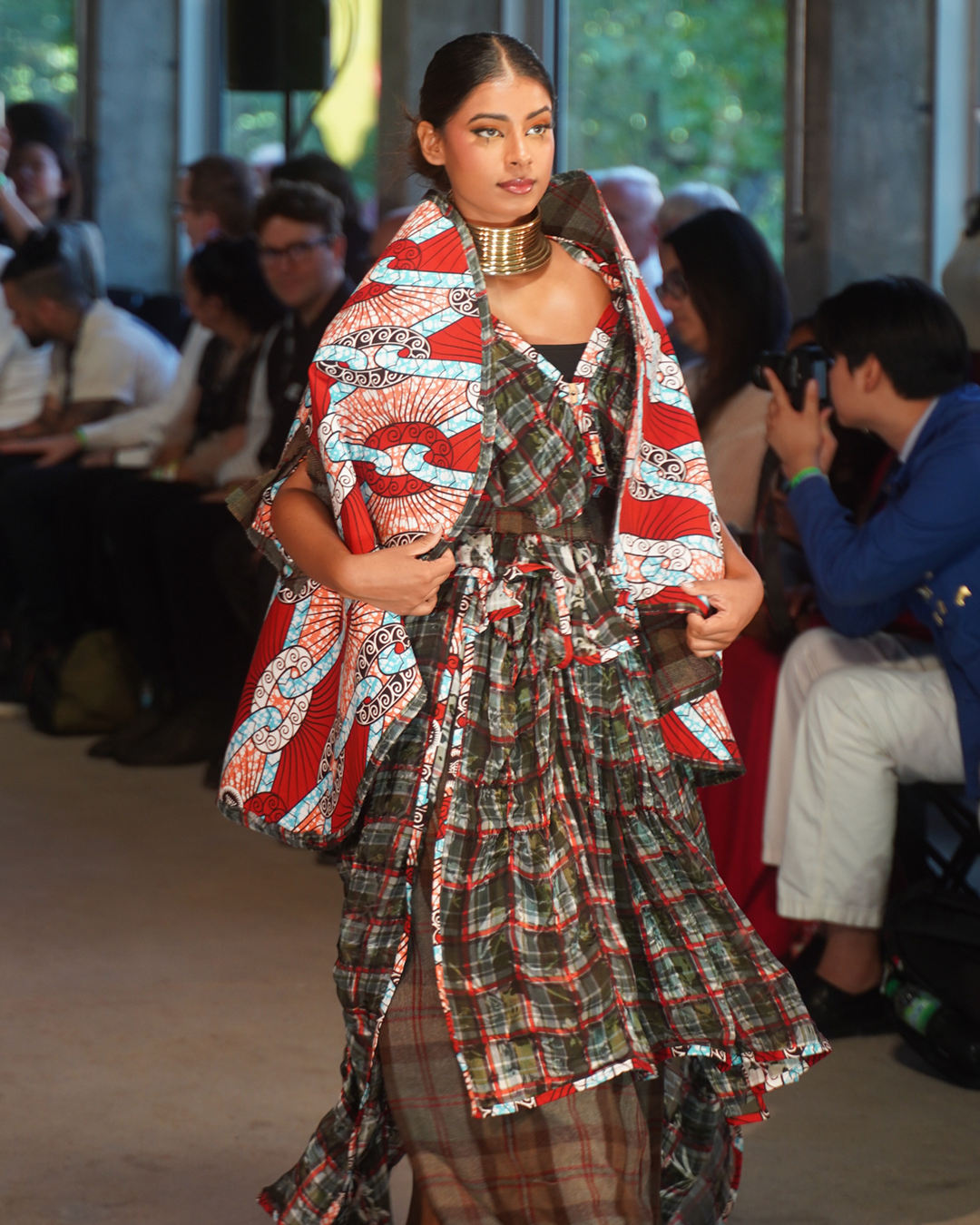
 

Fifteen years in, Africa Fashion Week London continues to show what’s possible when we aim high and dream big: reminding us that our strength lies in collaboration, not just between brands but within the little and large communities we continue to nurture across Africa and the diaspora. We’re nothing without each other; that much is clear.

The future of African fashion is a collective endeavour, taking a village to build as many hands move forward together with those who wish us well. Prosperity grows where unity thrives, our stories, cultures, and innovations demanding to be heard and seen on the global stage. AFWL is a shining example of that same truth.

We carry this same spirit forward at Fifty Four mag, committed to forging connections, uplifting emerging voices, and celebrating the limitless creativity that flows when we come together as one.
References:

Wovened Influence

Luxury has always known Africa, though it often forgets to name its source. The whisper of kente against silk, the structured majesty of agbada draped over a Parisian runway, the sacred geometry of Kuba cloth embedded in haute couture – evidence of a continent that has long sculpted opulence without needing permission.

But now, the weavers are speaking, the dyers are naming and the designers are reclaiming. The future of luxury is not merely inspired by Africa; it is being rewritten by it.

Fede Kortez – Designer Thabo Makhetha from Lesotho

Where the loom hums | Democratic Republic of Congo

To grasp the depth of Africa’s imprint on fashion’s elite, we must begin where the loom hums in a steady rhythm. In the Democratic Republic of Congo, the Kuba people have, for centuries, woven raffia into intricate textiles, each piece a language of symbols and proverbs. Their geometric patterns, echoed in Balmain’s bold Jacquard fabrics and Versace’s labyrinthine motifs, are not coincidental. They are borrowed, repurposed and rebranded for global consumption, often without acknowledgement.

Today’s African designers are not merely content with being a footnote. They reclaim their motifs with precision and power, stitching heritage back into its rightful place.

Garments of rebellion | Lesotho, South Africa 

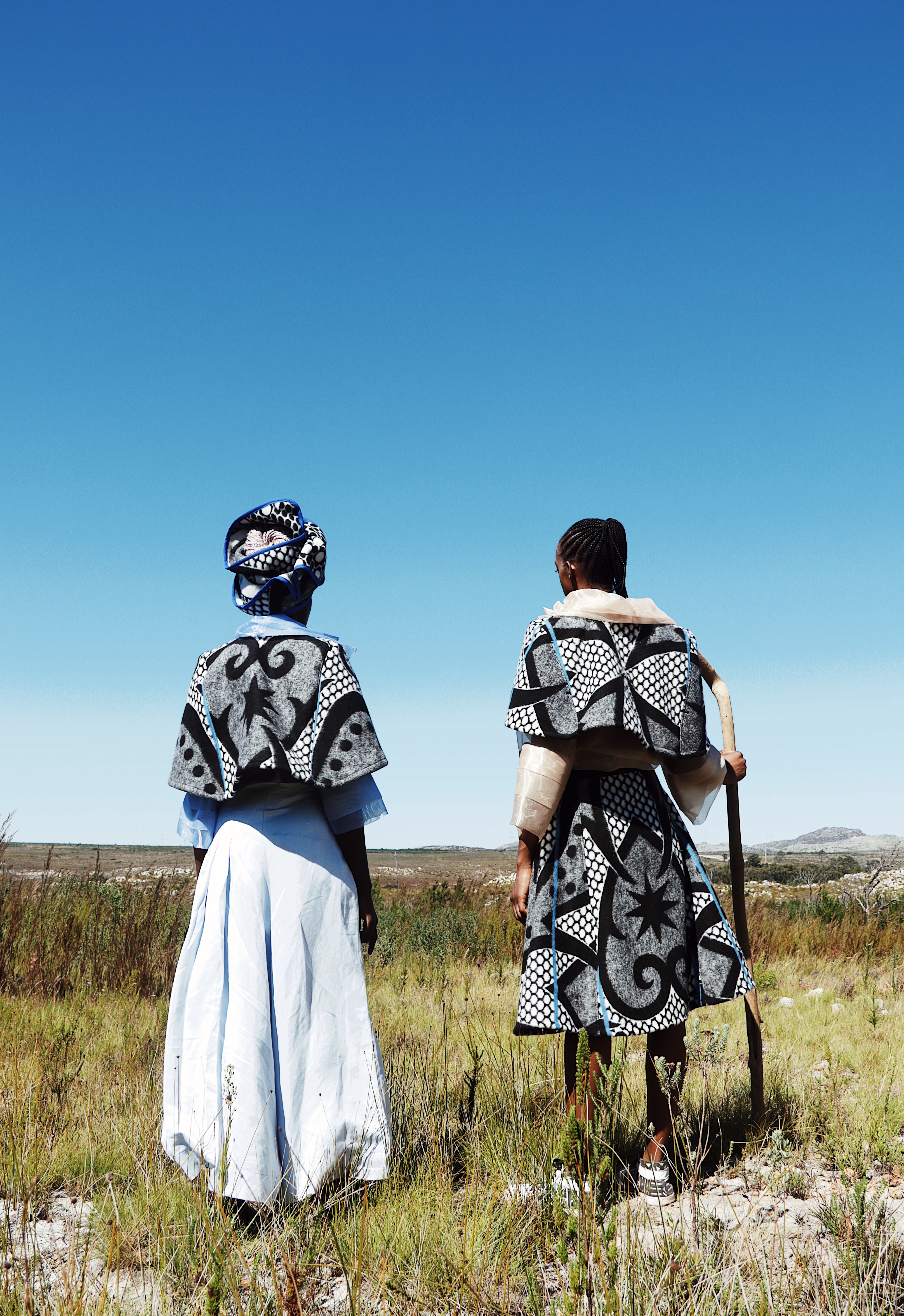
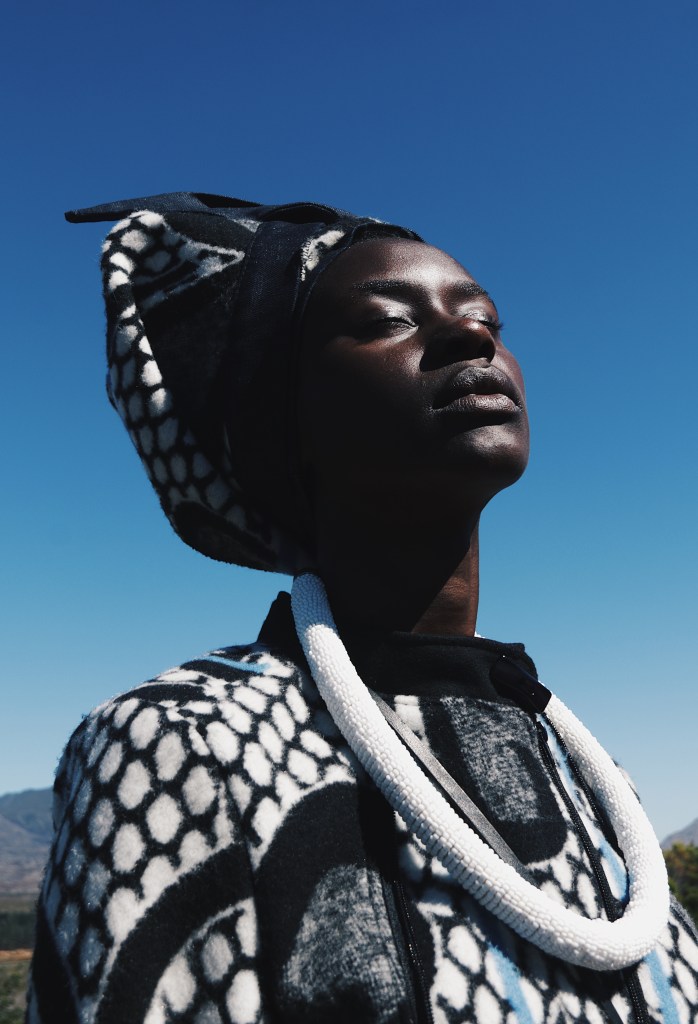
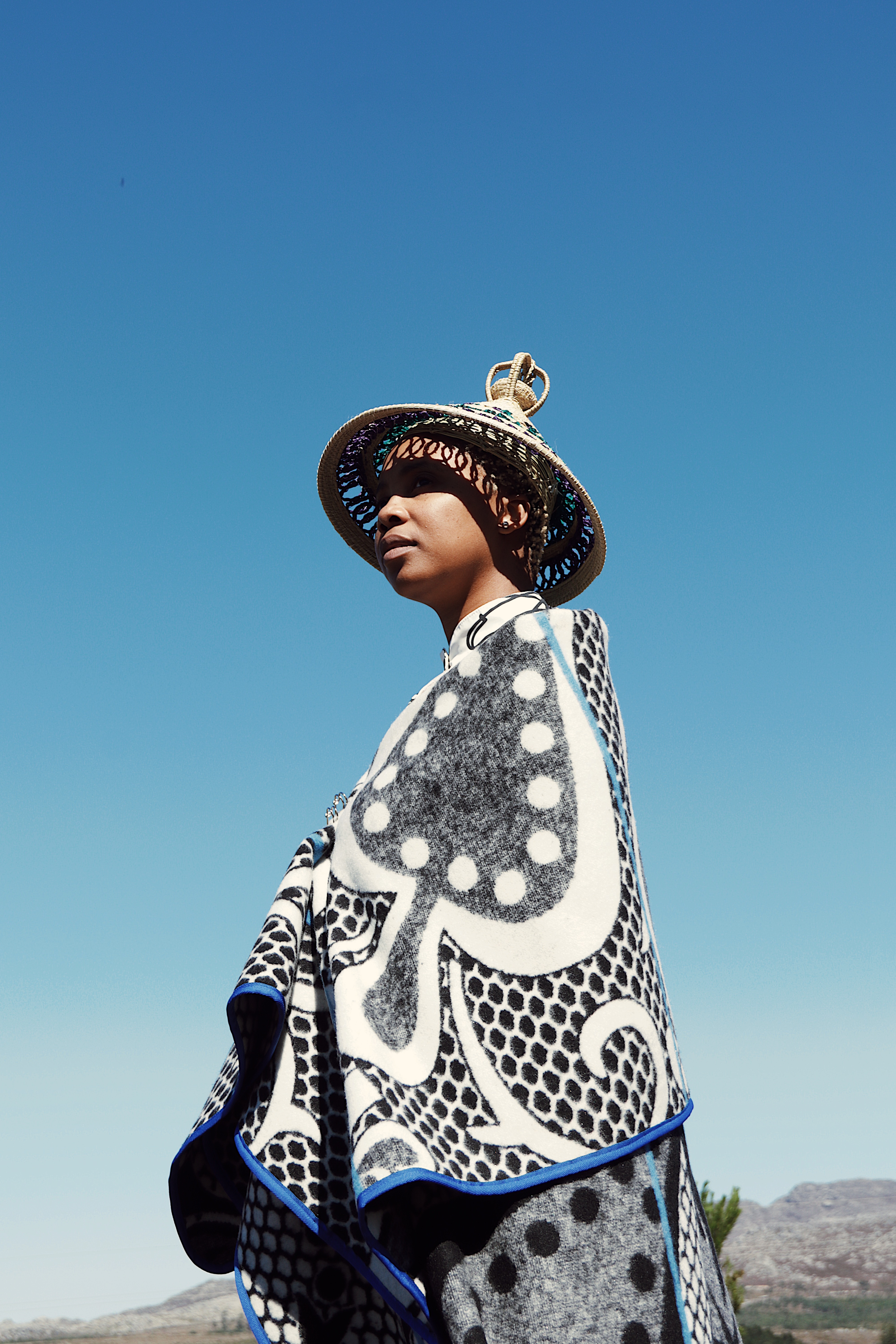
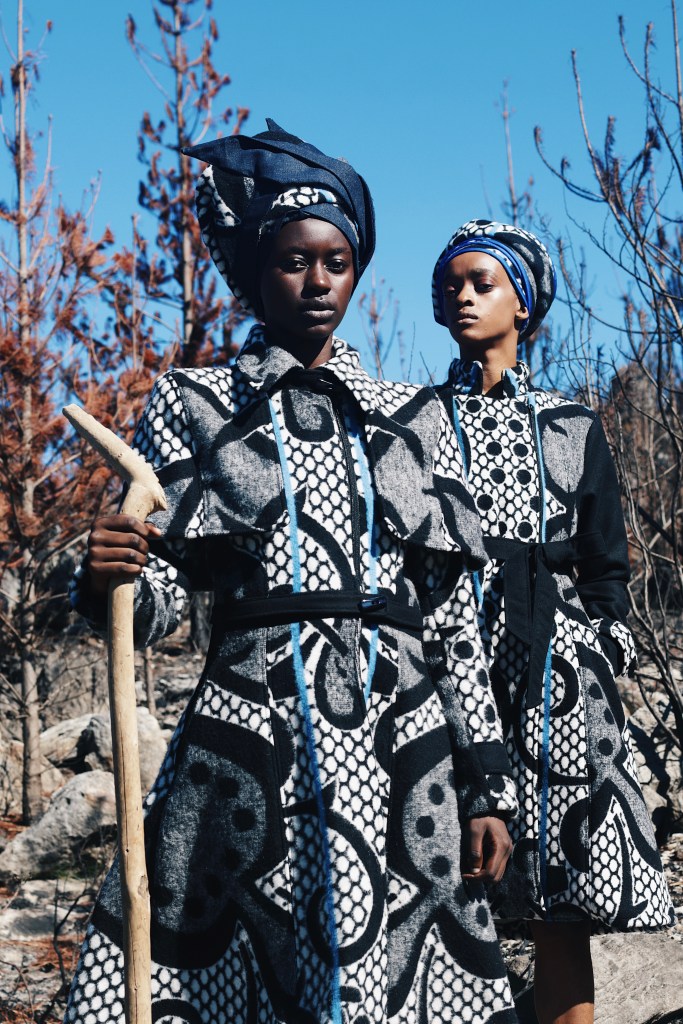
Across the highlands of Lesotho, the Sotho people wrap themselves in the Basotho blanket, a woollen garment of warmth, lineage and quiet rebellion. Once a colonial import, it has been transformed into a national symbol, a reminder of Africa’s ability to turn history into haute couture. Luxury houses, ever eager to flirt with authenticity, have reinterpreted its bold stripes and deep indigos, but true innovation rests in the hands of African creatives. South African designer Thebe Magugu’s sharp tailoring draws from this wellspring, his garments speaking in the language of ancestors while marching into the future.

Fede Kortez – Designer Thabo Makhetha from Lesotho

Fine threads of declaration | Cameroon

In Cameroon, the artistry of the town and city of Bamenda and Foumban tells another story – one of royalty, of power embroidered in fine threads. The Bamiléké people’s vibrant ndop fabric (a handmade cotton cloth), once reserved for nobility, has found its way into contemporary fashion, draped on runways from Milan to New York. These are not just textiles; they are declarations. A Foumban artisan’s touch carries centuries of technique, imprinted onto cotton and velvet, often without credit when mimicked by Western brands. But the tide is shifting, and designers from Lagos to Douala are reclaiming these legacies, ensuring that the hands which craft are also the hands that profit.

The global stage is taking note. The resurgence of gele headpieces (a traditional head tie of the Yoruba people), the return of cowrie shells to high fashion, and the reverence for handwoven African textiles are not fleeting trends. Cowrie shells, once used as currency across Africa, Asia and the Indian Ocean, symbolised wealth, prosperity and spiritual protection – small treasures carrying immense value. They are the fingerprints of a continent that has always defined luxury, whether recognised or not. From Fendi’s Ankara-infused collections to Louis Vuitton’s Ghanaian wax print-inspired ensembles, Africa’s influence is undeniable. Yet, the true revolution is not in adaptation but in ownership. This is not a borrowed aesthetic, it is a foundation – woven, dyed and stitched into the very fabric of luxury’s future.

Sources:

The Quiet Art of Breaking Barriers

As we entered a quaint and cosy photo studio in the suburbs of Johannesburg, South Africa, the crew awaited the arrival of a true game-changer. Our high spirits were palpable as we converged to create a set of beautifully produced photographs that would star a living legend.

Upon arrival, Thando’s sweet and composed persona captivated everyone. She greeted each crew member and took her seat for hair and make-up. As we engaged in candid conversations about her children and aspirations, her warmth drew me in; her honesty was palpable and contagious. I found myself speaking to someone who, although a stranger, has the infectious energy and confident demeanour to encourage us all to open up. It’s no wonder she’s reached such incredible milestones in her life – she says what she means and means what she says, giving herself over to any challenge she commits to and often exceeding expectations.

(read the full story in issue 08)

Mantsho x Nedbank MiGoals Premium Collection

In a pioneering move that bridges fashion and finance, Nedbank has teamed up with celebrated South African designer Palesa Mokubung to bring us something truly unique: the first-ever fashion line inspired by a bank account. Yes, you read that right! This exclusive collection, titled ‘Now More People Can Premium’ by Mantsho x Nedbank MiGoals Premium, invites more South Africans to enjoy the luxury of premium fashion and lifestyle without the hefty price tag traditionally associated with it.


This collaboration is a bold statement that speaks to the heart of what Nedbank and Mantsho stand for—accessibility, cultural pride, and innovation. For years, luxury has been a realm for the few, but with this collection, Nedbank and Mantsho are redefining what it means to live a premium lifestyle. By making high-end, sophisticated African designs more accessible, the partnership is empowering people to step into their best selves, wrapped in the beauty of African craftsmanship and cultural pride.

A Collection with Cultural Significance

The name Mantsho, meaning ‘Black is Beautiful’ in Sesotho, has long been a testament to the vibrancy and resilience of African womanhood. Palesa Mokubung’s designs are bold, confident, and unapologetically African, carrying a story and a heritage in every piece. With this collection, she once again celebrates African style, blending it with a modern twist that speaks to the contemporary, ambitious African.

From locally sourced fabrics to meticulously crafted kimonos, T-shirts, and accessories, each piece in this nine-item collection is an invitation to embrace an authentic African look that’s both premium and accessible. Designed with the premium MiGoals account holder in mind, the collection doesn’t just offer clothes—it offers a lifestyle that resonates with elegance, ambition, and cultural pride.


Why This Collaboration Matters

In an era where brand partnerships are often superficial, the Mantsho x Nedbank collaboration stands out as a genuine synergy. Both brands are rooted in their commitment to giving back to the community, making a meaningful impact, and celebrating African excellence. By allowing a broader audience to access high fashion at an affordable price, Nedbank and Mantsho are championing inclusivity and the idea that a premium lifestyle doesn’t have to be reserved for the elite.

Nedbank’s Executive Head of Marketing for Retail and Business Banking, Buli Ndlovu, shared her excitement about the collaboration: “The Mantsho partnership is incredibly exciting for us. A lot of people weren’t able to access these iconic pieces before, but inspired by our MiGoals Premium Account, we’ve created a fashion line that brings premium access to more people.”

A Celebration of African Ingenuity

In a rapidly evolving global landscape, unconventional partnerships like the Mantsho x Nedbank collaboration are crucial for showcasing the richness and versatility of African creativity. These alliances not only amplify the voices of talented designers but also create opportunities for innovation and cultural exchange that transcend traditional boundaries. For young African creatives, such partnerships serve as a powerful lesson in the importance of collaboration and resourcefulness. By working together across industries, they can break down barriers, foster new ideas, and inspire a wave of creativity that reflects the dynamic spirit of the continent. This approach not only elevates individual brands but also positions Africa as a vibrant hub of artistic expression, encouraging a new generation to embrace their heritage while boldly pushing the limits of what is possible.

More Than Fashion, It’s a Movement

The Mantsho x Nedbank MiGoals Premium collection will be exclusively available on the Avo SuperShop, Nedbank’s curated platform offering everything from groceries to fashion. For those with a MiGoals Premium account, there’s an even sweeter deal—a 30% discount on all pieces in the collection, making it a perfect blend of style and savings. This hyper-personalised shopping experience aligns with the collection’s vision: luxury that’s attainable, meaningful, and, most importantly, African.

By creating a collection that’s affordable, Mantsho and Nedbank are opening doors for a new audience, one that values quality, identity, and affordability. As Ndlovu puts it, “We’re bringing a premium brand much closer to a wider audience, and we’re thrilled about it. This partnership feels like a natural fit, with both brands sharing a commitment to meaningful, creative impact.”

This collection is more than just clothes—it’s a symbol of African pride, creativity, and resilience. As South African fashion continues to redefine the boundaries of creativity, Mantsho x Nedbank stands as a testament to what’s possible when African brands come together to push the envelope. With a touch of elegance and a dash of vibrancy, ‘Now More People Can Premium’ by Mantsho x Nedbank MiGoals Premium is here to empower a new generation of Africans to own a piece of premium lifestyle, without compromising their roots or their wallets.


For more information on how you can join this movement, visit the link here

A Toast to Craftsmanship

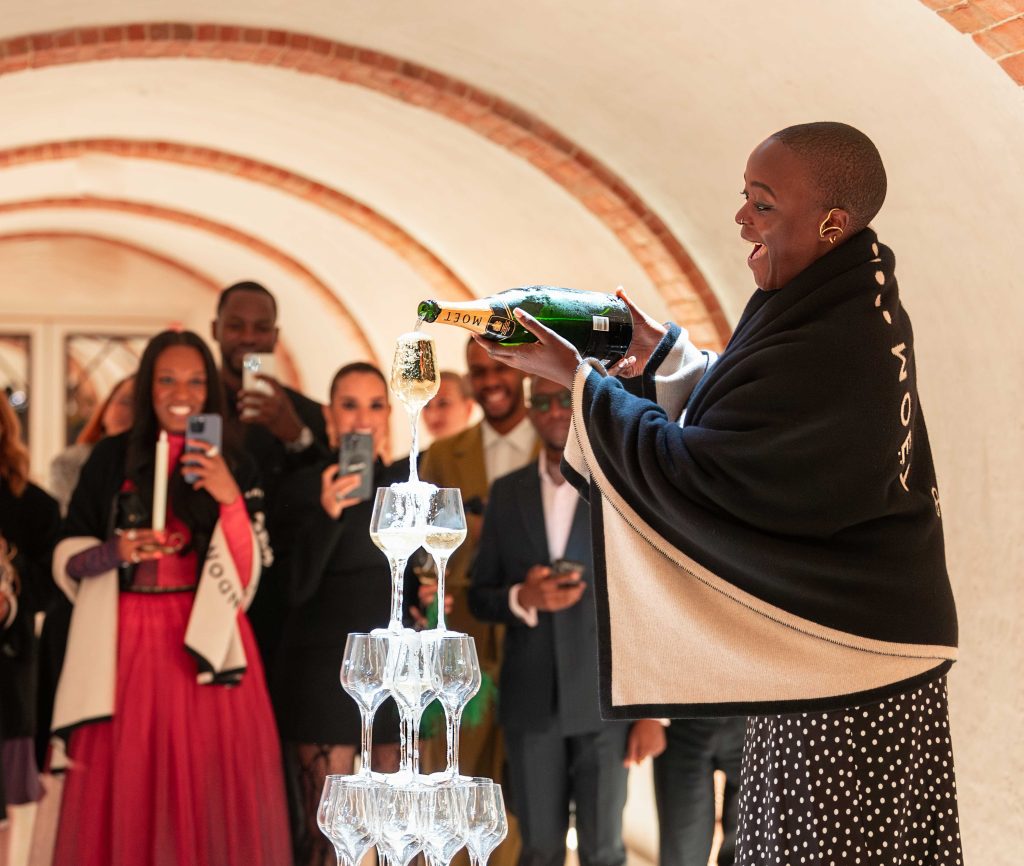
In the heart of Épernay, where the legacy of Moët & Chandon has flourished for centuries, the iconic Champagne house played host to a unique celebration for Champagne Day 2024. This year, Moët & Chandon invited seven of Africa’s most prominent creative talents for a cross-cultural exchange that highlighted the brand’s enduring commitment to craftsmanship, artistry, and heritage.


Lyra Aoko trying her hand at the Champagne pyramid


The star-studded guest list included South African designer and LVMH Prize winner Thebe Magugu, Nigerian textile artist Banke Kuku, Ghanaian fashion designer Aisha Ayensu, and others from across the continent, all representing a diverse range of disciplines, from fashion to photography. These seven artisans were invited to experience Moët & Chandon’s deep-rooted savoir-faire, taking inspiration from the centuries-old process that defines the world-renowned Champagne.


Aisha Ayensu exploring the cellars


For Mahine Sef, a Cameroonian music producer and photographer, the visit to Moët & Chandon was nothing short of magical. “My first impression of Épernay was one of timeless elegance,” he remarked. “The estate felt like a place where tradition and innovation harmonise beautifully.” This theme of merging old and new was a key thread throughout the visit, as the artisans explored the historic cellars and discussed the parallels between their own crafts and the meticulous art of Champagne making.

Thebe Magugu, who has risen to global prominence in fashion, was equally in awe of the legacy of Moët & Chandon. “It blows my mind that they have managed to preserve a brand since 1743, and for it to still be even more relevant in 2024,” he said, reflecting on how craftsmanship and innovation can stand the test of time.

Banke Kuku, the creative genius behind her eponymous Nigerian boutique, was moved by the serene beauty of the Moët & Chandon estate. “It’s like the world slowed down once I stepped into the estate,” she shared. For her, the experience was both reflective and inspiring, emphasising the importance of asking ‘why’ throughout the creative process.

The cultural exchange between African and French artisanship was a key focus, with the trip offering an opportunity to explore how these two rich traditions can influence and inspire one another. As Moroccan jewellery designer Youssra Nichane observed, “The Memories of Tomorrow exhibition, showcasing artisan embroidery, was a true reflection of where craftsmanship meets history.” The exhibition resonated deeply with her, inspiring her to create new designs that blend Moroccan heritage with Moët & Chandon’s artistry.

Beyond the Champagne and the cellars, this trip was about much more than luxury. It was about the shared values of tradition, community, and excellence—values that transcend borders and bring artisans together. As Tanzanian designer Mtani Nyamakababi put it, “Their strategy has been carefully crafted over centuries to maintain their status as one of the world’s most prestigious Champagne brands. This inspired me to be more committed to excellence in my craft.”

As Champagne Day approaches, Moët & Chandon continues to showcase the powerful connections between African creativity and French tradition, celebrating the endless possibilities that arise when cultures come together. This event was not just a tribute to Champagne, but to the artisans who continue to break boundaries, craft by craft, one toast at a time.


7 Artisans at the Orangerie lawns


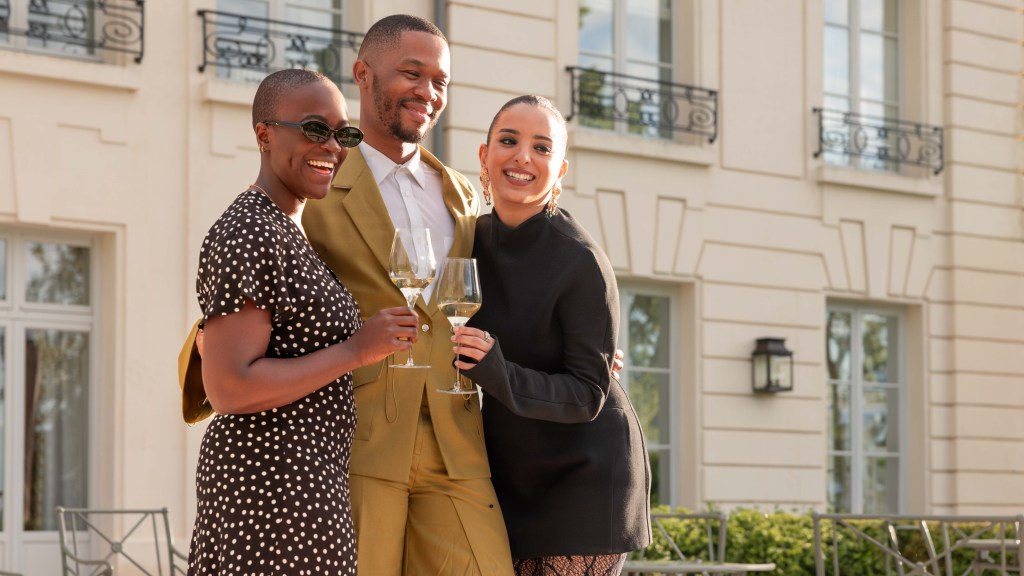
Lyra Aoko Thebe Magugu and Youssra Nichane connecting at the Chateau de Saran


Banke Kuku and Youssra Nichane enjoying a glass of Moet Brut Imperial


Ardmore Unveils Silk Scarf Collection: Art Meets Fashion with African Flair

Ardmore, a South African brand with a deep-rooted legacy in collectible art, has recently expanded its creative horizons with the launch of an exquisite collection of pure silk scarves, twills, and pocket squares. This new venture marks Ardmore’s first step into the fashion world, drawing upon the studio’s artistic heritage and the rich cultural tapestry of Africa to create wearable works of art. Founded in a small studio on a farm in KwaZulu-Natal, Ardmore has grown into a multifaceted design brand that now spans textiles, homeware, and, most recently, fashion. Known for its vibrant expression of African culture, Ardmore’s creations have made their way into homes and hearts across the globe. The introduction of these luxurious silk scarves is a testament to the brand’s evolution and commitment to craftsmanship.


The scarves, crafted for those who appreciate the fusion of art and fashion, feature intricate designs that tell uniquely African stories. The collection is the result of a collaboration between Catherine Berning, who spearheaded the design, and Sydney Nyabeze, whose illustrations bring the narratives to life. The scarves showcase African wildlife, indigenous flora, and folklore in rich, colourful patterns that are as timeless as they are contemporary.

Ardmore’s journey into fashion is deeply personal, tracing back to its founder, Féé Halsted. Forty years ago, Halsted was inspired by a vibrant jungle print silk scarf she purchased in London, igniting a vision that has now come full circle. Earlier this year, Ardmore released its first scarf collection, the Bonnie Ntshalintshali Collection, named in honour of Ardmore’s founding ceramic artist. Bonnie Ntshalintshali’s legacy of imaginative and lyrical storytelling is celebrated in these scarves, with designs that feature playful depictions of Jonah and the Whale, along with heavenly angels, doves, and whimsical butterflies. The collection is a burst of optimism, showcasing bold primary colours and rich floral motifs that reflect Bonnie’s artistic spirit.

The Bonnie Ntshalintshali Collection is just the beginning. Ardmore has also unveiled the Sabie Kings collection, inspired by the majestic King Cheetah. This design draws from the lush landscapes of Zimbabwe, where the rare Sabie King Cheetah was first spotted in 1926. The collection features two regal cheetahs entwined, set against a backdrop of aloes and impala lilies in earthy tones and sea-foam greens, capturing the essence of safari elegance.


Complementing the Sabie Kings collection is the Protea Plains line, which introduces a dynamic and whimsical design featuring a mythical cat chasing a zebra through fields of proteas. This lively piece bursts with movement and vibrant colours, further showcasing Ardmore’s ability to blend tradition with contemporary design. The most recent addition to the Protea Plains collection is the Safari Wrap, a luxurious wool and modal wrap that offers versatility and lightweight comfort, perfect for any season.

In addition to the large silk scarves, Ardmore’s collection includes Safari Silk Twills, skinny scarves that add a sophisticated touch to any wardrobe. These versatile pieces can be styled in multiple ways—around the neck, wrist, hair, or accessories—bringing a bold pop of colour to any outfit.

All of Ardmore’s scarves and wraps are designed in South Africa and printed in Italy on 100% pure silk with hand-rolled hems, ensuring the highest quality and attention to detail. As Ardmore continues to expand its fashion line, further collections and limited editions are planned for release throughout the year, promising to bring even more of Africa’s rich cultural stories into the world of fashion.


For more information, visit https://www.ardmore-design.com

The Sentinels

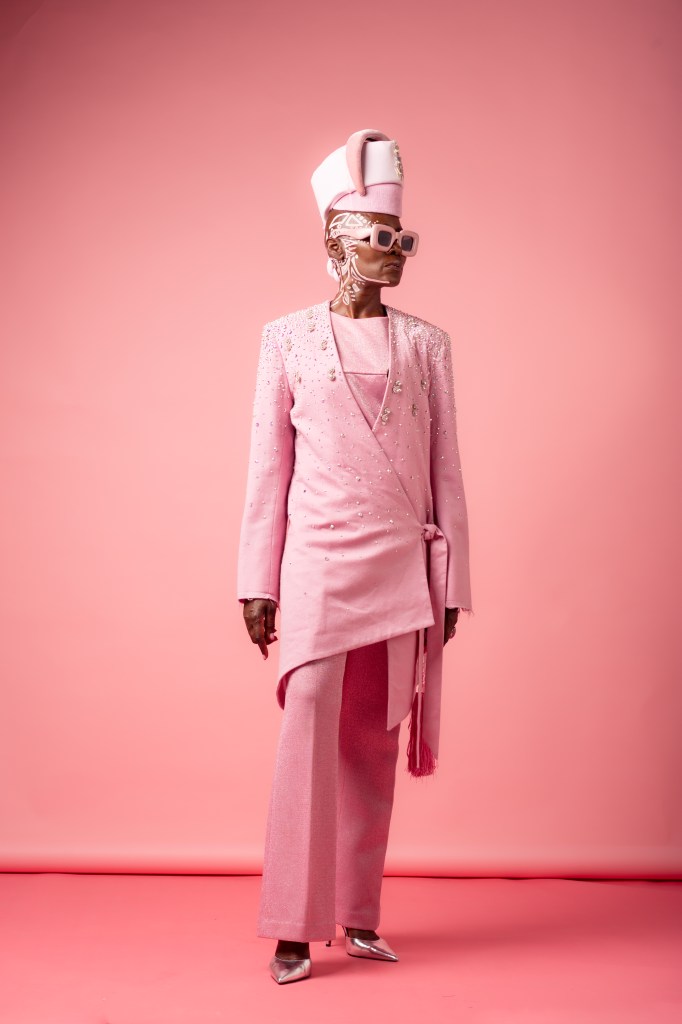
In the world of fashion and media, representation remains a critical issue, especially for more mature, darker-skinned individuals who are often overlooked. This disparity served as the inspiration behind “Sentinels in Pastel,” a unique and visionary project that merges surrealism with realism to showcase the beauty and power of older Black models based in London.

Artificial Intelligence (AI) has often been the go-to source for envisioning mature, dark-skinned models due to the lack of real-world representation. “Sentinels in Pastel” seeks to disrupt this trend by spotlighting real people, thus bridging the gap between fantasy and reality.

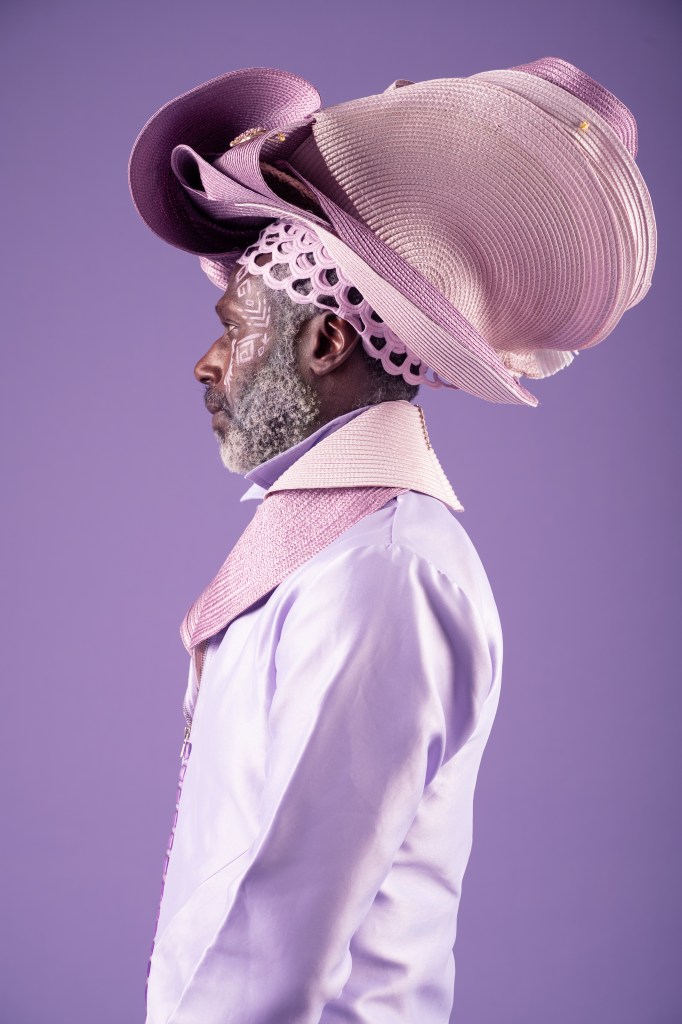
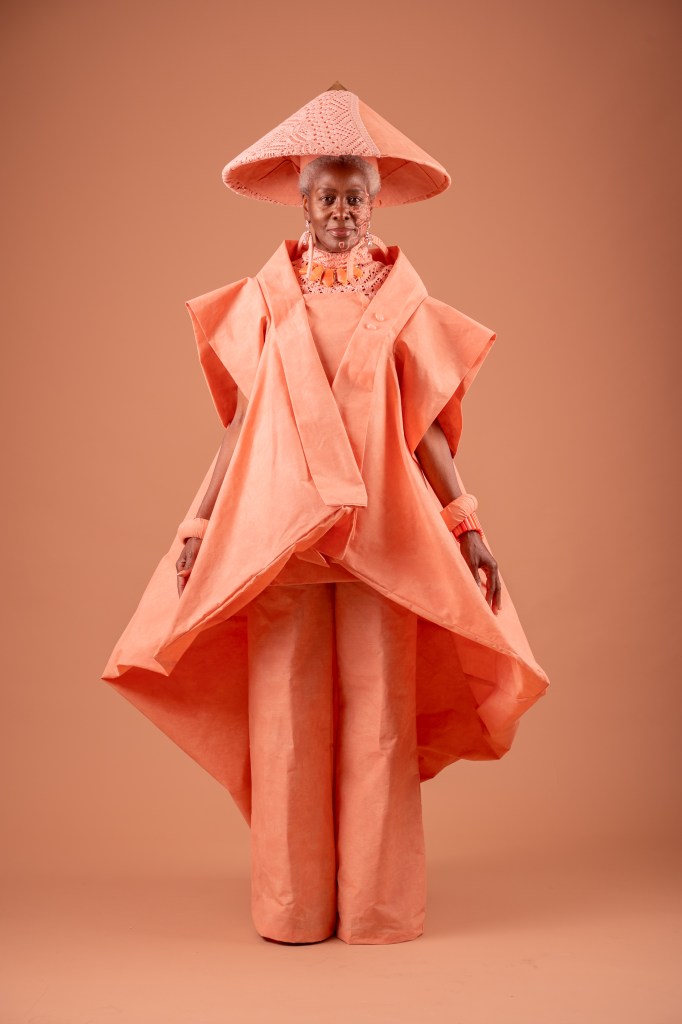
We embarked on this project with a mission to highlight real individuals, crafting a fantastical narrative that features models older than the industry standard. Crafted and styled by the talented Julius Reuben, the photoshoot incorporated childlike objects as a juxtaposition to the models’ maturity. This contrast, using pastel colours typically associated with babies, created a striking visual dialogue between youth and age, emphasising common ground despite the age difference.

In many African, Afro-Caribbean, and diasporic households, the mature generation holds a place of deep respect and love. They are seen as powerful sentinels, guardians of wisdom and tradition. “Sentinels in Pastel” challenges the media’s general disregard for the older generation by celebrating their strength and influence.

The models featured in this project challenge the prevailing media narrative that often ignores the mature generation. Through my lens, these individuals are not just models but embodiments of resilience and grace, reflecting the richness of their lived experiences.

Getting to know each model personally was a crucial part of this journey. Their strengths, personalities, and vibrant energy deeply influenced the personas they portrayed in the shoot. This personal connection allowed us to create more authentic and powerful representations.

Each model’s persona was enhanced with facial tribal painting and symbolism, expertly executed by Keisha Desvignes. This artistic choice not only highlighted their individuality but also immersed them in an Afrofuturistic narrative, bridging cultural heritage with contemporary expression.

We also utilised backgrounds that matched the colours of the garments worn by the models. This choice was culturally significant, as it symbolised harmony and unity, reflecting the seamless blend of the models’ identities with the Afrofuturistic vision. It emphasised the idea that the models were not just wearing the clothes but embodying a cohesive cultural and aesthetic narrative.

As a British African photographer shooting Afrofuturism globally, this project holds a special place in my heart. It presents a vision of the future where the richness of African heritage is celebrated, and older generations are given the spotlight they deserve.

“Sentinels in Pastel” is not just a fashion project; it’s a cultural statement. It speaks to the African diaspora’s experience, blending traditional respect for elders with a futuristic vision that challenges contemporary norms. It invites viewers to reconsider their perceptions of age, beauty, and cultural significance.

From a diaspora viewpoint, this project is a reminder of the strength and resilience that older generations embody. It underscores the importance of representation in all its forms, advocating for a more inclusive and diverse portrayal in media and fashion.

Ultimately, “Sentinels in Pastel” is a call for inclusivity. It urges the fashion industry and media to recognise and celebrate the beauty and power of older, darker-skinned individuals. By doing so, we can create a more representative and equitable world that honours all ages and backgrounds.

“Sentinels in Pastel” stands as a testament to the enduring strength and grace of the mature Black community. It’s a vibrant, Afrofuturistic homage to those who have paved the way, reminding us all of the importance of inclusivity and representation in every realm of society.


Meet the Sentinels:

      • Gloria: Adorned in peach, exuding timeless elegance.

      • Fernando: Draped in lilac, embodying serene strength.

      • Antony: Clad in mint, representing fresh perspectives.

      • Yinka: Wrapped in pink, showcasing vibrant vitality.

      • Jaqueline: In yellow, illuminating wisdom and joy.

      • Rudy: In blue, reflecting depth and tranquility. 

    Movement direction: Imaan Samson   Creation and styling: Julius Reuben

    Make-up artist: Keisha Des Vignes

    Photo credit: Val Juma Photography

    Preserving the legacy of African beadwork

    Contemplating African culture, we cannot overlook the profound significance of beadwork, a tradition dating back millennia. From ancient relics to contemporaryartistry, beads have served as more than mere adornments; they are symbols of status, belonging and cultural heritage.

    The beads we’ve come to know today are developments from past artefacts and treasures, used as one of the first means of bodily adornment. Africa’s traditional use of beads incorporated bones, wood, shells and many other ornaments that would be pierced and strung together, attached to an object or worn on the body as a means of beautifying.

    While the use of beads dates back over 75,000 years like the marine shells uncovered by archaeologists in the South African Blombos cave, it wasn’t until glass beads were introduced that they became a medium for trade across the continents.

    “The intrinsic desirability of the bead – as well as the ease with which a relatively large quantity could be transported as cargo – made them an essential item of trade,” reports The Metropolitan Museum of Art in New York.

    However, the symbolisms in the continental use of such ornaments go far deeper than the monetary value. True to form with many ritualistic symbolisms in the country, beads were no exception.

    (read the full story in issue 07)