All print versions of Fifty Four now available digitally Explore the Digital Library →

Dreamcatchers: ballet reaches new highs on the African continent

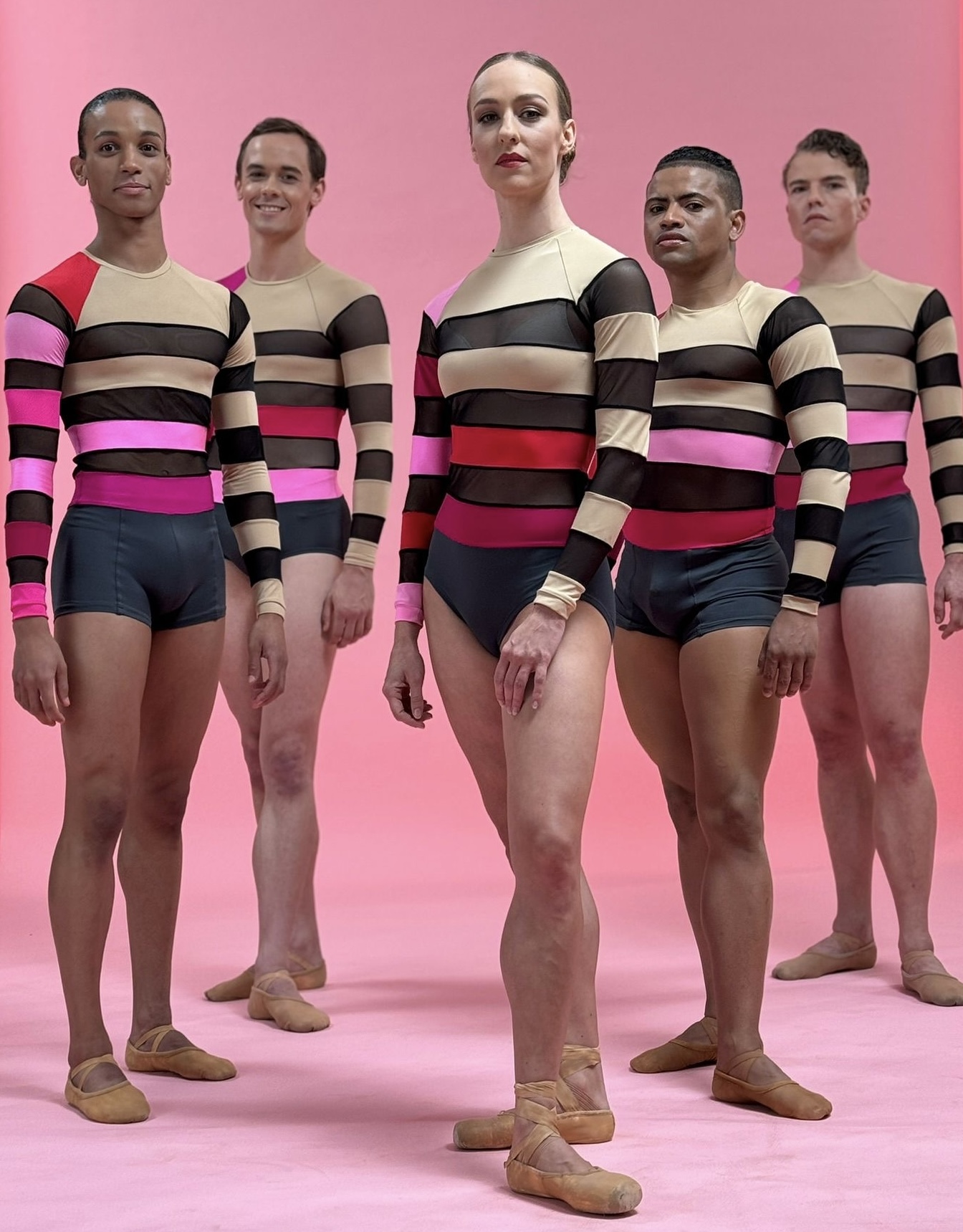
When great minds think alike, magic happens, as the recently formed Cape Ballet Africa has proved from day one. Founder and artistic director Debbie Turner dreams big, aims high, and glides with the grace of a pas marché towards her creative goals. Collaboration and innovation are central to her success. She surrounds herself with ballet, dance and theatre luminaries, travels widely for inspiration, and channels her passion into nurturing talent for local and international stages.
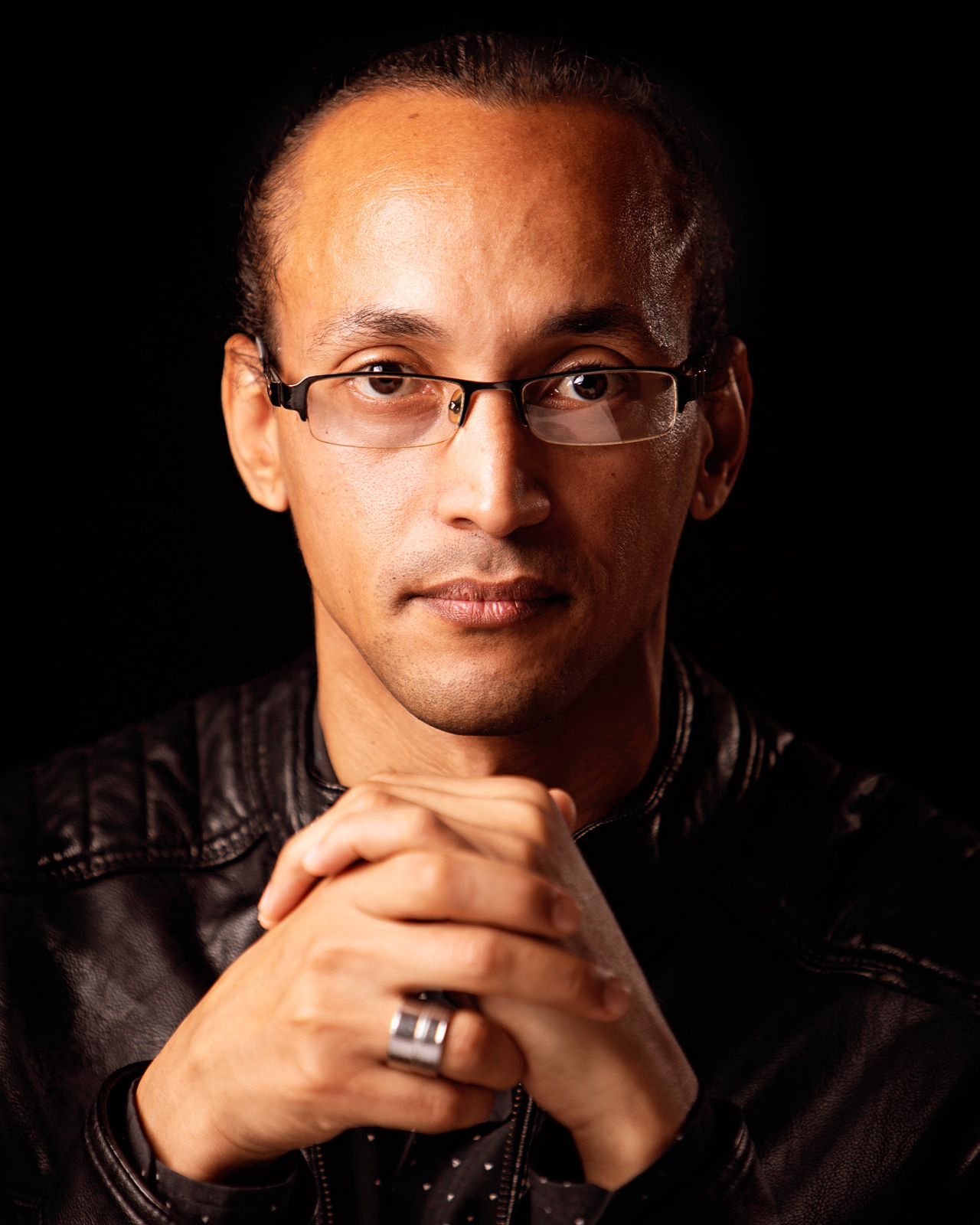
 

Cape Ballet Africa’s resident composer

A stimulating choreography needs an equally compelling musical score, especially when building and retaining an audience. This is where South African Peter Johnson comes in, Cape Ballet Africa’s resident composer. He is tasked with creating the sequel to an earlier work produced with multi-award-winning South African choreographer Mthuthuzeli November for Cape Dance Company (CDC). Both Peter and Mthuthuzeli previously worked with CDC, Debbie’s former company, and are graduates of its feeder school, Cape Academy of Performing Arts (CAPA). 

Over its 36-year history, CAPA coached artists who have gone on to illustrious careers, earning local and international accolades. Among them, Mthuthuzeli won the prestigious Olivier Award for Best New Dance Choreography for Ingoma, commissioned by Ballet Black in London; South African Londiwe Khoza was awarded the 2016-2018 Rolex International Mentee for Dance under the mentorship of Israeli dance and choreographer Ohad Naharin;  and Namibia-born Alice Godfrey spent eight years with Dutch contemporary dance company Nederlands Dans Theater.

When presenting her vision for the new company to Peter, Debbie described seeing ‘colours’ and knew precisely what she wanted to achieve. Peter says, “We started talking about the theme, musically, and what that would mean for me. And I wondered about the company’s name. When she told me she’d called it Cape Ballet Africa, I thought, well, we’ve already got three musical notes there – C, B, and A. That set the tone for the company’s sound.”

While Debbie develops her vision in technicolour, Peter works with soundscapes, drawing on nature to add depth to his compositions. “I made another piece with Mthuthuzeli called Sun. I found a recording that NASA made of the actual sun, a deep rumbling sound that I laid in the music. People said they could feel something with that music, which was true. The sun was on the track. To make a piece unique to whatever project I’m working on, I like to think out of the box,” he says.
A self-taught composer and tap dance teacher, Peter studied piano at the University of Cape Town under Dr Franklin Larey and holds a diploma in musical theatre and dance-related studies from CAPA. Skilled in digital music recording and production, he works as a freelance artist. His first commissioned work was for the Baxter Dance Festival in Cape Town in 2011, and his first collaboration with Mthuthuzeli, Visceral, followed in 2016. Peter’s dance training gives him insight into how dancers and choreographers might approach movement, giving him an advantage in composition. 

He says, “Mthuthuzeli and I have always worked electronically. Initially, we used WhatsApp. He would record some movement ideas and send them to me. I would write to the clip and send it back to him with the music attached.”

As Peter’s interpretation influenced Mthuthuzeli’s choreography, their process became an iterative exchange, “like playing tennis, creatively,” he says. “That’s always been the coolest part for me. And it leaves room for refinement.”

The sound of dance, movement and imagery

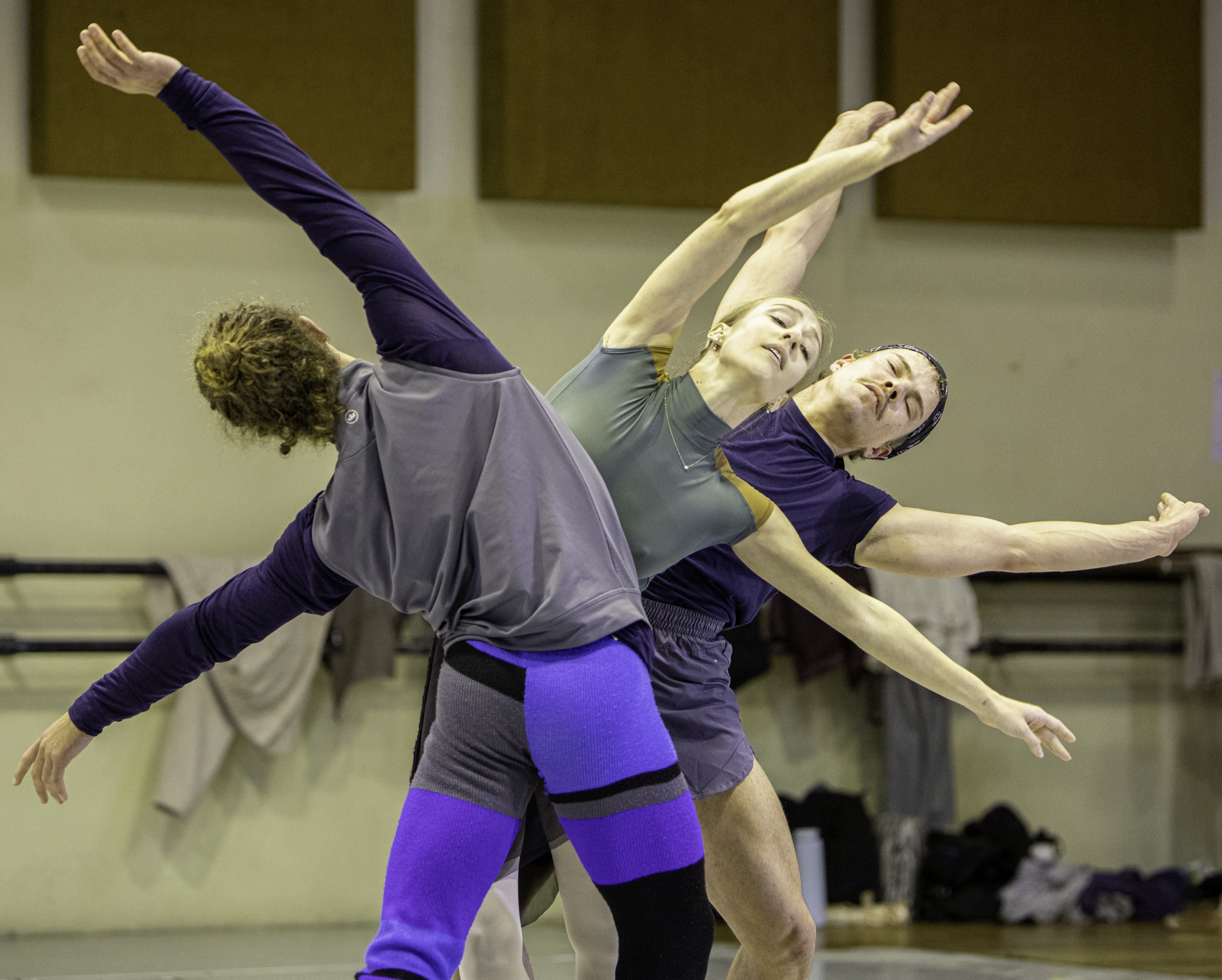
Mthuthuzeli’s Chapter Two, created for Cape Ballet Africa’s inaugural season in 2024, unfolds as a modern, percussive composition. Its rhythmic body isolations and lightning-fast movement vocabulary echo his earlier work, Visceral. 

A return to familiar ground, Chapter Two reflects on the past while reinterpreting it through Mthuthuzeli’s evolving artistic lens, revealing the emergence of his distinct African classical voice.

The choreographer’s inspiration is often visual rather than musical – drawn from dance, movement or imagery. In the case of Ingoma, a series of paintings served as his muse. Peter, in turn, imagined what the colour palette might sound like and composed accordingly using his keyboard, piano and computer – what he calls the “heart of the operation.”

Beyond his training, Peter sees himself as an ethereal sum of his parts – a feeling. “My power lies in the sense that I bring others through my music. Some feelings are stronger than others, but people tell me they can hear music when they look at me. It’s weird, you know.”
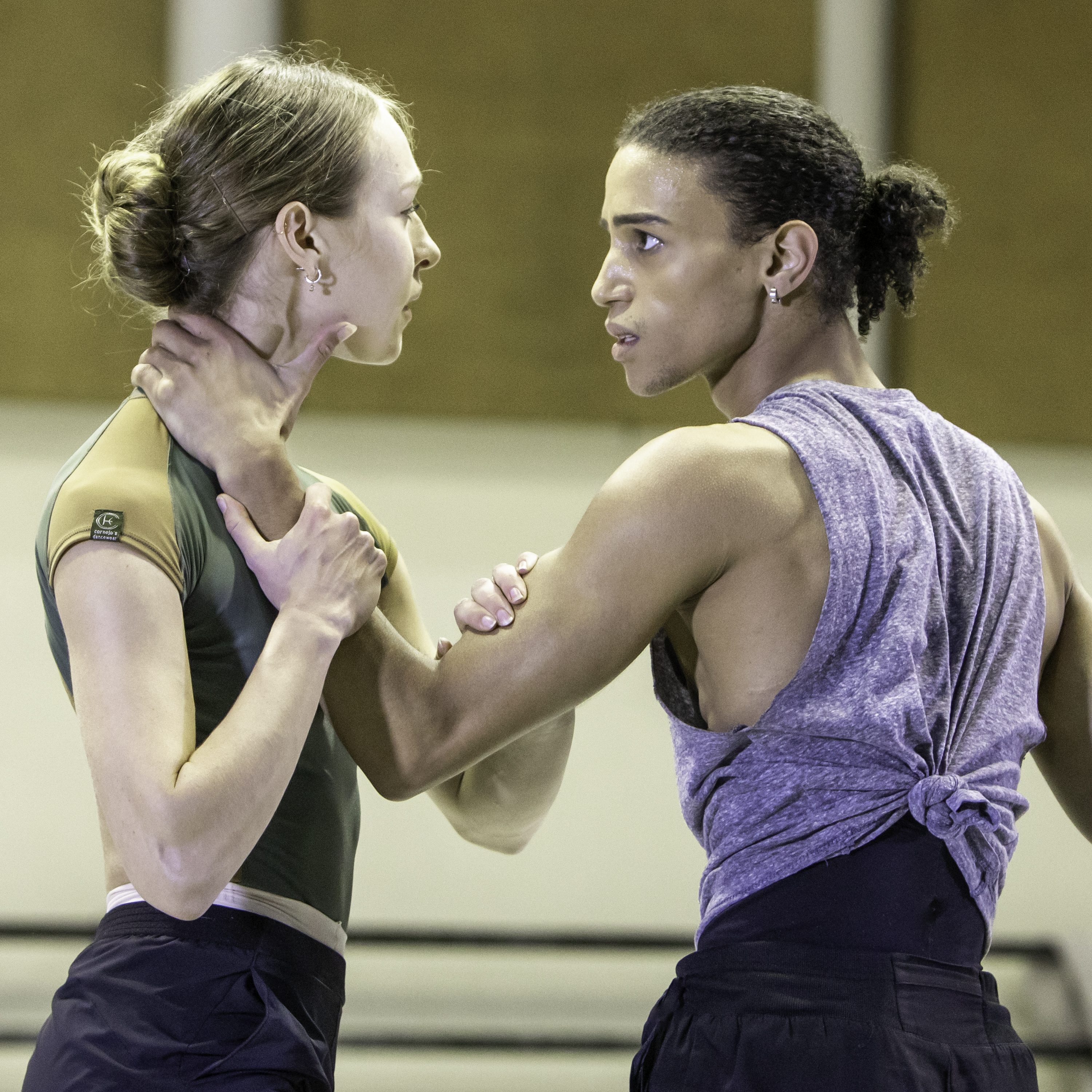


Behind the scenes, the creative process between this choreographer and composer is highly collaborative and ever-evolving. Once Peter provides a foundational score, refinements continue throughout rehearsals. As Mthuthuzeli adjusts the movement, he occasionally requests extensions or modifications to better align with the evolving choreography. Peter responds by making subtle adjustments while preserving the music’s essence, ensuring it still resonates emotionally. 

Over time, both artists have pushed boundaries and refined their craft. Though the choreography has evolved from Visceral (essentially Chapter One) to Chapter Two, the music remains rooted in its original emotional depth, with selective enhancements. Their creative dialogue is instinctive, with feedback shaping the final result.
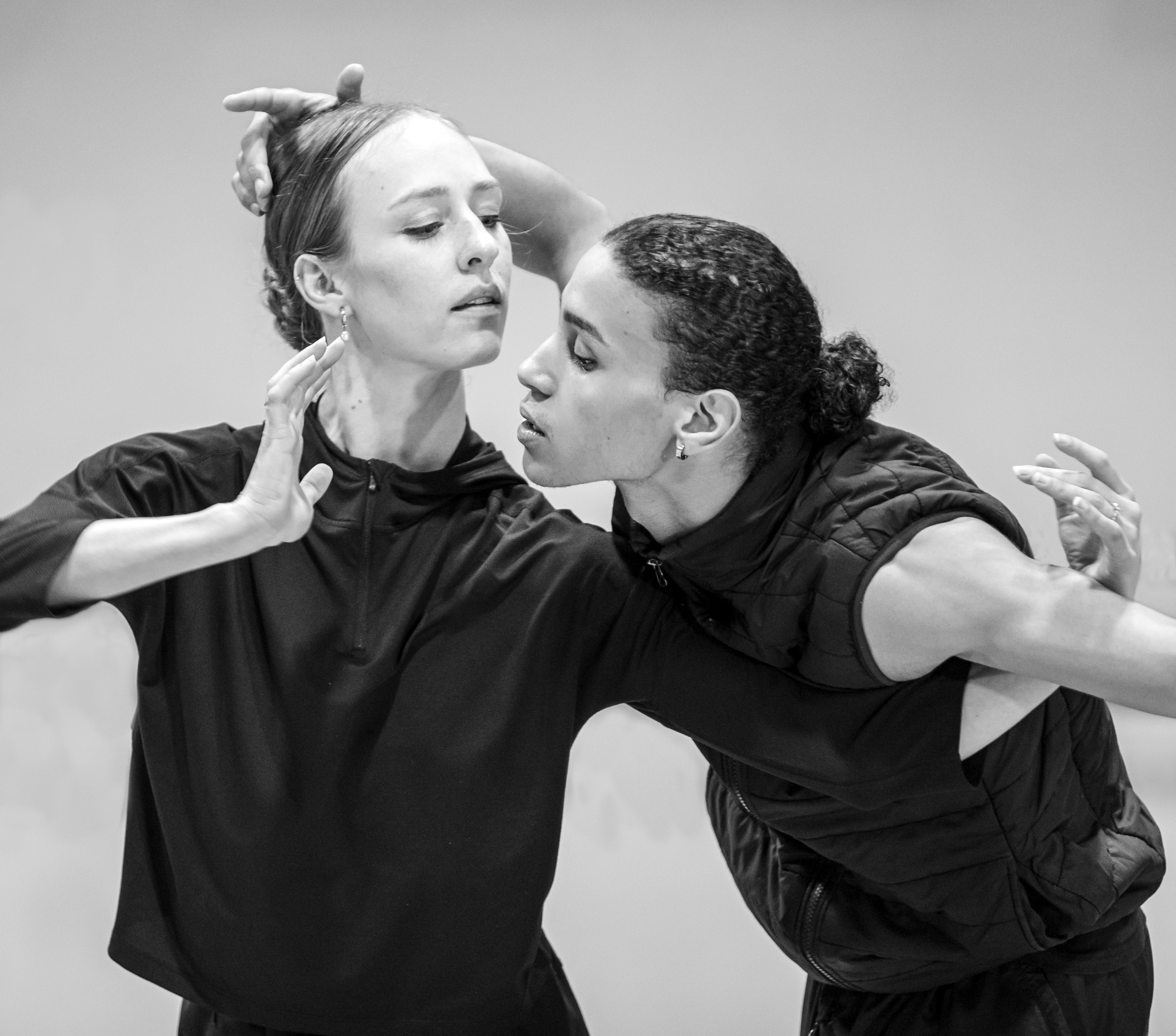
 

Breathwords runs from 25 to 27 March 2025

  • Breathwords, a triple bill marking Cape Ballet Africa’s debut at the Artscape Opera House in Cape Town, runs from 25 to 27 March 2025. Celebrating the company’s first anniversary, the programme features two internationally curated choreographies alongside Kirsten Isenberg’s Reverie, an ethereal masterpiece set to Rachmaninoff’s Piano Concerto No. 2. The Cape Town Philharmonic Orchestra will accompany the opening night performance.
Carnival in Guinea-Bissau

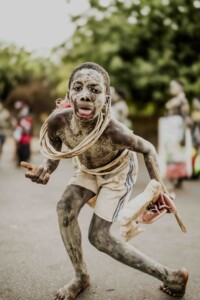
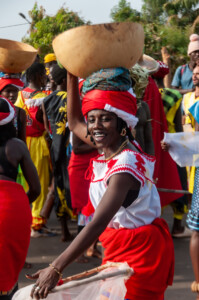
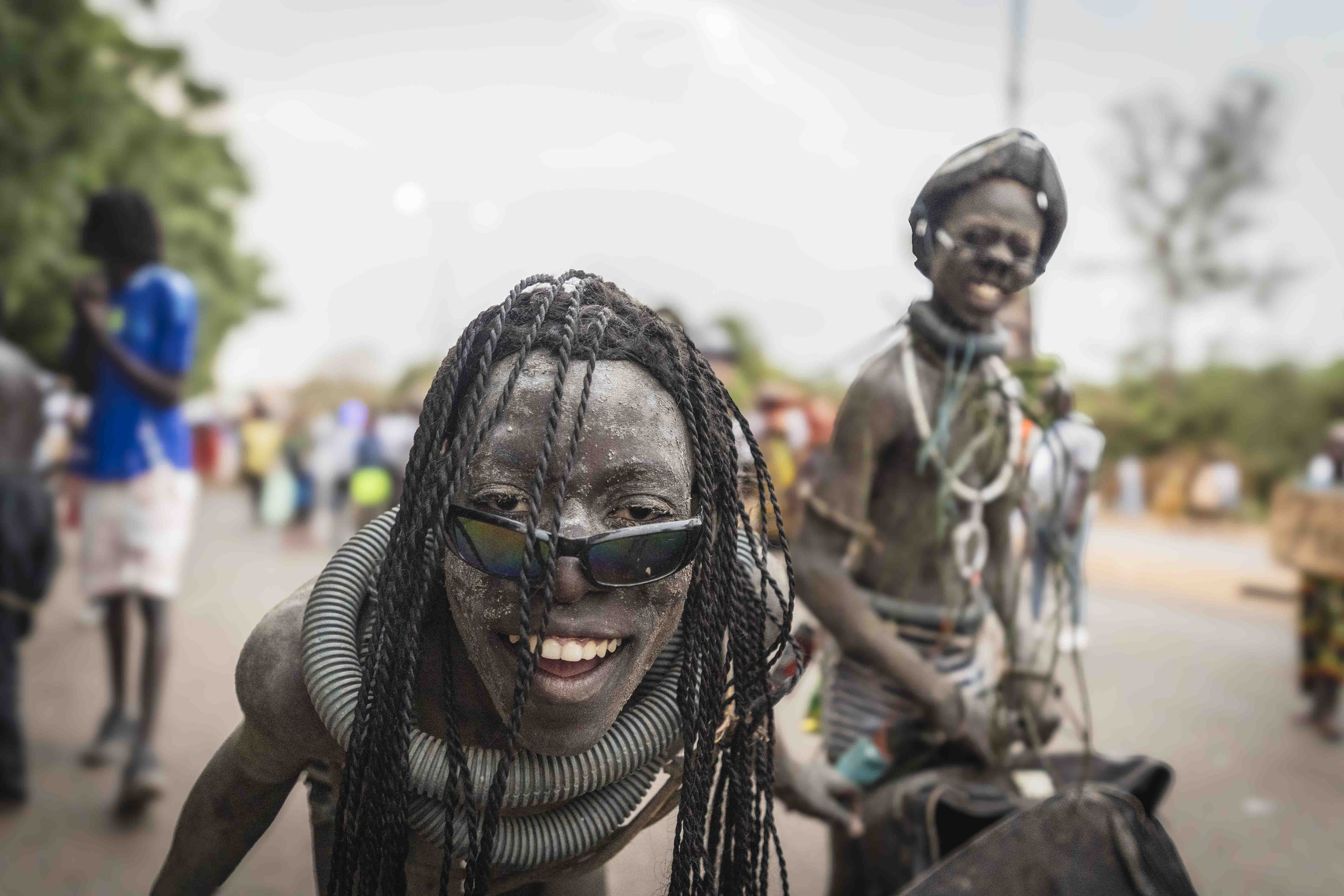
Bathing its shores with the bluest waters of the Atlantic Ocean lies a small nation on the coast of West Africa known as Guinea-Bissau, and surrounded by voices in both Wolof and Pular. Each year, as the dry season reaches its zenith, this vibrant land bursts into a symphony of colours, rhythms, and traditions during its annual carnival – a three-day event from 2 to 4 March 2025.

A mosaic of cultures

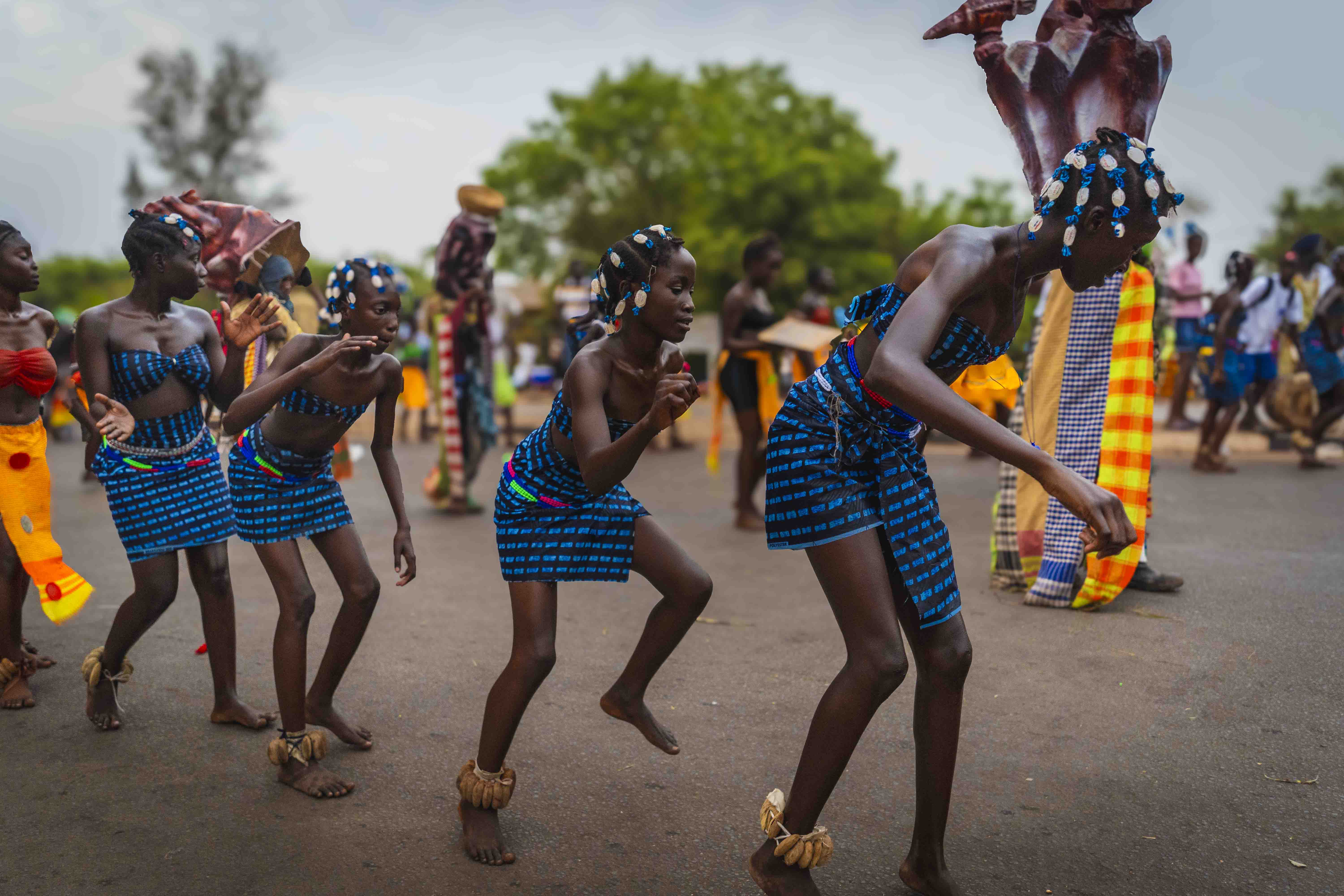
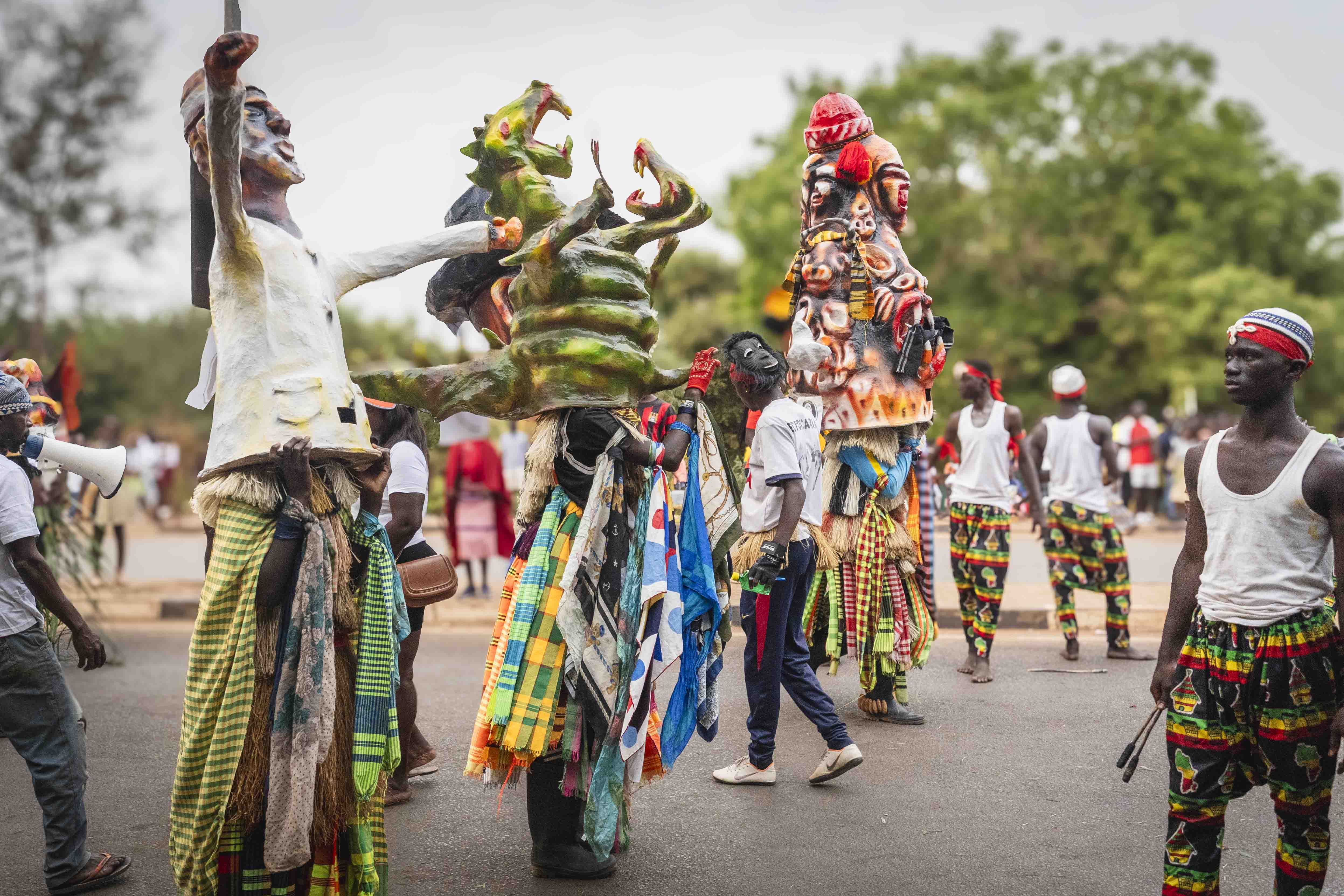
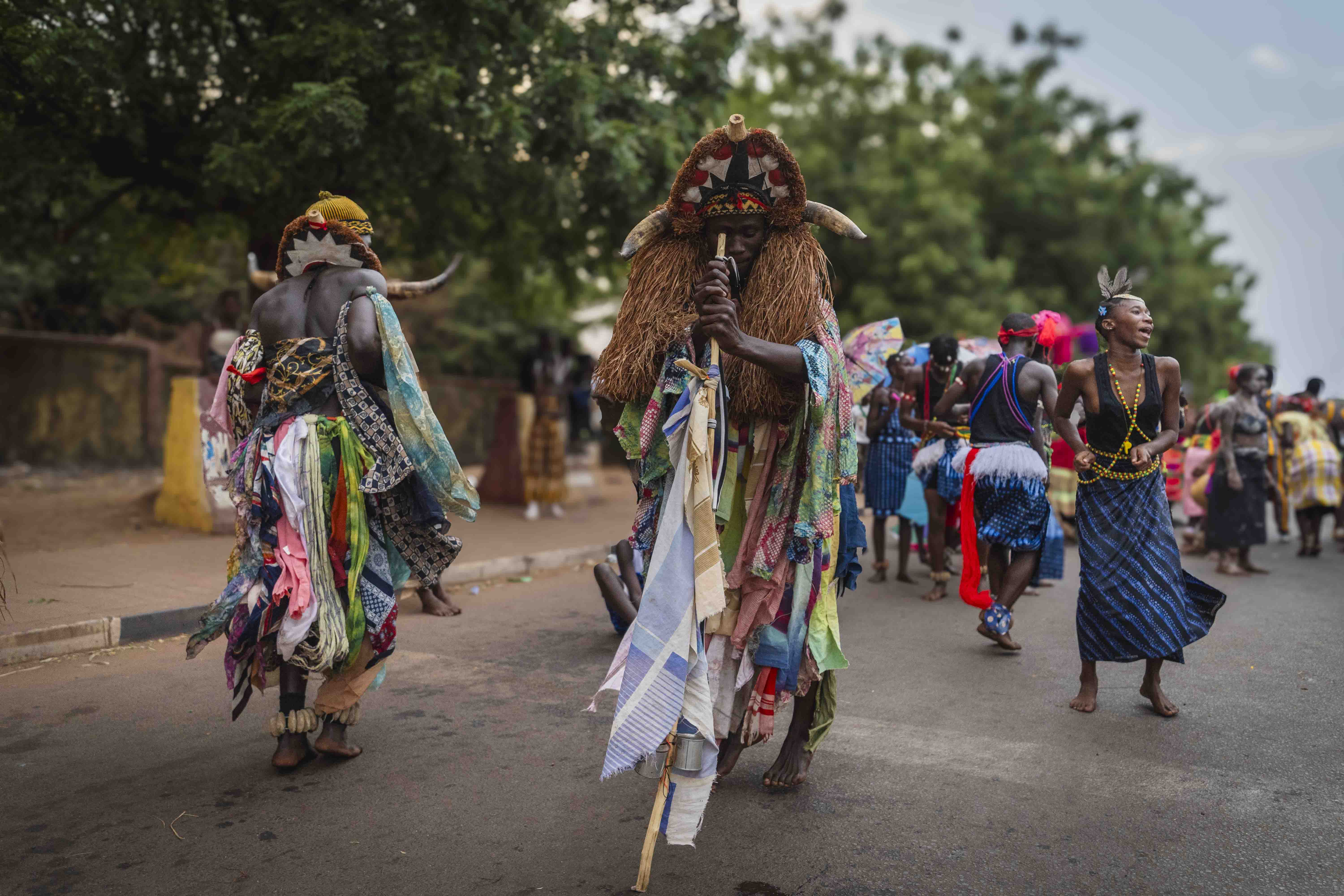
Guinea-Bissau’s carnival is a living testament to the nation’s rich culture. The festivities bring together various ethnic groups, each contributing their unique customs and traditions to the celebration. From the coastal Bijagós (an ethnic group indigenous to the Bijagós Archipelago – around 88 islands off the coast), to the inland Pepels and Fulas, the streets of Bissau transform into a living museum of cultural expression. Participants go above and beyond, handcrafting elaborate costumes and masks many months in advance, showing the intricate artistry inherent in each community.


The essence of the celebration

Unlike the grandiose floats of Rio or the masked balls of Venice, Guinea-Bissau’s carnival is deeply rooted in ancestral traditions and the natural world. Masks play a pivotal role, often representing spirits, animals or mythical beings. One iconic figure is the Kankouran, a traditional Mandinka character believed to chase away evil spirits, especially during initiation ceremonies. Draped in vibrant red attire, the Kankouran dances through the streets, embodying both protector and enforcer, ensuring that cultural norms are upheld.


Dance and music: the carnival’s heartbeat 

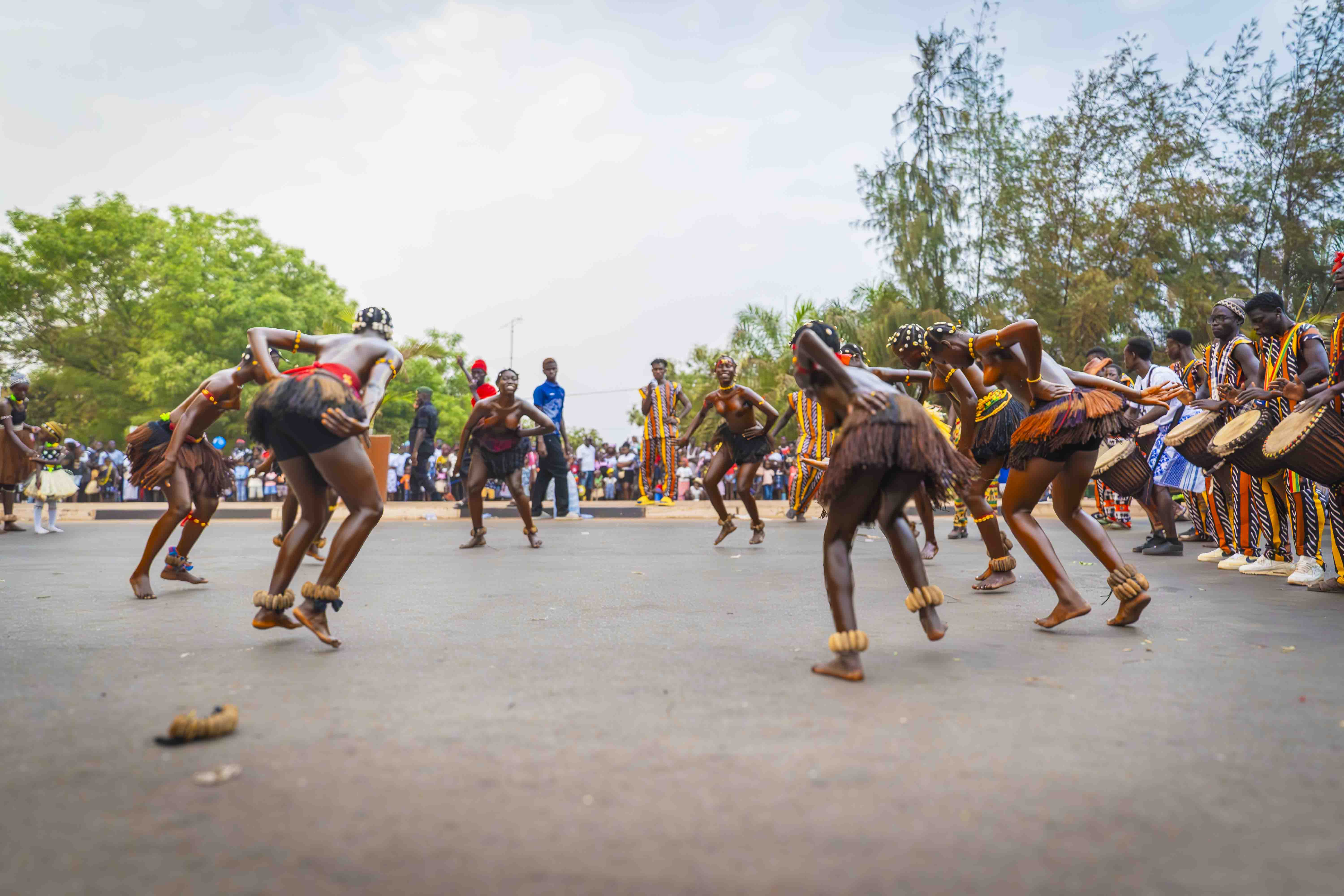
At the core of the festivities lies dance and music, a pulsating heartbeat that unites all participants. Traditional instruments, such as drums and balafons, set the rhythm for dancers who move with a grace passed down through generations. Each performance tells a story, from tales of harvest celebrations to rites of passage. The Bijagós people, for instance, perform dances that mimic the movements of animals, paying homage to their deep connection with nature.


Preparation: a labour of love

The dedication to the carnival is evident in the months-long preparations. Communities gather to craft masks and costumes, often using materials sourced from their immediate environment. This practice not only highlights their resourcefulness but also commitment to preserving the environment. The process becomes a communal activity, strengthening bonds and ensuring that traditions are passed on to younger generations.

Unity in diversity

While each ethnic group brings its distinct flavour to the carnival, the overarching theme is one of unity. The festivities serve as a reminder of the strength found in diversity. As dancers from different backgrounds perform side by side, they weave a narrative of harmony and mutual respect. Spectators, both local and international, are treated to a visual and auditory feast that encapsulates the spirit of Guinea-Bissau.


The carnival’s evolution

Over the years, the carnival has evolved, incorporating contemporary elements while staying true to its roots. Modern dance troupes have emerged, blending traditional rhythms with contemporary beats, attracting younger audiences and ensuring the carnival’s relevance today. Yet, the essence remains unchanged – a celebration of life, culture and community.


Experience it yourself

For those seeking an authentic cultural immersion, Guinea-Bissau’s carnival offers an unparalleled experience. It’s an invitation to witness a nation’s soul laid bare in song, dance and artistry. As the last drumbeat fades and the final dancer exits the stage, the spirit of the carnival lingers, showing the enduring power of tradition and unbreakable bonds of community.


Reflections on the 2025 carnival

This year’s carnival was particularly special, marking a resurgence of cultural pride and unity. After years of global challenges, the streets of Bissau thrummed with renewed energy. The participation of youth groups highlighted a promising future for the preservation of traditions. The fusion of age-old customs with modern interpretations showcased the dynamic nature of the country’s cultural landscape.

As the sun sets on 4 March 2025, concluding the three-day carnival, the echoes of laughter, music and dance remained in the hearts of all who participated. Guinea-Bissau’s carnival is more than just a festival; it’s a living, breathing embodiment of a nation’s heritage, resilience and unyielding spirit. In celebrating together, the people of Guinea-Bissau reaffirm their commitment to preserving their rich cultural mosaic for generations to come.


Photos

Quintino Ramalho
Hiobaldine Adjoca Sá

Sources:

Atlas Obscura, Carnival in Guinea-Bissau represents resistance and possibility, 2022.

Aljazeera, Guinea Bissau Carnival celebrates diversity and nature, 2016.

UN Tourism, The festivities of the carnival of Guinea-Bissau, 2019.

Ceiba Bissau, Carnivals: diversity and culture.

Orango Park Hotel, Representative masks of all the country’s ethnic groups star in the Bissau carnival parades.


Hollywoodbets Cape Town Street Parade 2025

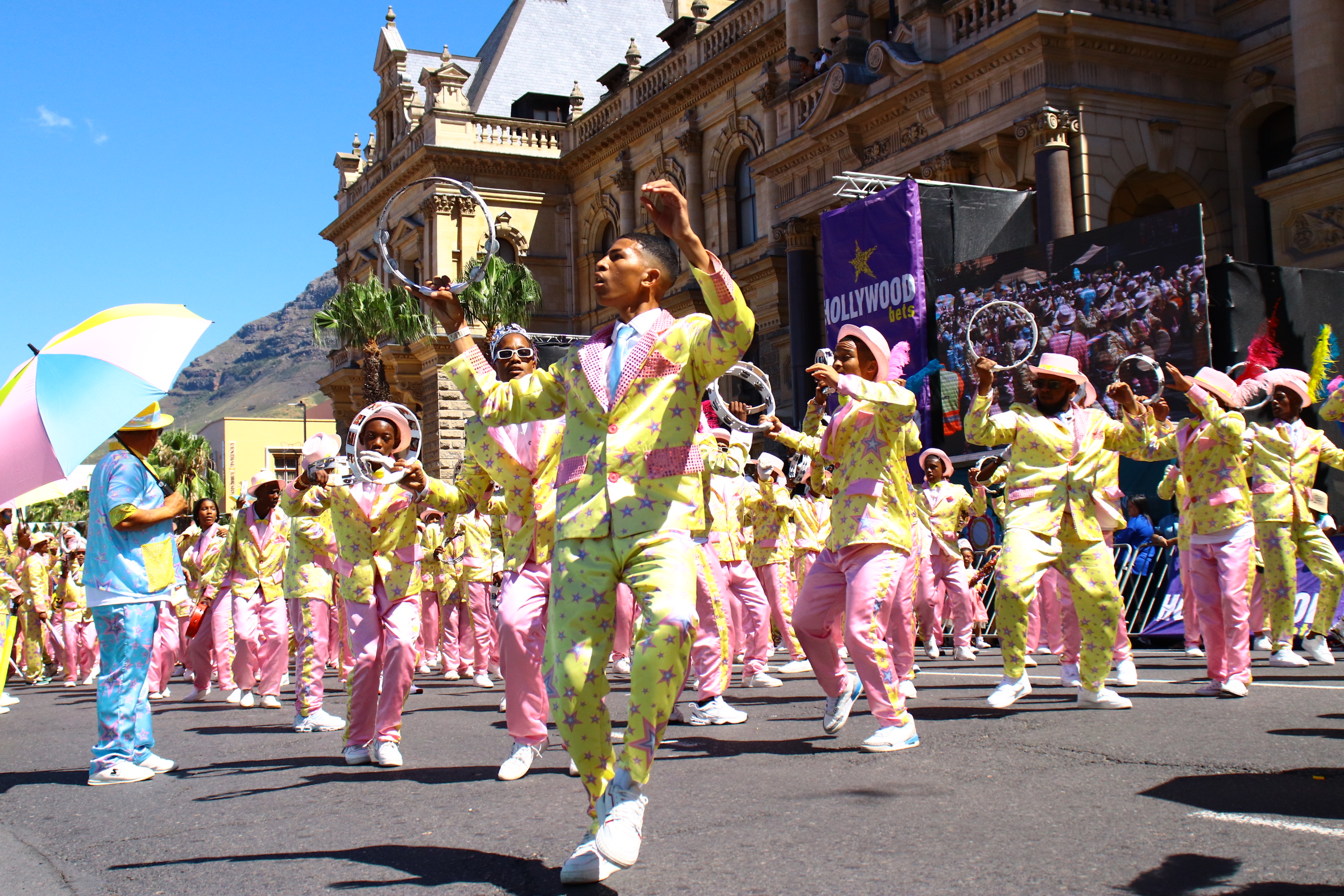
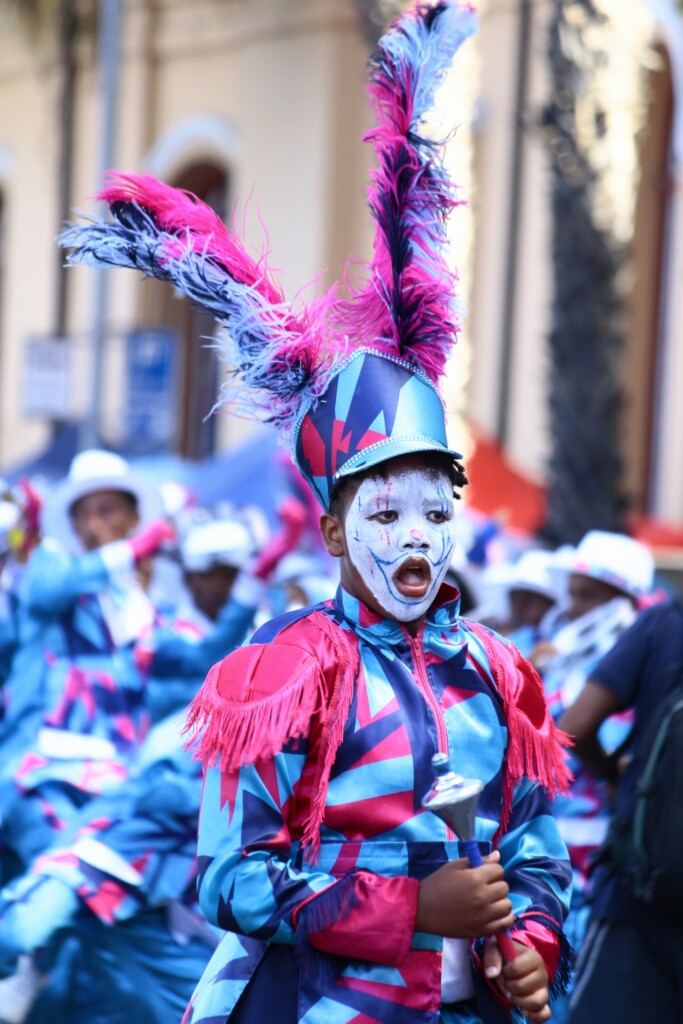
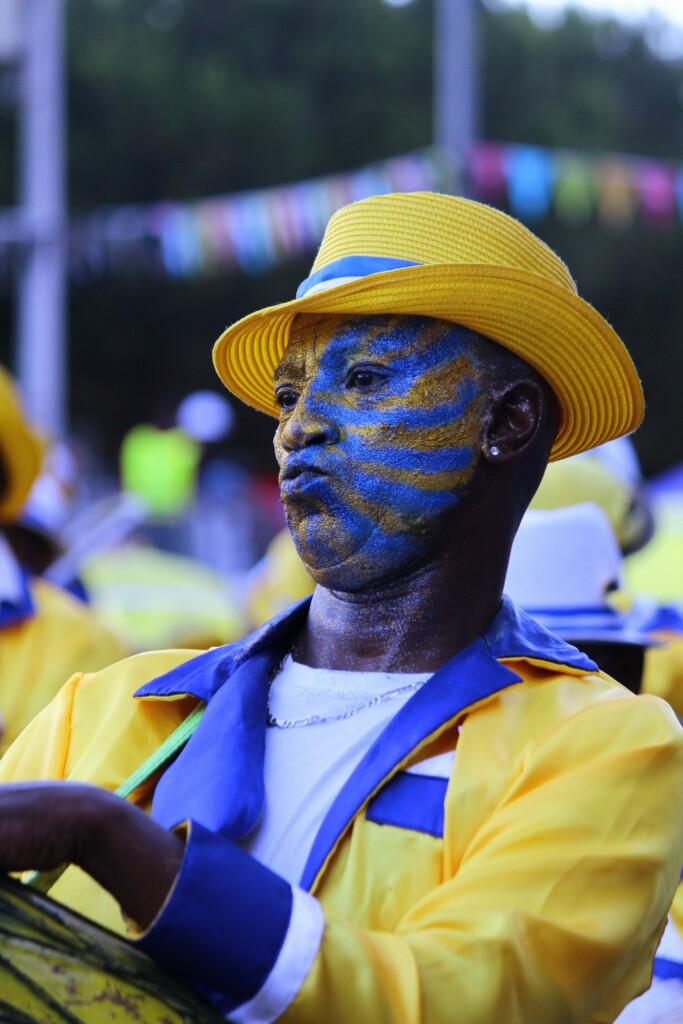
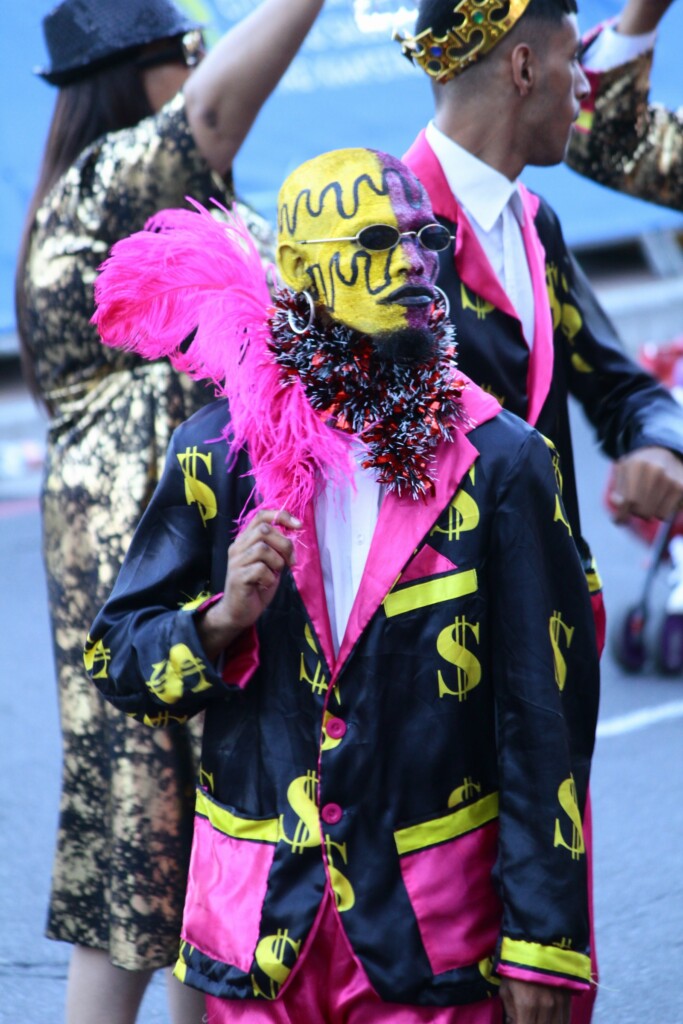
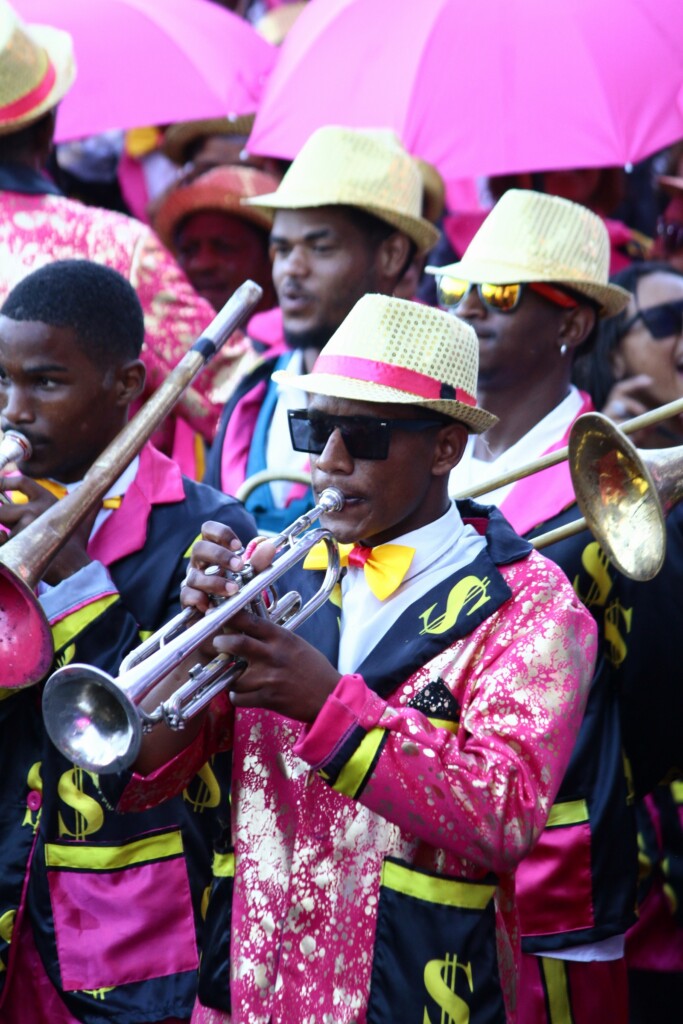
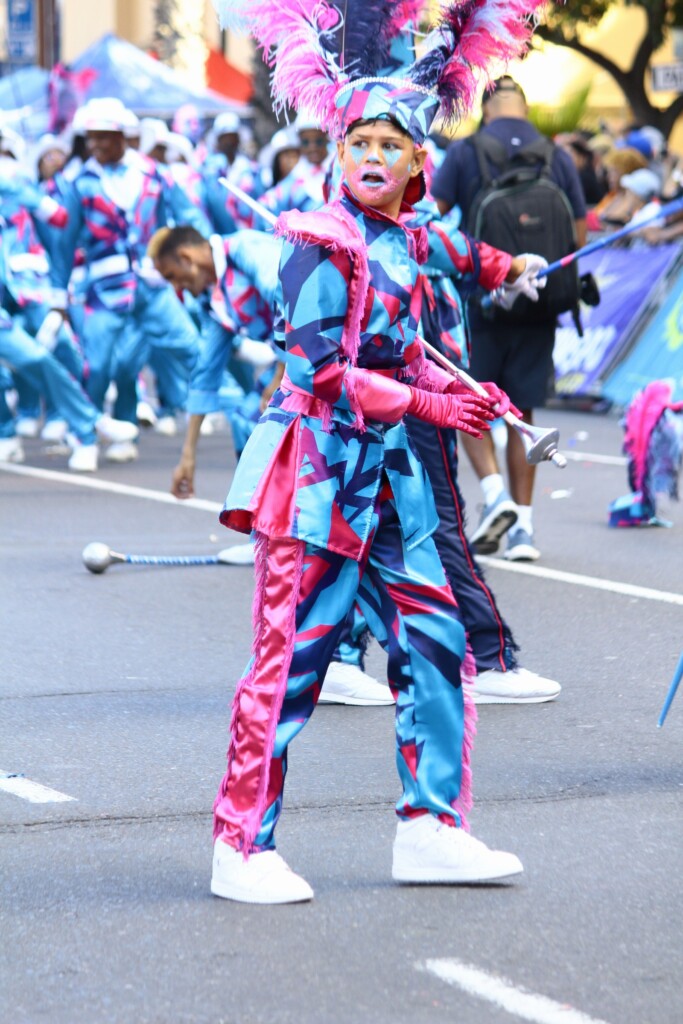
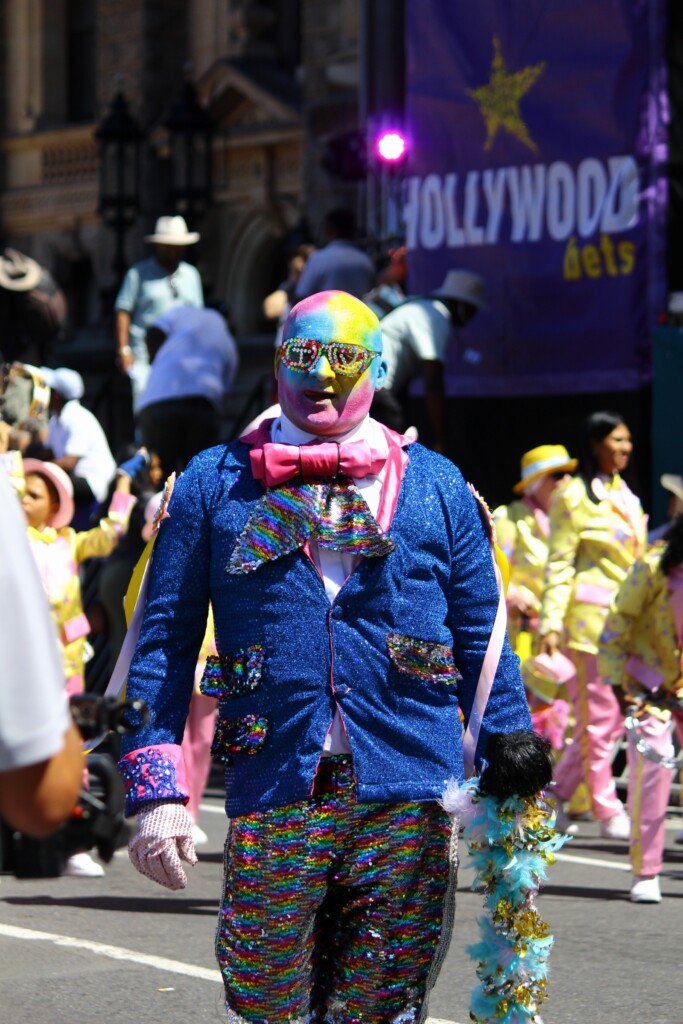
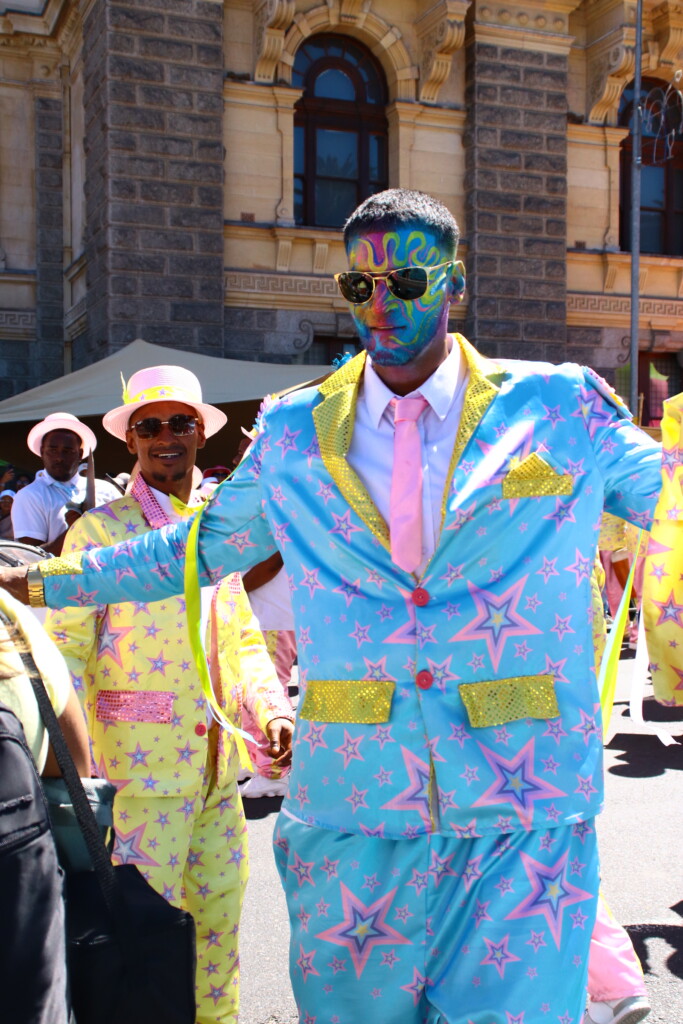
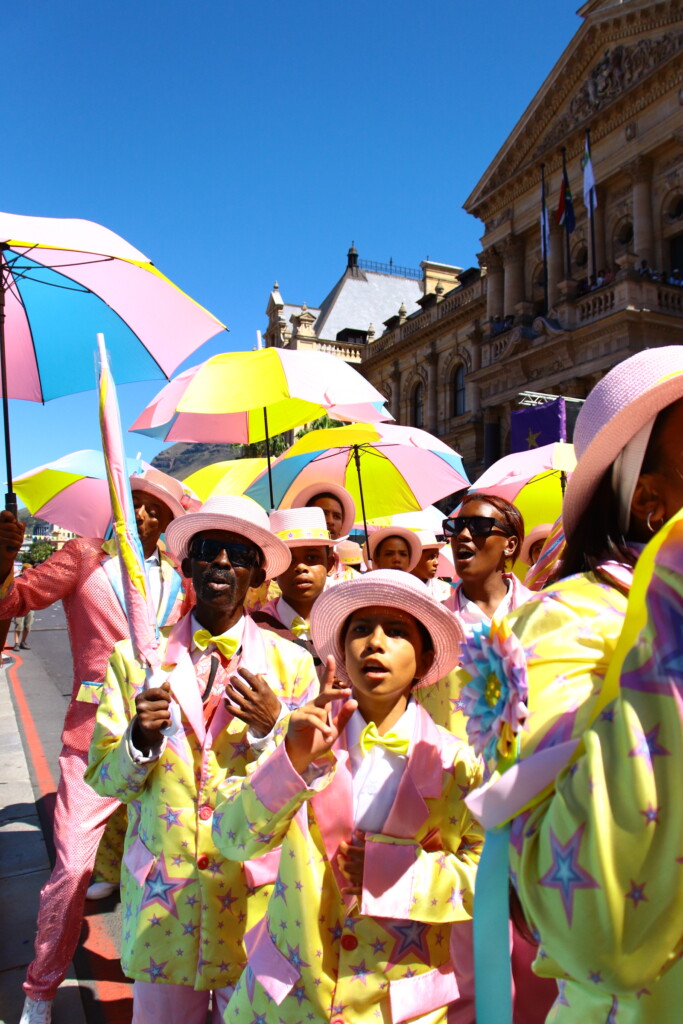
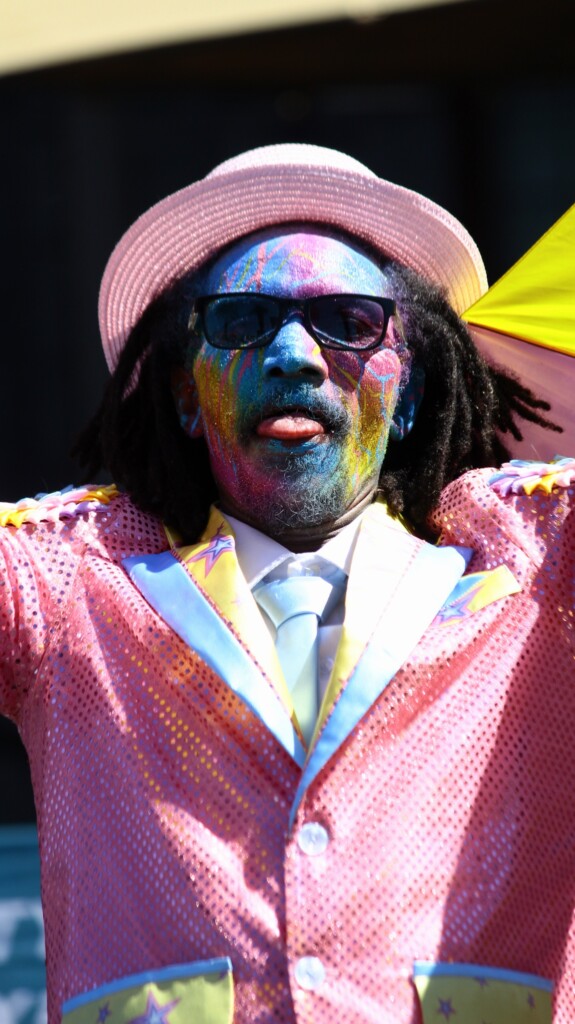
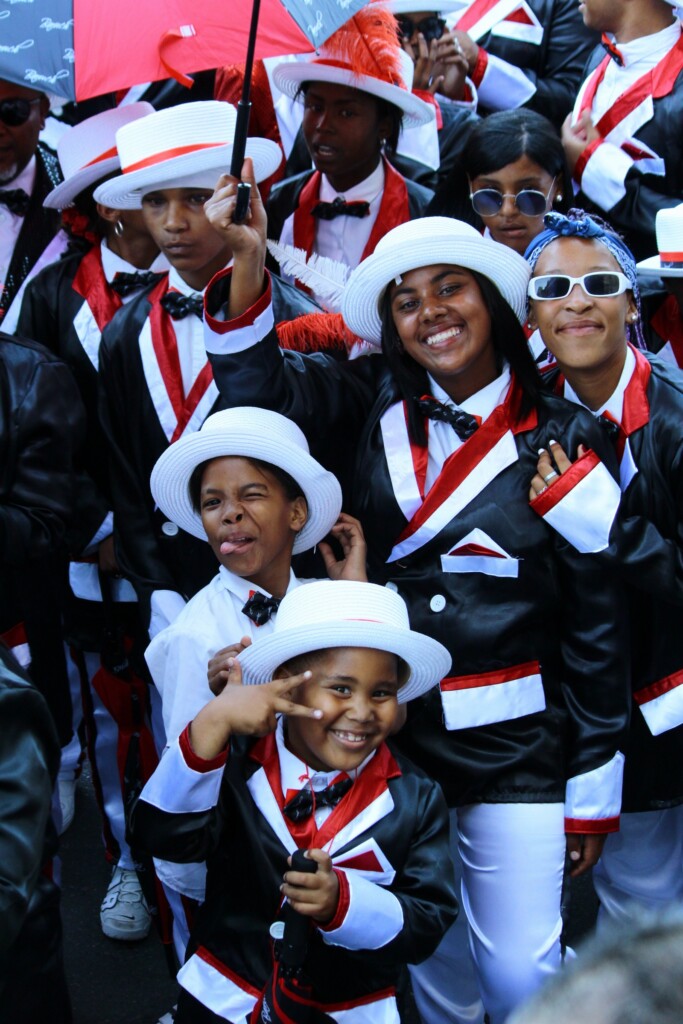
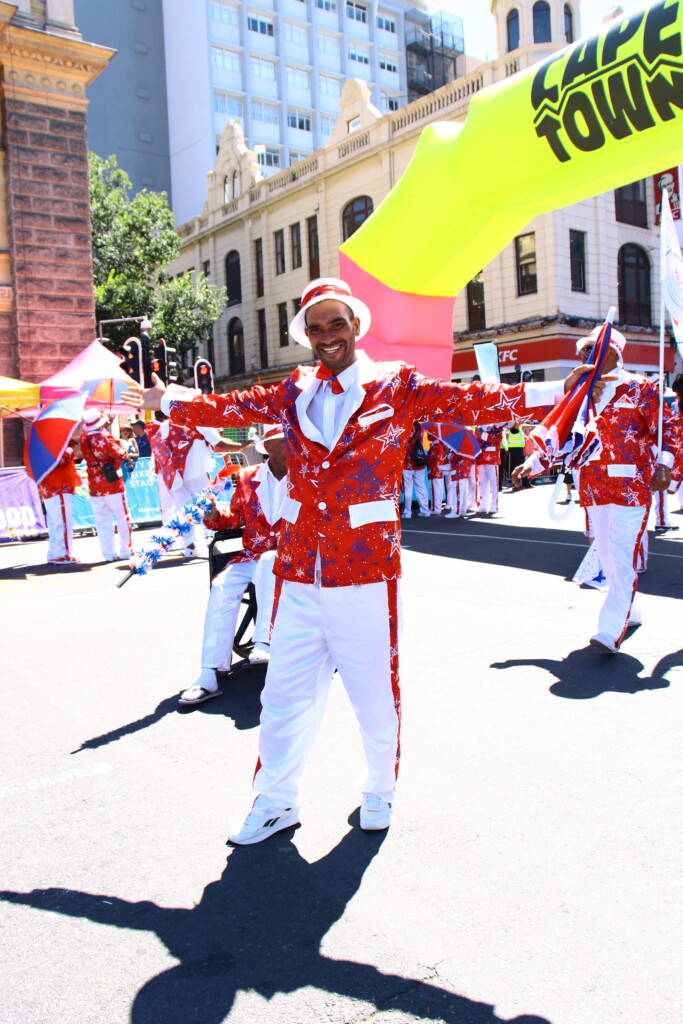
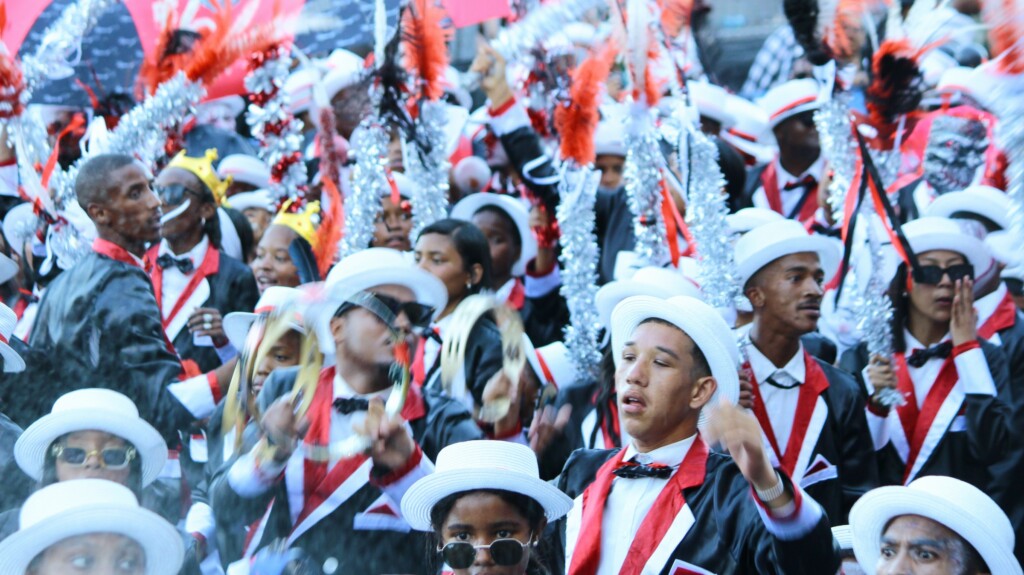
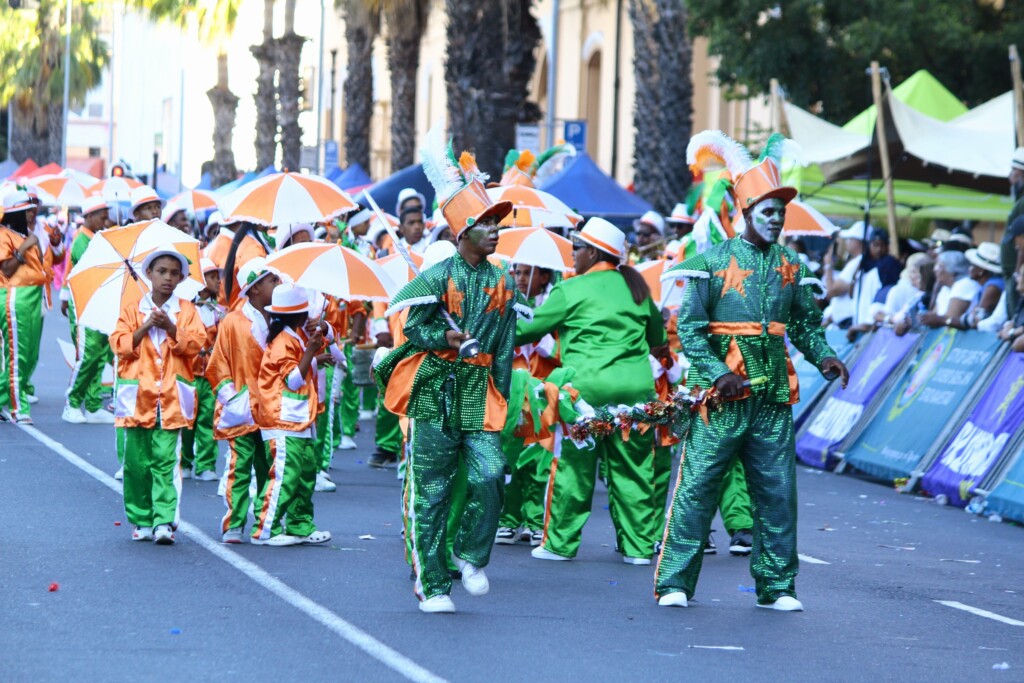
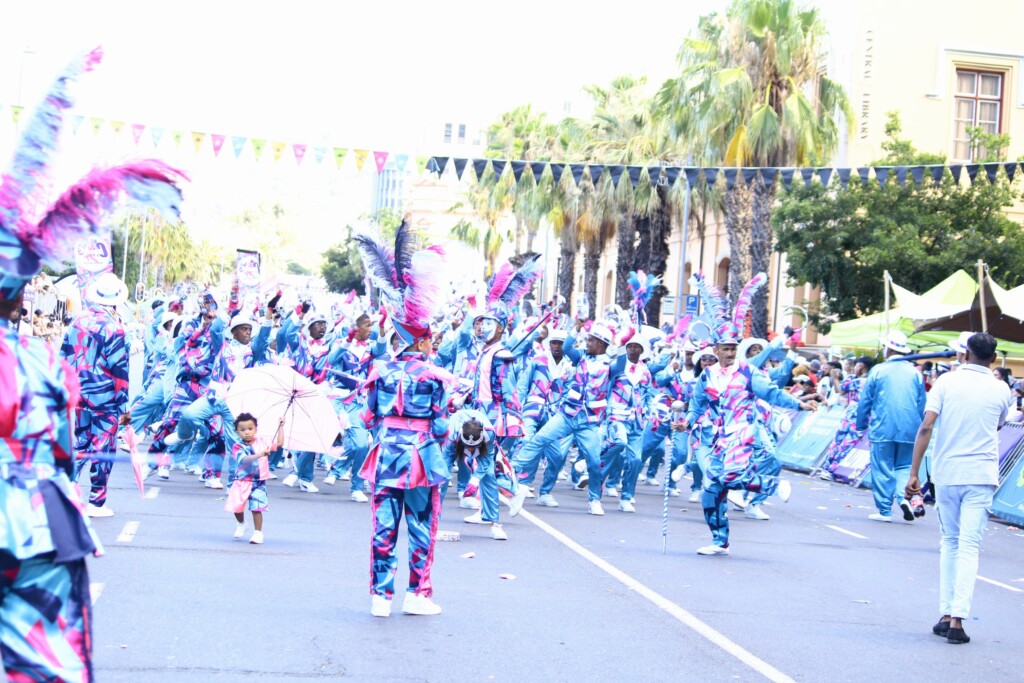
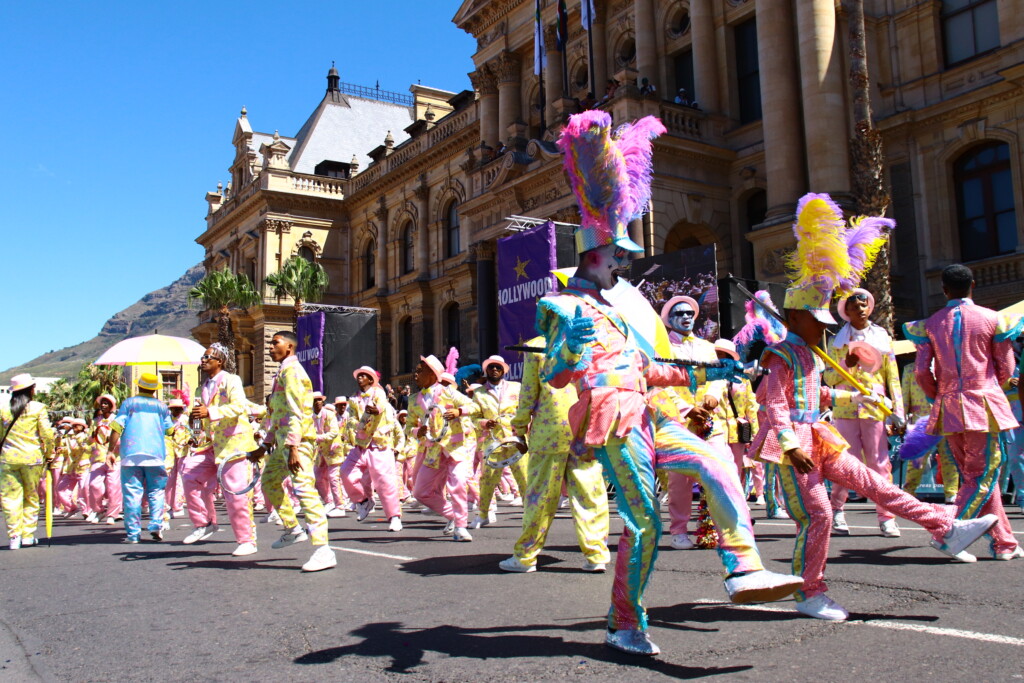
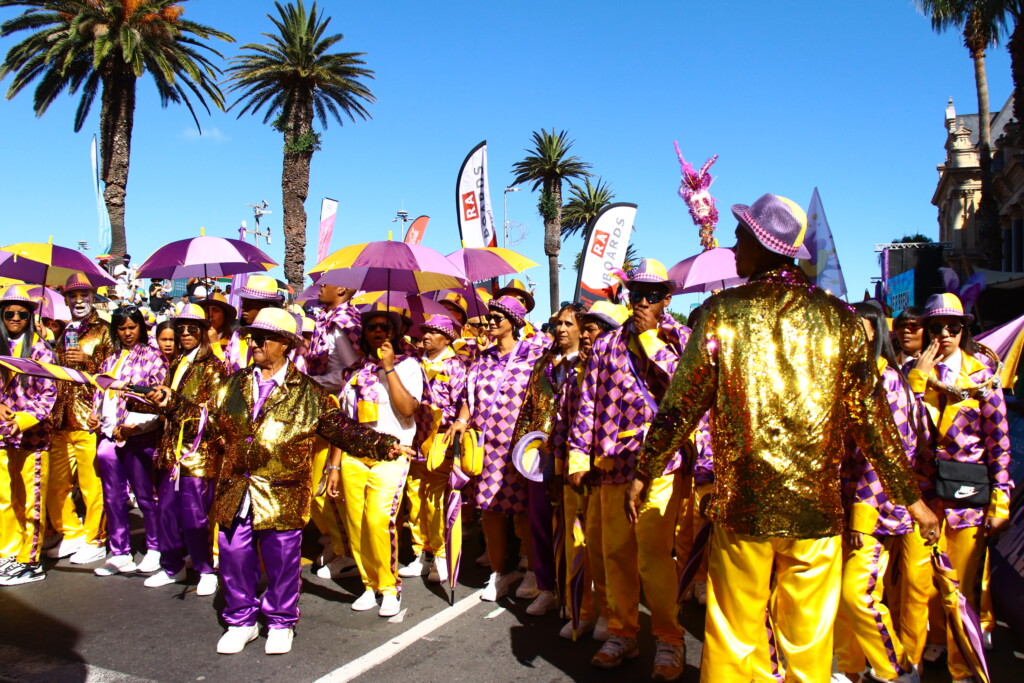
Cape Town came alive on 4 January 2025 as the Hollywoodbets Cape Town Street Parade filled the streets with vibrant music, colour, and energy. More than 75,000 people gathered to witness over 20,000 minstrels and 22 troupes weave through the city, from the historic District Six to the lively Bo-Kaap. Ghoema beats echoed through the air, sequins sparkled in the sunlight, and the spirit of the Kaapse Klopse lit up every corner.


The Purple Mile buzzed with excitement as performers dazzled in beautifully crafted costumes, and the Grand Parade, with City Hall standing proudly in the background, became a hub of music and dance. This was Cape Town in full celebration – a city honouring its heritage and uniting people through rhythm, colour, and joy.


This year was especially significant as it marked the 21st anniversary of the Kaapse Klopse Karnival Association. Every performance reflected months of hard work and creativity, highlighting the deep-rooted pride of the local communities in preserving this iconic tradition.

Cape Town once again proved why this event holds such a special place in the city’s heart – a vibrant, joyous display of unity and culture that continues to inspire.


Follow future festivities, up-to-date news and all things Klopse via their social media channels:

Image credits: Karriem Salie and Niyaaz Adhikarie

Royal Mansour Tamuda Bay

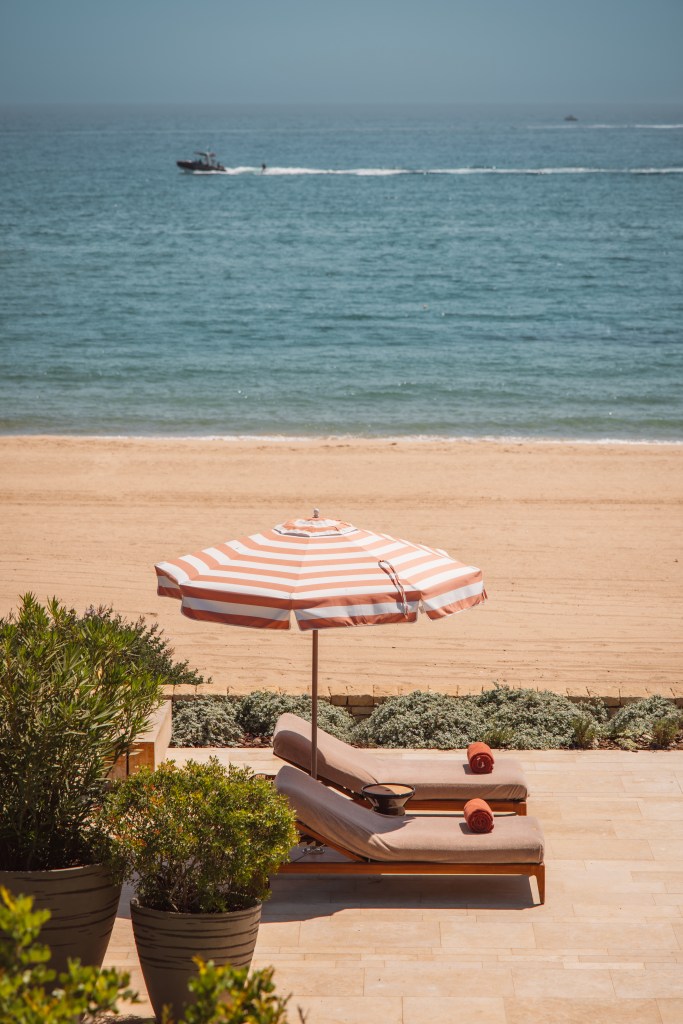
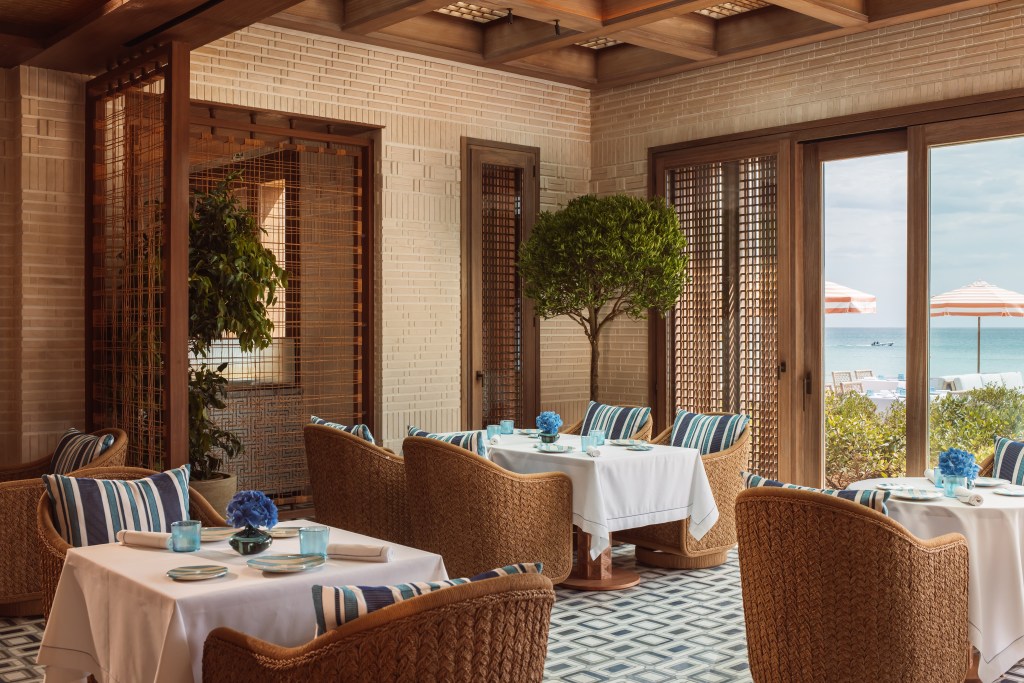
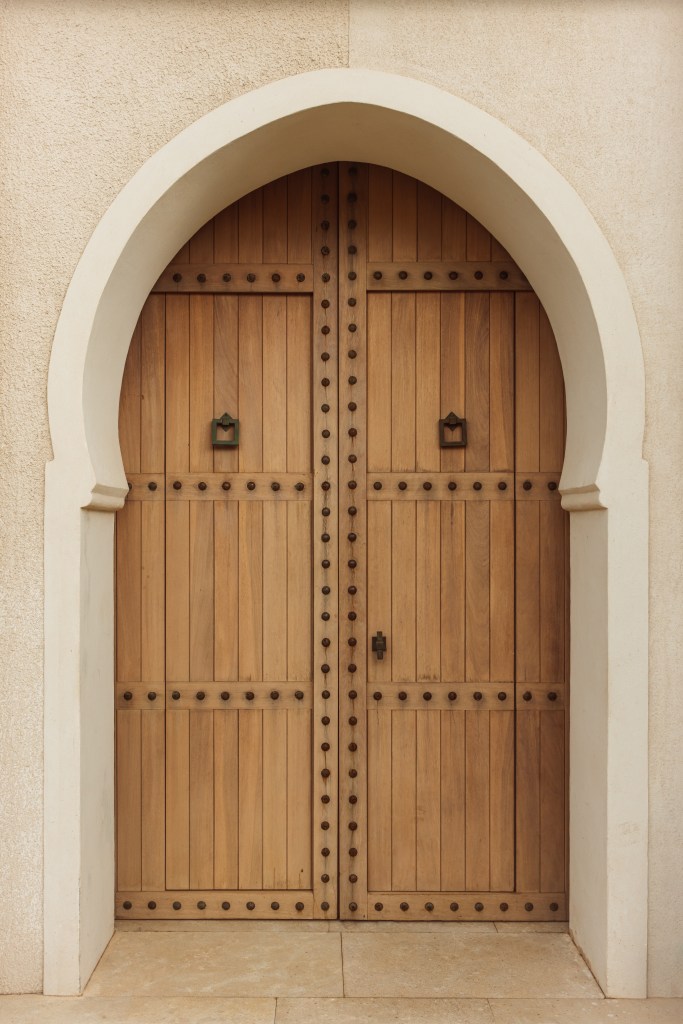
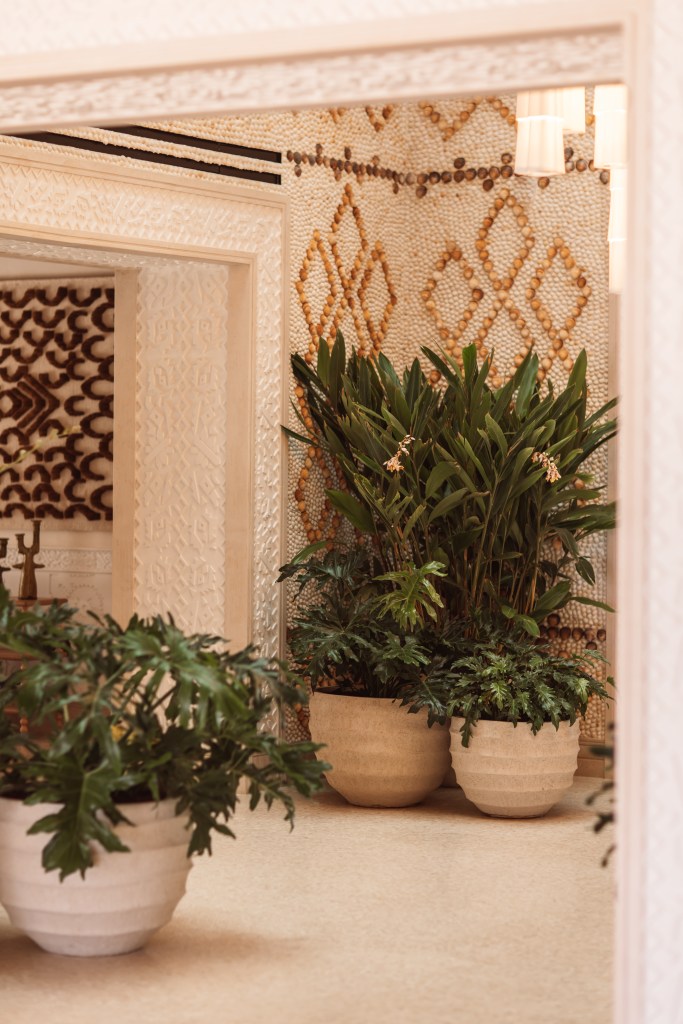
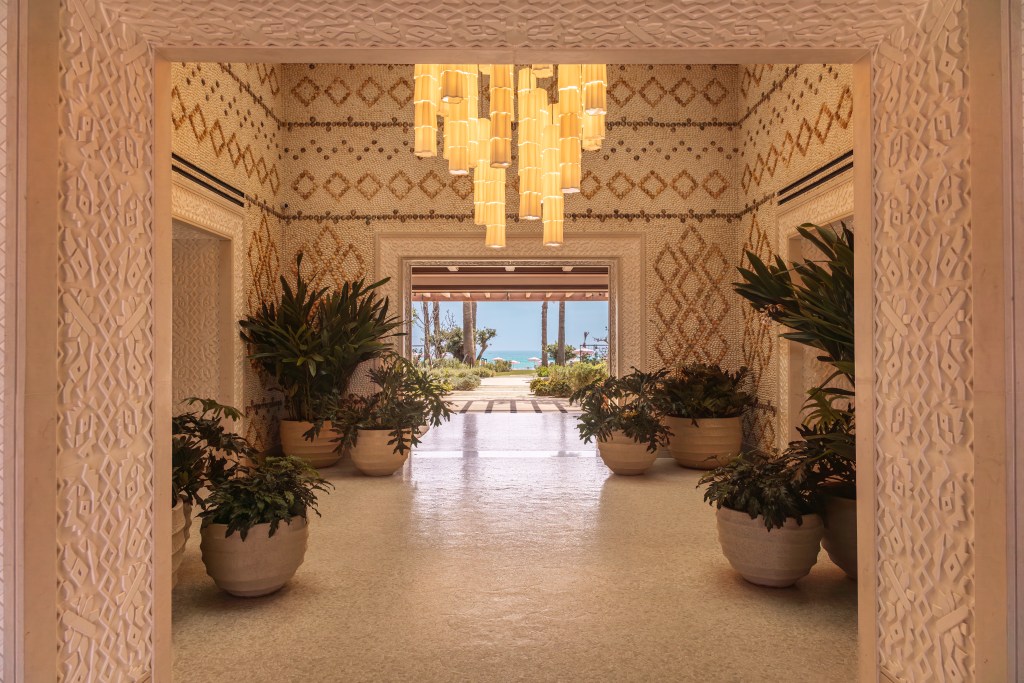
Located between Tetouan and Tangier on Morocco’s Mediterranean coast, Royal Mansour Tamuda Bay is a stunning retreat designed for those seeking serenity and sophistication. With its private beach, world-class spa, and elegant villas, this resort offers the ultimate Mediterranean experience.
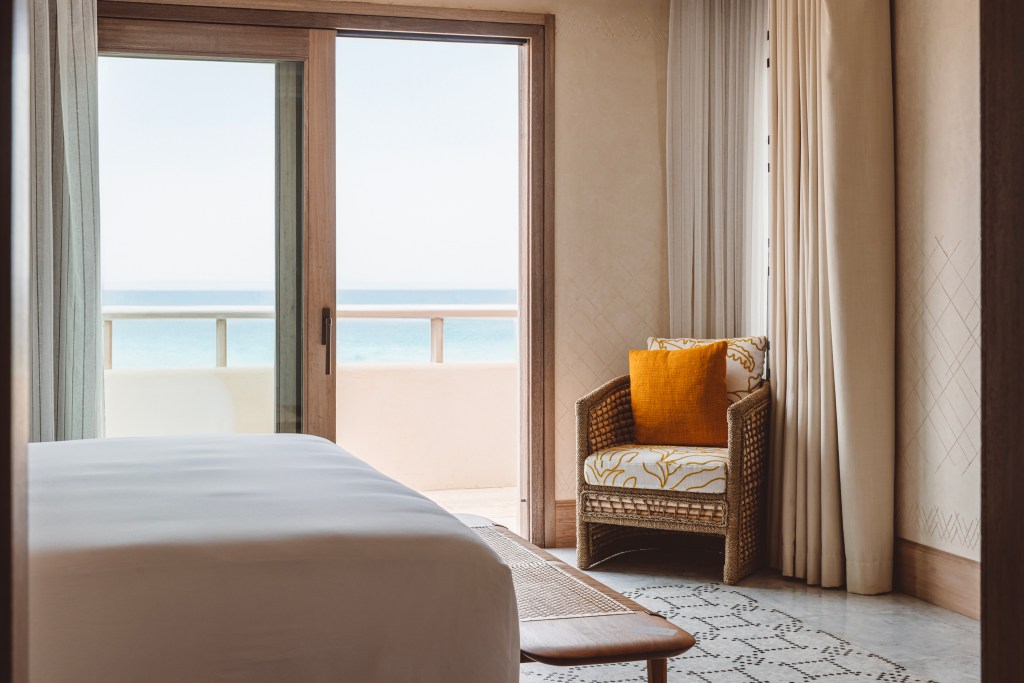


Relaxation Redefined in Tamuda Bay 

Set on a 10-hectare estate, the resort is a haven of calm where time feels suspended. The sound of gentle waves, the aroma of sea air, and the sight of lush gardens create an inviting atmosphere of relaxation. Stretching across a 700-metre private beach, guests can enjoy turquoise waters and sunlit shores, making every moment feel like a getaway from the ordinary.

For families, couples, or solo travellers, Royal Mansour Tamuda Bay offers a range of activities to recharge and reconnect. Whether lounging on the beach or strolling through fragrant gardens, this is where life’s pace slows to an enjoyable rhythm.


Elegant Accommodation with Unmatched Views

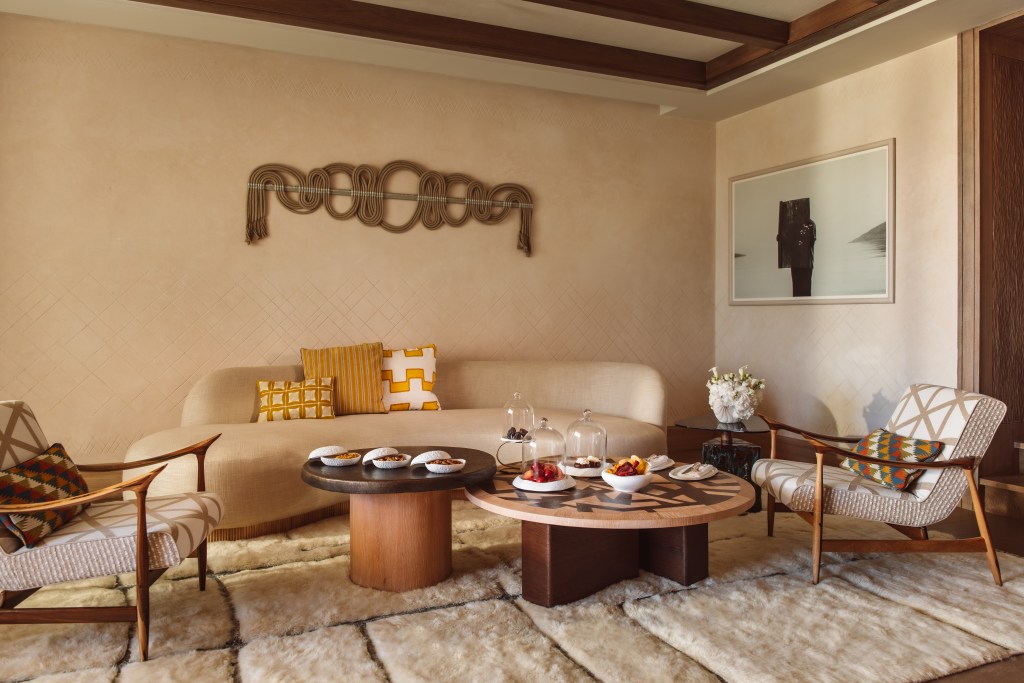
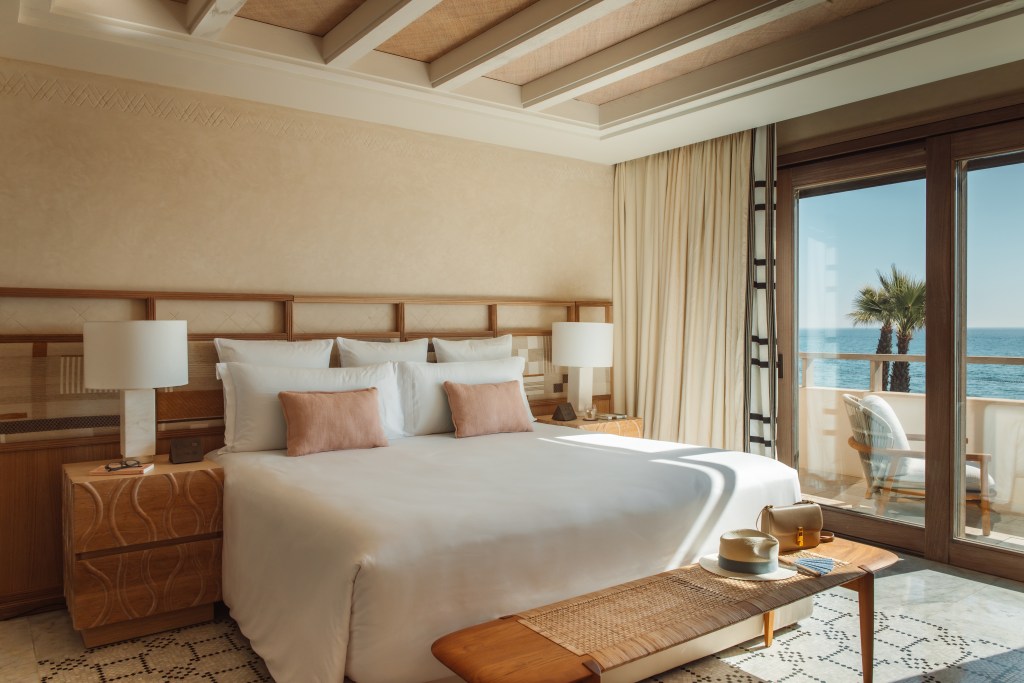
The resort features 55 luxurious villas and suites, each designed to reflect the natural beauty of its surroundings. Positioned to maximise views of either the Mediterranean shoreline or the dramatic mountains, these accommodations provide a light-filled sanctuary of comfort and style.

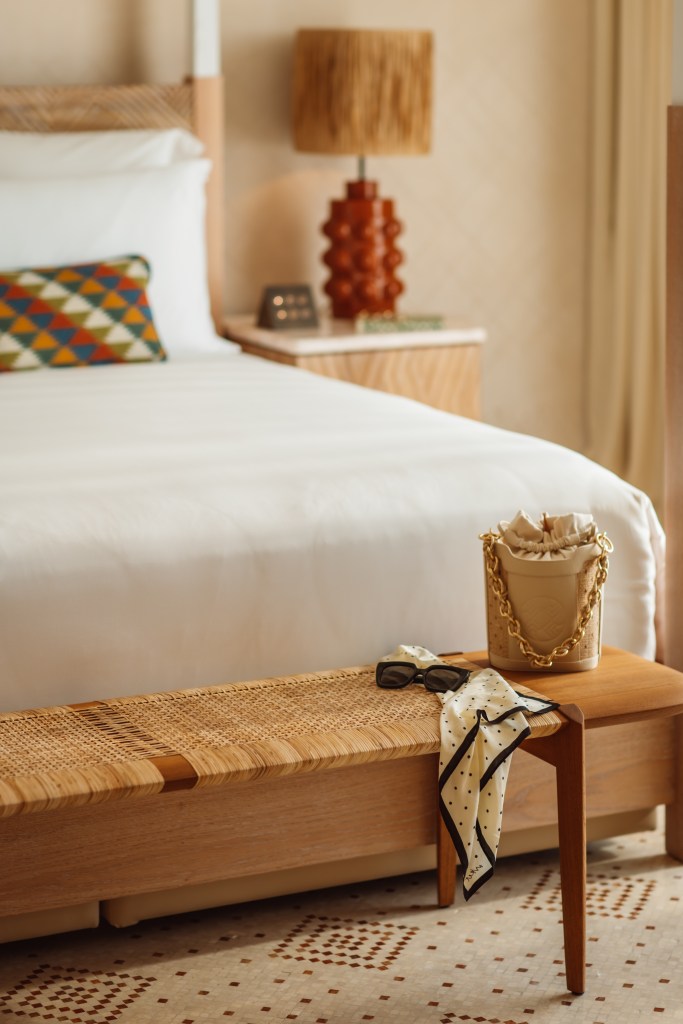
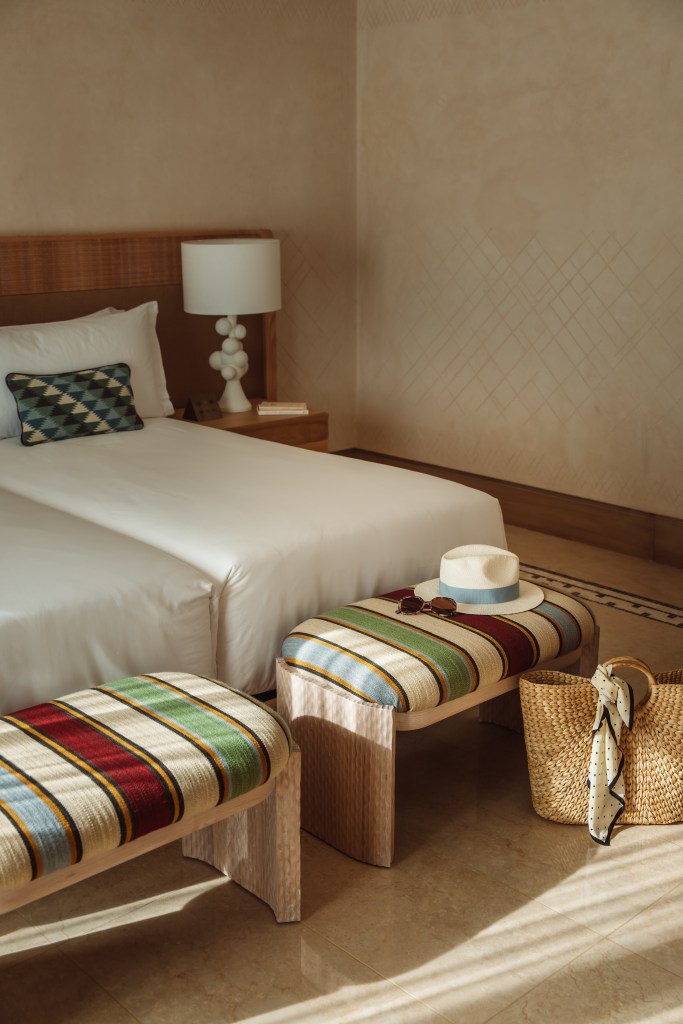
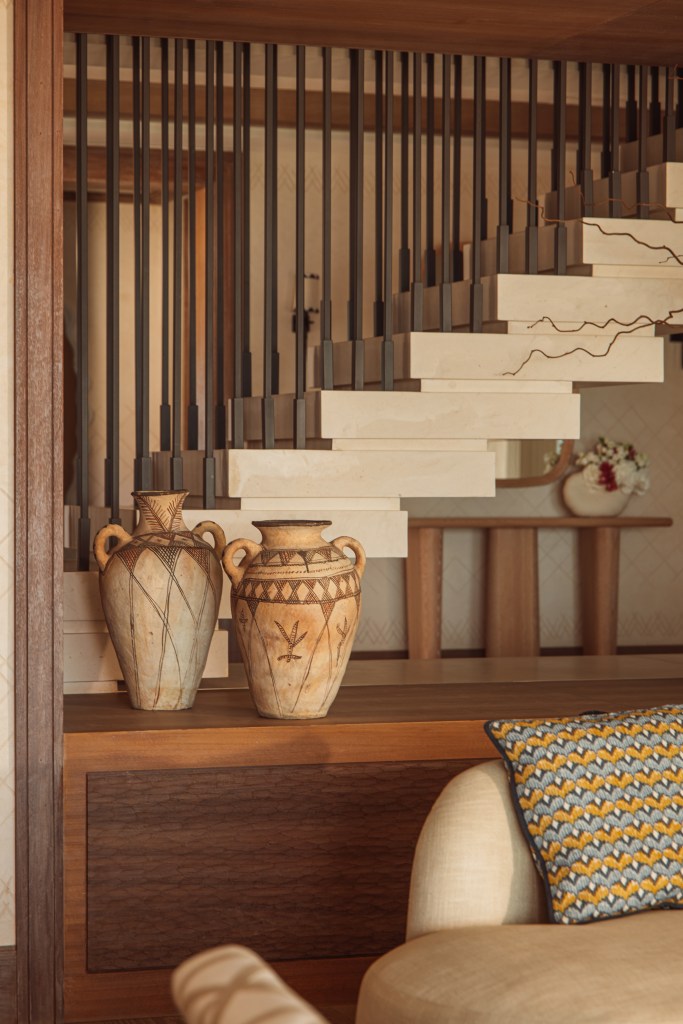
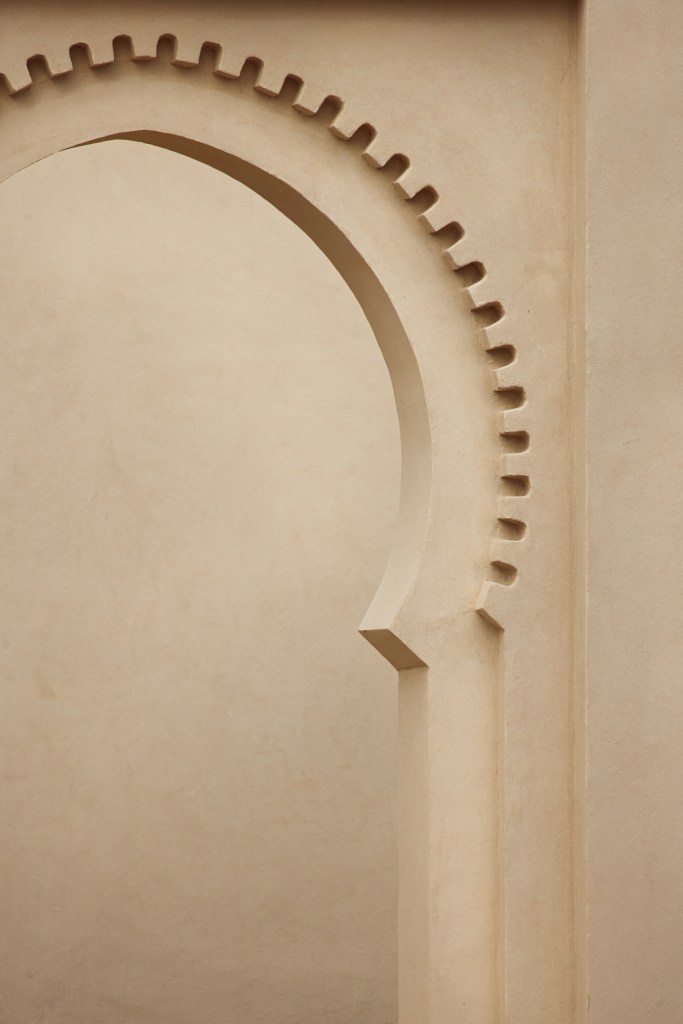
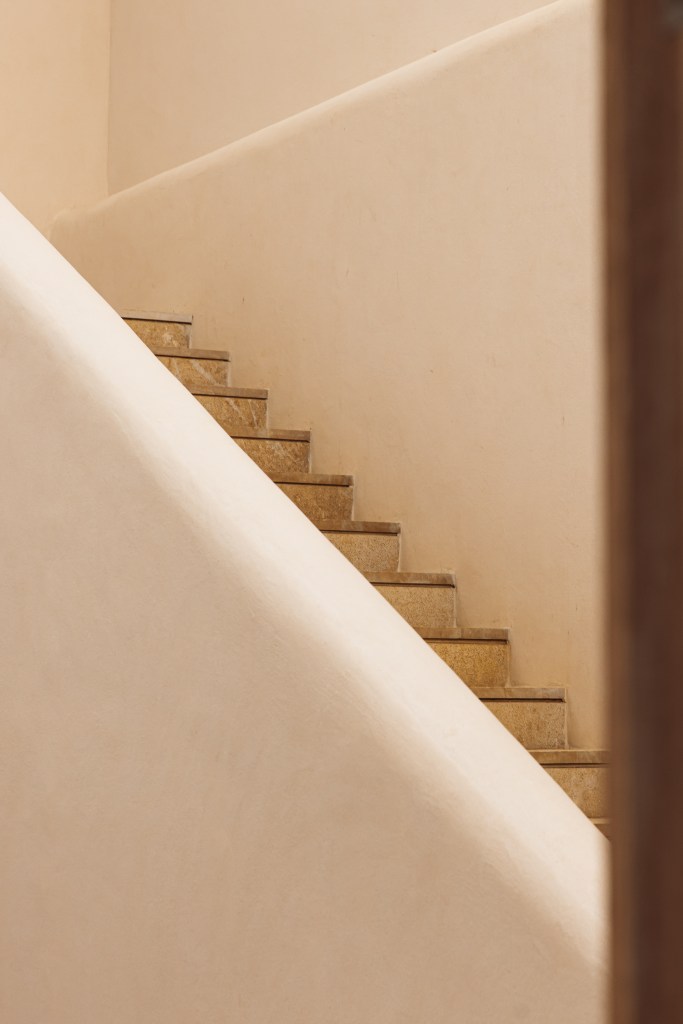
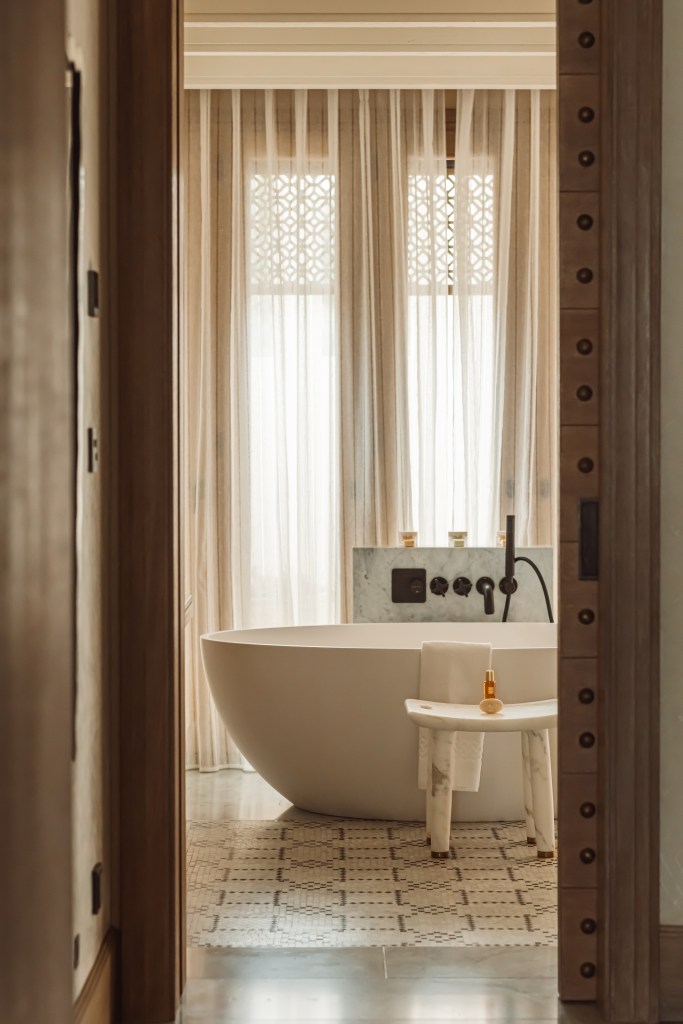
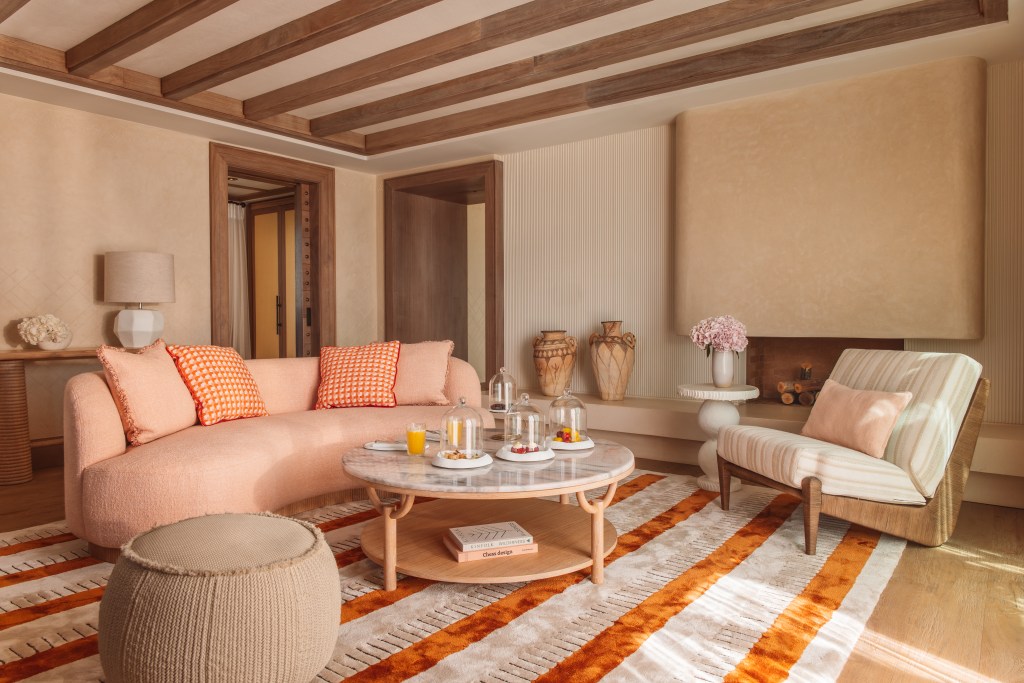
From beachfront suites to garden-facing villas, every space is thoughtfully designed with a blend of modern elegance and Moroccan charm. Spacious layouts, private terraces, and tranquil interiors create a connection with nature, ensuring every guest feels at home in this Mediterranean paradise.


A Culinary Celebration of the Mediterranean

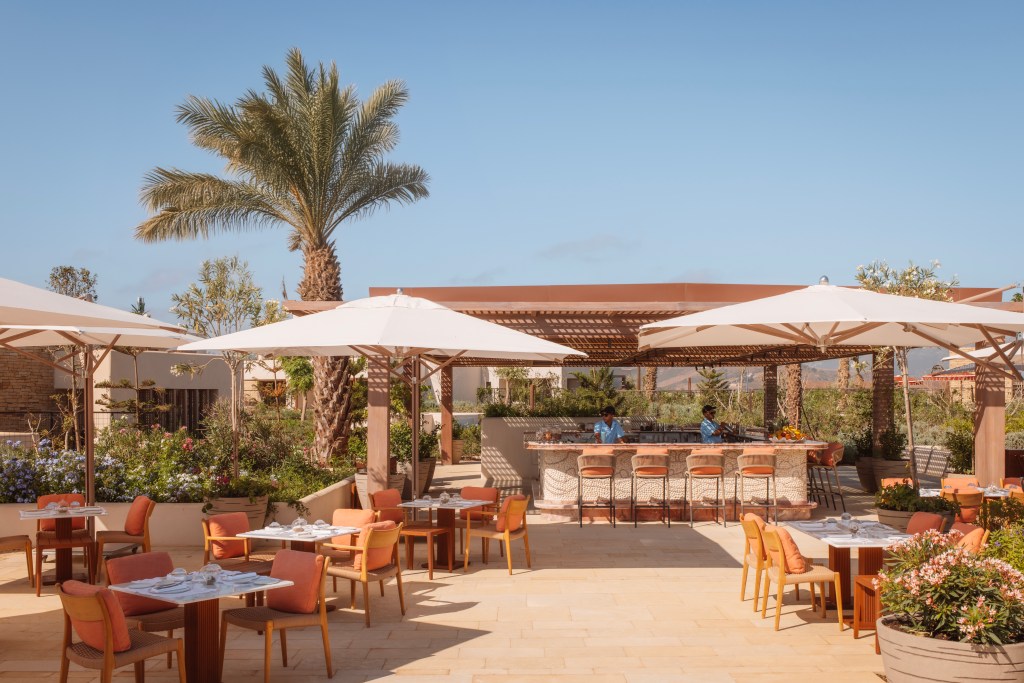
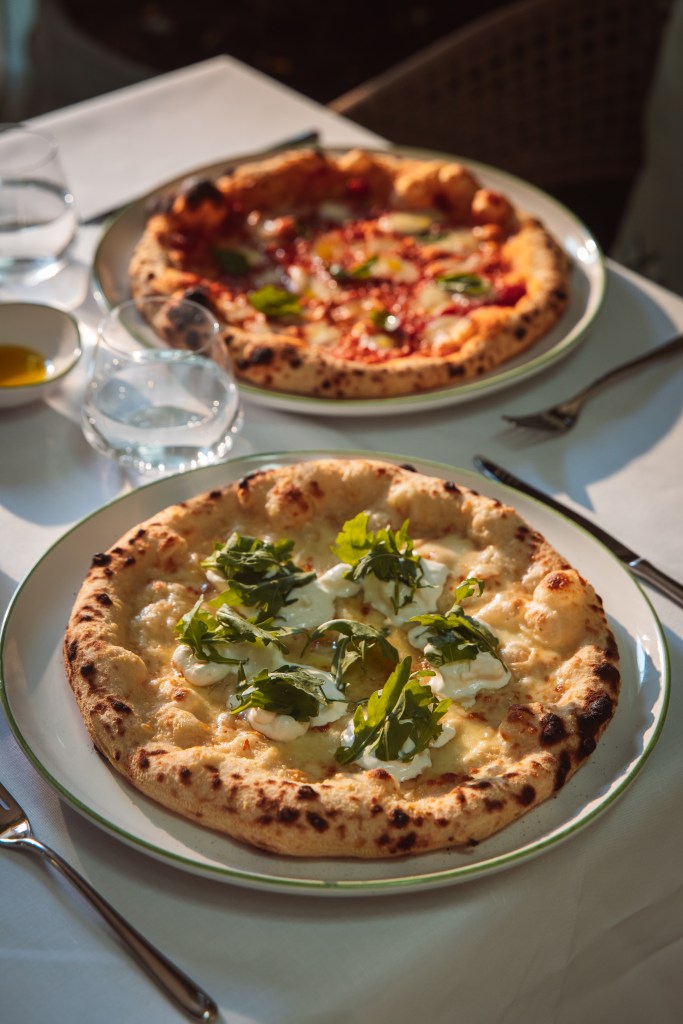
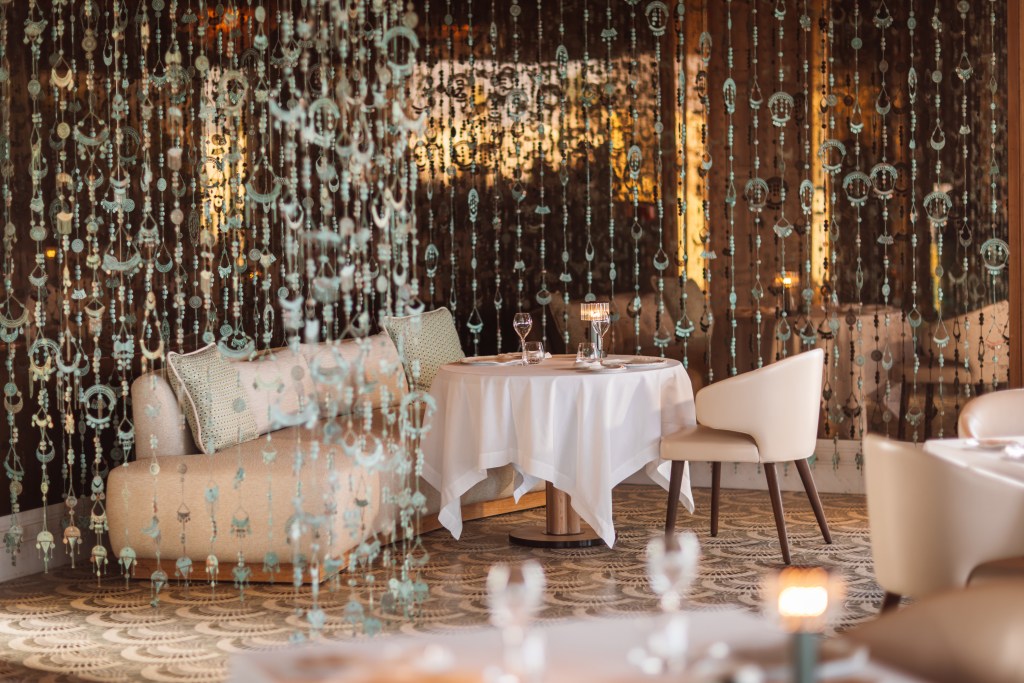
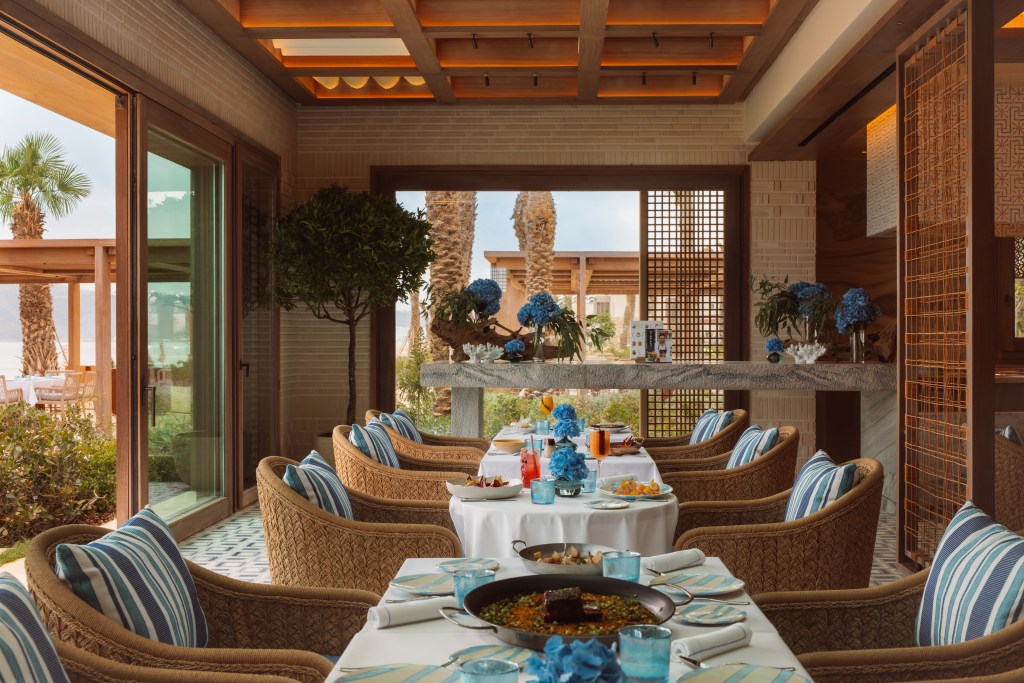
Dining at Royal Mansour Tamuda Bay is an experience in itself. Each restaurant celebrates the vibrant flavours of the Mediterranean, serving dishes crafted from the finest local and seasonal ingredients.

Guests can indulge in beachfront dining with stunning sea views or savour gourmet creations under the stars. With a focus on fresh, regional cuisine, the resort’s culinary offerings cater to every palate. Whether you’re enjoying a relaxed family meal or a romantic dinner for two, every bite promises a memorable journey through Mediterranean flavours.


A Spa Experience Like No Other

At the heart of the resort lies the Medi-Spa Royal Mansour Tamuda Bay, a serene sanctuary dedicated to well-being. Spanning 4,300 square metres, the spa offers personalised treatments that blend traditional Moroccan rituals with advanced wellness techniques.

Enjoy a range of therapies designed to restore balance and vitality, from signature massages to cutting-edge facials. The spa’s calming design, inspired by the natural surroundings, enhances every experience, making it a place where relaxation feels effortless.


Explore Andalusian Morocco

Beyond the resort, guests can discover the unique culture and history of the surrounding region, often referred to as “Andalusian Morocco.” Explore the charming streets of Tetouan, a UNESCO World Heritage site, or visit Tangier, a city where history and modernity converge. For nature enthusiasts, the nearby Rif Mountains offer hiking trails and breathtaking vistas.


A Seaside Palace

Royal Mansour Tamuda Bay is a celebration of waterside living at its finest. With its idyllic beachfront setting, exquisite design, and world-class amenities, the resort offers a timeless escape for those who appreciate the beauty of the Mediterranean lifestyle.

Whether you’re planning a romantic getaway, a family holiday, or a solo retreat, this resort is the perfect destination to relax, recharge, and explore the beauty of Morocco’s Mediterranean coast.


For those interested in other luxurious coastal escapes, have a look at our review of La Badira in Hammamet, Tunisia

1-54 Marrakech

From 30 January to 2 February 2025, the 1-54 Contemporary African Art Fair returns to Marrakech, bringing together an extraordinary mix of established names and emerging talent from Africa and its diaspora. For art lovers, this sixth edition promises four days of powerful visuals, cultural exchange, and storytelling that stretches far beyond the gallery walls. Set against the timeless grandeur of La Mamounia and the contemporary vibrancy of DaDa, located in the heart of the Medina, the fair will once again pair Marrakech’s storied heritage with modern artistic expression. These two iconic venues create a seamless experience where art and place converge beautifully.

This year’s edition welcomes 30 exhibitors from 14 countries, with nearly half representing galleries from across the African continent. Ten Moroccan-based galleries will anchor the event, underscoring the fair’s deep connection to the local art ecosystem. Newcomers like C+N Gallery CANEPANERI from Milan, space Un from Tokyo, Galerie Farah Fakhri from Abidjan, Hunna Art from Kuwait City, Le Violon Bleu Gallery from Sidi Bou Said, and Abla Ababou Galerie from Rabat add a fresh perspective to the lineup. Since its launch in Marrakech in 2018, 1-54 has evolved into a vital hub for African contemporary art, attracting international collectors, curators, and art lovers who come to engage with works that span painting, sculpture, installation, and textile. It strikes a perfect balance between honoring tradition and embracing innovation.


Isabelle.D, Mensonge et Vérité, 2024, Fibers on canvas, 55 x 55 cm


Chigozie Obi, Cozy Comfort, 2024, Oil and acrylic on canvas, 137 x 106 cm. Courtesy C+N Gallery CANEPANERI & the Artist


This year’s Special Projects spotlight the remarkable work of artist Amina Benbouchta in collaboration with the Kalhath Foundation. During her residency at the Kalhath Institute, Benbouchta worked alongside twenty Indian master embroiderers, weaving contemporary vision with traditional needlework techniques. Her art uses embroidery as a language of resistance, healing, and reflection. Motifs such as crinolines and hybrid figures transform symbols of restriction into powerful statements about memory, identity, and cultural narratives. Benbouchta’s work invites viewers to reflect on untold stories and examine the relationship between personal histories and collective traditions.

Founding Director Touria El Glaoui describes the fair as a celebration of diversity and innovation, perfectly situated within Marrakech’s vibrant cultural landscape. Longstanding partners like Fondation TGCC, Think Tanger, and L’appartement 22 add to the programming with curated talks, installations, and collaborative projects that merge local and international perspectives. This robust lineup ensures that visitors engage deeply with art that challenges, inspires, and connects.

The experience doesn’t stop at 1-54’s venues. Marrakech itself becomes an extension of the fair, offering countless opportunities for exploration. Wander through the maze-like alleys of the Medina, take in the tranquil beauty of Jardin Majorelle, or visit spaces like MACAAL (Museum of African Contemporary Art Al Maaden). As the city pulses with energy during the fair, creativity spills into every corner, making it a truly immersive experience for those who appreciate art’s ability to tell profound human stories.

Whether you’re an avid collector, a curious observer, or simply in search of inspiration, 1-54 Marrakech is not to be missed. Its exceptional programming, stunning locations, and the sheer diversity of works on display make it a standout on the global art calendar.


Image credits above from left to right: Alex Burke, Library, 2024, Mixed media, wood and fabrics, 71 x 64 x 12 cm. Courtesy of the artist and Loeve&Co, Taher Jaoui, Background noise, 2023, Oil, acrylic and charcoal on canvas, 160 x 135 cm. Courtesy of GALERIE FARAH FAKHRI and Taher Jaoui, Maïssane Alibrahimi, Socle de la couleur, 2021, 3D pen on floor tiles, Variable dimensions. Courtesy of Hunna Art, Malick Welli, Series Forgotten paradise, 2024, Photography, 120 x 160 cm, Edition of 3 + 1 AP. Courtesy of L’Atelier 21, Casablanca, Morocco, M’barek Bouhchichi, Seul, 2024, Mixed media on rubber, 115 x 115 cm. Courtesy of L’Atelier 21, Casablanca, Morocco, Aliou Diack, Dialogue 2, 2024, Mixed Media on Canvas ,180 x 130 cm. Courtesy of space Un

Main image credit: Sara Benabdallah, Sacred Tree (Large Format), 2024, Fujiflex print

Fair Dates: 30 January – 2 February 2025 | Press Preview: 30 January 2025
Venues: La Mamounia & DaDa, Marrakech | More Info: 1-54.com

La Badira

Seated in Power

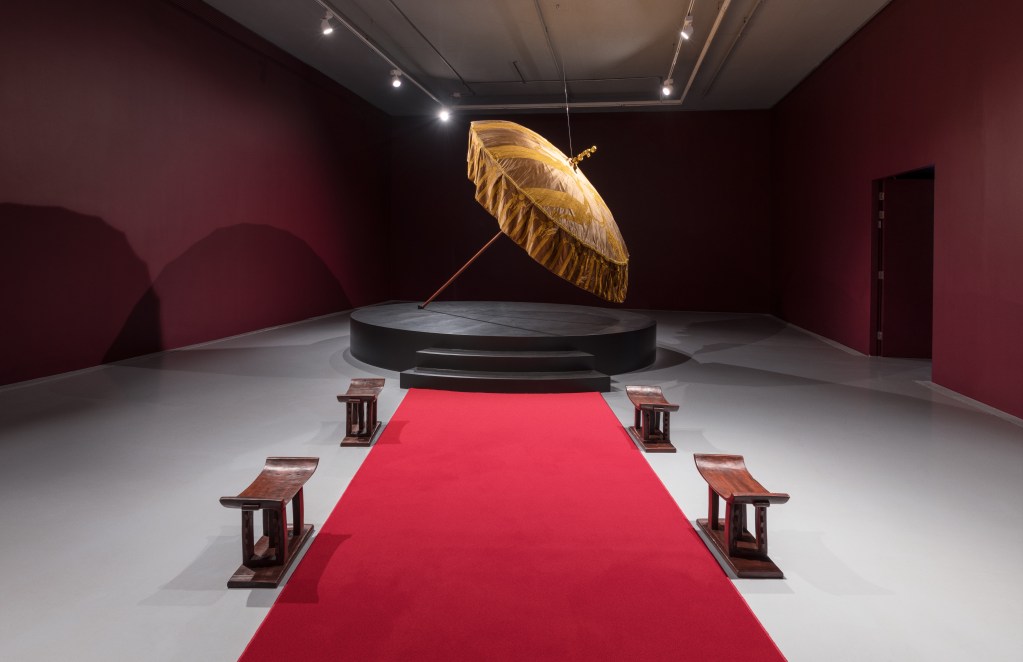
The Zeitz Museum of Contemporary Art Africa (Zeitz MOCAA) is currently presenting One Must Be Seated, an acclaimed solo exhibition by Ghanaian-American artist Rita Mawuena Benissan. Opened on 13 November 2024, this groundbreaking exhibition runs until 5 October 2025 and delves into the cultural traditions of Ghana, particularly the symbolic practices of Asante chieftaincy.


Image credit: Dillon Marsh, courtesy of Zeitz MOCAA


Exploring Asante Heritage Through Art


The exhibition places a spotlight on the enstoolment ceremony, a significant ritual marking the appointment of a chief. Through a blend of traditional symbolism and contemporary artistry, Benissan reinterprets the iconic royal stool and umbrella, offering visitors a layered perspective on the cultural heritage of Ghana. Her multidisciplinary approach combines sculpture, photography, video, and textile work to create a deeply immersive experience.

The Royal Umbrella Reimagined


Central to the exhibition is Benissan’s exploration of the royal umbrella, a longstanding emblem of authority in Asante tradition. Historically, this object has represented leadership, concealing the thoughts of its bearer while signifying their elevated status. Benissan collaborates with skilled artisans from Kumasi, Ghana’s Asante capital, to craft her pieces, blending traditional techniques with her own artistic innovations. Her work honours these artisans as co-creators, emphasising their crucial role in preserving Ghanaian heritage.
One standout piece, The Triumphant King Rules (Ɔhene a wɔdi Nkonim No Di Tumi) (2023), features a reinterpreted umbrella made with rich velvet and kente cloth, adorned with archival portraits of past chiefs. This fusion of historical imagery and contemporary textiles bridges past and present, celebrating the enduring relevance of cultural symbols.

An Immersive Journey


The exhibition is designed to mirror the stages of an enstoolment ceremony, guiding visitors through symbolic spaces. Works like We Process at Sunrise (2024), a detailed tapestry depicting the palace at dusk, and We Give Power to You (2024), an umbrella piece rendered in green tones, lead the journey. The experience concludes with a striking golden throne, symbolising the culmination of leadership and legacy.


About the Artist


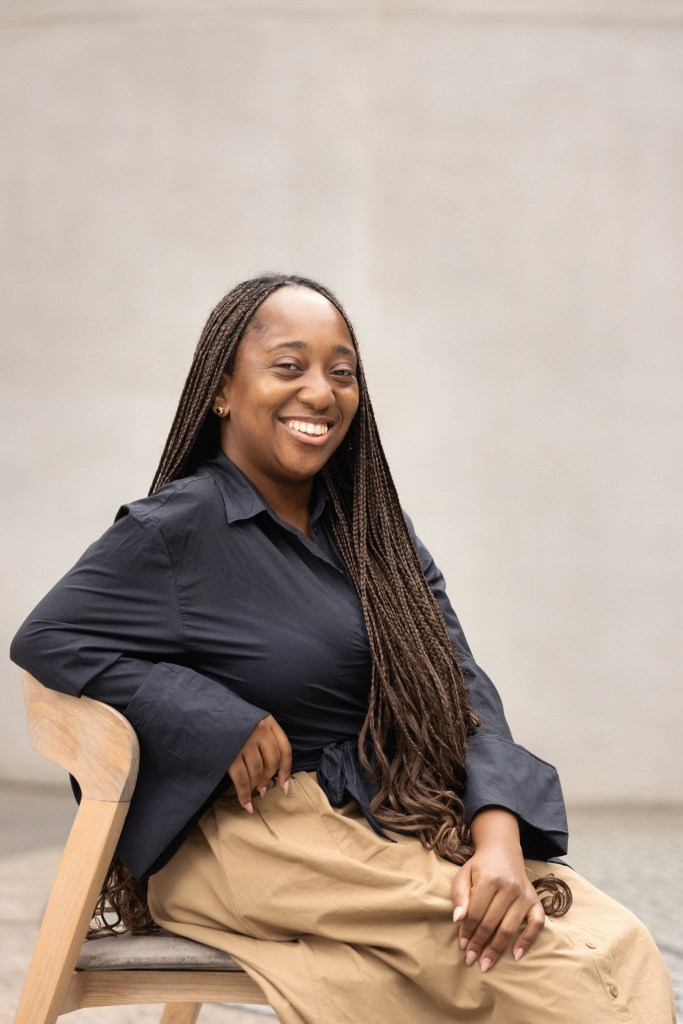
Rita Mawuena Benissan, born in Côte d’Ivoire and raised in the United States, is celebrated for her research-based practice that bridges history and contemporary art. Her works are part of prestigious collections globally and continue to resonate with audiences through their cultural depth and artistic innovation.


Rita Mawuena Benissan | Image credit: Lauren Theunissen


Exhibition Details


One Must Be Seated is part of Zeitz MOCAA’s ongoing series of solo exhibitions highlighting African and Diasporic artists. It is generously supported by Gucci, the Mellon Foundation, and BMW South Africa.


Image credits above: Dillon Marsh, courtesy of Zeitz MOCAA

Main image credit: Rita Mawuena Benissan, Detail of We Process at Sunrise, 2024. Embroidery on canvas, 250 x 500cm. Image: Nii Odzenma; Courtesy of the artist and Gallery 1957.

Luxury Boutique Escape in Johannesburg

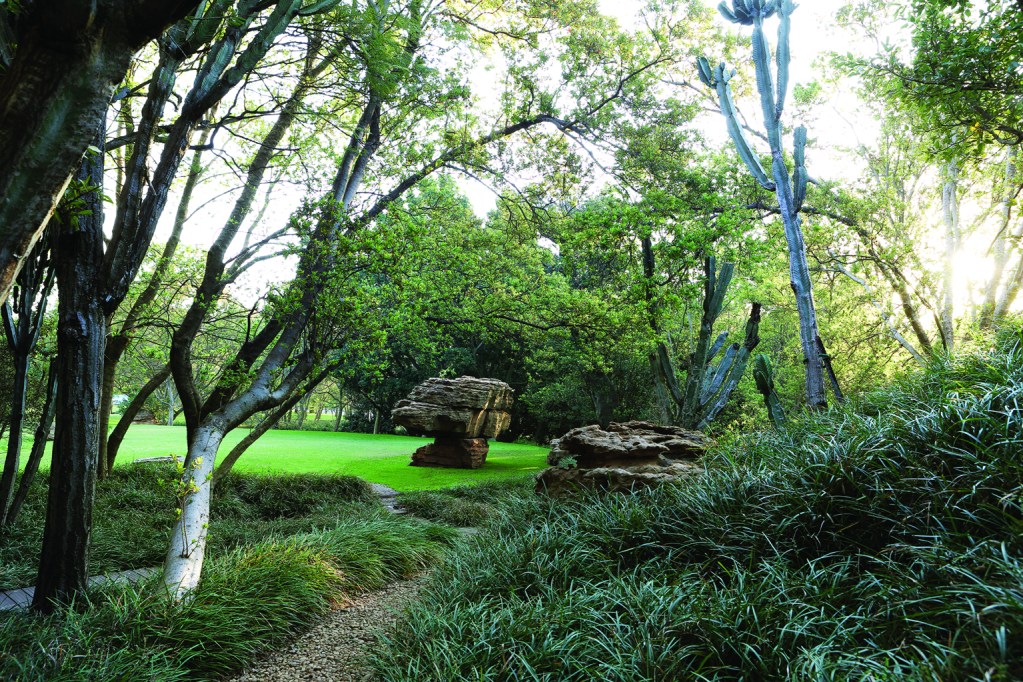
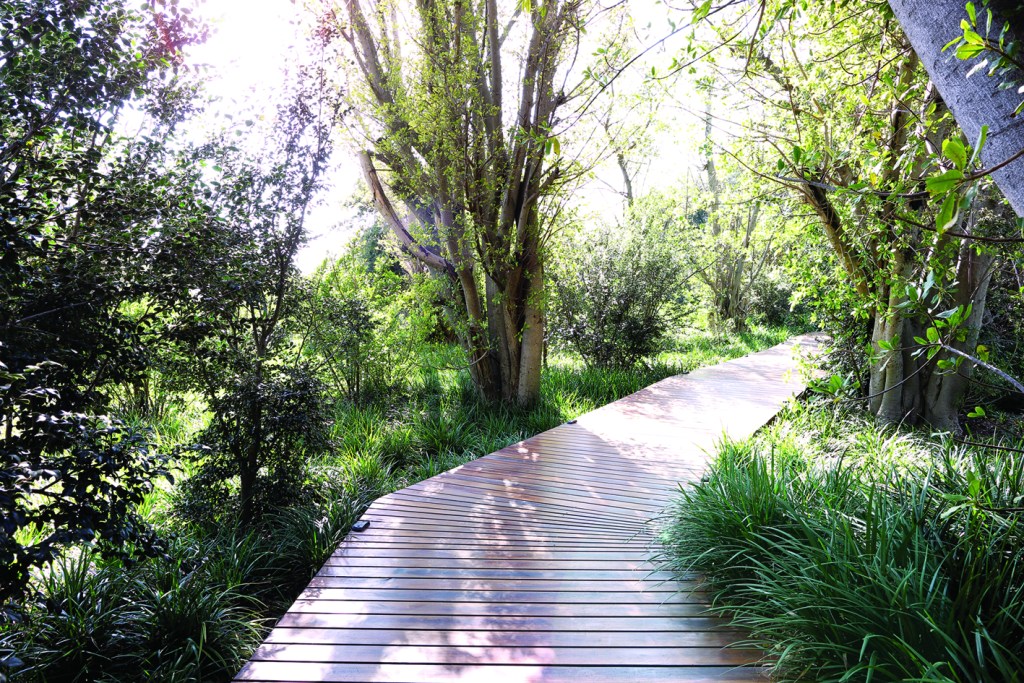
Tucked away in Sandhurst’s leafy embrace, the Saxon Hotel offers an air of refined exclusivity, a world apart from the hum of Johannesburg. Here, luxury is neither loud nor ostentatious but expressed through immaculate attention to detail and a quiet sense of serenity. The lush, expansive gardens envelop the property, creating a haven of calm where time seems to slow.


The suites strike a perfect balance between indulgence and comfort, with understated African influences woven into a contemporary design. Whether in the main hotel or the secluded villas, each space feels thoughtfully crafted, from the fine linens to the beautifully curated décor. Service is effortlessly intuitive—always attentive but never intrusive, anticipating your needs before you’re even aware of them.


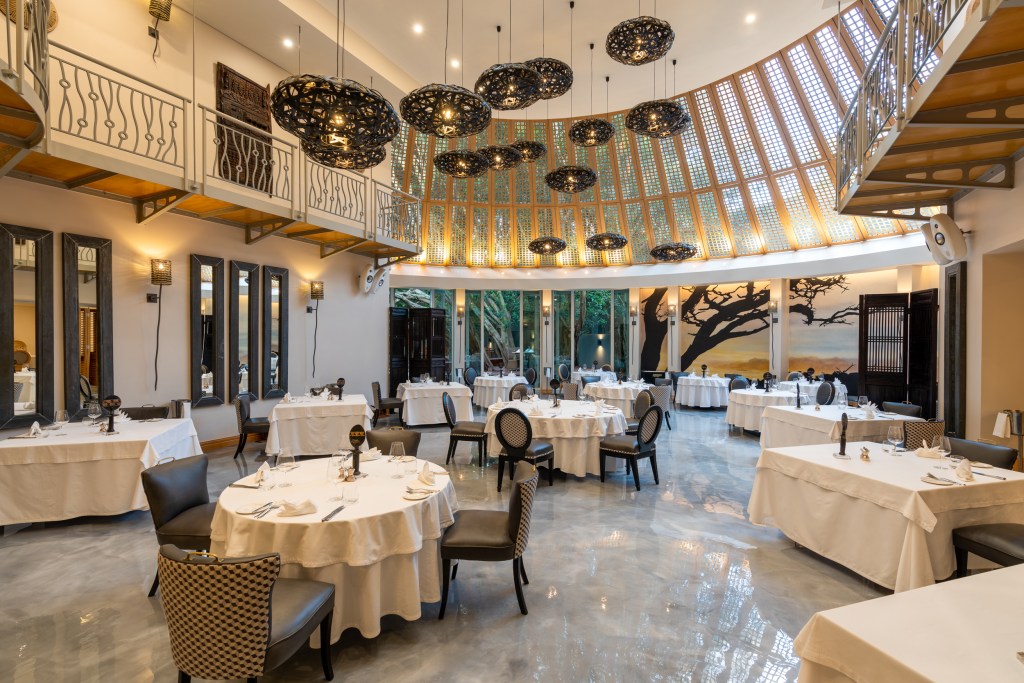
Dining is a highlight of the Saxon experience. Qunu’s menu combines bold, locally sourced flavours with an inventive touch, while the Olive Bar’s relaxed yet polished atmosphere makes it ideal for an evening drink overlooking the gardens. Breakfast in the Piano Lounge is an indulgence of its own, featuring freshly brewed coffee, seasonal ingredients, and a setting as inviting as the meal itself.


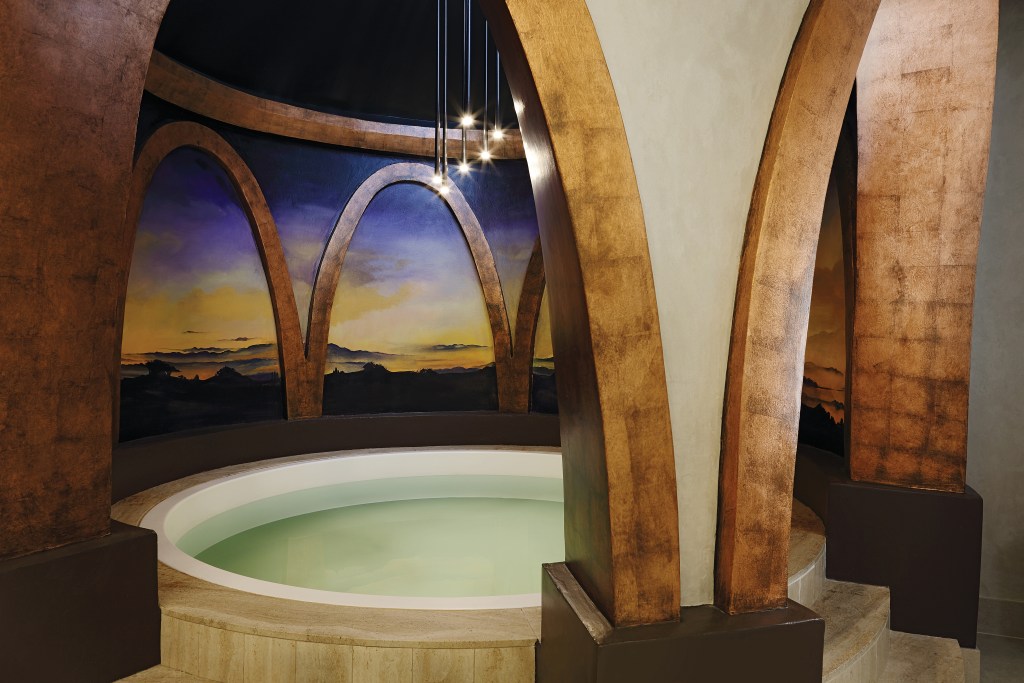
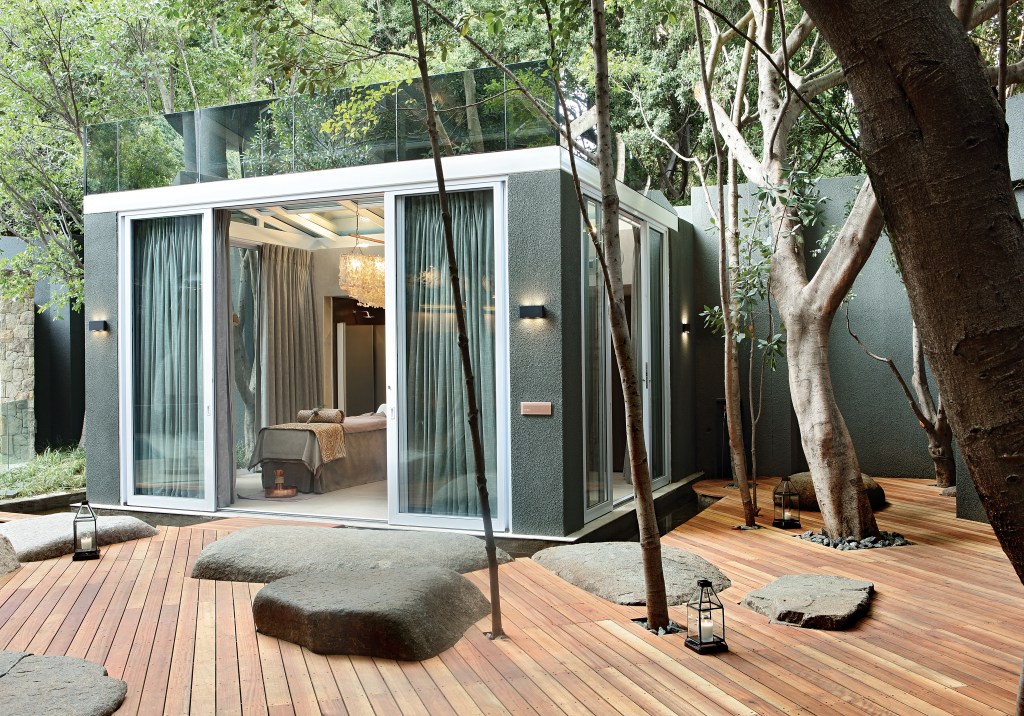
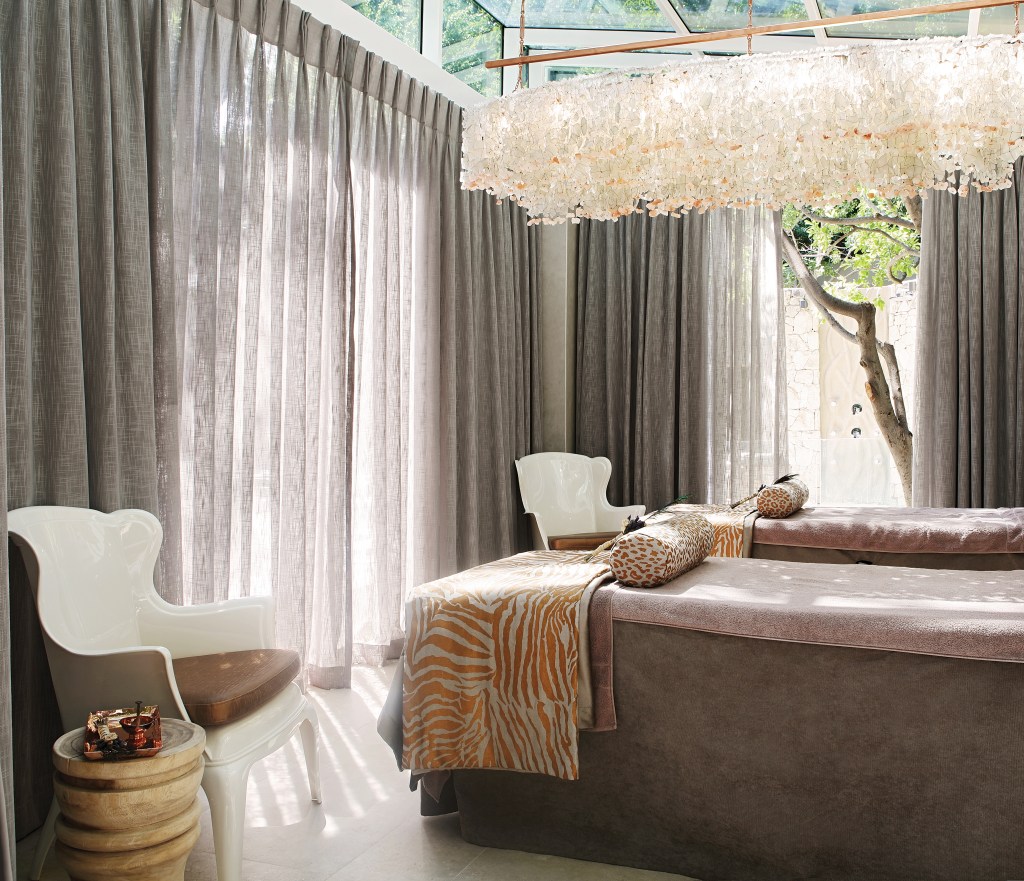
The spa, a jewel in the Saxon’s crown, offers a tranquil escape where award-winning treatments are delivered with an unrivalled focus on relaxation and rejuvenation. Surrounded by calming design and soothing gardens, every visit feels like an immersive reset for the senses.