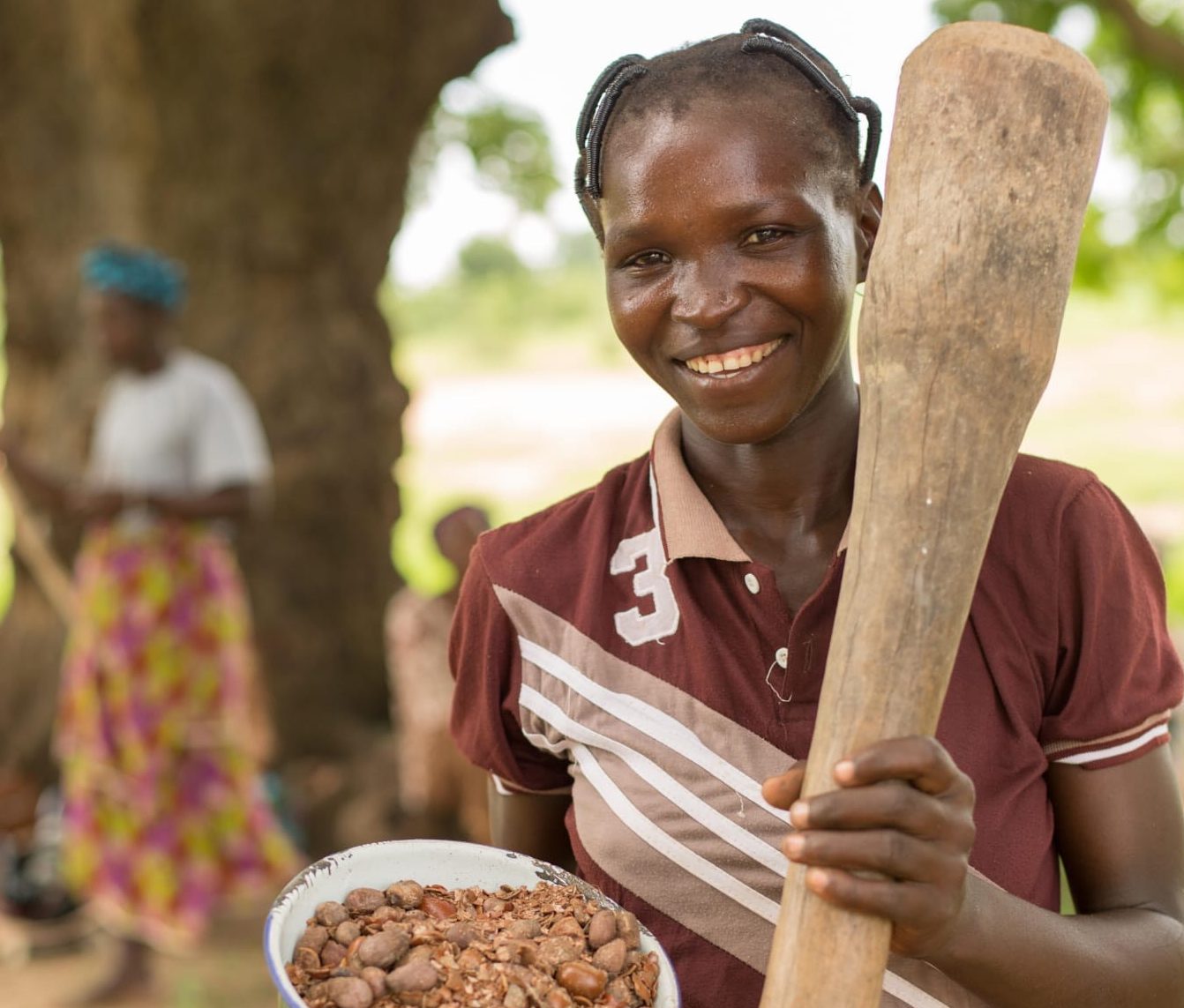
Karite, nkuto, galam or shea butter is a fat that comes from the seed of the shea nut, whose trees grow wildly along West and Central Africa. The trees only start bearing fruit after 15-20 years and reach maturity at 45 years. They keep bearing fruit for up to 200 years so it’s no wonder you won’t find many shea tree plantations. The patience it would take for a farmer to cultivate these plus nature’s abundance of them has ensured that the supply still outweighs the demand. Still, picking and processing shea nuts is big business in Africa.
Globally, the demand for shea butter is growing. The global shea butter market is valued at US$2.75 billion and expected to reach US$5.58 billion by 2033. Ghana is the main commercial supplier of both shea butter and shea nuts.
Uses for shea butter
For centuries, West Africans have used shea butter for cooking and grooming purposes.
Today, it’s a global commodity that is widely used across the cosmetic industry, but also in confectionery (as an alternative to cocoa butter) and pharmaceutical industries (as an excipient for
Sources: Future Markets Insights, Shea butter market. Stellenbosch University, Investigating the sustainability of the shea industry among rural women in Northern Ghana.
Contemplating African culture, we cannot overlook the profound significance of beadwork, a tradition dating back millennia. From ancient relics to contemporaryartistry, beads have served as more than mere adornments; they are symbols of status, belonging and cultural heritage.
The beads we’ve come to know today are developments from past artefacts and treasures, used as one of the first means of bodily adornment. Africa’s traditional use of beads incorporated bones, wood, shells and many other ornaments that would be pierced and strung together, attached to an object or worn on the body as a means of beautifying.
While the use of beads dates back over 75,000 years like the marine shells uncovered by archaeologists in the South African Blombos cave, it wasn’t until glass beads were introduced that they became a medium for trade across the continents.
“The intrinsic desirability of the bead – as well as the ease with which a relatively large quantity could be transported as cargo – made them an essential item of trade,” reports The Metropolitan Museum of Art in New York.
However, the symbolisms in the continental use of such ornaments go far deeper than the monetary value. True to form with many ritualistic symbolisms in the country, beads were no exception.
Our origins are the first trail marker on this wild journey we embark on, here to act as the cornerstone of whatever it is we choose to build with this one true life.
I write to you from a place of pause after a firestorm this past quarter. My wig is off; I’m catching my breath in my favourite corner room at the Royal Livingstone Resort in Zambia. I feel like I’m restarting a movie – like I need to go back to the beginning and pay better attention so I can watch the plot fall into place.
What just happened moments ago – wedding clients turning to me to say, “You are bloody good at what you do” after I ensured they got on a boat they nearly missed – is a moment that fills me with pride. It’s a moment that feels so contrary to the place I was in four weeks ago.
Organising this year’s Greatest Party of All was the biggest logistical nightmare of my 15-year career. I was caught between two systems (Africa and Europe) with 78 frustrated guests delayed in an airport. For the first time, I questioned my ‘why?’ Why did I constantly put myself in a position to pull off the impossible? To exist in a state of such insurmountable stress?
The answer lay in our destination: Mozambique. Stunning turquoise waters. A kind of calm I can’t describe. A surreal setting that, like so many of Africa’s finest places, you have to experience it to believe it. I give my heart to this continent because her beauty is too profound not to share. She deserves advocacy. She deserves every ounce of me – stress, setbacks, sanity-questioning and all.
Here we are, 7 issues and 39 countries in and the only way I can see the whole plot is to think back to the very beginning. So this, readers, is our Origins issue.
Our origins are the first trail marker on this wild journey we embark on, here to act as the cornerstone of whatever it is we choose to build with this one true life. Our origins are generous, however rough around the edges they may be, because it is only our origins that can give us the perspective of grace. When I look back, it’s impossible to not see how far I’ve come. How my current reality, even when it’s driving me crazy, was once just the dream of a little Zambian girl. It is because of my origins I am reminded to not take today for granted.
Choosing a cover star to carry each issue is not something I take lightly, and this was especially true for our Origins issue. With Sabrina Elba’s Somali heritage – from a country that is unseen and often voiceless – I had to show people more about who she really is.
To be able to sit down and eat nshima (a Zambian staple food) with Sabrina and talk about the similarities in our cultures, and our advocacy for the communities that shaped us was an honour (including women in farming, more on page 75). Sabrinaʾs story and what she has done with S’Able Labs is incredibly inspiring – read more as written by Brooke DeVard Ozaydinli with imagery shot by the talented Daniel Obasi in Zambia on page 64.
Through his lens, Daniel Pinto also takes us to Somaliland on page 47. Featuring an unsettled land was one of the great debates of my career. But isn’t that why this publication exists, to show the potential in every pocket of this continent, even – and perhaps especially – in those pockets that others would prefer we not expose? My choices were also questioned when I announced we would feature the people of the Arbore of Omo Valley in Ethiopia. Their looks may shock, but they are the original masters of appearance, as Jo writes. Their story is deserving of our pages on page 83.
Finally, I also sat down with my favourite author, Chigozie Obioma, to discuss his novel An Orchestra of Minorities (see page 122) – a pinch-me moment.
Through these stories, and so many more, I give to you, dear reader, our origins – the roots buried beneath the tree that shades all of us across the diaspora. Read on, get to know her, and keep her safe.
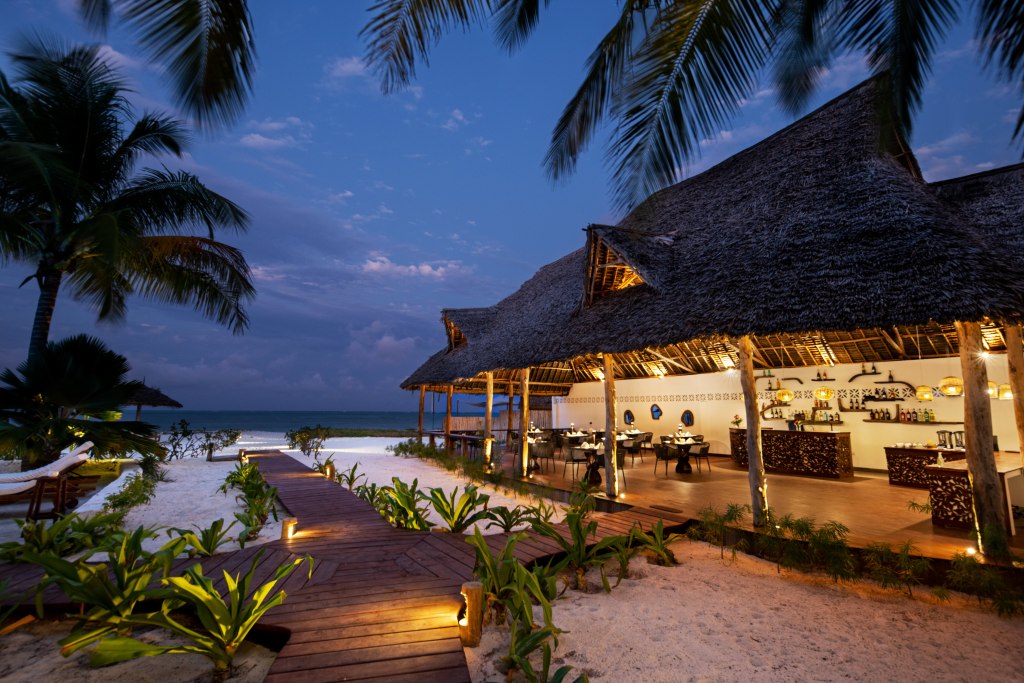
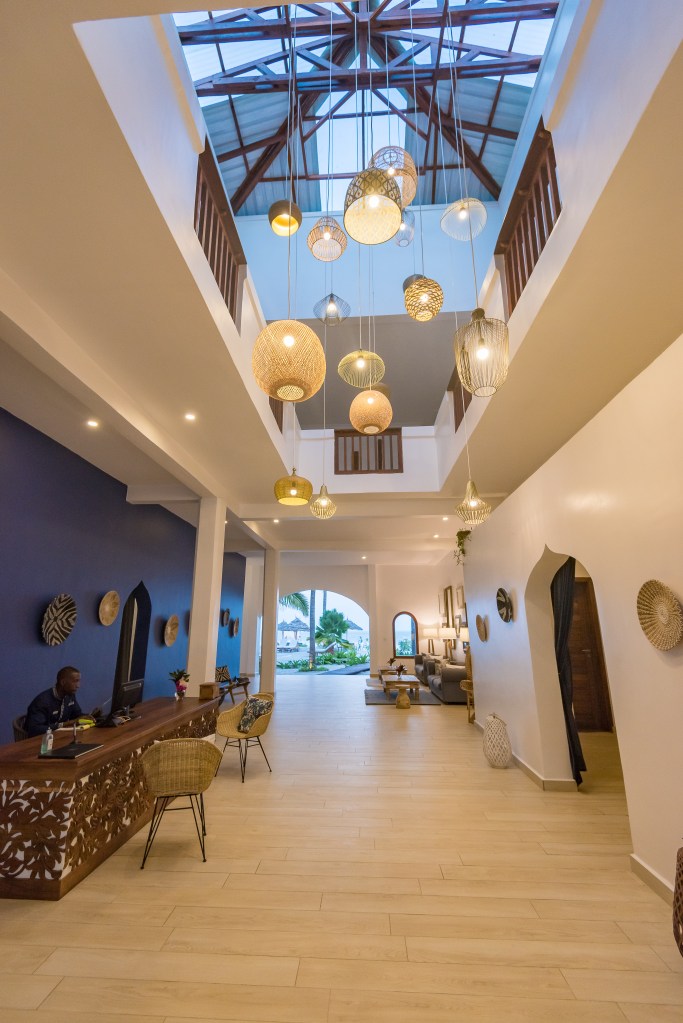
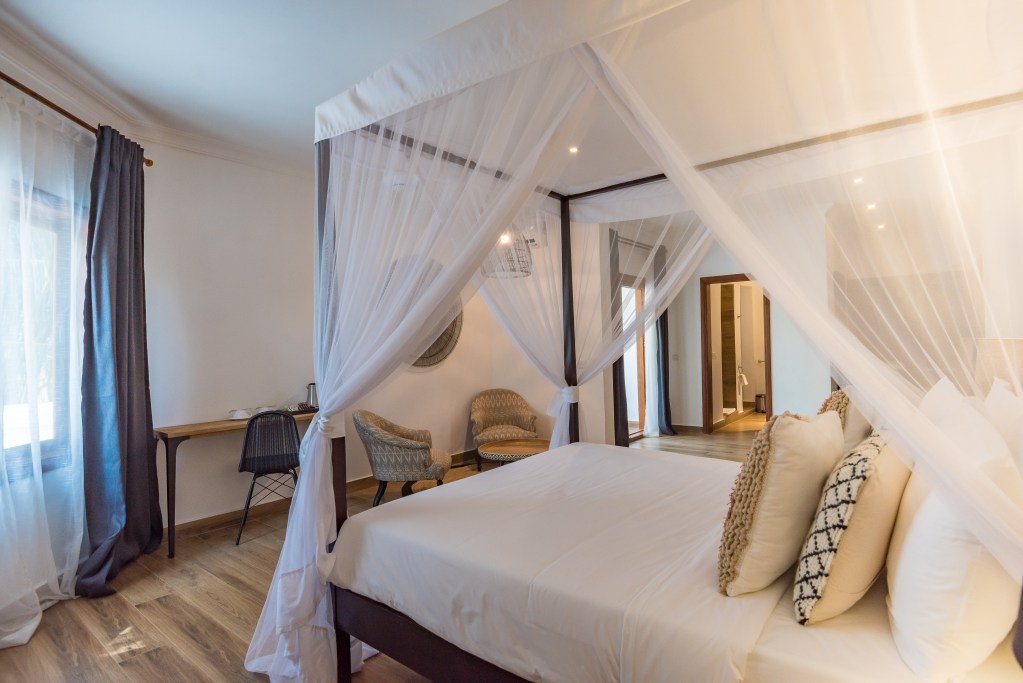
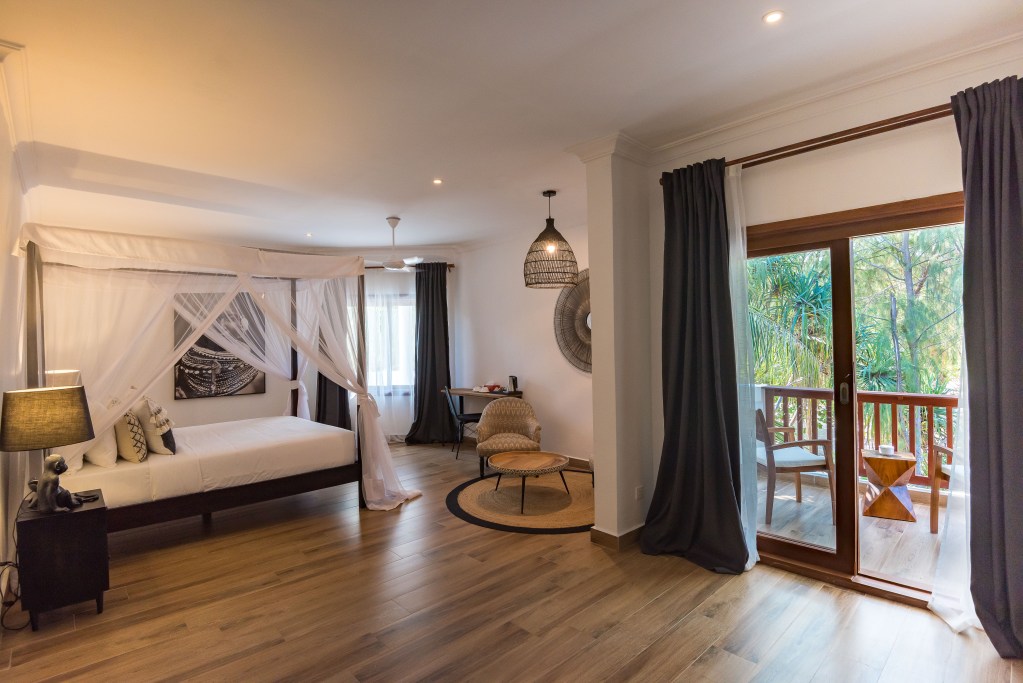
Amani Boutique Hotel, with its 14 deluxe rooms, is an adults-only retreat situated on one of Zanzibar’s finest beaches. Guests can enjoy the sea breeze, bask in the sun, and relax like never before.
As the perfect place to unwind and enjoy the serene surroundings, guests can opt to lounge by the pool or take in the stunning views of the Indian Ocean. It is an ideal spot for both independent travellers and honeymooners seeking tranquillity and beauty. Relaxation awaits on one of Zanzibar’s most beautiful beaches, with its stretch of pure white sand and crystal-clear waters. It is an ideal destination for those who value peace and quiet.
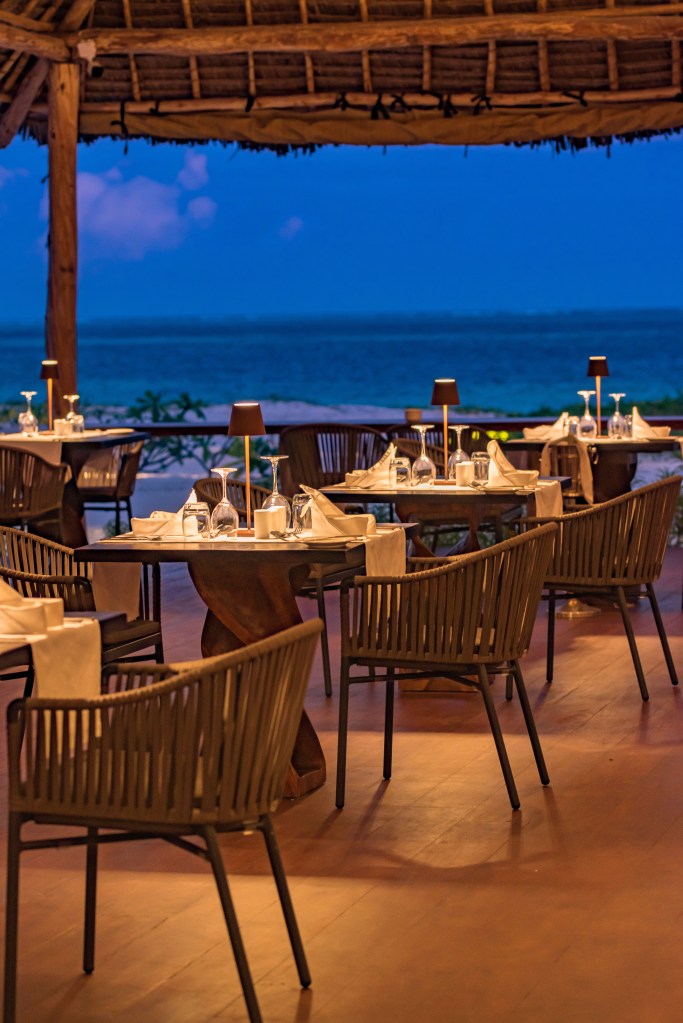
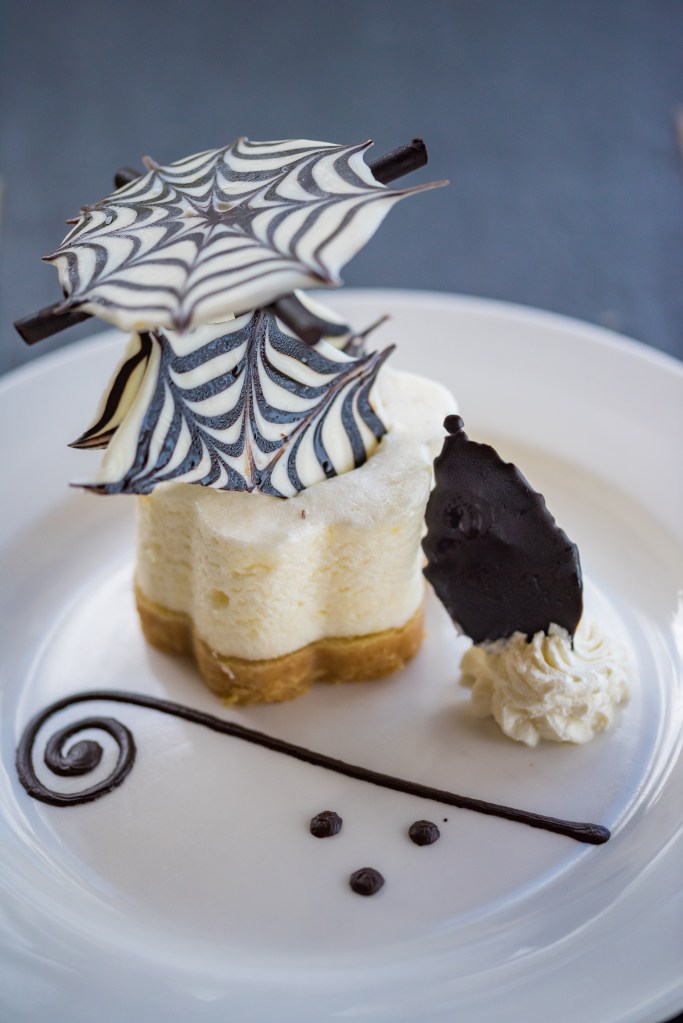
The restaurant, overlooking the Indian Ocean, offers a wide range of meals featuring local flavours and international cuisine. Fresh, local ingredients and high-quality service make each dining experience special. Every meal is freshly prepared, blending local tastes with gourmet standards.
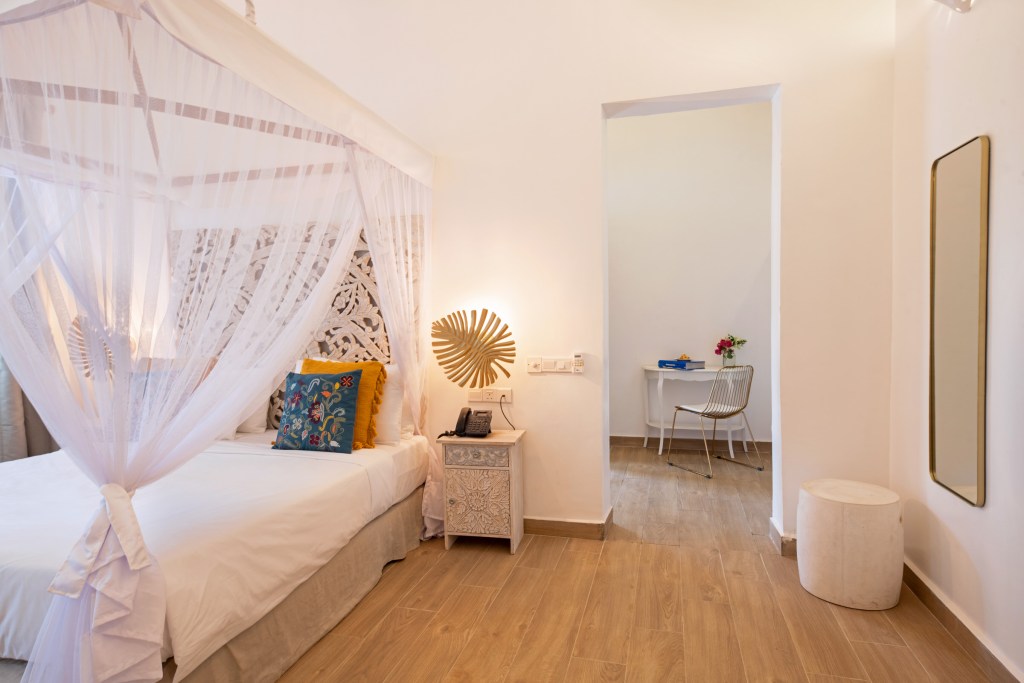
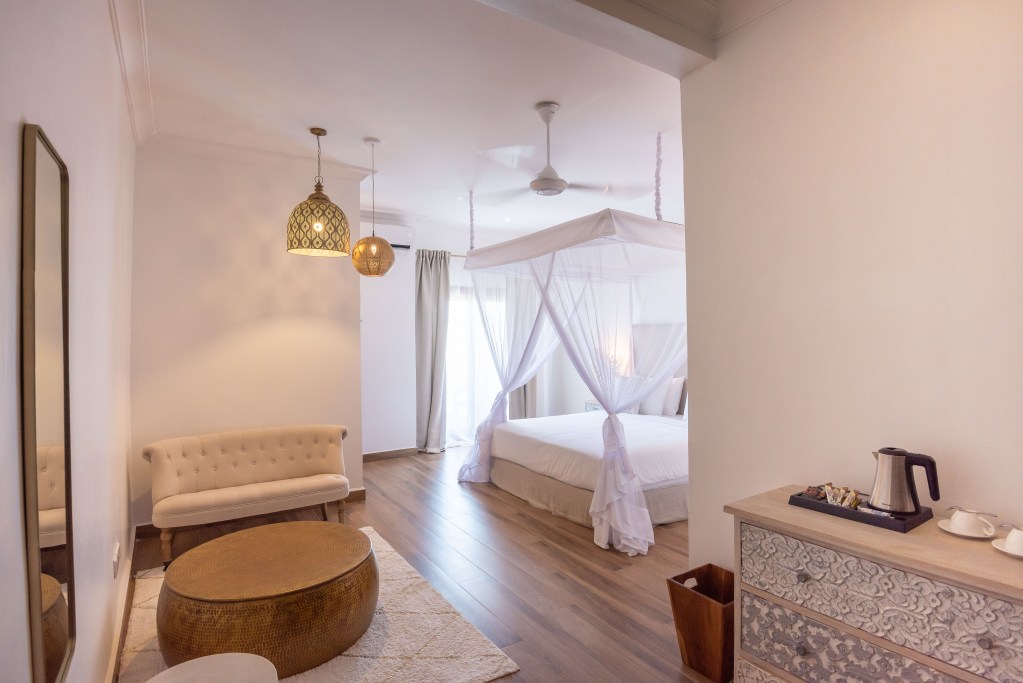
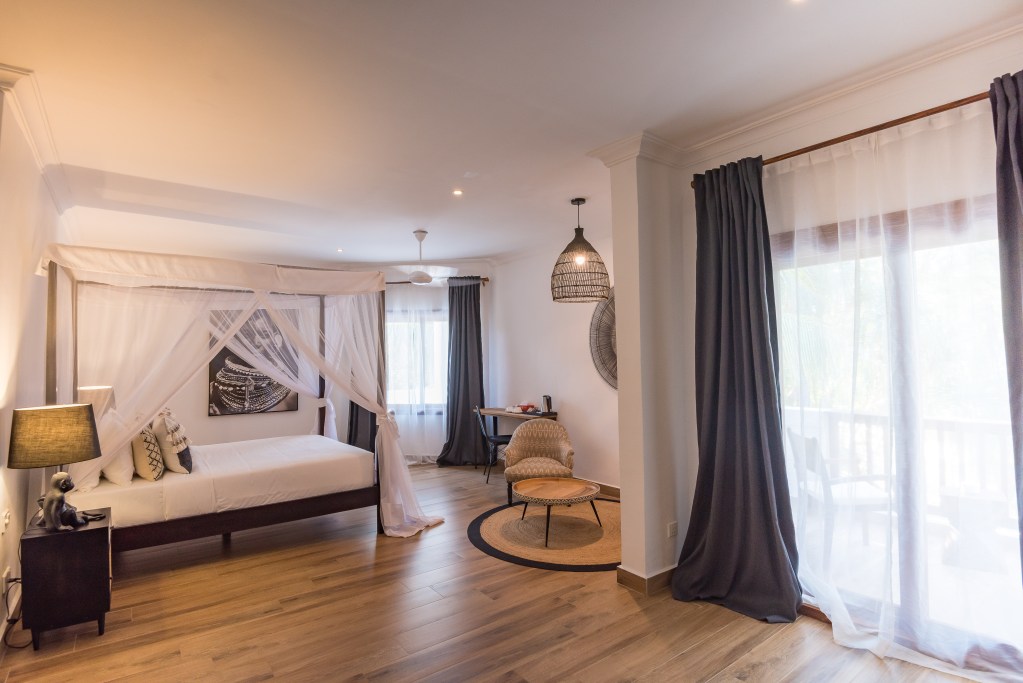
The rooms are spacious and elegantly designed with premium woods and materials. They offer a luxurious yet relaxed experience, with a soothing colour palette. Each room is thoughtfully furnished to meet every need, combining modern style with comfort. The Deluxe Double with Partial Ocean View provides a glimpse of the ocean from a private balcony, furnished with premium materials. The balconies overlook the gardens and the Indian Ocean. The Deluxe Double with Ocean View, located at the front of the hotel, offers stunning ocean views. Each 35sqm room has a private balcony with seating. All Deluxe Double Rooms feature exquisite décor and detailed furniture, with patios or balconies offering garden views. What’s most inviting is that each room is a short walk from the beach – what more could you ask for?
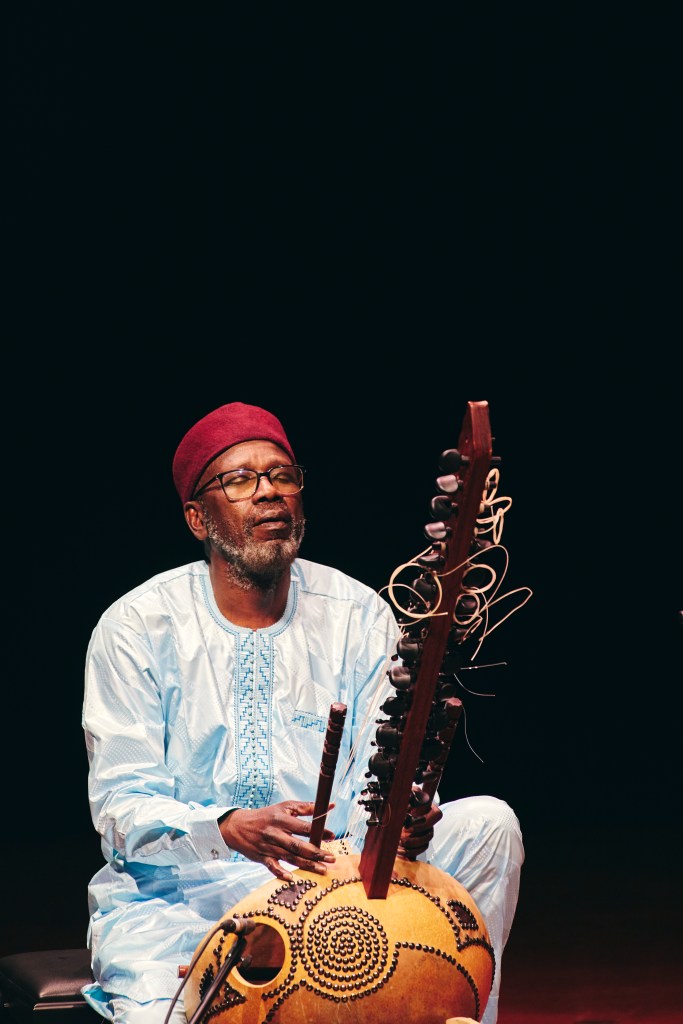
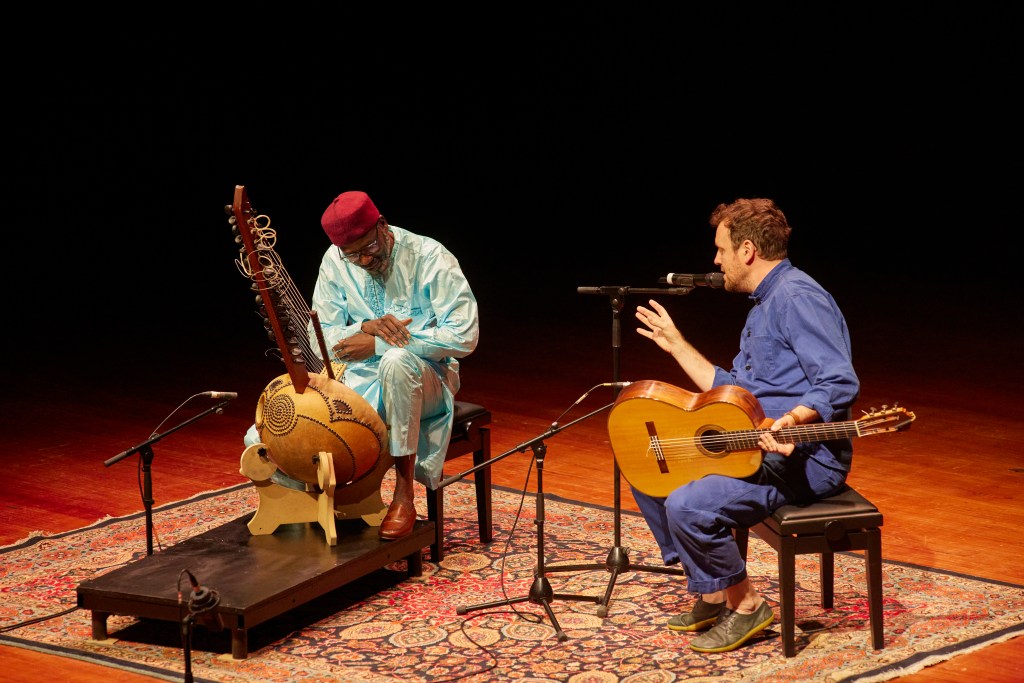
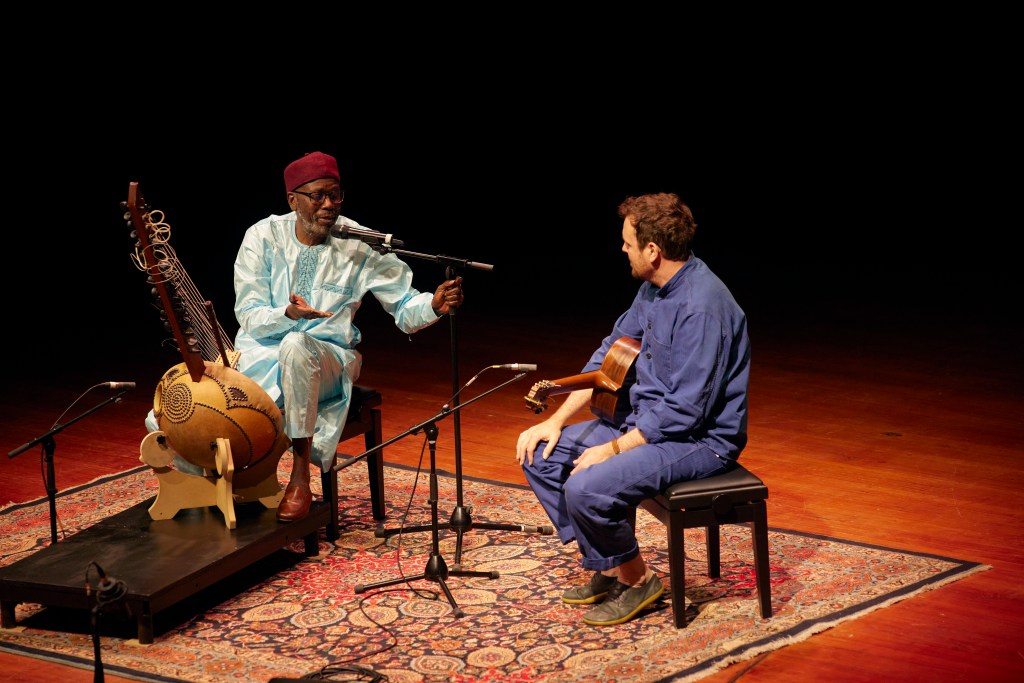
Capetonians are notorious for waking up late to secure tickets for performances they want to see or needing serious motivation to attend an event not on their doorstep. Unless musical royalty like Malian kora player Ballaké Sissoko and South African guitarist Derek Gripper are in town. Their Baxter Theatre shows quickly sold out, as did their Market Theatre Joburg bookings, warranting an extra show added to the schedule. Durban fans also came out in support. “It’s quite remarkable. I feel very moved that people have responded as they have,” says Derek.
Ballaké Sissokoplaying at the Baxter Theatre – Image credit: Lambro Tsiliyiannis
Derek Gripper playing at the Baxter Theatre – Image credit: Lambro Tsiliyiannis
Their first South African tour, on the back of concerts in the US, Turkey, France, Switzerland, and Sweden, was a resounding success and a reminder of the power of music as a universal language. “Ballaké literally speaks zero English. We use Google Translate to determine what time to meet in the hotel lobby,” quips Derek.
In essence, their dialogue is between instruments. They don’t discuss music, what they will play, or which key. “We go on stage, and somebody starts, and the other person follows. We have a shared knowledge of the griot repertoire, from old compositions to more modern ones, and we have a shared language for improvisation, learned from the ancient songs of the Mandé Empire. Every time we play together it is different,” he says.
They don’t have post-mortems either. What better way to nurture a brilliant musical career with no potential for argument? “The trick is always to forget the night before and start afresh the next day; Ballaké is a master of this. I have learned a lot from his approach to making music: he goes on stage as though he is going to sit there knitting a scarf, and then produces the most sublime music. He’s there to practice a craft. There is no separation between the performance and his day-to-day playing. This means that performances remain as living events,” says Derek.
Ballaké’s official name is Djelimoussa – Musa the griot. He belongs to the lineage of griots, hereditary musicians who pass on their skills and knowledge orally. Griots are musicians, historians, advisors, and wordsmiths.
According to legend, the first jelis date back to the time of the Prophet Mohammed. They played vital roles in the courts of the Mande people, who ruled powerful African empires from the 11th century onwards. Some of their repertoire dates to Sunjata Keita, founder of the Mali empire in 1235, or even earlier.
Ballaké’s father, Djelimady Sissoko, was a brilliant kora player born in Gambia, southern Senegal. Ballaké grew up playing the 21-string West African harp, learning by ear and practice, often skipping school to do so. When his father passed away in 1981, 13-year-old Ballaké took his place in the ensemble, becoming its youngest member.
Meanwhile, Derek was inspired by the kora. He transcribed and recorded significant kora works, including Ballaké’s, transforming classical guitar repertoire. “My contribution is to interpret music that existed in one tradition and one instrument and create the idea of Ballaké being a composer like celebrated European composers. This does two things; it reminds us that composers come from Africa and rehabilitates the idea of a composer who has become stilted and disconnected from actual playing practice, the craft of the hands.
“The transcriptions that I made 10 years ago were my way of learning the music. In the process, I learned that there’s a lot about it that defies having a concrete version. It’s kind of a memetic language that’s shared amongst all the musicians, and all the people there really. The music lives, so it changes, and the very idea of having a fixed score is kind of against its nature.”
The pair first played together at an event in London to mark 50 years of kora studies. Their spontaneous set proved so successful that they recorded their debut album – again a series of improvised encounters – at Platoon’s London the following evening.
“Musically, we tested each other,” says Ballaké, explaining that spontaneity is the most magical aspect of their encounters. “We have the mastery of our instruments, the technique and a good ear. Derek is very curious, that’s very important.”
Derek responds, complimenting Ballaké’s listening skills. “He’s such a good listener. It’s not what he plays, it’s how he plays it. He’s an amazing interpreter, the prime master of timbre. For me to play with Ballaké is to play with one of the great composers of our continent. It’s as though somebody called me up and said I had a gig with Bach.”
Derek calls their collaboration “a game of musical communication” through which they build a language of music together, enabling them to learn each other’s character. “Ballaké learns how I like to disrupt things, and he masterfully goes with that flow. I learn to listen carefully. There is so much wealth in paying close attention; you don’t have to go far to find something new.”
Rather than succumbing to the World Music label, if their music must be categorised at all, listening to it is instead otherworldly. “We are solo acoustic performers playing quiet instruments that need the audience’s full attention. And we have made our careers in a world where music is divided into categories, in our case, World Music, where performance contexts prefer big ensembles that can make a loud noise (Africa is always the party music). We represent a different vision of African music, as chamber music, as intimate music, as the music of speech between friends. So, we have both continued to honour the nature of our respective instruments, finding contexts where the instruments work best, and never changing the nature of the instrument, or our playing, to fit the music industry,” says Derek.
Derek’s transformation of the guitar with the kora in mind, reflecting two decades of dedication to a craft rich in history and wisdom, makes these African string sessions unique. “We’ve been able to do something that’s actually very different to what’s normally done on the kora. One of the reasons for this is that Ballaké has a new kind of kora that allows him to change the key in a second compared to 10 minutes on the old traditional koras. That has allowed us to explore tonalities and sonorities that you won’t hear in traditional kora music. Another is that we’re both improvisers, not in the sense of someone taking a flashy solo, but as storytellers. We both like to tell stories with music, going from one memory of a piece into a recollection of something that maybe never existed, then moving into this stream of consciousness, memories of pieces we both know, creating pieces we don’t know, him playing something I’ve never heard and reacting to that – there’s a kind of narrative that continues. In the more traditional pieces, you’d stick within the structure of the original piece and elaborate on that in a very small way. In the nineties, Ballaké recorded an album where you can hear a kind of contemporary improvisation going on – melodic but keeping within the structure of the piece. We’ve broken out of that structure.”
Night Two of The Greatest Party of All in Mozambique was a dazzling spectacle of colour and culture, aptly themed ‘Vibrant Hues.’ The event was a joyful celebration of Africa’s diverse traditions and the vivid palette characterising the continent’s rich heritage. Attendees embraced the theme with an array of outfits that transformed the venue into a living, breathing rainbow of style.
The fashion on display was a vibrant homage to Africa’s kaleidoscopic culture. Guests donned an array of colourful prints, bold patterns, and traditional fabrics that told stories of their origins. Renowned presenter and former Miss Nigeria UK, Bisi Akins, stole the show in a striking iridescent blue gown. Her dress, featuring intricate ruching, a thigh-high slit, and a mesmerising hood, was illuminated by the water-like flowing material that encapsulated the beauty of Mozambican clear blue seas.
Bisi Akins, Renowned presenter and former Miss Nigeria UK
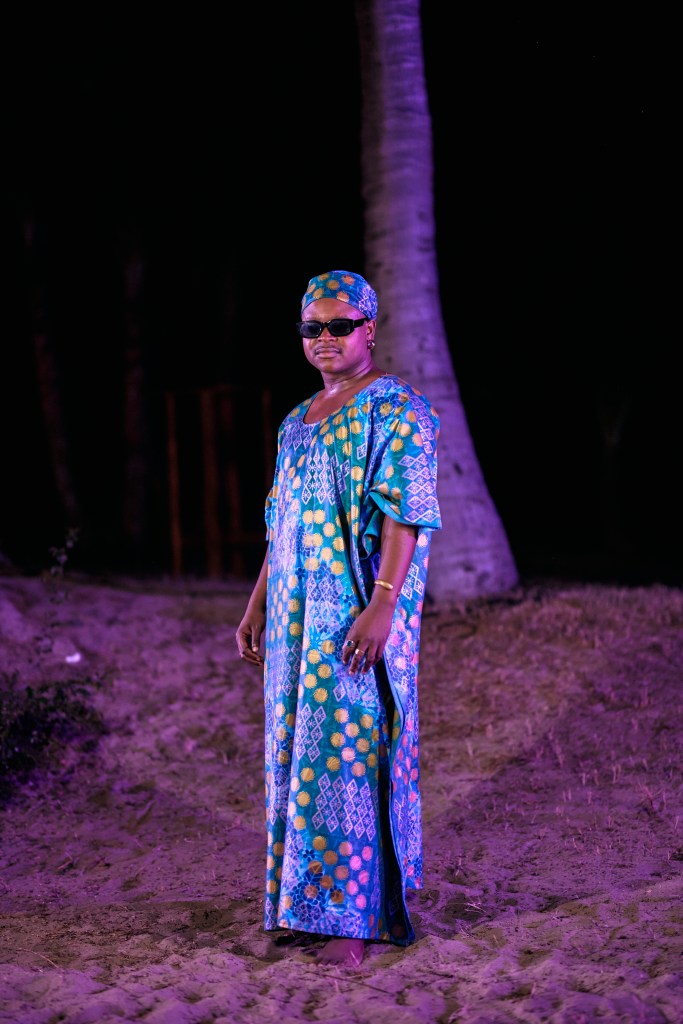
Among the men, South African musician Muneyi made a statement in a brightly coloured ensemble, blending traditional attire with modern design elements. His outfit was a perfect example of how contemporary African fashion is both innovative and deeply rooted in cultural traditions. The ensemble’s vibrant colours and intricate patterns highlighted the craftsmanship and creativity that define African fashion.
Muneyi, South African musician
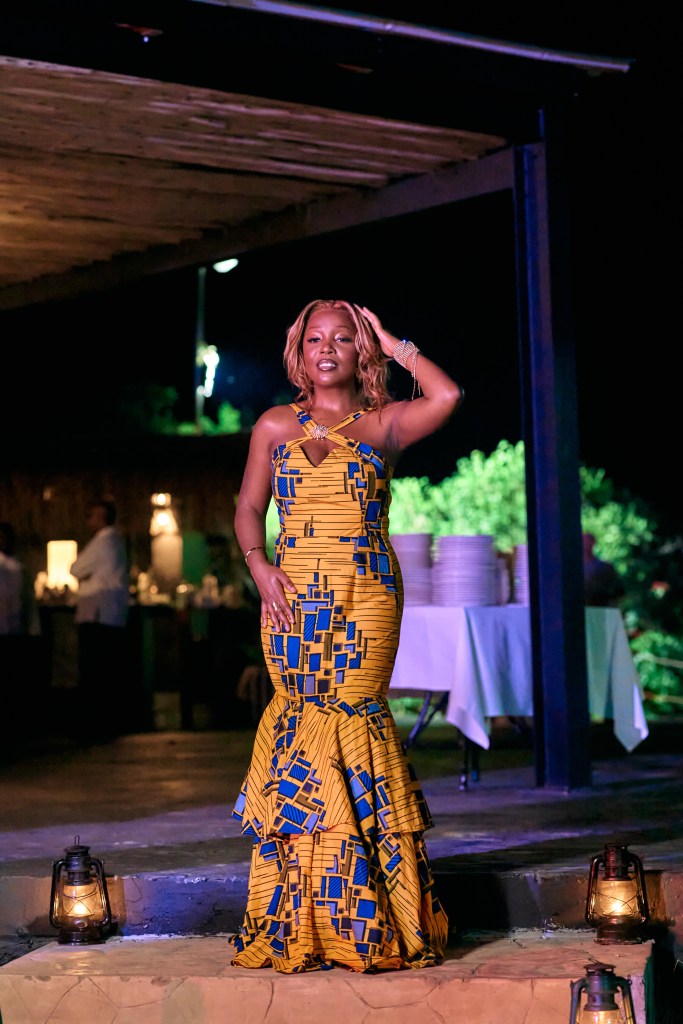
Accessories played a pivotal role in enhancing the vibrant theme of the evening. Bold, oversized jewellery and statement headpieces were abundant. Zambian host Tisa dazzled in a flowing, green dress paired with a dramatic headpiece that added an extra layer of sophistication and cultural significance to her look.
Tisa, Zambian host
The celebration of colour extended beyond clothing to the overall atmosphere of the event. The venue was decorated eloquently and illuminated by a kaleidoscope of lights, creating an immersive experience that reflected the night’s theme. The blend of fashion, culture, and colour created an unforgettable tapestry celebrating Africa’s diversity.
Night Two of The Greatest Party of All was a festival of colour and culture, showcasing the continent’s vibrant spirit and rich heritage. The array of vivid hues and eclectic styles was a testament to the creativity and diversity of African fashion, leaving attendees and onlookers alike in awe of the continent’s cultural richness.
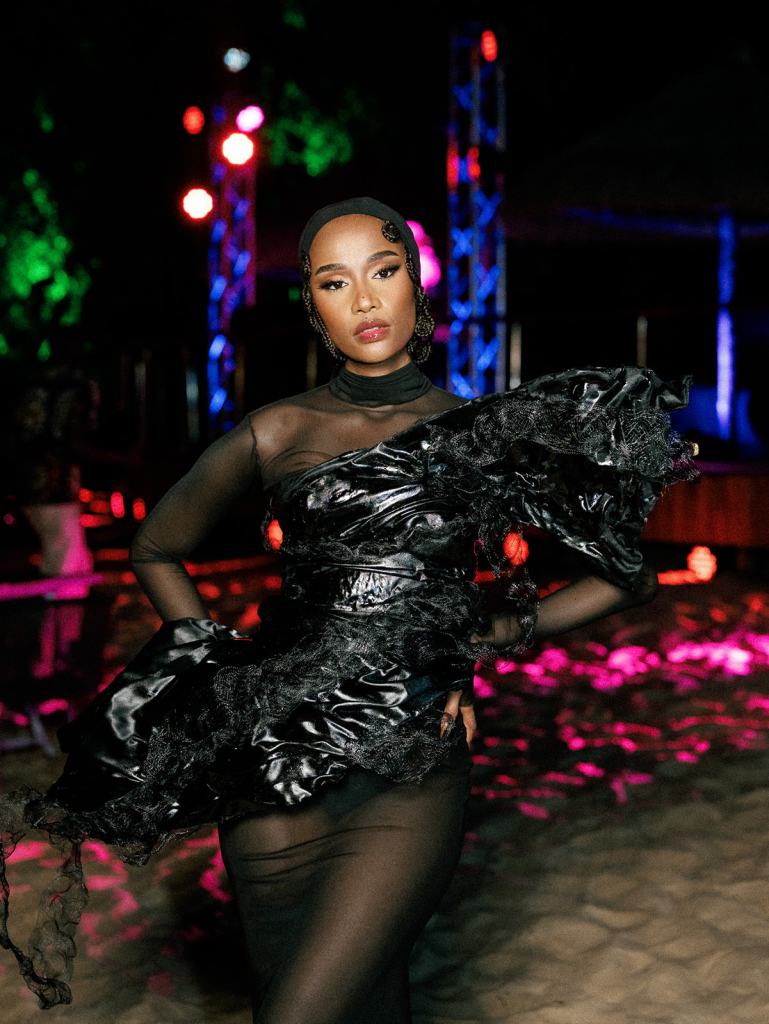
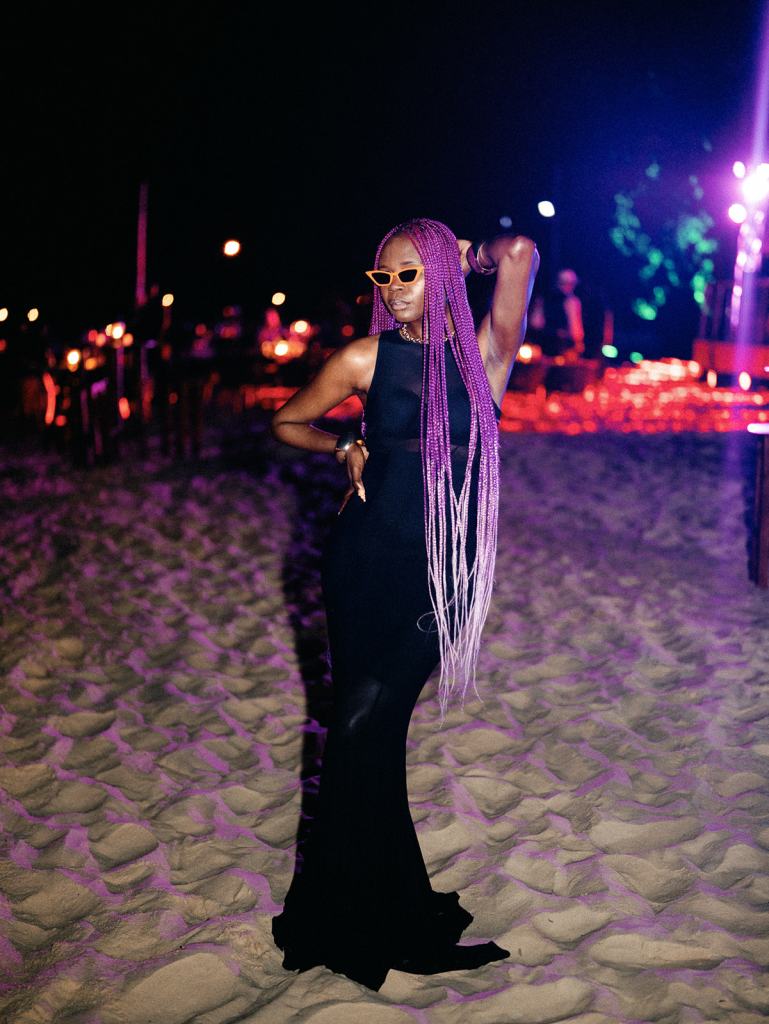
The Greatest Party of All kicked off in Mozambique at the Anantara Bazaruto Island Resort with an elegant and unified display on Night One. The theme, “Elegance in Black,” was a tribute to the timeless sophistication and cultural significance of the colour black in African heritage. Guests arrived in stunning ensembles that showcased the richness of African fashion while celebrating the continent’s unity.
As the sun set over the beautiful Mozambican coast, the venue transformed into a sea of black elegance. From sleek linen suits to flowing floor-length dresses, the attire was a testament to the versatility and grace of African fashion. Notable among the attendees was the ever-stylish former Miss Universe, Zozibini Tunzi, who wowed the crowd in a structured mesh gown adorned with an intricate headpiece that complemented her braids so well. Her look was a perfect blend of modern design and traditional craftsmanship.
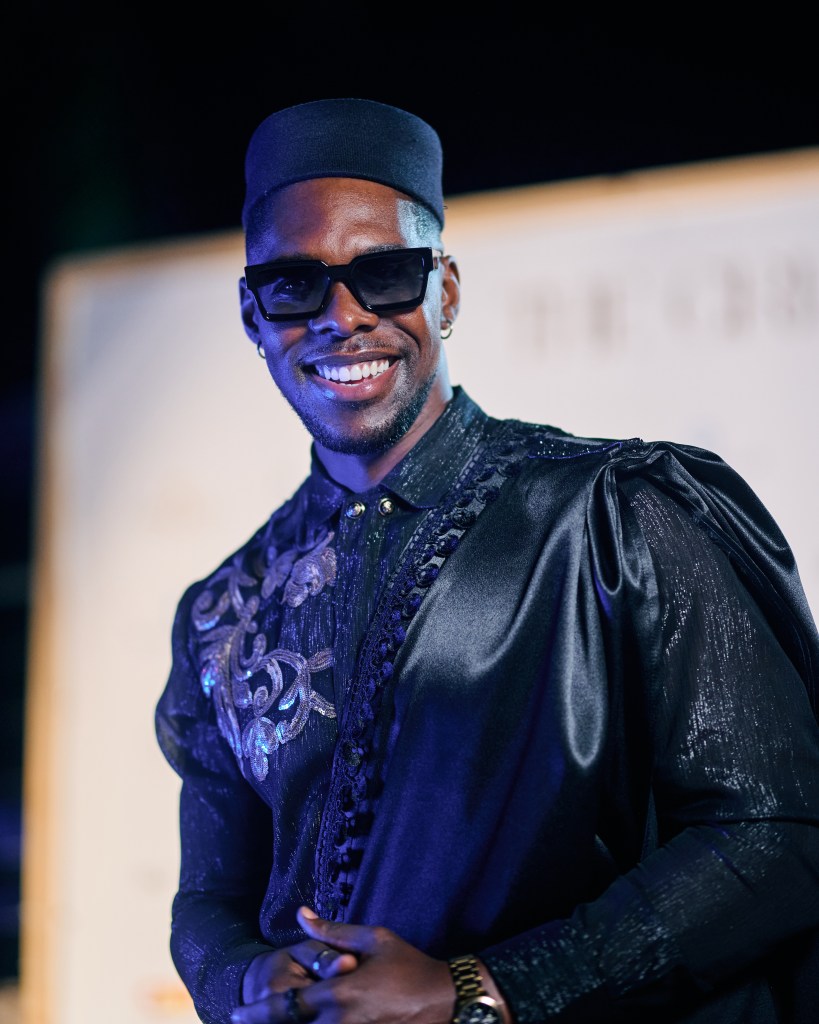
Men did not shy away from making bold statements either. Fashion icon and personality Luis Munana turned heads in a classic traditional suit with statement gold detailing and a satin over-the-shoulder throw. The outfit was completed seamlessly with a traditional cap. His choice highlighted how traditional elements can be integrated into contemporary fashion, creating a look that is both powerful and sophisticated.
Luis Munana: Fashion icon and owner of luxurious Champagne brand RaZul
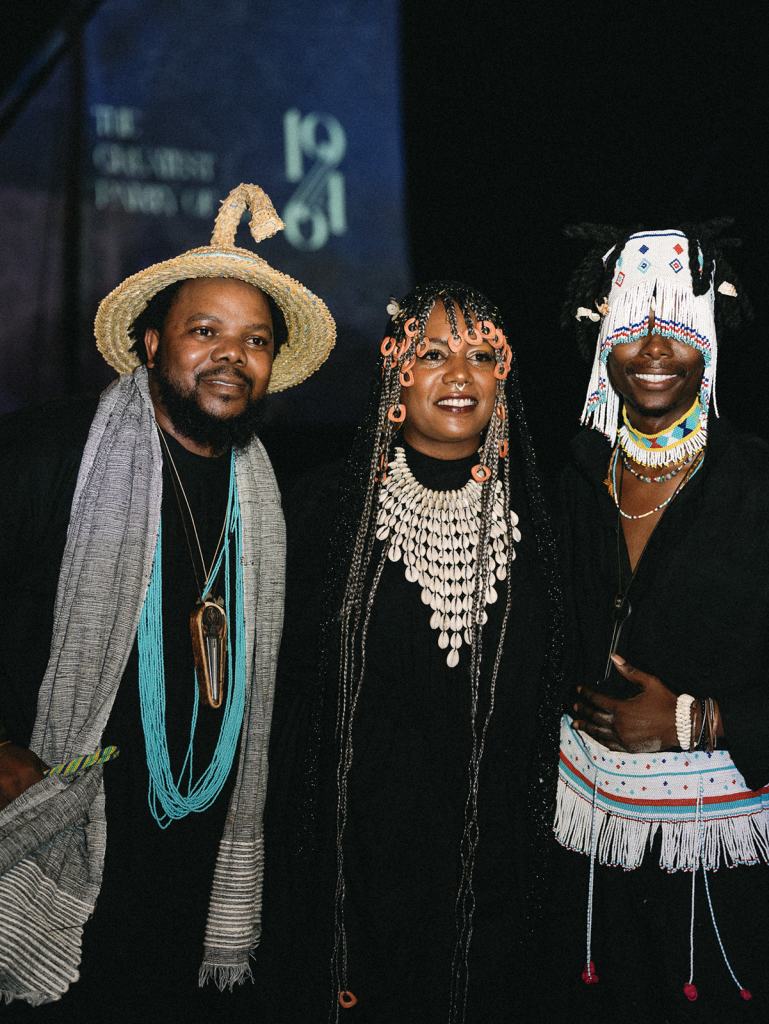
The event also showcased an array of accessories that paid homage to African artistry. Statement necklaces, beaded earrings, and intricately designed headpieces added a layer of cultural depth to the evening’s fashion.
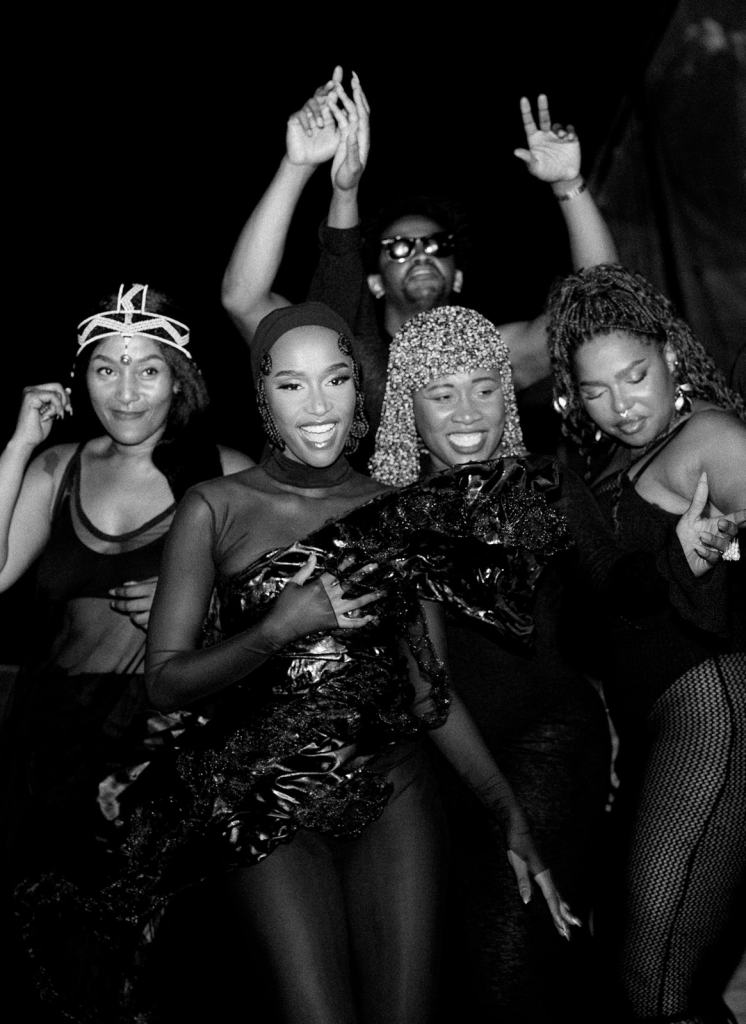
Night One of The Greatest Party of All was more than just a fashion show; it celebrated African unity and elegance. The black attire served as a canvas for the rich tapestry of African culture, proving that fashion can be a powerful medium for expressing identity and solidarity. As guests danced the night away, their outfits told a story of pride, unity, and timeless elegance, setting a high bar for the festivities to come.
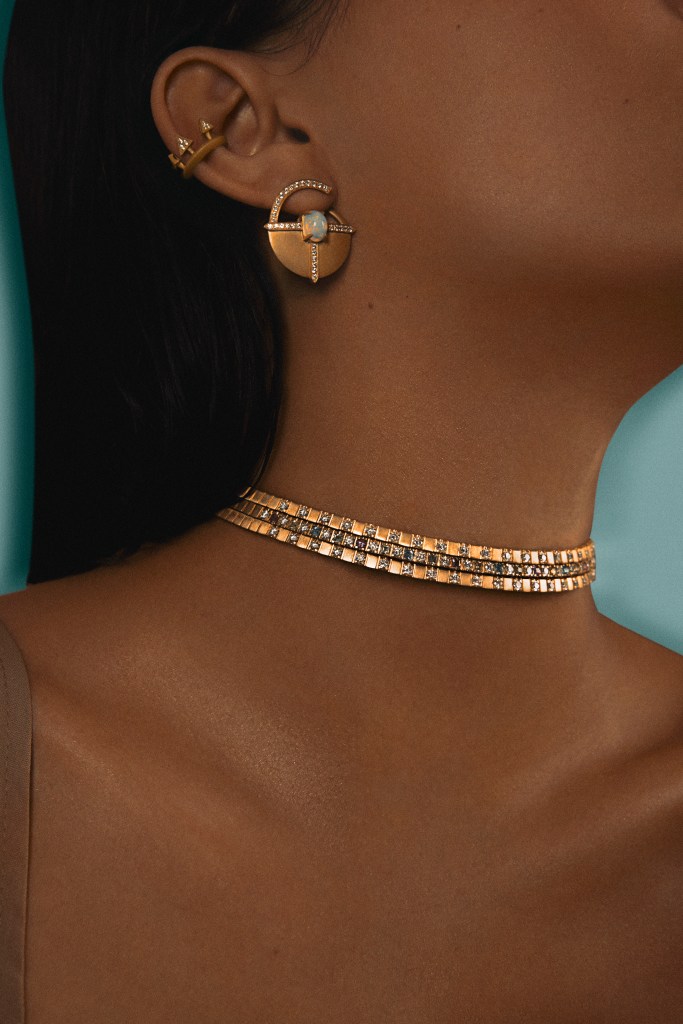
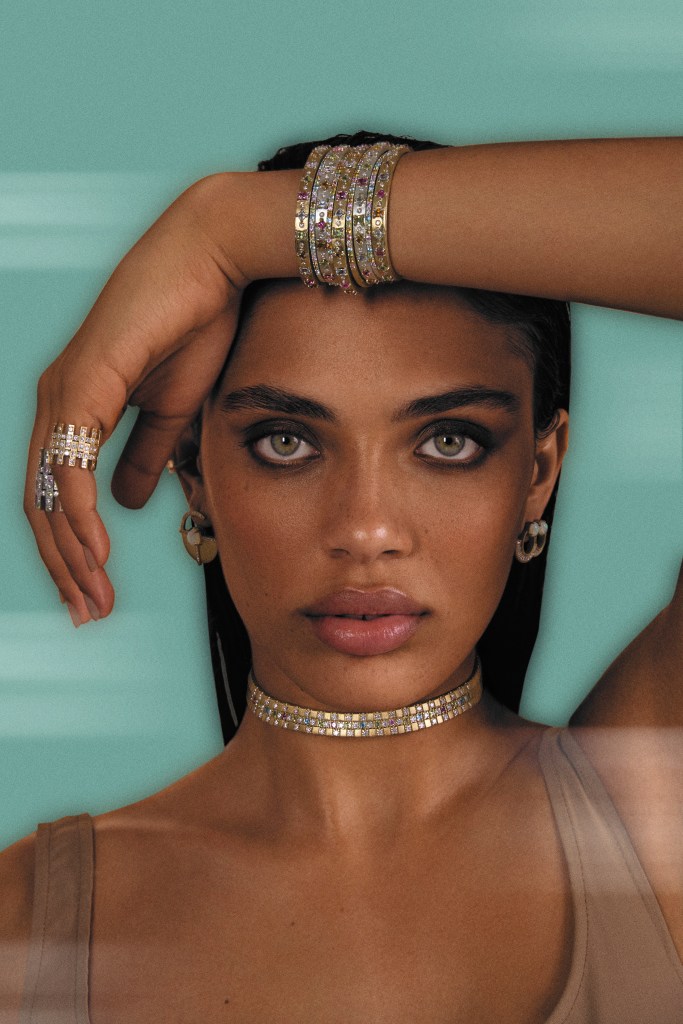
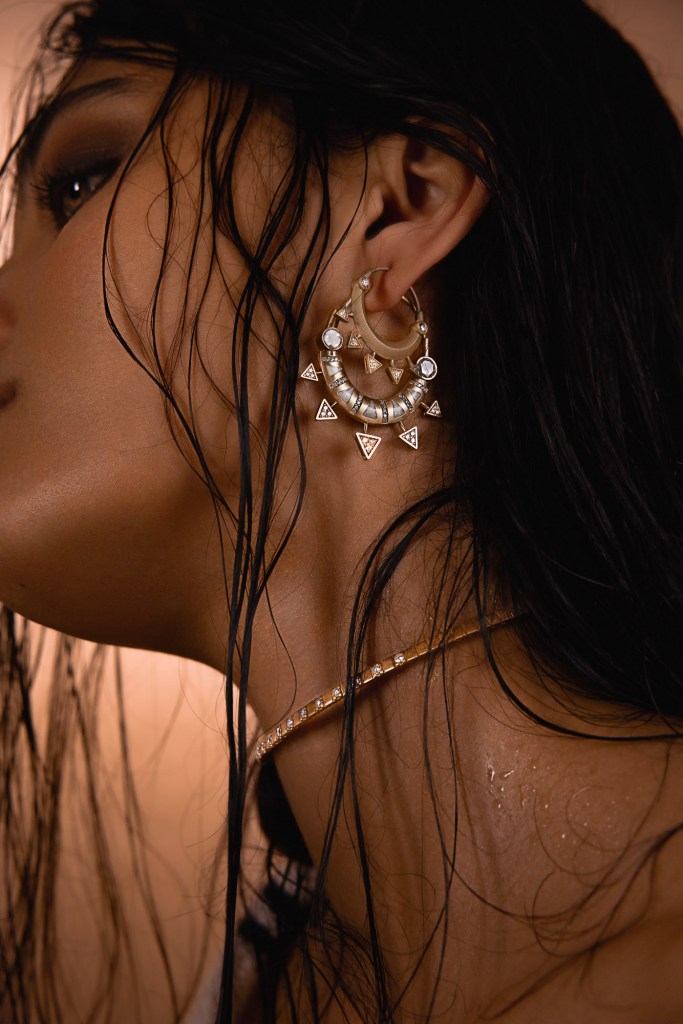
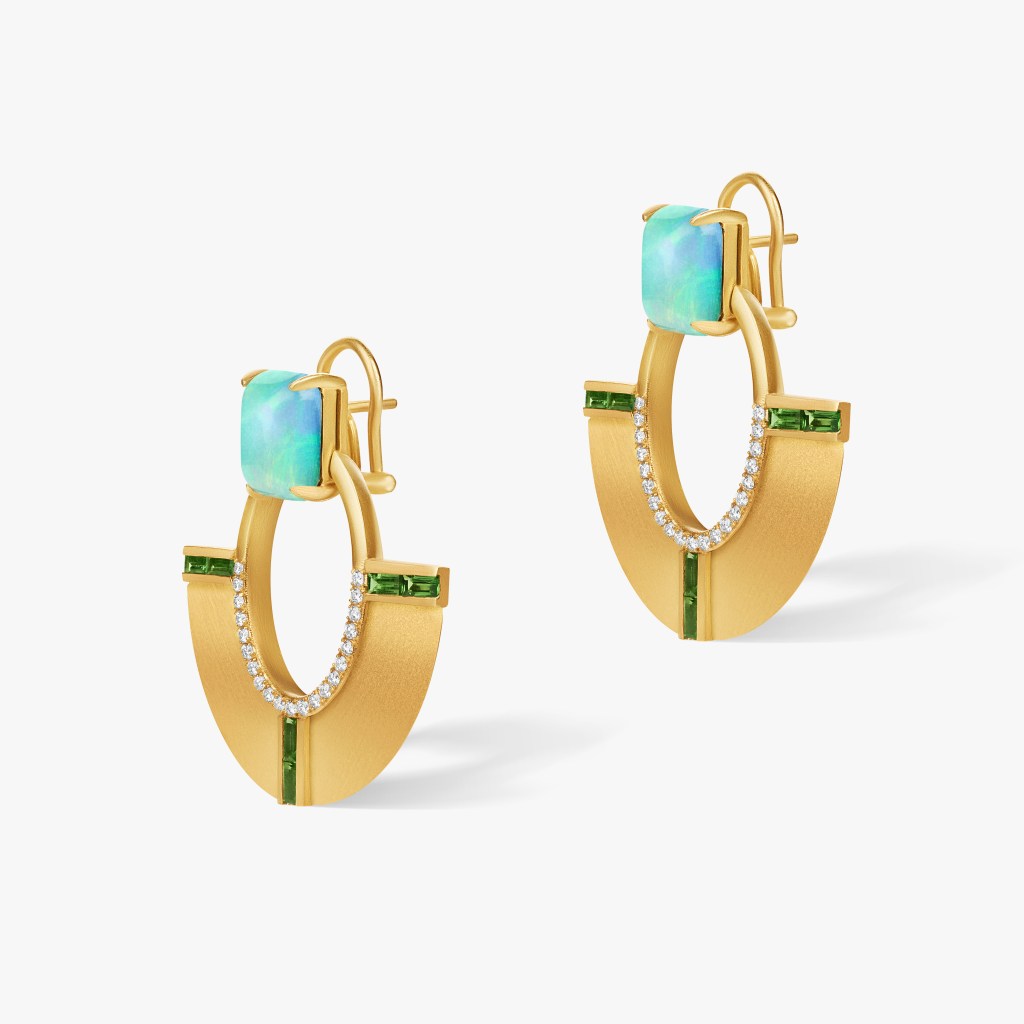
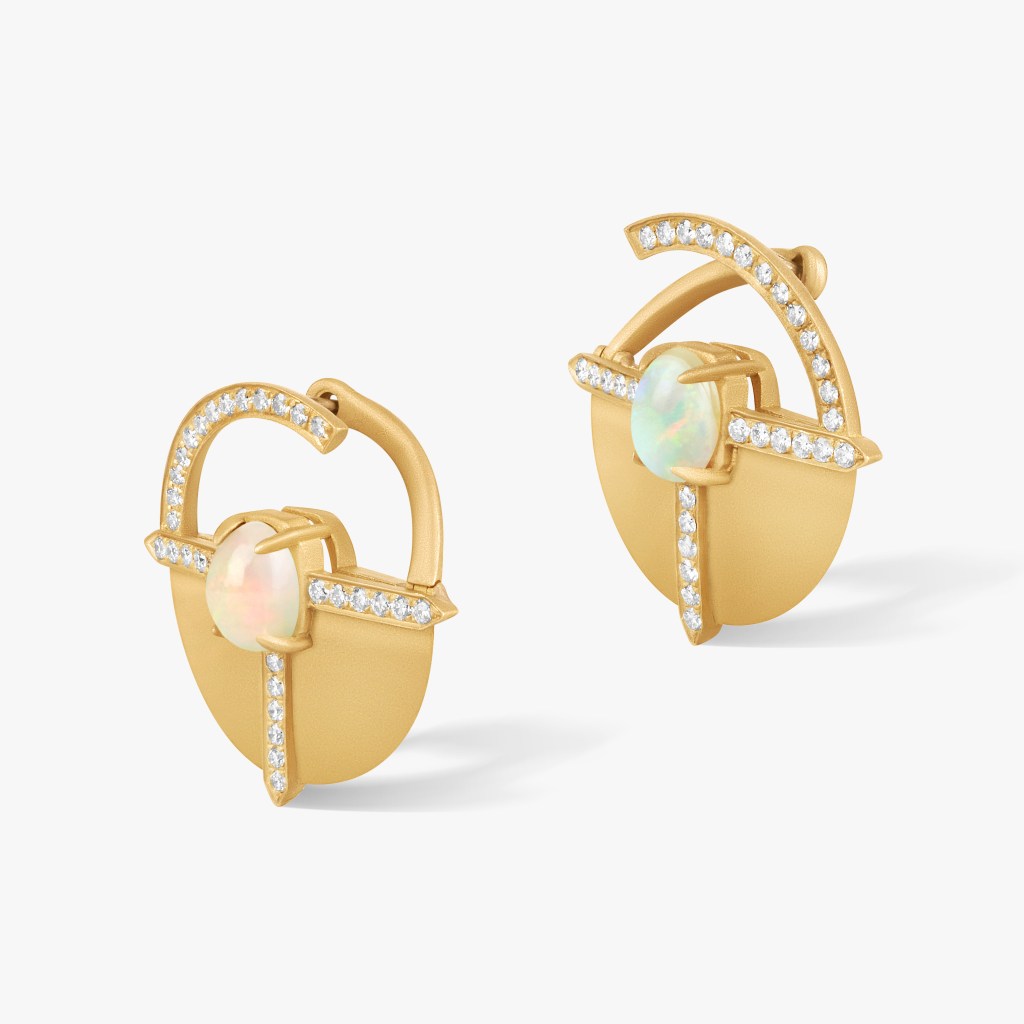
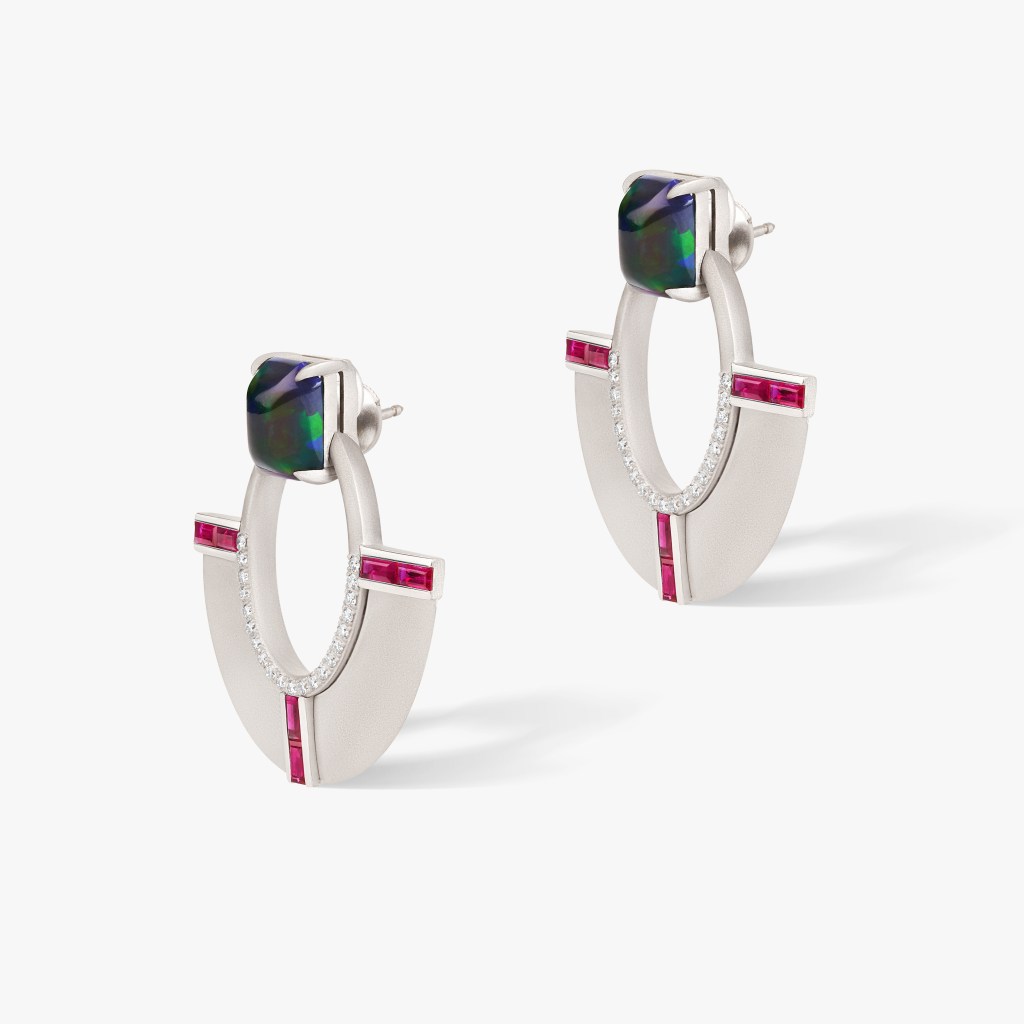
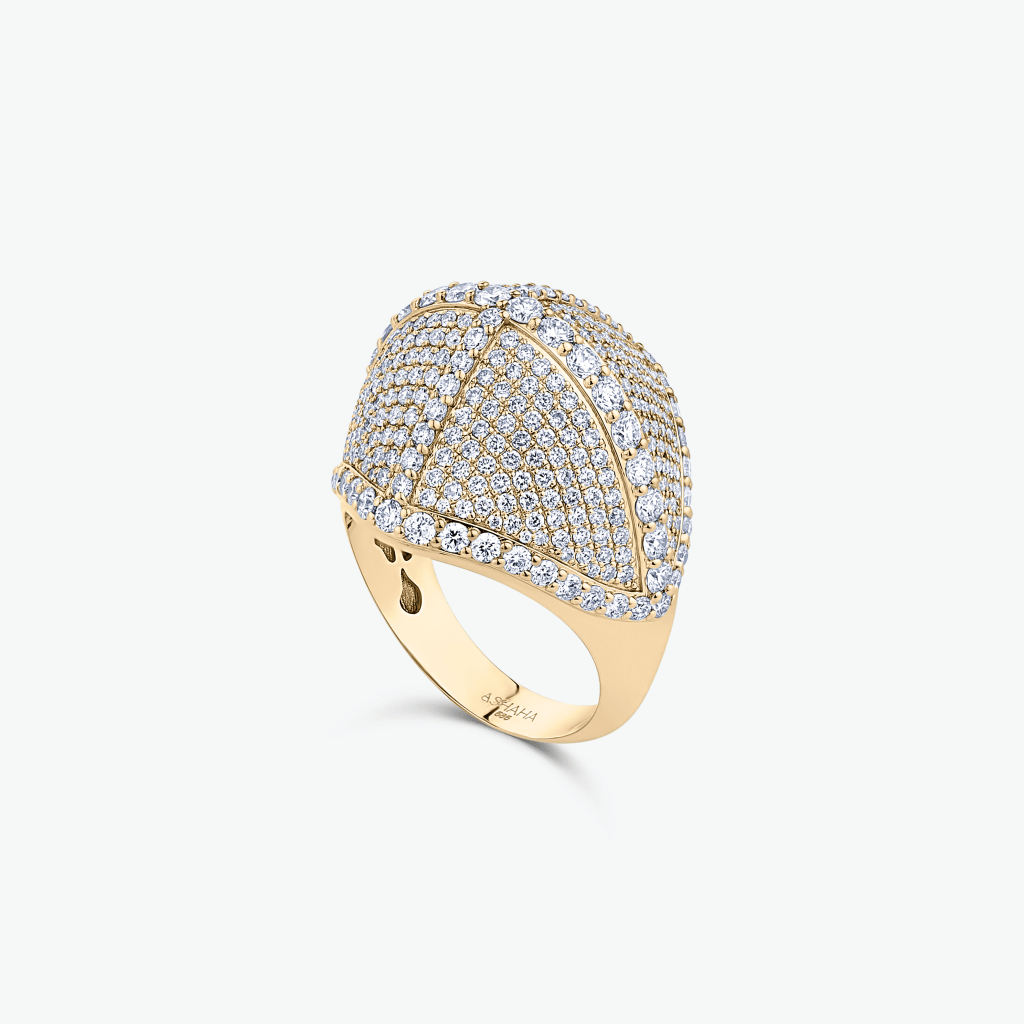
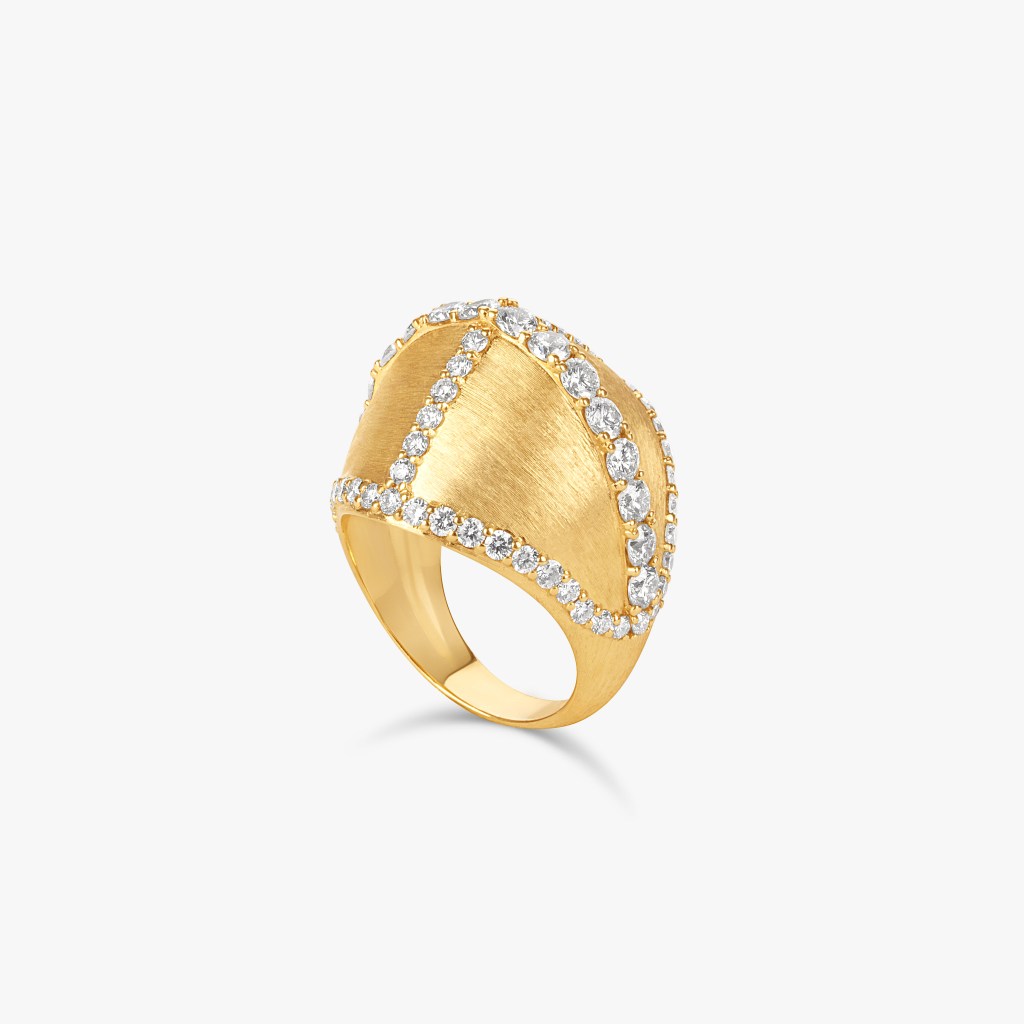
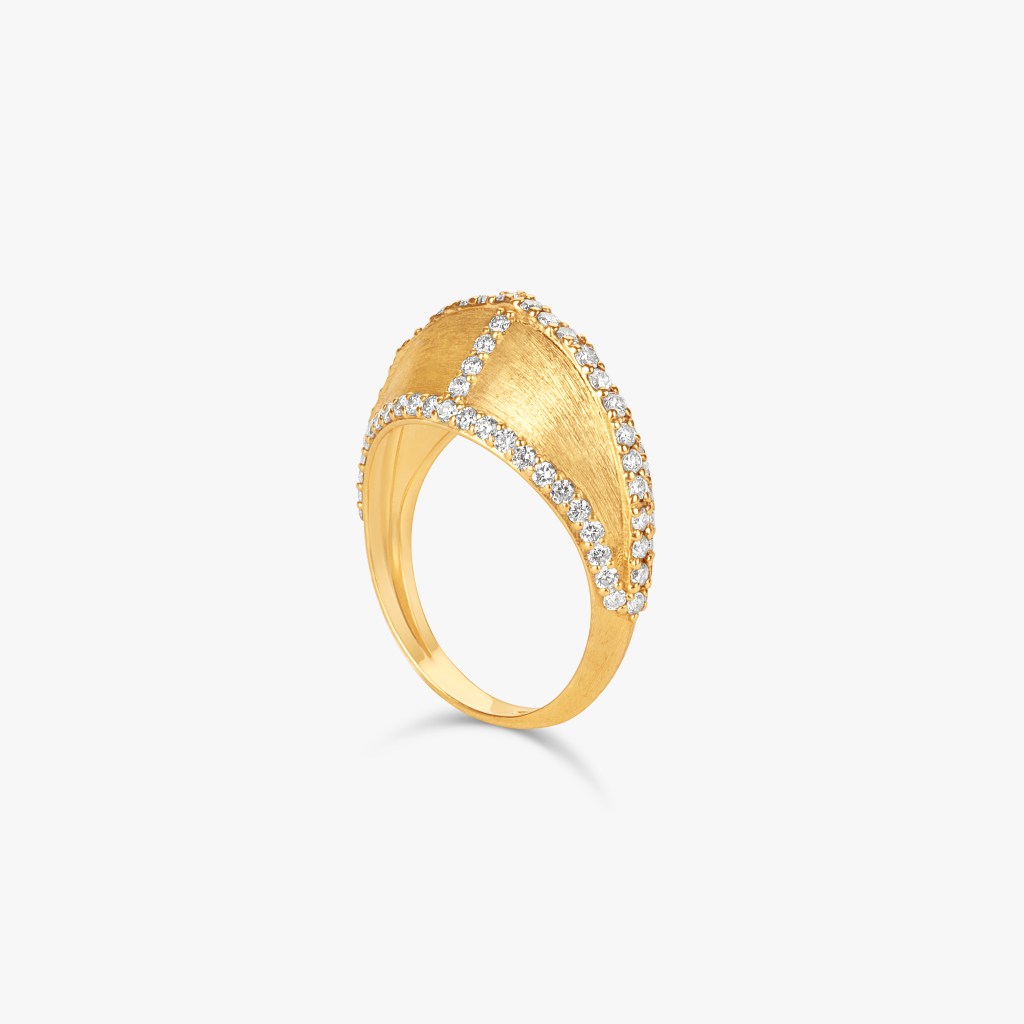
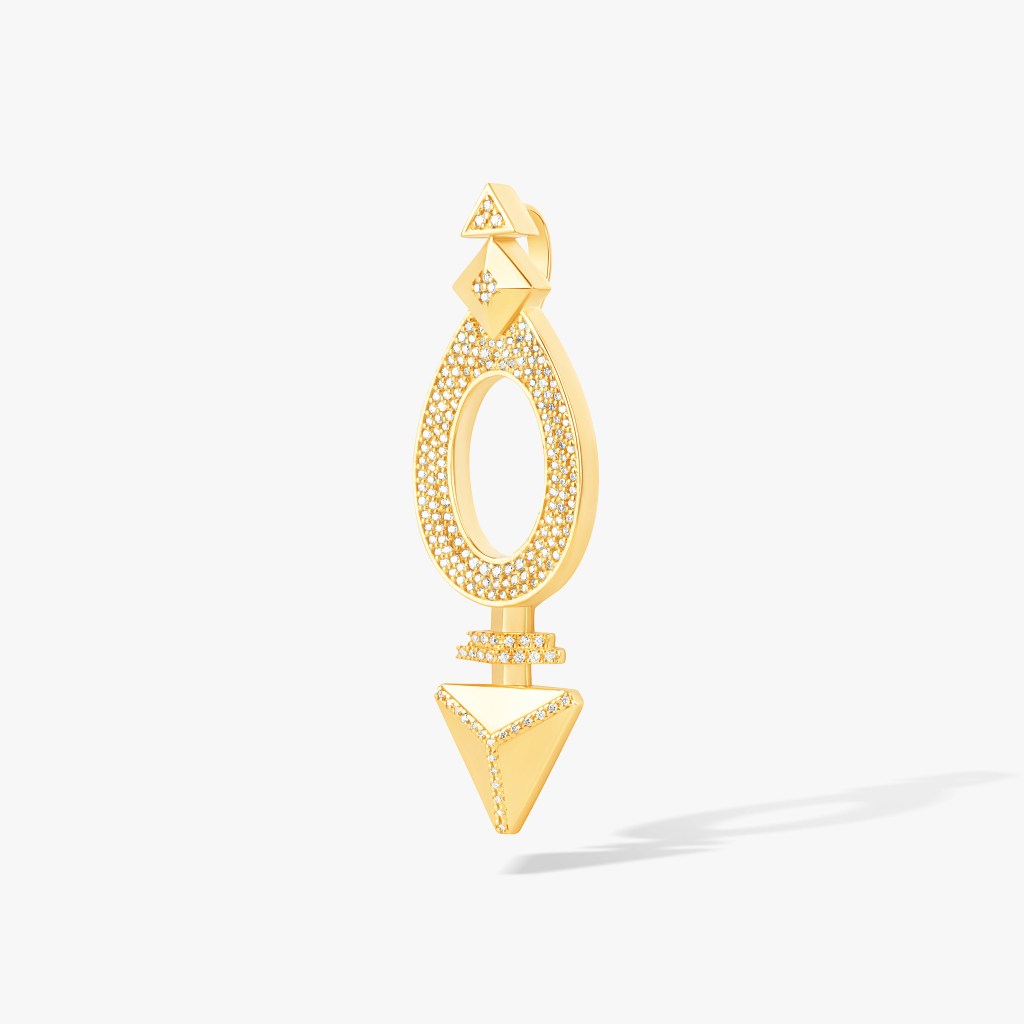
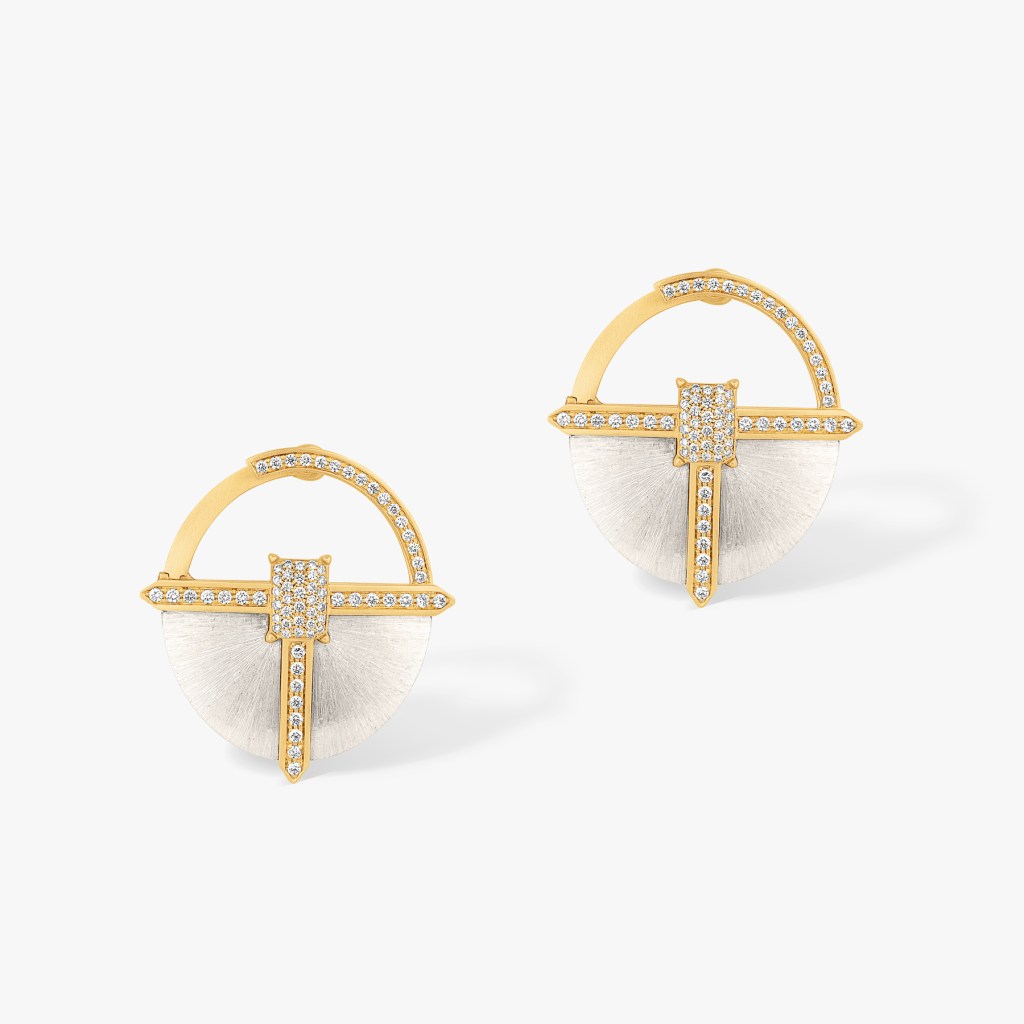
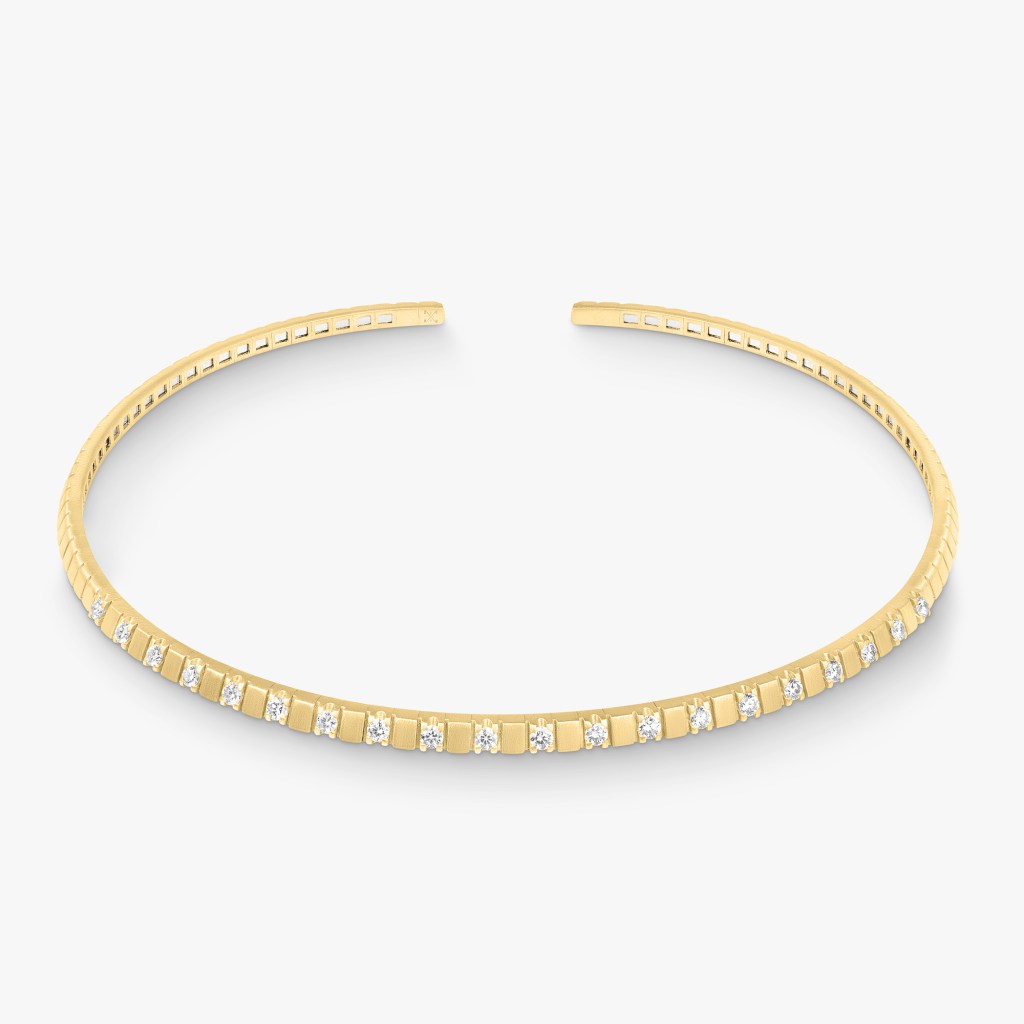
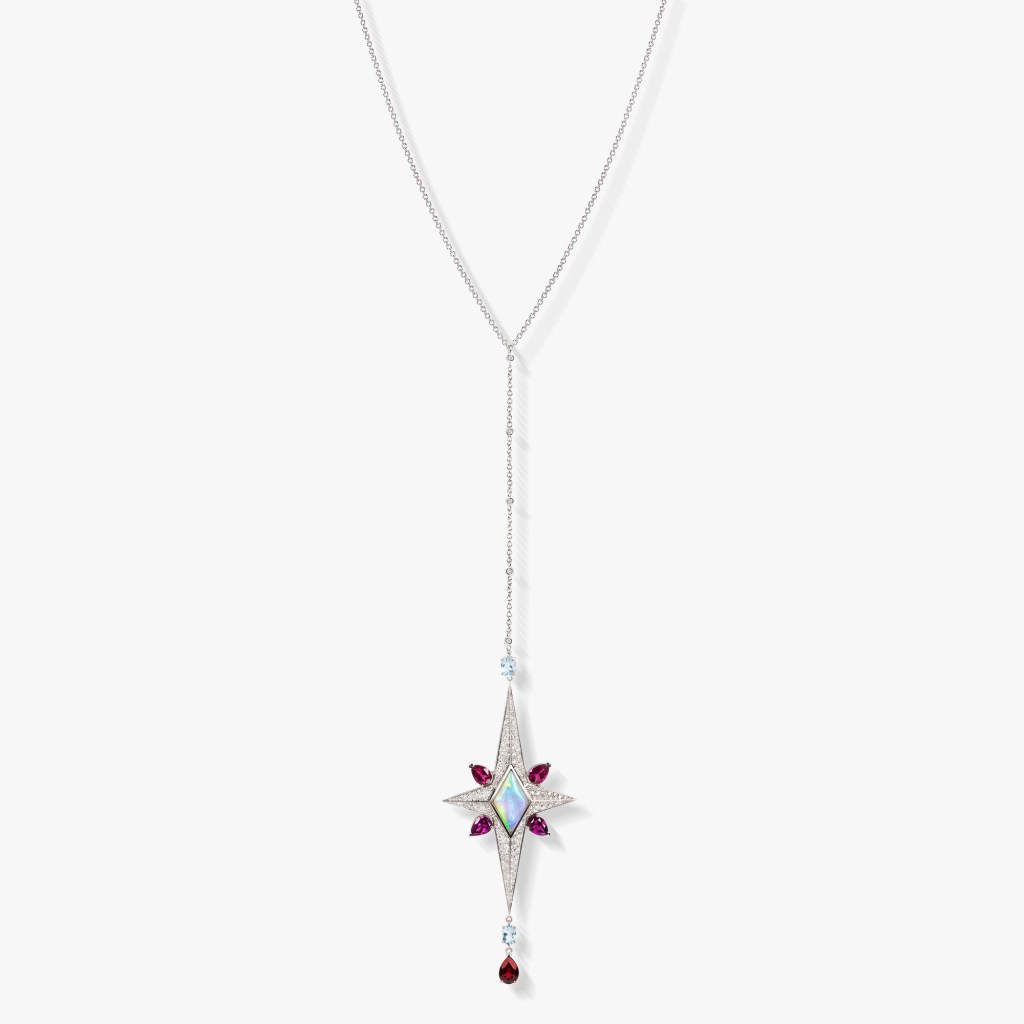
Fine jewellery designers often draw inspiration from their heritage, and for Oumaima Benharbit, her Moroccan roots form the foundation of her brand, Ashaha.
Oumaima’s journey into jewellery design began in an artistic household, with her father’s encouragement leading her to gemology school (GIA). As a Moroccan native, her designs are deeply influenced by her roots. Ashaha, a brand born out of love for design, reflects the rich Amazigh Berber culture, which dates back to 23,000 BC. The Berber population thrives in the Atlas Mountains, Sahara Desert, and coastal regions, with the unique Amazigh alphabet defining their cultural identity as one of the first civilizations.
Ashaha’s essence combines traditional Berber craftsmanship, showcasing meticulously worked and brushed gold with a solid, raw, almost antique quality. The designs feature bold geometric shapes, symbolism, and vibrant primary colours, embodying an edgy, avant-garde style. Drawing inspiration from the 70s, when Berber jewellery was widely admired and worn by iconic figures, Ashaha’s aesthetic embraces contemporary modernity. It also reflects how Amazigh Berber women accumulate jewellery, incorporating this layered, abundant style into its designs, creating a unique blend of heritage and current trends.
Ashaha’s pieces celebrate the vibrant, enduring spirit of the Amazigh Berber culture, offering a modern twist on traditional elegance.