All print versions of Fifty Four now available digitally Explore the Digital Library →

Afro-Argentines: The African Identity Argentina Tried to Erase

Argentina spent more than a century insisting it had no Black population. The Afro-Argentine community’s response that followed is one of the most determined acts of cultural recovery to happen in the Americas.
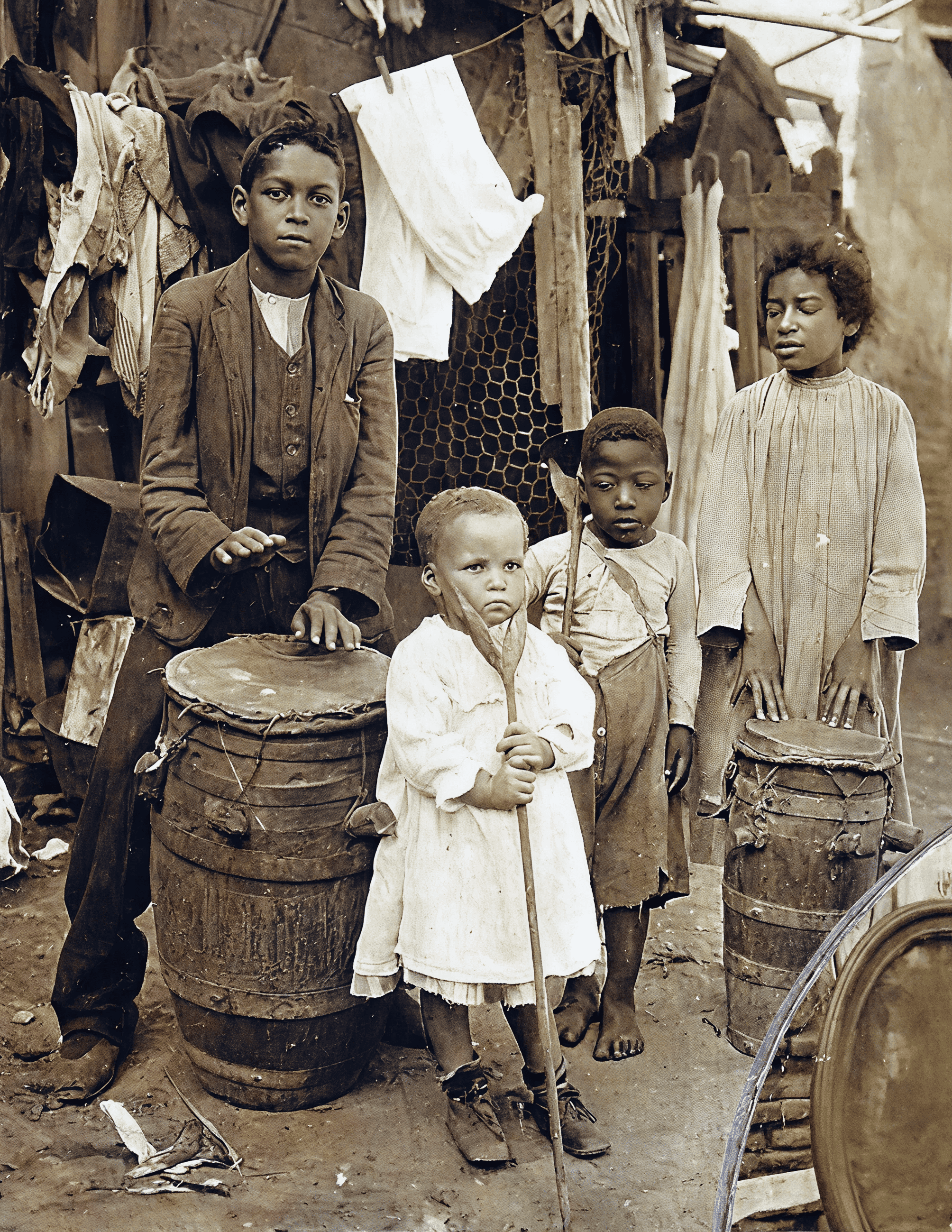
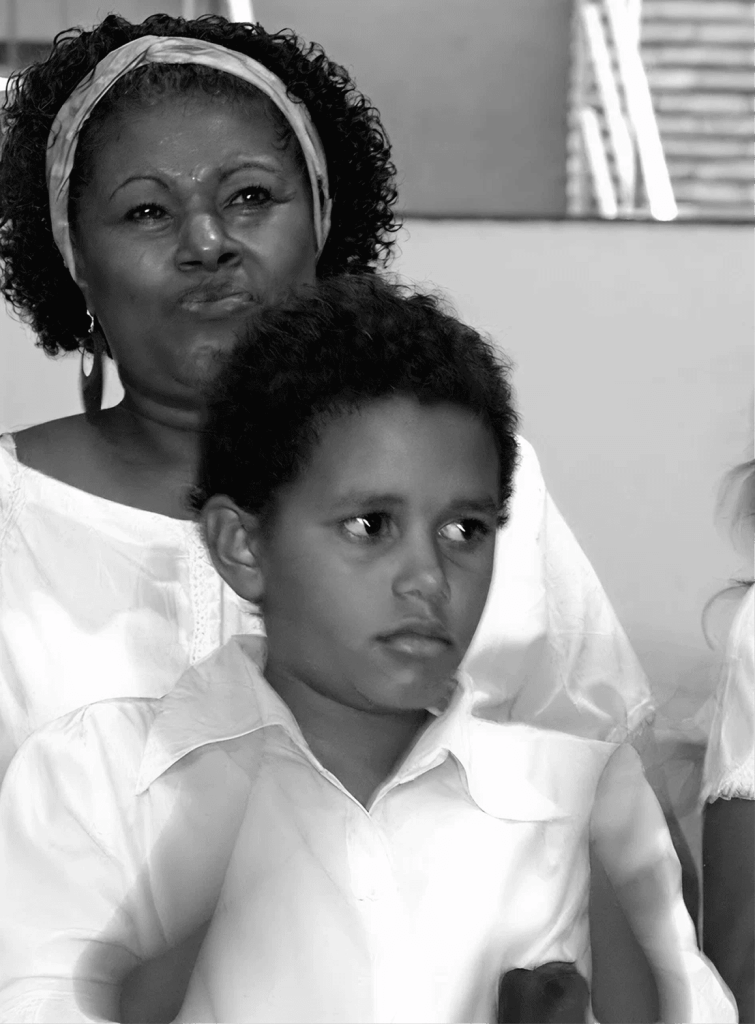
Argentina’s conventional story is a European one, its great cities shaped by waves of Spanish, Italian, and German immigration. Its cultural identity (tango, asado, and the River Plate literary tradition) draws heavily on those same European inheritances. The story of Argentina’s significant African population – entering the region from the 17th century onward via enslaved labour – is largely absent from this national account, however, not merely forgotten but in many respects officially suppressed and systematically erased from the record.

At the end of the 18th century, approximately 30% of Buenos Aires’ population was comprised of Africans and Afro-descendants: a proportion that fell dramatically by the time the 1887 census (the last to record race) rolled around. Historians cite a combination of causes: high mortality from the 1871 yellow fever epidemic; disproportionate deaths in 19th century wars that saw Black soldiers serving in the most exposed and dangerous roles; and the deliberate reclassification of Afro-Argentine people as White or Mestizo in official records. The population did not disappear; it was recorded as having disappeared, an entirely different thing altogether.
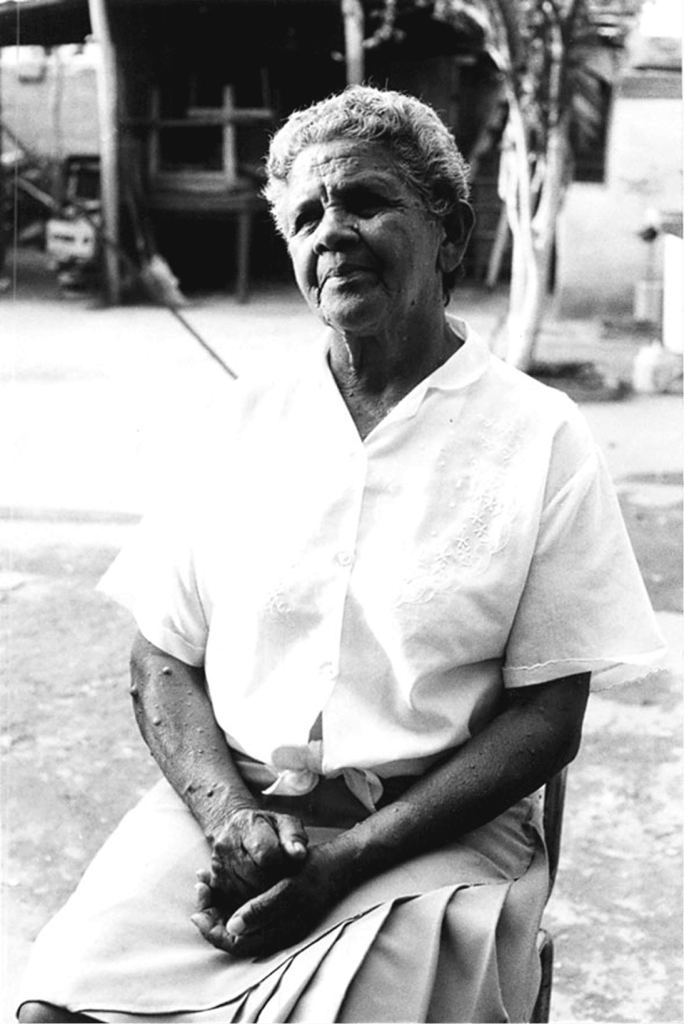
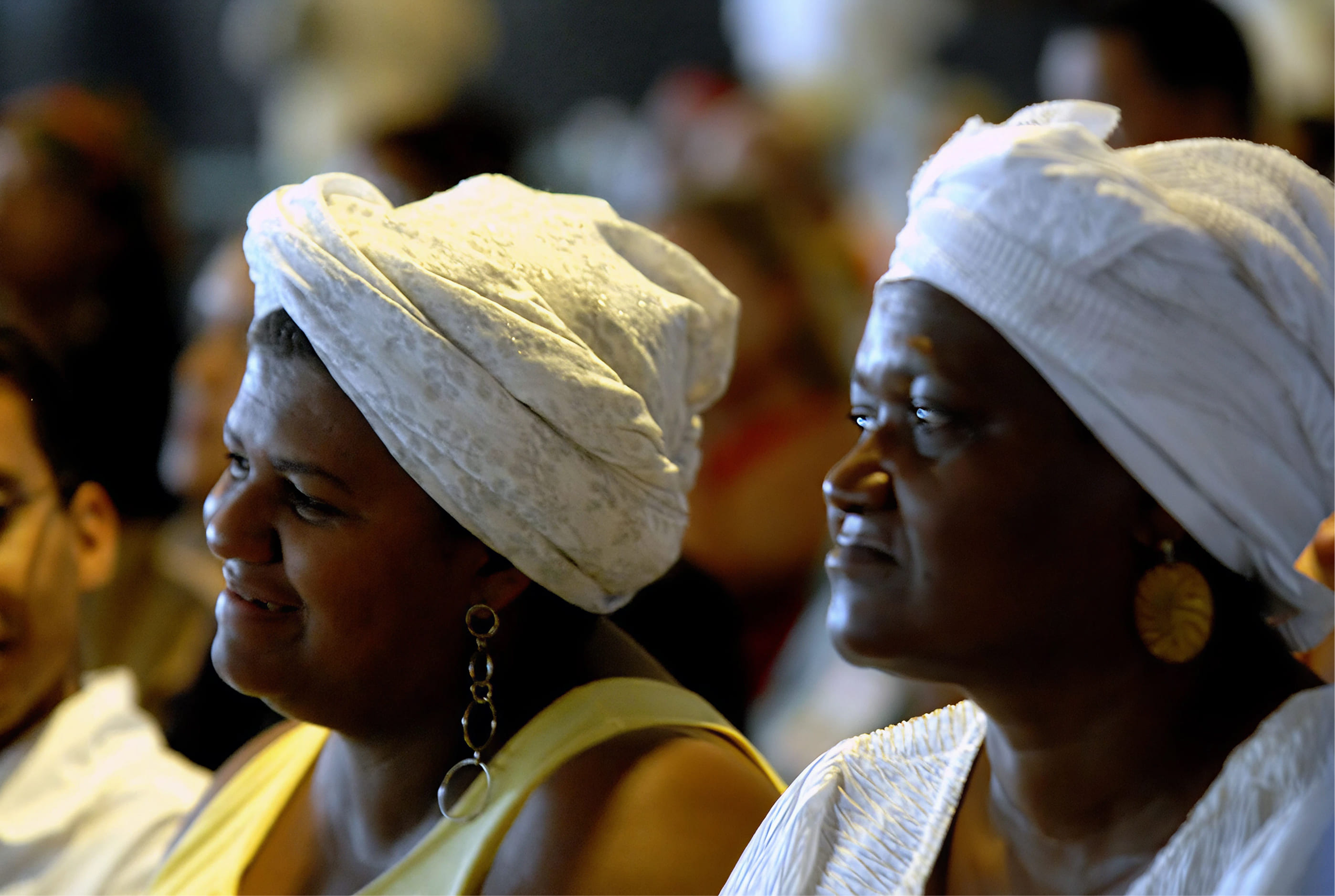
Despite this official erasure, Afro-Argentine communities persisted – in the outskirts of Buenos Aires, interior provinces of Corrientes and Entre Ríos, and border regions next to Uruguay and Brazil. They maintained their social networks, music, and cultural practices with the particular tenacity of people who understand that no one else will remember them if they don’t remember themselves.

The candombe – a drumming tradition of Bantu origin, shared with Uruguay and brought to the Río de la Plata region by enslaved Congolese and Angolan people – never truly disappeared from Argentine cultural life. The practice was often attributed to Uruguayan influence, a convenient fiction that avoided acknowledging its Argentine-African roots. Today, Buenos Aires hosts candombe groups and street processions explicitly reclaiming the form as Afro-Argentine heritage, drumming in public squares as a deliberate act of cultural restoration.

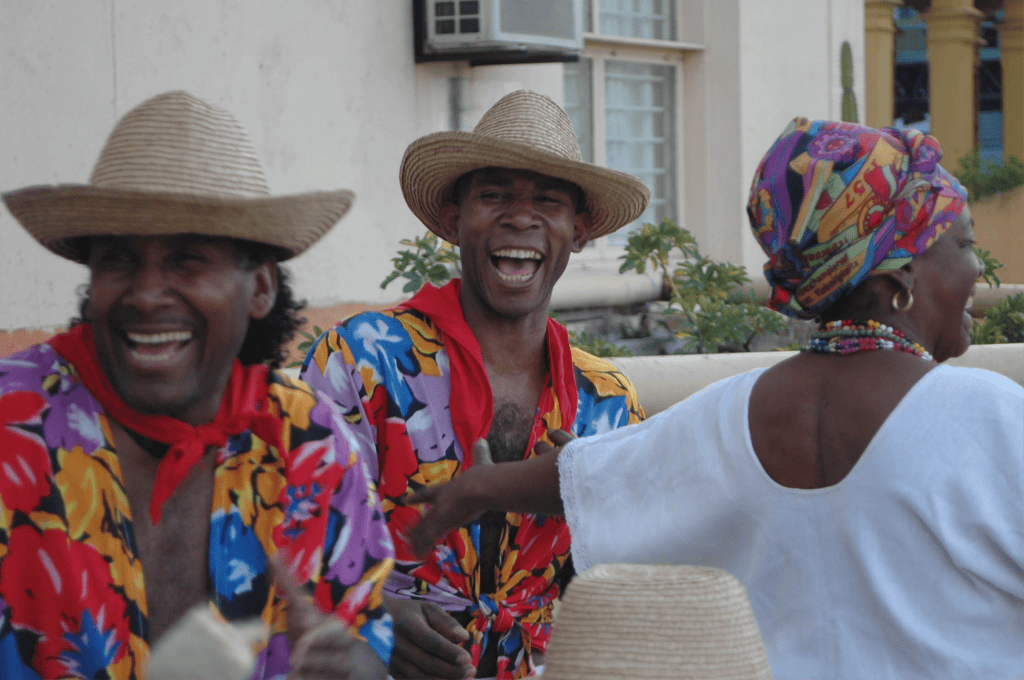
Since the 2010 census – the first in over a century to include a question on African descent – a formal Afro-Argentine movement has gathered real momentum. Organisations like África Vive have pushed for legal recognition, educational reform, and the inclusion of Afro-Argentine history in school curricula, and the government formally recognised the community as a distinct ethnic group in 2013 as a long-overdue step forward.

Young Afro-Argentine artists, academics, and activists are doing the work national institutions have long neglected: tracing family trees official records interrupted, documenting cultural forms that endured underground, and building a visual culture and literature that insists on their presence. Murals in the Buenos Aires neighbourhood of San Telmo – where enslaved Africans once lived in the highest concentrations – are bringing African faces back to walls that’ve missed them for more than a century.
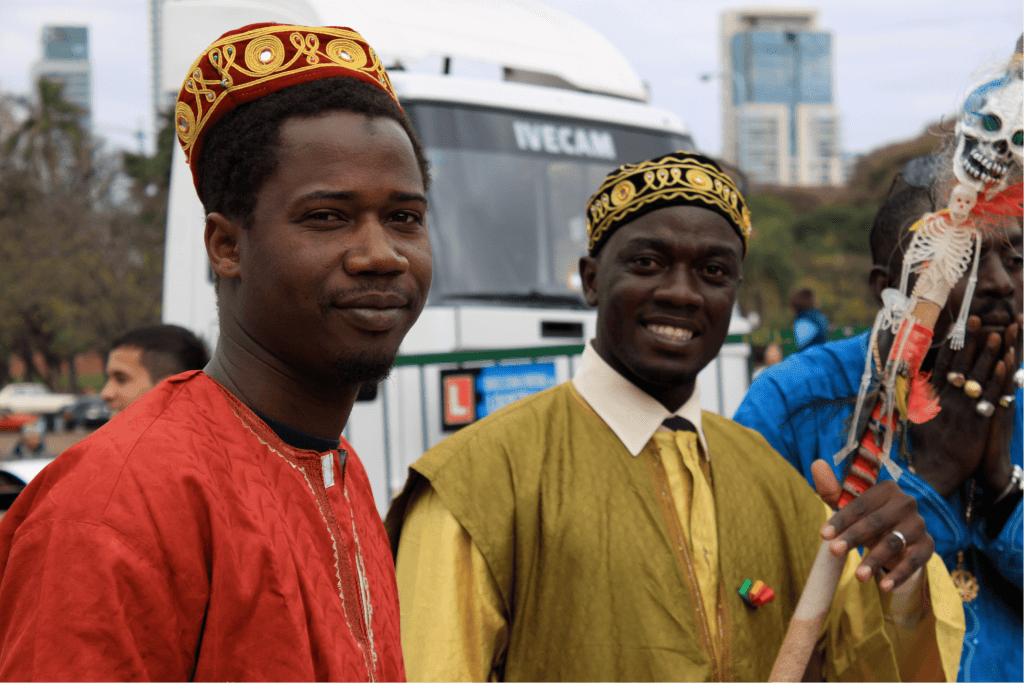
The Afro-Argentine story is ultimately about what happens to identity when the official record refuses to see you and what people do to persist nonetheless. The continuum here is an act of sustained will carried across generations, a decision to remember what the state chose to forget. It lives in the candombe drummer on a Buenos Aires street who knows precisely what they’re carrying and why and the researcher who reads a census saying she doesn’t exist, writing back with the clarity of someone who’s always known the truth: I am here. I have always been here, and now I intend to be counted.

“The population did not disappear. It was recorded as having disappeared, which is an entirely different thing.”

Image citations:

  1. https://commons.wikimedia.org/wiki/File:Cabo_Verde_01_(5818067659).jpg
  2. https://www.hilariobooks.com/blog-article.php?slug_es=fotografiando-el-presente-afroargentino-la-coleccion-destefano&lang=en#gallery-1
  3. https://commons.wikimedia.org/wiki/File:Patio_Gastron%C3%B3mico_(6980193609).jpg
  4. https://kwekudee-tripdownmemorylane.blogspot.com/2012/10/african-descendants-in-argentina-afro.html
  5. https://commons.wikimedia.org/wiki/File:Senegal_12_(5818061067).jpg
  6. https://commons.wikimedia.org/wiki/File:Afroargentinos.jpg
  7. https://en.wikipedia.org/wiki/Afro-Argentines#/media/File:Puesto_de_empanadas_atendido_por_su_due%C3%B1o,_Buenos_Aires_1937.jpg
  8. https://commons.wikimedia.org/wiki/File:Lancero_de_la_%C3%A9poca_de_Rivera.png#/media/File:Lancero_de_la_%C3%A9poca_de_Rivera.png
Quilombola: Invisible African States in Brazil’s Heartland

Deep in the Amazon and across Brazil’s interior heartland, thousands of quilombola communities – founded by Africans who liberated themselves from enslavement – continue to live by the values and forms their ancestors built from freedom.

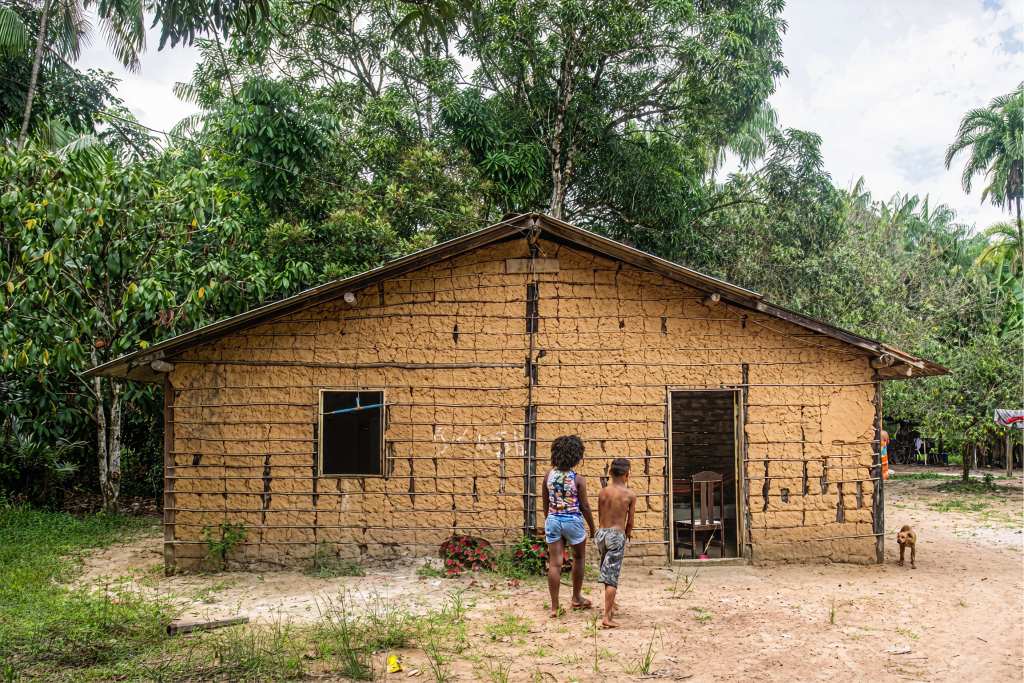
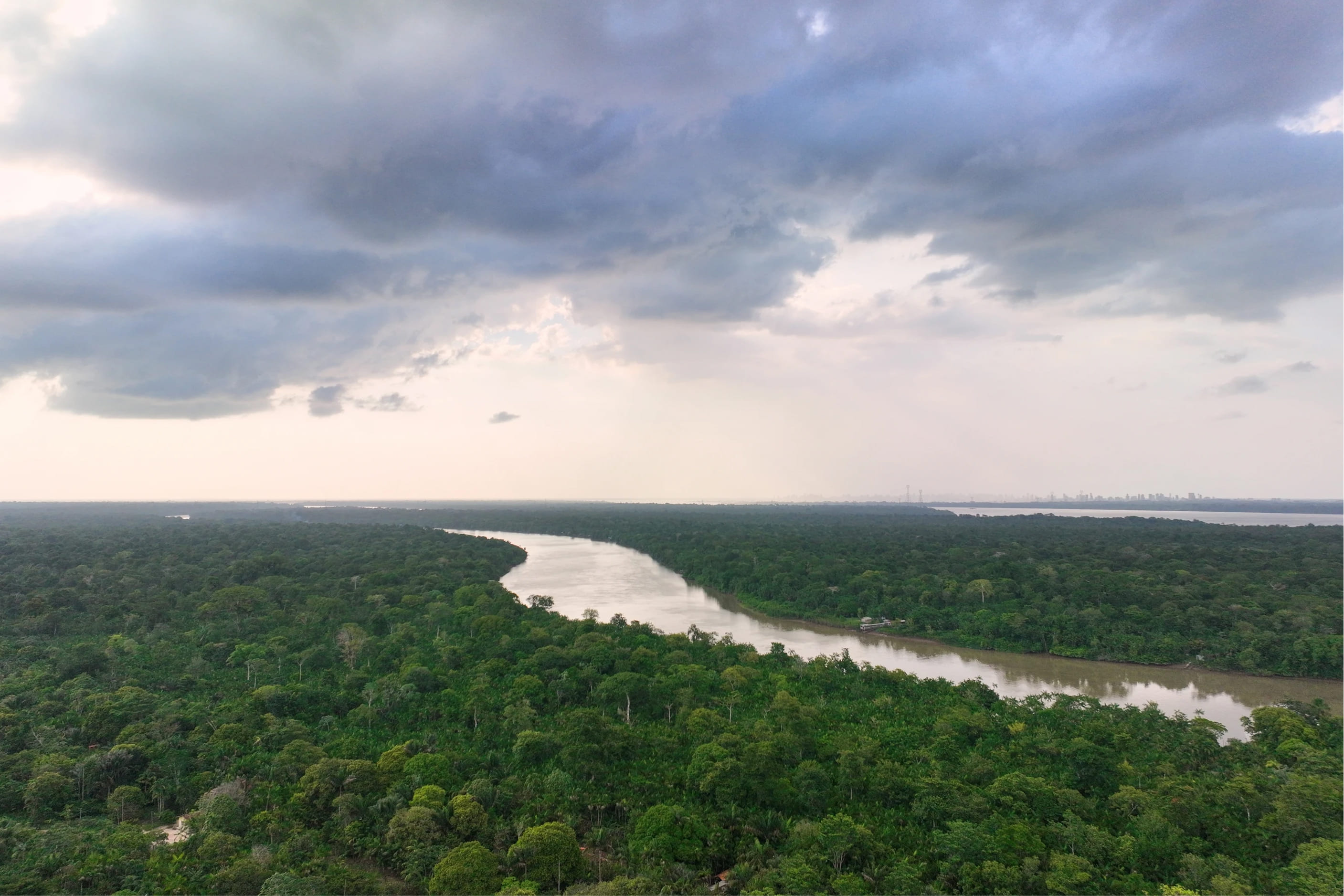
The road to the quilombo of Kalunga, in the Cerrado highlands of Goiás state, takes several hours by dirt track from the nearest town. The landscape is dramatic and spare: red earth, twisted trees, a sky hanging lower and closer than it should. The people who live here, some 4,000 of them spread across a territory spanning three municipalities, did not arrive by accident. Their ancestors chose this place precisely because no one else wanted it and because in its remoteness lay a freedom available nowhere else.
Quilombos were communities established by Africans who escaped enslavement in colonial Brazil; people who ran, fought their way out, and refused the conditions imposed on them to ultimately build something entirely new in the interior. The word itself (“quilombo”) comes from the Kimbundu language, spoken by the Bantu peoples of present-day Angola – “kilombo” referring to a warrior camp, a place of organised resistance and collective life. Brazil’s quilombos were exactly this, not merely refuges but functioning states and communities with their own governance, agriculture, spiritual practice, and systems of law.

The most celebrated quilombo in Brazilian history was Palmares, a confederation of settlements in the present-day Alagoas state that at its height housed an estimated 20,000 people and survived for nearly a century – resisting multiple military expeditions before finally falling in 1694. Its leader, Zumbi dos Palmares, went on to become the central figure of Brazilian Black consciousness and is now commemorated annually on 20 November: the national day of Black Awareness. Palmares was the dramatic peak of a far broader story, in fact.

Across Brazil, quilombo communities formed wherever enslaved people could reach marginal land: in the Amazon basin, Bahian interior, highlands of Minas Gerais, and across the deep south. They developed in relative isolation – adapting African agricultural, spiritual, and social systems to Brazilian ecologies – and traded with neighbouring Indigenous communities and free Black and mixed-race populations in colonial towns, building webs of solidarity that the official record largely chose not to see.

The Brazilian constitution of 1988 formally recognised quilombola communities as the rightful occupants of their ancestral territories, granting them land rights based on historical occupation. The legal process of titling those lands, however, has played out as a slow and contested process, persistently obstructed by agricultural interests and state indifference though the recognition itself marked a genuine turning point. More than 6,000 quilombola communities are now formally certified across Brazil, with hundreds more pursuing certification.

In these communities, African cultural forms have survived in ways that are less visible but often more complete than in urban settings. The jongo of south-eastern Brazil and the tambor de crioula of Maranhão retain direct structural links to Bantu musical traditions. Healing practices draw on Angolan and Congolese botanical knowledge, adapted over centuries for Brazilian plants. Agricultural methods developed in the quilombos represent sophisticated ecological intelligence that contemporary food sovereignty movements are only now beginning to recognise as valuable.

The quilombola communities are archives in the truest sense, not paper archives but living systems where knowledge is held in practice, land-use, and ceremony and how a community organises itself around water, a harvest, and the memory of those who came before.

The continuum here is not metaphorical but territorial. It is the land itself, held by communities whose ancestors chose freedom over safety and built – deep in the interior of someone else’s country – a world answering to no one but itself.

That world endures, one of the most radical acts in the history of the African diaspora baked into its endurance.

“That world endures. And in its endurance is one of the most radical acts in the history of the African diaspora.”

Image citations:

  1. https://apnews.com/article/climate-brazil-slave-descendants-quilombos-cop30-ff980cc36dcd8f120eb1799c7fbf9aa0
  2. https://commons.wikimedia.org/wiki/File:Quilombolas.jpg
  3. https://pulitzercenter.org/stories/quilombola-people-pandemic-meant-abandonment-racism-and-necropolitics-portuguese
  4. https://www.nationalia.info/imatges/noticies/quilombo_dos_palmares.jpg
  5. https://projetocolabora.com.br/wp-content/uploads/2021/02/quilombo-3-1.jpg?x33110
  6. https://projetocolabora.com.br/wp-content/uploads/2021/02/quilombo-8-1.jpg?x33110
  7. https://amazoniareal.com.br/wp-content/uploads/2018/01/Moradora_QUILOMBO-DO-FORTE-DA-BEIRA_FOTO-MARCELA-BONFIM.jpg
  8. https://amazoniareal.com.br/wp-content/uploads/2017/09/QUILOMBO-AMAPA-FOTO-ANDERSON-MENEZES2.jpg
  9. https://imagenes.elpais.com/resizer/v2/CNYZNKRWKFHJ3A5B2FVAOMAXKU.jpg?auth=b95ebb305f6f395c654bd81f7ef66b66ebb14cff4ccc5b9619d35b89b53edd07&width=1200
  10. https://brazilreports.com/wp-content/uploads/2023/08/Cavalcante-GO-Quilombo-Kalunga-Weverson-Paulino.jpg

The Discomfort is the Point

Hanneke Lourens builds furniture from the textures of a country that never leaves you alone.

There is a particular kind of seeing that belongs to people raised in landscapes of contradiction. Not the romantic contradiction of travel brochures but the real kind, the kind where corrugated iron catches sunlight so precisely it becomes sculpture and security bars on a Johannesburg window arrange themselves into geometries European minimalists spend entire careers trying to invent. Hanneke Lourens saw all of it. She still does.

The South African-born, Northern California-based furniture designer has – across three collections since 2024 – built a body of work that refuses the most convenient version of its own story. It’s not African-inspired design in the way the industry typically packages it with no mud cloth upholstery nor token pattern. Lourens works in white oak, walnut, ash, and salvaged old-growth redwood. Her references are structural, spatial, and stubbornly specific as seen in the corrugated metal sheeting defining South Africa’s urban and peri-urban landscape. It’s seen in the stainless-steel burglar bars bolted to facades in every neighbourhood from Sandton to Khayelitsha and in the improvised public seating on sidewalks where the state never bothered to provide benches.

Her debut, the Corrugated Collection, translated the undulating profile of zinc sheeting into hand-carved oak curves: five pieces oscillating between Brutalist weight and the kind of lightness that only comes from knowing exactly where to remove material. Each wave in the wood serves the same purpose it serves in metal: structural integrity through shape. The collection announced a designer whose sophistication lives in logic, not flourishing.

The Leftover Bench that followed stripped the work back even further. Crafted entirely from reclaimed redwood – posts salvaged from a demolished building in Cloverdale and planks milled from a tree abandoned on a forest floor since the late 1800s – the bench is a deliberate collision of two worlds, its form mimicking makeshift communal seating found across South African streets via a stool, a chair, and a bench pushed together by necessity. Darkened nail holes from previous construction are left visible, not as an aesthetic detail but as biography. The wood remembers what it was before, Lourens having presented it at Works In Progress III during San Francisco Art Week. Positioned on a clifftop above the Pacific as a piece born from the spatial inequality of Apartheid-era planning, it looked out over a coastline where designed outdoor furniture is so abundant it disappears into the scenery.

Her most recent work, the Barred Collection, is perhaps the most confrontational: four walnut and ash pieces interrupted by slim stainless-steel bars with tabs and screws connecting columns, deliberately imitating the security infrastructure marking nearly every building in South Africa. The Barred Chair uses a cubed steel grid as its backrest, the Barred Coffee Table built from salvaged old-growth redwood and wearing its chunky legs dotted with darkened nail holes like evidence. The steel catches light the way jewellery does, exactly the tension Lourens is engineering: protection as ornamentation, anxiety as aesthetic.

What makes this work matter beyond the objects themselves is its methodology. Lourens isn’t translating African materiality for a Western audience. She’s insisting the design intelligence embedded in everyday South African environments – the structural ingenuity of informal construction, unintentional beauty of security architecture, and communal problem-solving of streetside furniture – constitutes a design language as rigorous and worthy of elevation as anything taught at a European institution. Having trained at a traditional woodworking school, she now works out of a converted cow barn in the redwoods and hand-builds every piece. The craft is impeccable, but the ideas come from home.

That’s a distinction worth holding onto. Innovation, in an African context, has never required permission but instead simply recognition.

“Protection as ornamentation, anxiety as aesthetic.”

The Patience of Two Identities: Being African Inside Japan

In one of the world’s most ethnically uniform societies, a small but growing community of African and Afro-Japanese people are navigating what it means to be visibly different yet undeniably home.

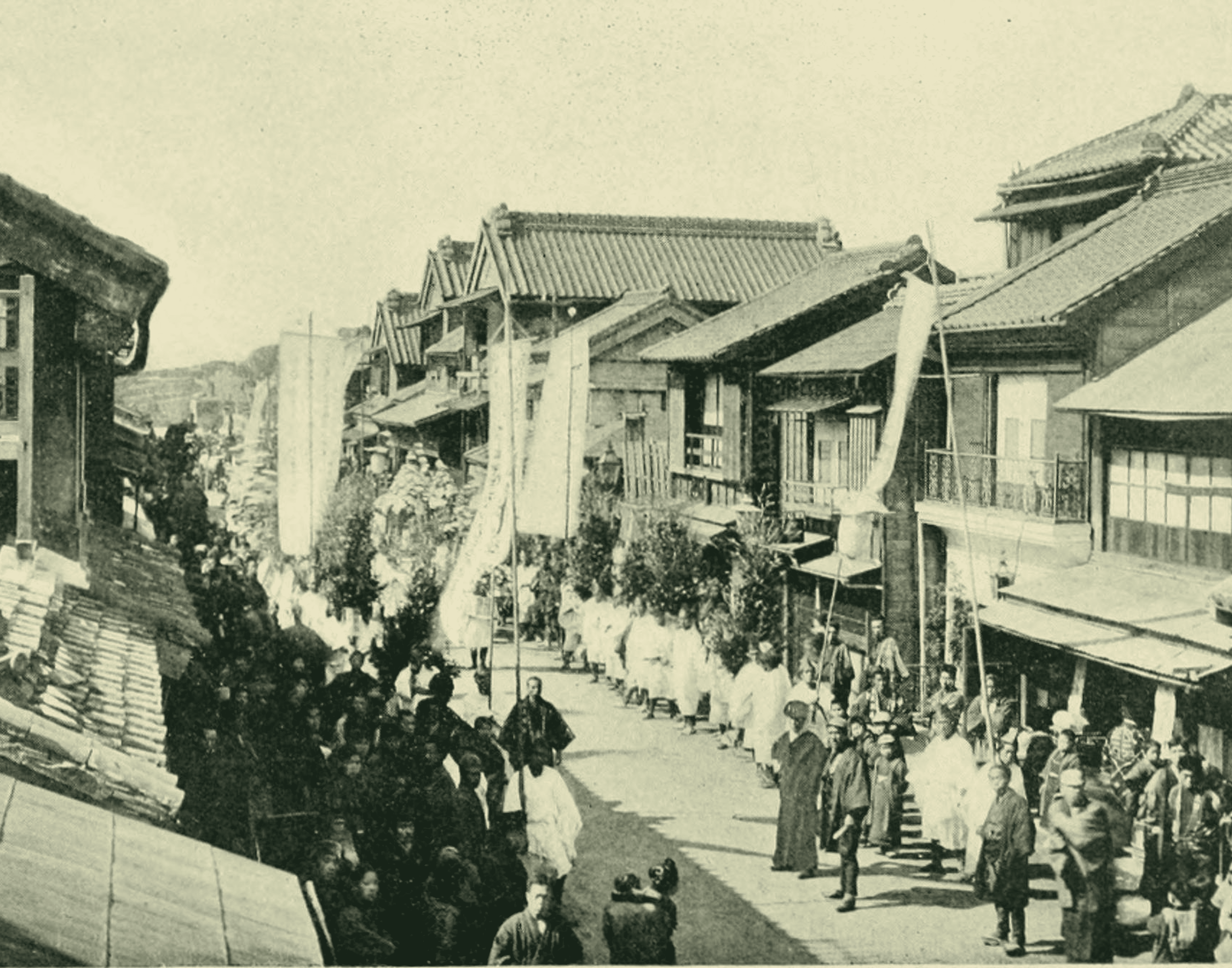
Japan takes considerable pride in its homogeneity, the idea of a singular, unified Japanese cultural identity (expressed via language, comportment, aesthetics, and the rituals of daily life) shining through as one of the country’s most enduring narratives. It is also – as most national narratives are – profoundly incomplete.

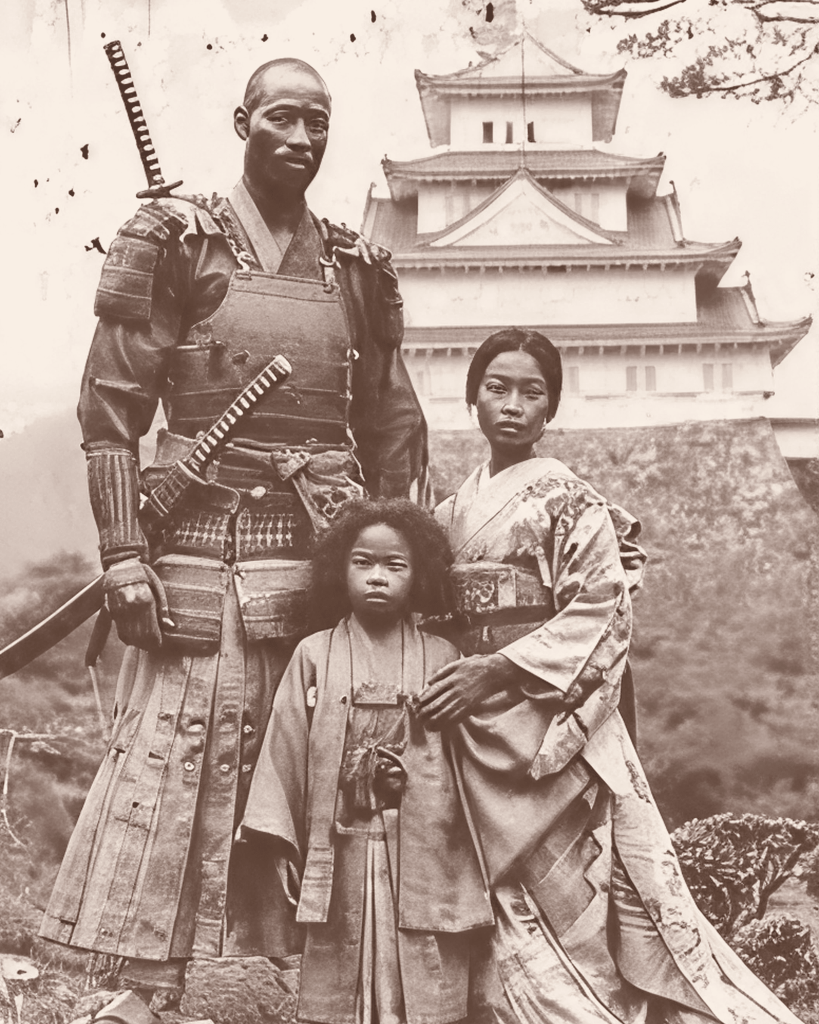
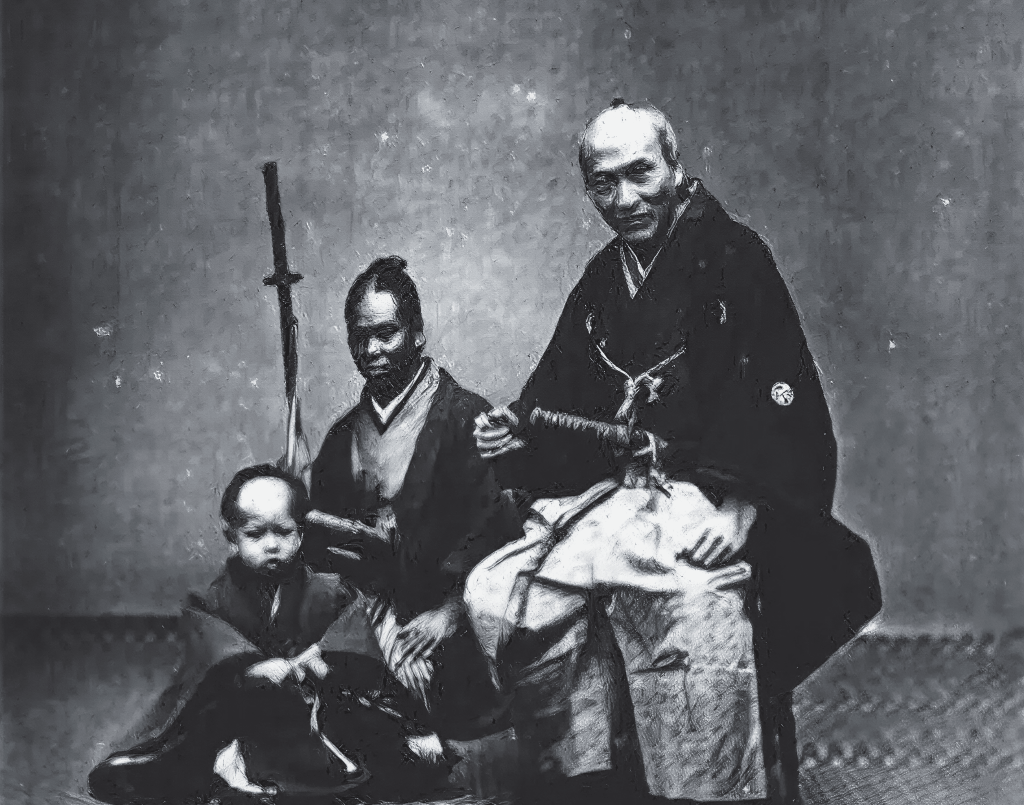
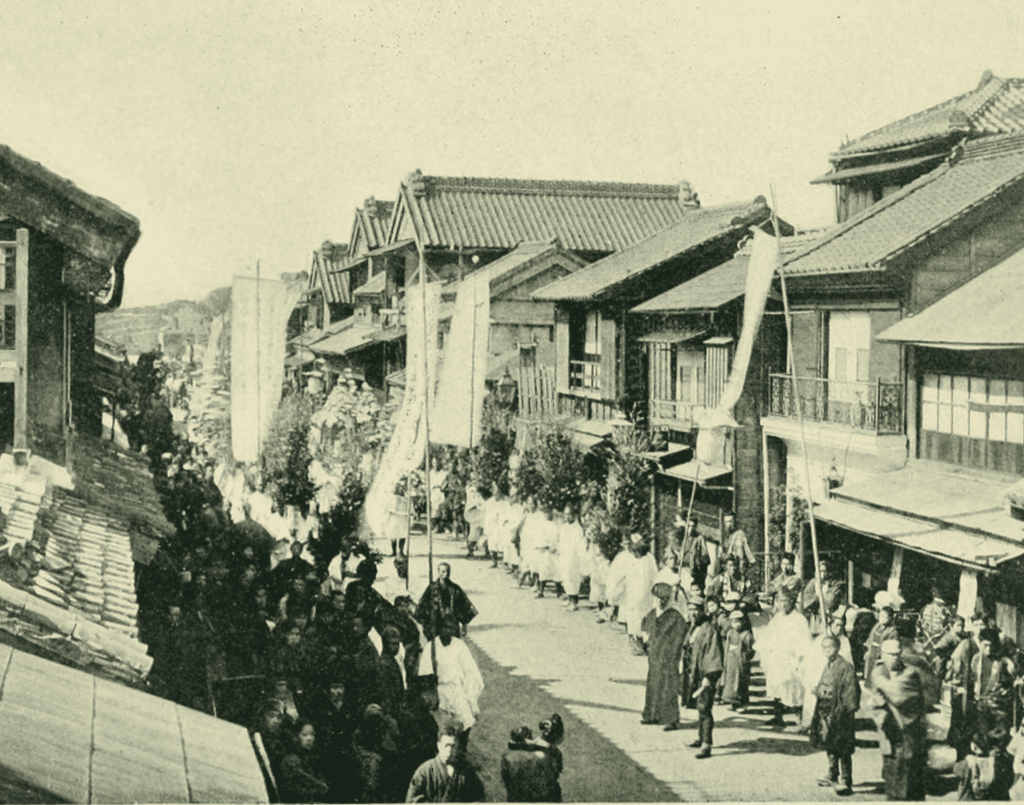
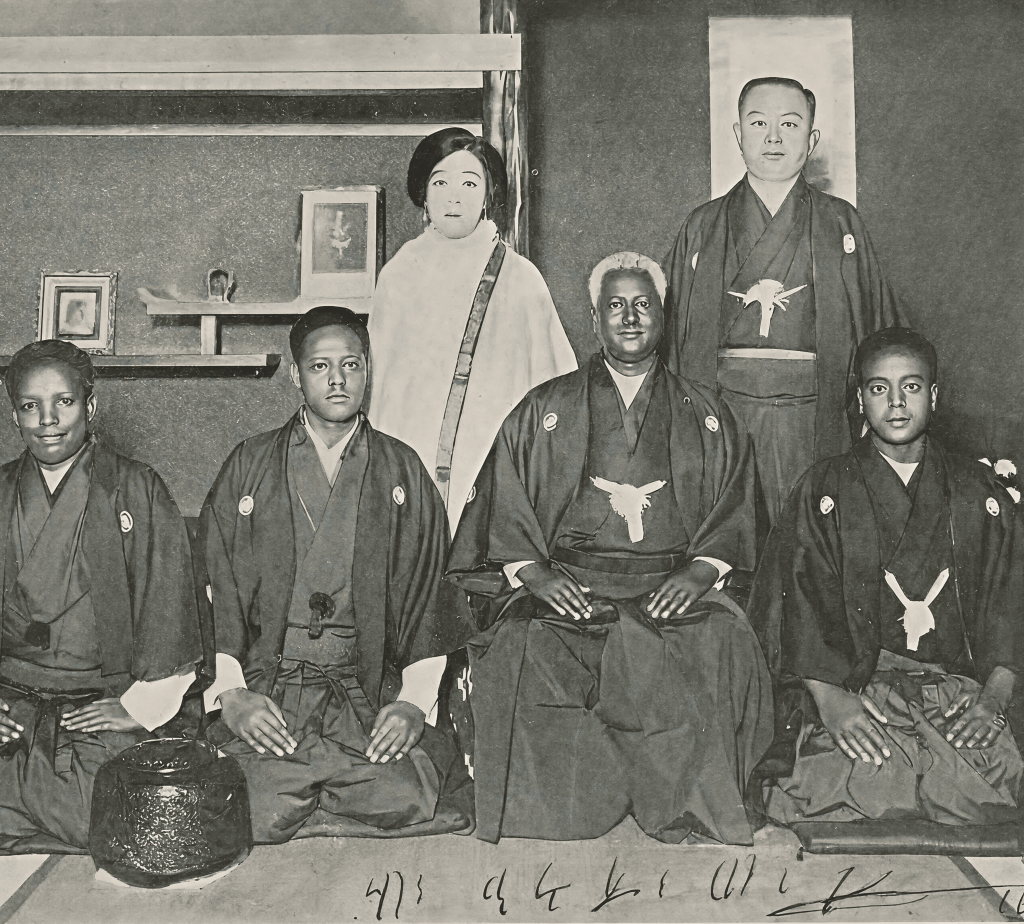
The African presence in Japan is older than most people realise. When Portuguese traders arrived in 1543, they brought with them enslaved Africans from their East African trading posts. A figure known in Japanese historical records as Yasuke – believed to have hailed from present-day Mozambique – arrived to Japan in 1579 and entered the service of the feudal lord Oda Nobunaga, who granted him the rank of samurai. Yasuke is the first named person of African descent documented in Japanese history. His story, recovered and amplified in recent decades, has become a touchstone for Afro-Japanese identity: proof that this presence isn’t an accident of modernity but indeed a thread woven into the country’s oldest and most enduring fabric.

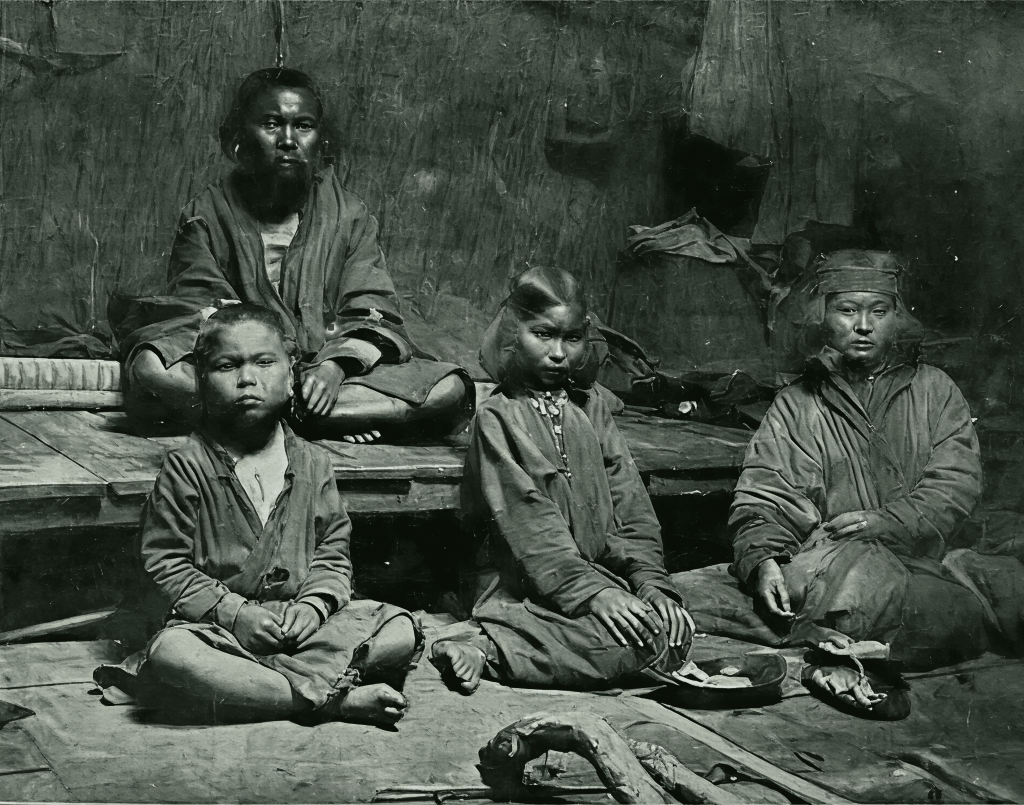
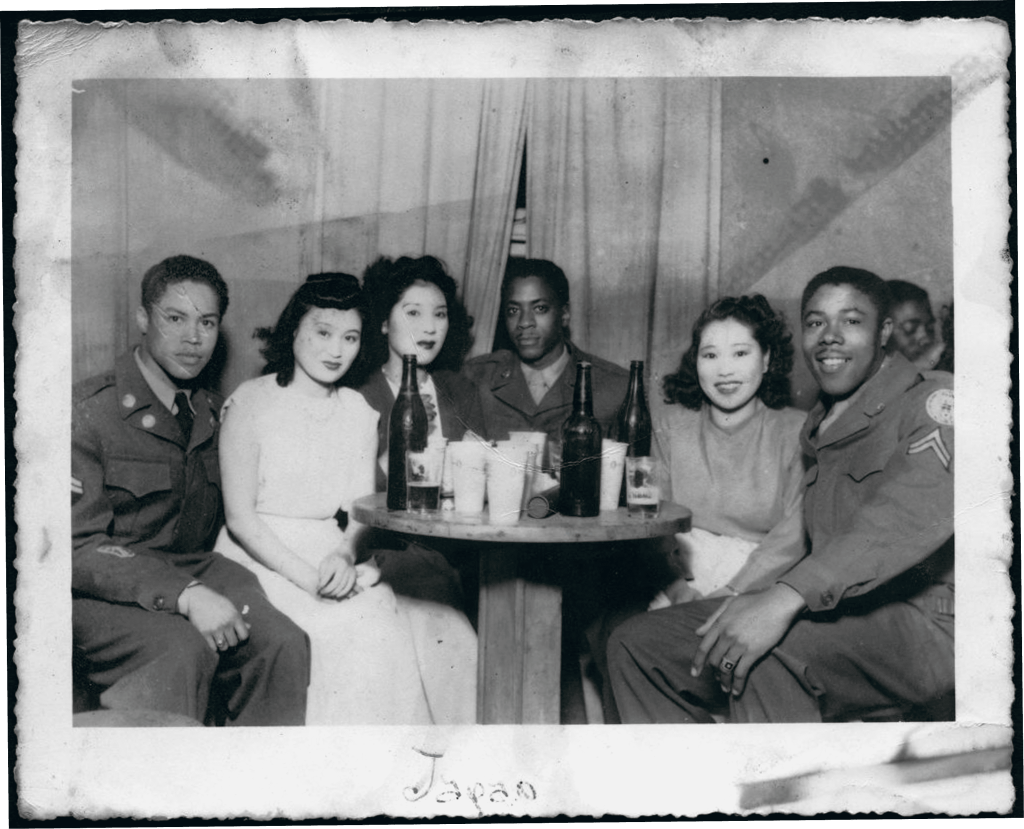
The modern Afro-Japanese community is distinct from its historical antecedents, however, and composed largely of two groups: the children of African migrants (predominantly from Nigeria, Ghana, Kenya, and Cameroon) who arrived in Japan from the 1980s onward for work, study, or sport and the mixed-race children of African-Japanese partnerships (many of whom were born and raised entirely in Japan and know no other home). Together, these groups number in the tens of thousands and are concentrated mainly in Tokyo, Osaka, Yokohama, and Nagasaki.

To be Afro-Japanese is to negotiate a peculiar kind of visibility. Japan’s social architecture is not designed to accommodate differences in the way more overtly multicultural societies are. The experience of being Black in Japan – of being seen, stared at, and addressed in fragmented English by strangers who assume you cannot possibly speak Japanese – is simultaneously wearing and clarifying. Many Afro-Japanese people describe a heightened consciousness of self about how they carry themselves, what they represent, and the distance between how they’re perceived and who they truly know themselves to be.

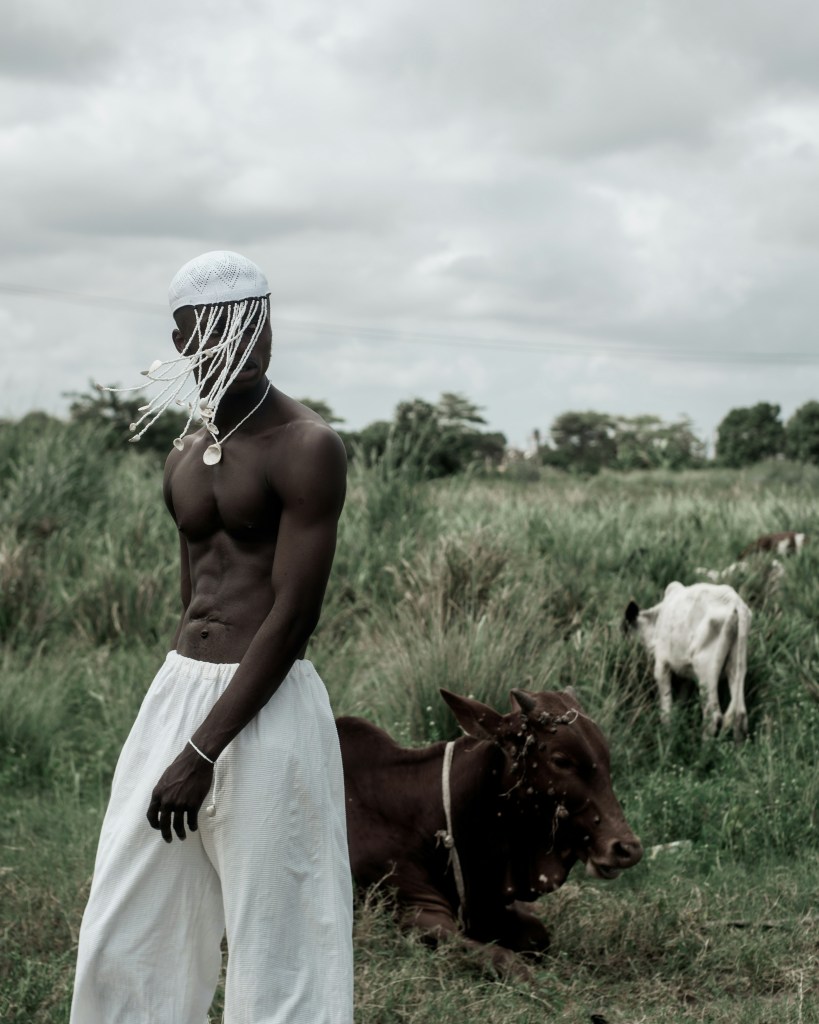
A great deal of creative work exists in this same gap. Afro-Japanese musicians, visual artists, and writers produce work that refuses easy categorisation: work that’s Japanese and African at once, drawing on Yoruba colour theory and ukiyo-e composition in the same breath and setting Afrobeats rhythms inside the formal architecture of Japanese musical tradition. This is not confusion but precision, people working out – in public and through their art – what their legacy is and might yet still become.

Models and fashion figures of African-Japanese heritage are shifting conversations about beauty standards in Japan, a country whose beauty industry has historically defined itself in opposition to Blackness. Their presence – deliberate, composed, and unwilling to diminish themselves for anyone’s comfort – has opened up debates nowhere to be found a decade ago.

For centuries, people from outside Japan have arrived, stayed, and become part of the social fabric even when the official story has no place for them. The Afro-Japanese community is the latest chapter in that long, largely untold history of arrivals who remain and shape the country from within.

The question the African continuum poses everywhere is asked here with particular clarity: What does belonging look like when the place you belong to does not yet have the language for you? Japan is learning, slowly and imperfectly, to expand its self-understanding. In the meantime, the people who live this same question carry two identities with a patience that is (in itself) a form of grace.

“What does belonging look like when the place you belong to does not yet have the language for you?”

Image citations:

  1. https://perspectivesinanthropology.com/2024/01/01/black-japanese-the-african-diaspora-in-japan/
  2. https://africa.isp.msu.edu/news_article/22285
  3. https://perspectivesinanthropology.com/2024/01/01/black-japanese-the-african-diaspora-in-japan/
  4. https://vocal.media/history/old-japan
  5. https://medium.com/bambzi-ellis-the-pen/not-just-a-shadow-the-story-of-yasuke-5efa7d50e77e
  6. https://www.aaihs.org/the-significance-of-yasuke-the-black-samurai/

Humanising Our Parents

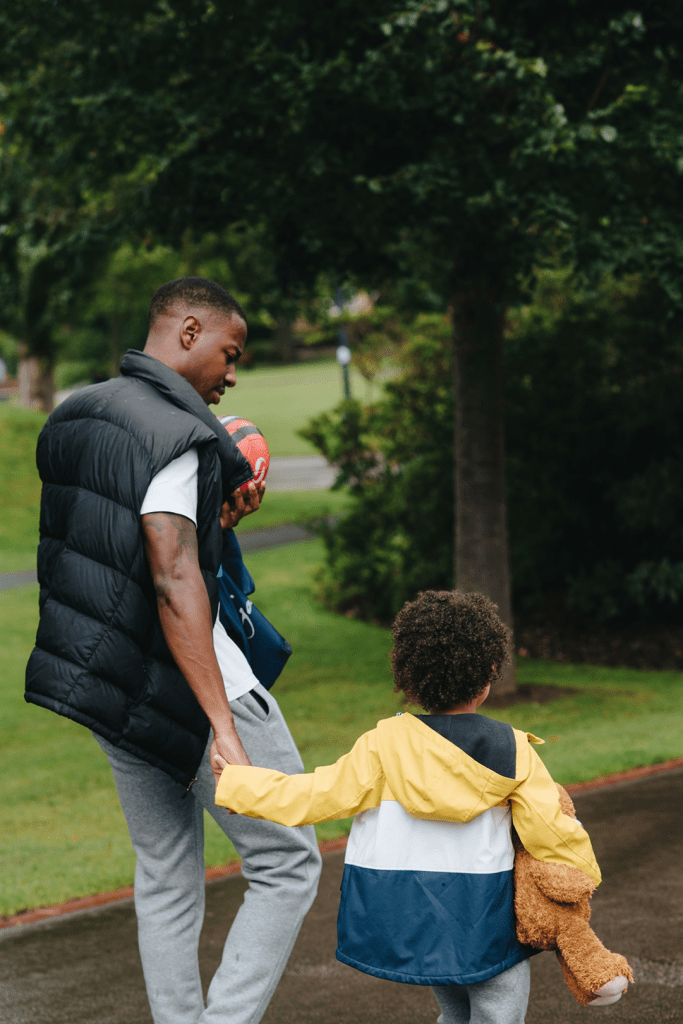
Understanding our parents as adults also means recognising associated gender role constrictions. Many Black mothers were socialised into self-erasure, taught that womanhood is synonymous with sacrifice, service, and silence: dependency framed as duty with ambition often postponed indefinitely. Fathers, on the other hand, were frequently burdened with expectations of stoicism and authority and discouraged from emotional vulnerability. Such roles limited not only their relationships with us as children but also their ability to exist as whole, expressive human beings.

Muhammad Taha Ibrahim via Unsplash

Achieving this awareness doesn’t negate our anger, disappointment, or grief just as acknowledging the conditions that shaped our parents need not invalidate our pain. What it does do, however, is challenge the tendency to flatten their humanity into stereotypes either as saints who “did their best” or villains who failed entirely. Both extremes deny complexity and prevent healing.

via Unsplash
via unsplash

Western societies, meanwhile, continue to scrutinise and pathologise Black parenting as something inherently deficient or broken. Yet this same gaze rarely extends compassion to the very people it critiques. Everything is political, including how Black families are formed, disciplined, and judged. To humanise Black parents is not to absolve harm but to recognise the systems shaping them while still holding individuals accountable.

via Freepik
via Freepik

As many of us step into parenthood (or consciously choose not to), we stand at a crossroads. Unlike previous generations, we have access to emotional language, therapy, and community conversations with healing as the core as we learn the difference between simply having a child and actively parenting a human being. We’re questioning what it means to protect children from adult burdens, offer age-appropriate honesty, and break cycles of emotional neglect. Even knowing full well that no childhood is trauma-free, there’s a growing intention to ensure any wounds our children face are not inherited ones.

via Unsplash
via Unplash

Our generation is slowly dismantling patterns that once felt immovable. In truly seeing our parents as adults – people shaped by history, trauma, and choice – we allow ourselves to decide what comes next. Sometimes that means extending compassion. Other times? Creating distance. Both can coexist with self-respect.

via Unsplash

This milestone is unsettling and destabilises the myths we’ve always relied on for safety and identity, but beyond the discomfort lies liberation: accepting our parents’ true colours opening the door to peace, not just with them but within ourselves as their children.

African Cultural Events to Expect in 2026

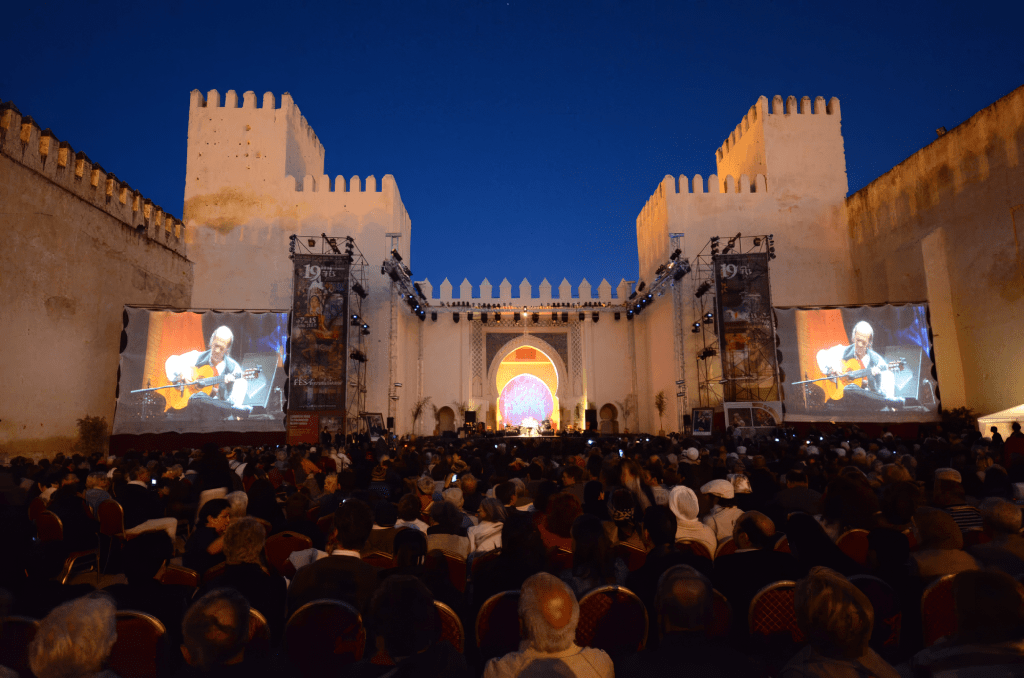
Across Africa, cultural events aren’t side attractions but tied to belief systems, leadership structures, agricultural cycles, and community memory. In 2026, festivals and ceremonies across the continent will continue to serve their original purposes while drawing wider attention as moments of continuity. Organised by region, what follows are key cultural events expected this year during the months they traditionally take place.

Vie wikipedia
Vie wikipedia
via google
via google

North Africa

In Morocco, the Moussem of Moulay Idris II is expected in April as one of the country’s most important religious gatherings. Drawing pilgrims to honour the founder of Morocco’s first Islamic state, the event blends prayer, markets, and social exchange. Morocco also hosts the Gnaoua Festival in June, focused on music rooted in spiritual healing traditions and public discussions on identity and heritage. Tunisia, meanwhile, closes the year with Douz’s Festival of the Sahara in December that centres on desert culture and features music, camel displays, crafts, and storytelling tied to nomadic life.

Via wikipedia
via google

West Africa

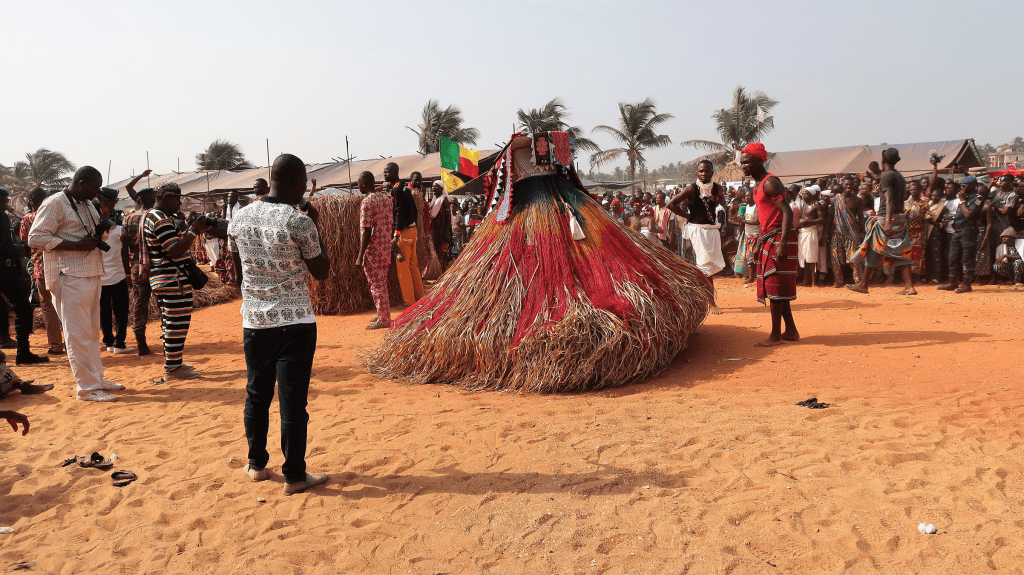
West Africa maintains one of the busiest cultural calendars on the continent starting with Vodoun Day in Benin – a national holiday recognising Vodoun as a formal religion – in January. Around the same time, northern Ghana hosts the Damba Festival to mark Islamic influence and traditional authority. Guinea Bissau’s Carnival follows in February, shaped by different ethnic legacies and local expression via masks and street performances.

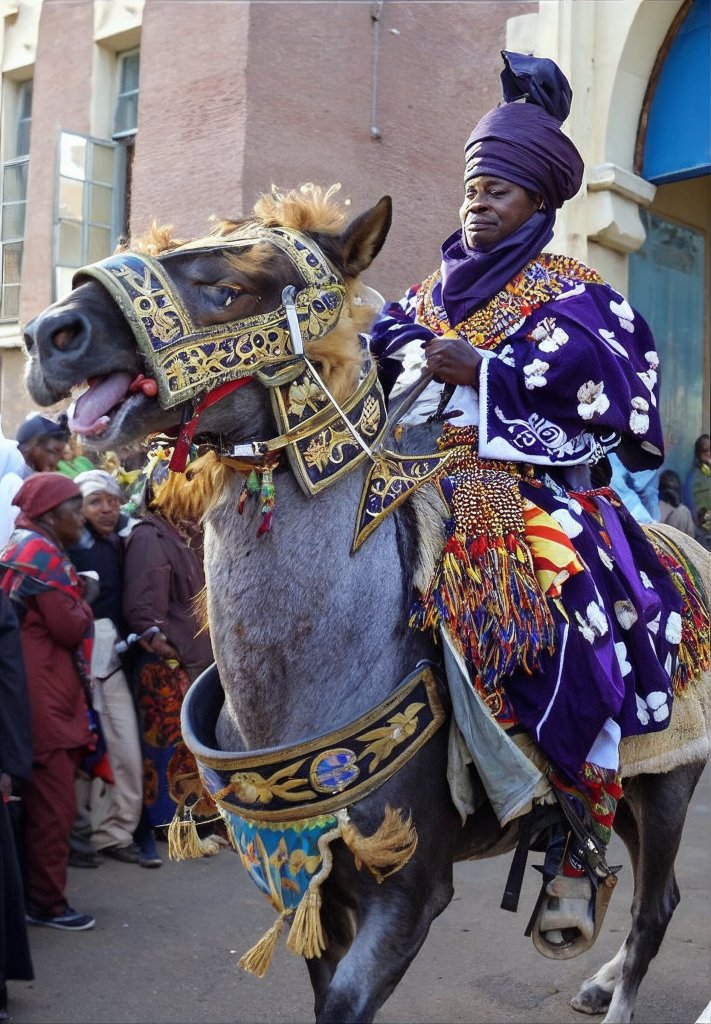
Mali’s Bogo Ja Festival takes place in March, highlighting regional identity through music and community gatherings, before Nigeria’s cultural cycle intensifies mid-year. More specifically, the Ojude Oba Festival is held in June in Ijebu Ode (bringing together age groups to pay royal homage) with the Durbar Festival following in July, particularly in the north (featuring horsemanship tied to historic emirates). The Osun Osogbo Festival occurs in August, centred on river rituals and Yoruba spirituality.

Nigeria then goes on to host the Ofala Festival in October, reaffirming kingship among the Igbo, with the Aké Arts and Book Festival taking place in November to position Lagos as a literary and intellectual hub. Ghana’s Akwasidae Festival is observed multiple times throughout the year and linked to the Ashanti calendar, while the Ankos Masquerade Festival is expected around September. Niger’s Bianou Festival closes out the year in December, marking the agricultural cycle among the Hausa.

via google
via google
Via wikipedia

East Africa

East Africa’s events reflect strong ties to faith, environment, and community. Ethiopia kicks things off with Timkat in January, commemorating Epiphany through public baptism rituals. Meskel, which follows later in the year in September, marks the finding of the True Cross with large communal bonfires.

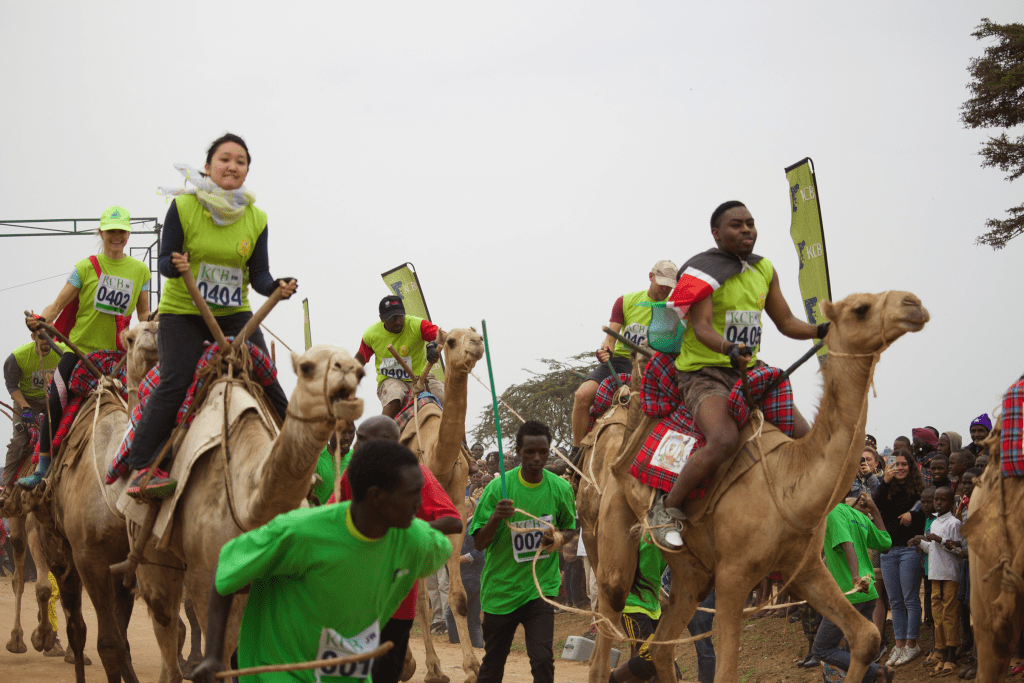
Kenya remains a focal point for cultural diversity. The Marsabit Lake Turkana Festival that takes place in August, for example, brings together multiple ethnic groups to promote unity via music, dance, and dialogue. Cultural gatherings around Lake Turkana also occur in the same month – highlighting pastoral life – as does the Maralal International Camel Derby, blending sport with local tradition. In September, the Maasai Olympics takes place across Kenya and Tanzania, replacing lion hunting with athletic competition and conservation awareness.

Kenya’s Lamu Cultural Festival happens in November, with poetry, crafts, and dhow racing reflecting Swahili heritage. Zanzibar, meanwhile, celebrates Mwaka Kogwa in July: a Shirazi new year festival featuring ritual conflict and renewal. Finally, Rwanda hosts the Kwita Izina ceremony in September where newborn gorillas are named in a conservation-focused event tied to national identity.

Via wikipedia
via google
Via wikipedia
Via wikipedia

Central Africa

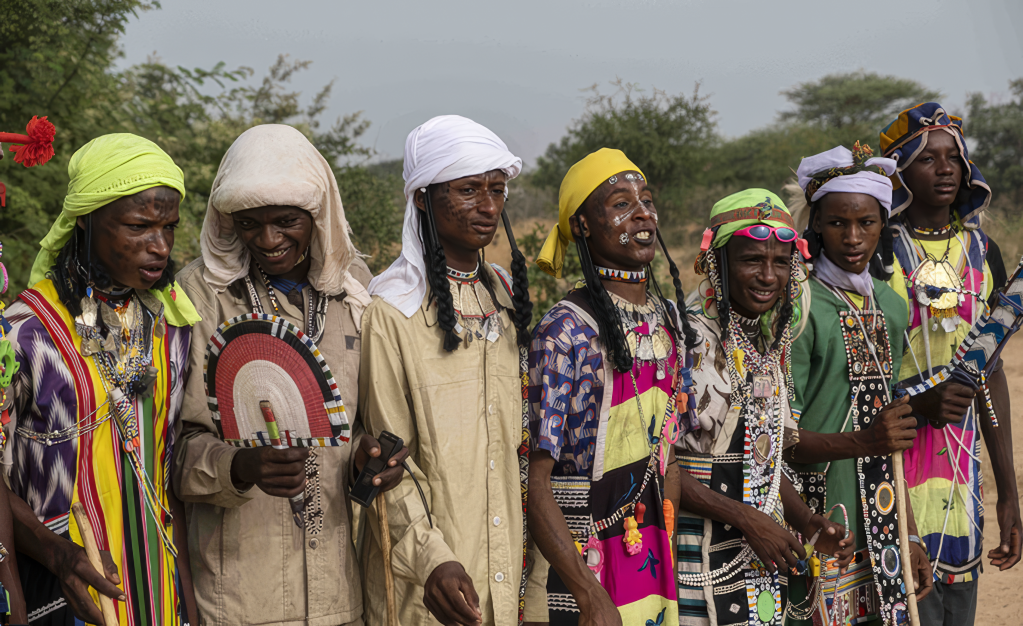
Central Africa’s cultural events are often less publicised but deeply rooted nonetheless. The Kaga Bandoro Festival in the Central African Republic, for example, takes place in April with a focus on local music, dance, and craftsmanship. Cameroon’s Ngondo Festival is held in November, led by the Sawa people and centred on river rituals and ancestral communication. In Gabon, Bwiti ceremonies occur throughout the year (rather than on fixed dates) and are tied to initiation and spiritual practice. Chad’s Gerewol Festival usually takes place in September, inviting the Wodaabe community to gather for courtship rituals judged by women.

Via wikipedia
Via wikipedia
via google
via google

Southern Africa

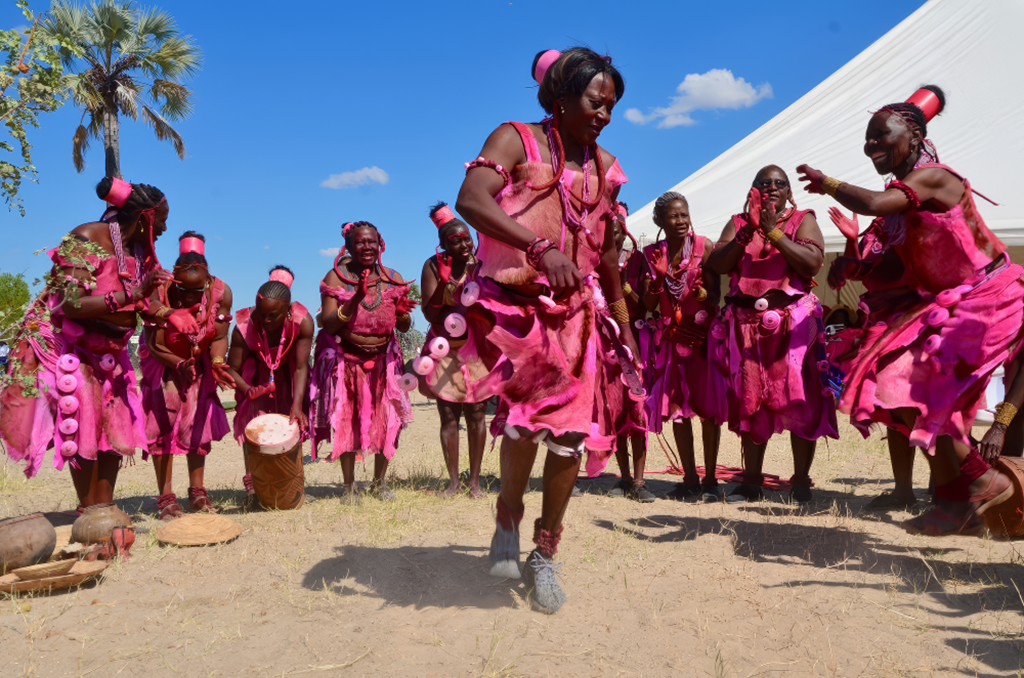
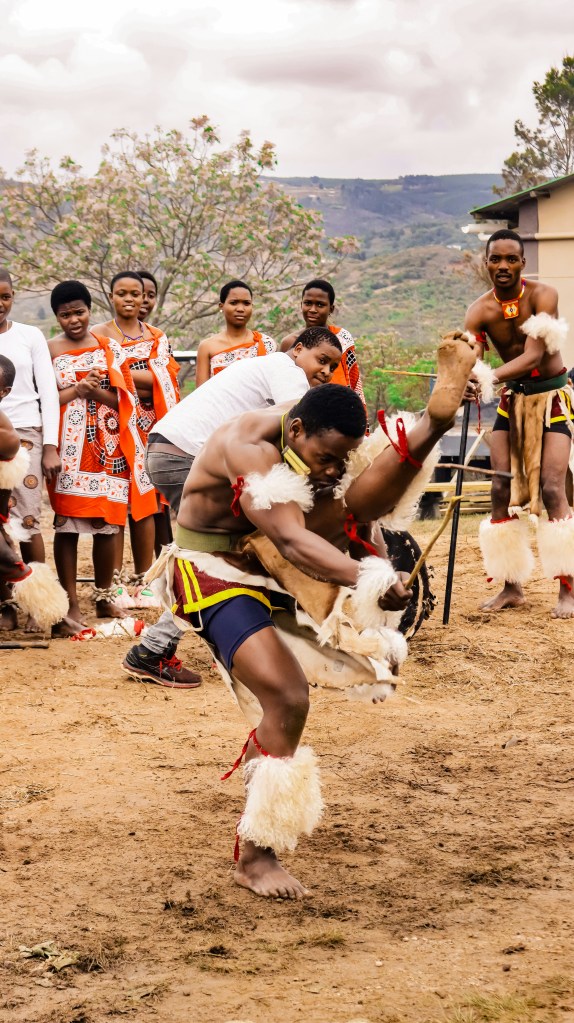
Southern Africa’s cultural calendar is closely linked to seasons and leadership, with Eswatini hosting the Umhlanga Reed Dance in late August or early September with a ceremony reinforcing values around community, youth, and the monarchy. Namibia’s Omagongo Cultural Festival takes place in March, celebrating the marula harvest via shared meals, music, and storytelling among the Ovambo people.

African cultural events will continue to function as living systems rather than preserved relics in 2026 as they always do, marking time, reinforcing authority, honouring ancestors, and reflecting changing realities. While visitors may of course attend, such moments are primarily designed for the communities sustaining them: understanding Africa’s calendar recognising its culture isn’t scheduled for display but happens simply because it always has.

via google
via google
via google
via google

Animal Worship in West Africa: Where Spiritual Symbolism Meets Cultural Heritage

In many West African societies, animals are far more than creatures of the wild as symbols, messengers, and sometimes even divine intermediaries. Animal worship, a practice predating colonial and religious shifts, still weaves through the region’s spiritual and cultural life today in subtle but enduring ways.

proudlyswazi 5
Jay Martin 6

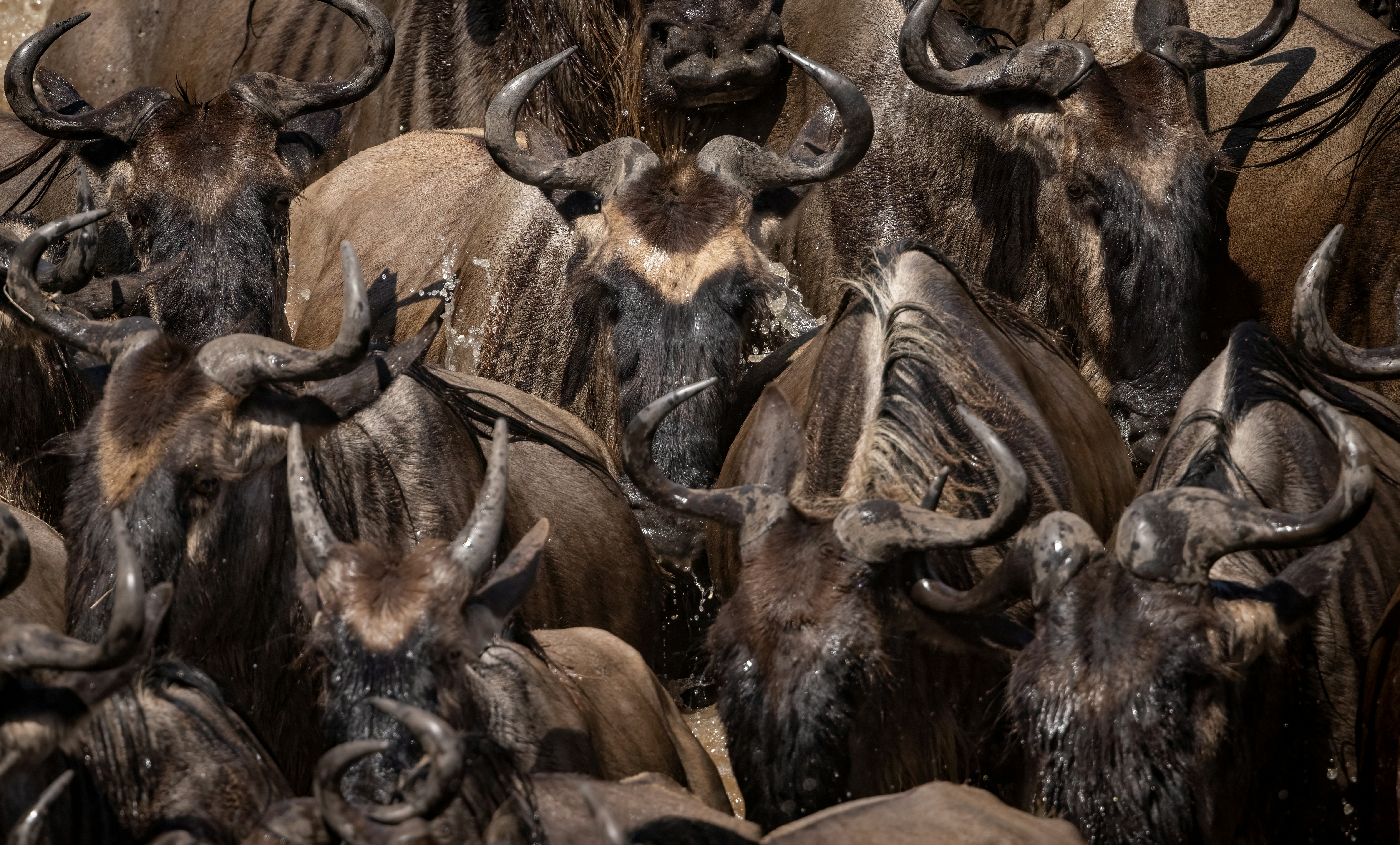
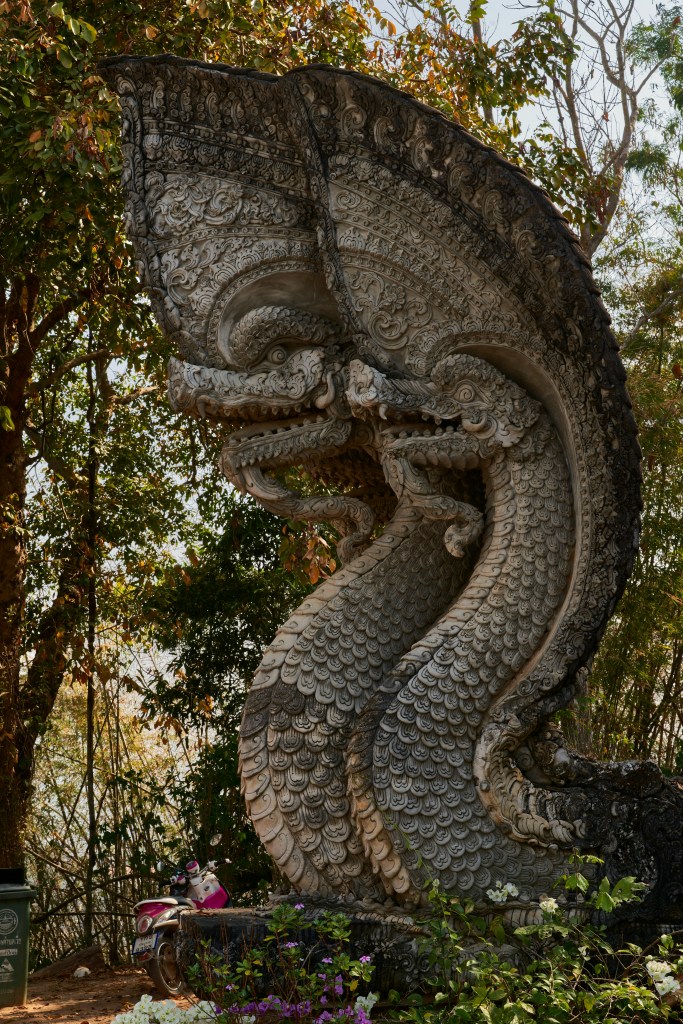
To outsiders, the idea of animal worship may sound archaic or misunderstood. Within African cosmology, though, it reflects a deep respect for nature and its connection to human existence. Animals aren’t worshipped as gods themselves but as carriers of spiritual power, embodying qualities communities hold sacred. The lion, for example, symbolises strength and kingship. The python represents fertility, wisdom, and protection. Birds, especially the hornbill and vulture, are considered messengers between the physical and spiritual worlds.

Among the Yoruba in Nigeria, some animals share close ties with deities known as Orishas. The rooster is often sacrificed to Ogun, the god of iron and war, as a symbol of courage and vitality. In Benin and Togo, the python holds a central place in Vodun practices where it’s revered as a sacred guardian of life and continuity. Temples devoted to pythons are still found today, such as the famous Python Temple in Ouidah where the animals live freely among worshippers.

Fellipe Ditadi
Zafer Inkaya

This relationship between humans and animals ultimately reflects a worldview that sees nature as an extension of humanity rather than something to dominate, emphasising balance while believing every creature plays a role in maintaining spiritual and environmental harmony. Even as modern religions and urbanisation reshape daily life, many traditional rituals involving animals persist either in open practice or quiet remembrance.

Contemporary interpretations are shifting, however, with younger generations increasingly viewing these beliefs as part of cultural heritage rather than religious obligation. Festivals, art, and community performances now retell these ancient stories through music and dance, keeping their essence alive in modern contexts.

Via Getty
Boluwatife Oguns

At a time when the world is rediscovering the importance of ecological balance, West Africa’s long-standing reverence for animals offers a reminder of something profound: the idea that spirituality, environment, and identity have been and will continue to be deeply intertwined.

References:

Wild Aid Africa, Uncovering the vital role of hippos in cultures and ecosystems across Africa, 2023

MythLok, African Animals

Bayreuth Academy of Advanced African Studies, Sacred Duty of Animals in African Traditional Religion and Culture

AFCON: Reliving an Epic Moment in African Sports

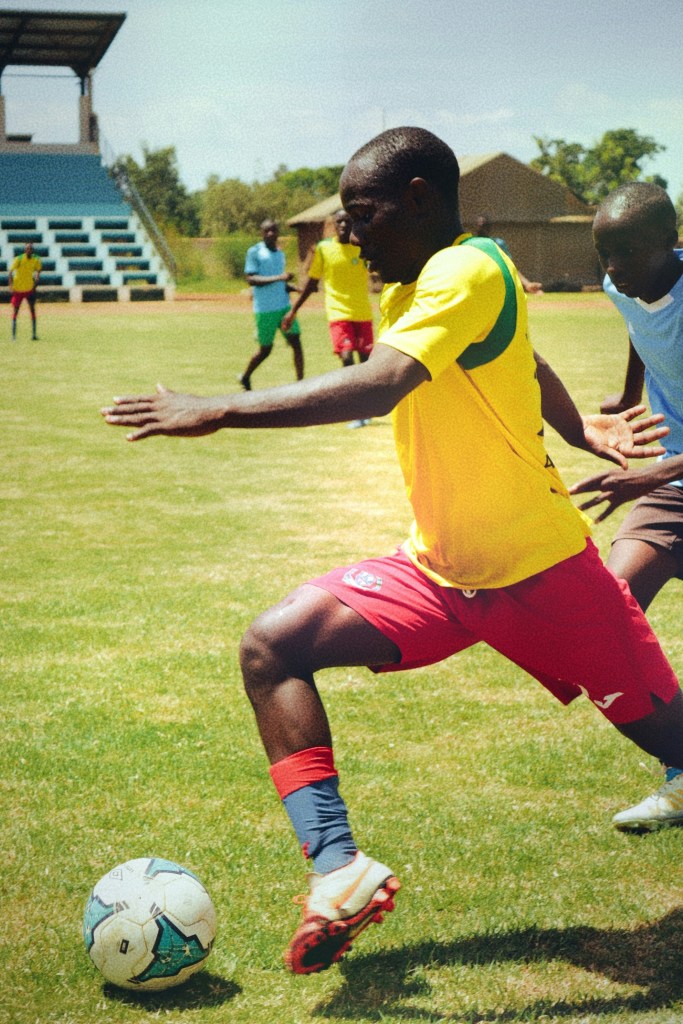
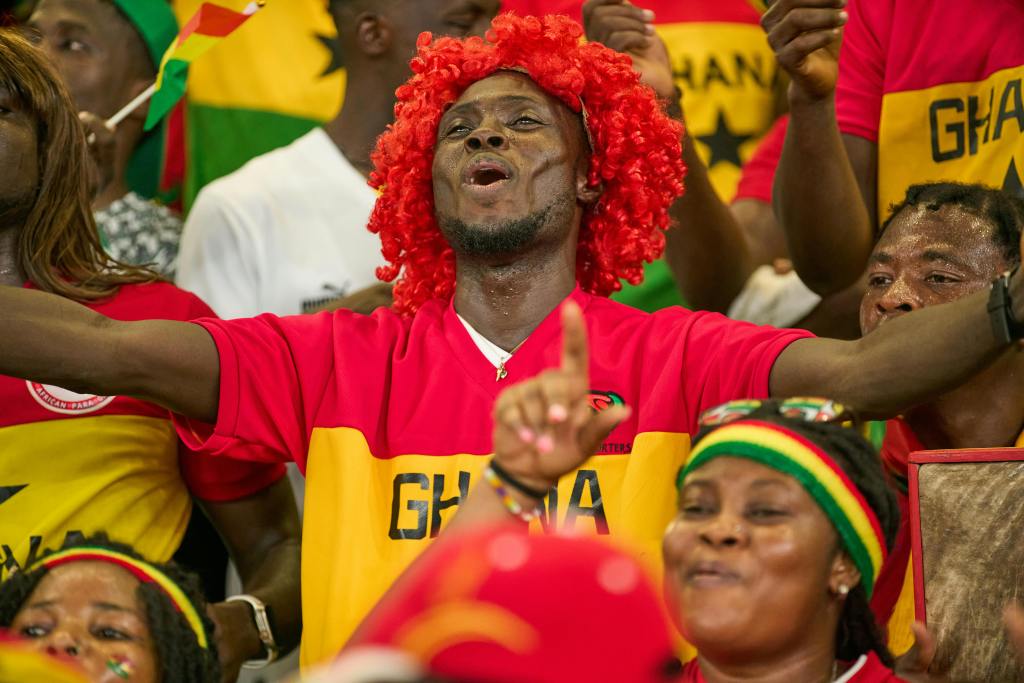
Every few years, Africa pauses to celebrate one of its most anticipated events: the Africa Cup of Nations (AFCON). More than just a football tournament, AFCON is about unity, pride, and raw emotion for millions across the continent and diaspora with national colours dominating the streets and old rivalries taking centre stage far beyond the pitch.

The beauty of AFCON lies in its unpredictability, the tournament’s history of producing underdog stories challenging African football giants ever-present. Nations with smaller budgets and fewer global stars often rise against all odds, reminding everyone that talent and passion can indeed defy circumstance on a stage where unknown players transform into legends and familiar names carry the hopes of entire countries.

Maxx Sas 3
thisGUYshoots 7

For many Africans, AFCON isn’t just about the sport itself but also a form of identity. The tournament revives conversations about national pride, regional competition, and what it means to represent Africa on a global level. In a world where African footballers often build their careers abroad, AFCON brings them home: giving fans the chance to see their heroes play on African soil and under African skies with the same fire they show in Europe’s top leagues.

Beyond the matches themselves, vibrant cultural exchange accompanies AFCON. From the music and chants in the stadiums to colourful fan attire and traditional dances, every tournament puts Africa’s diverse energy on full display. Vendors outside stadiums sell food filled with local flavour (e.g., roasted corn, suya, and grilled fish), for example, making the games feel like one big neighbourhood celebration.

Adera Abdoulaye Dolo 1

Looking ahead, the next AFCON holds the promise of an even more electric experience. New infrastructure, better broadcasting, and digital engagement mean more fans can connect in real time from anywhere in the world. Yet, the spirit remains the same: a mix of competition and community and reclaiming Africa’s narrative in sports, showing the continent’s passion for football isn’t just a pastime but a shared heartbeat.

In many ways, AFCON represents what Africa does best: turning challenges into celebration, competition into connection, and sport into something deeply personal. When the opening whistle blows, the continent won’t just be watching but living every goal, every victory, and every heartbreak together.

RODOLFO BARRETTO 2
via getty

References:

The New York Times, Why AFCON Matters, 2022

Olympics, CAF Africa Cup Of Nations: Great Moments In AFCON History, 2024

BBC, ‘What Makes AFCON So Special To Me’, 2022

Africa Is a Country, AFCON Is a Tournament Like No Other, 2023