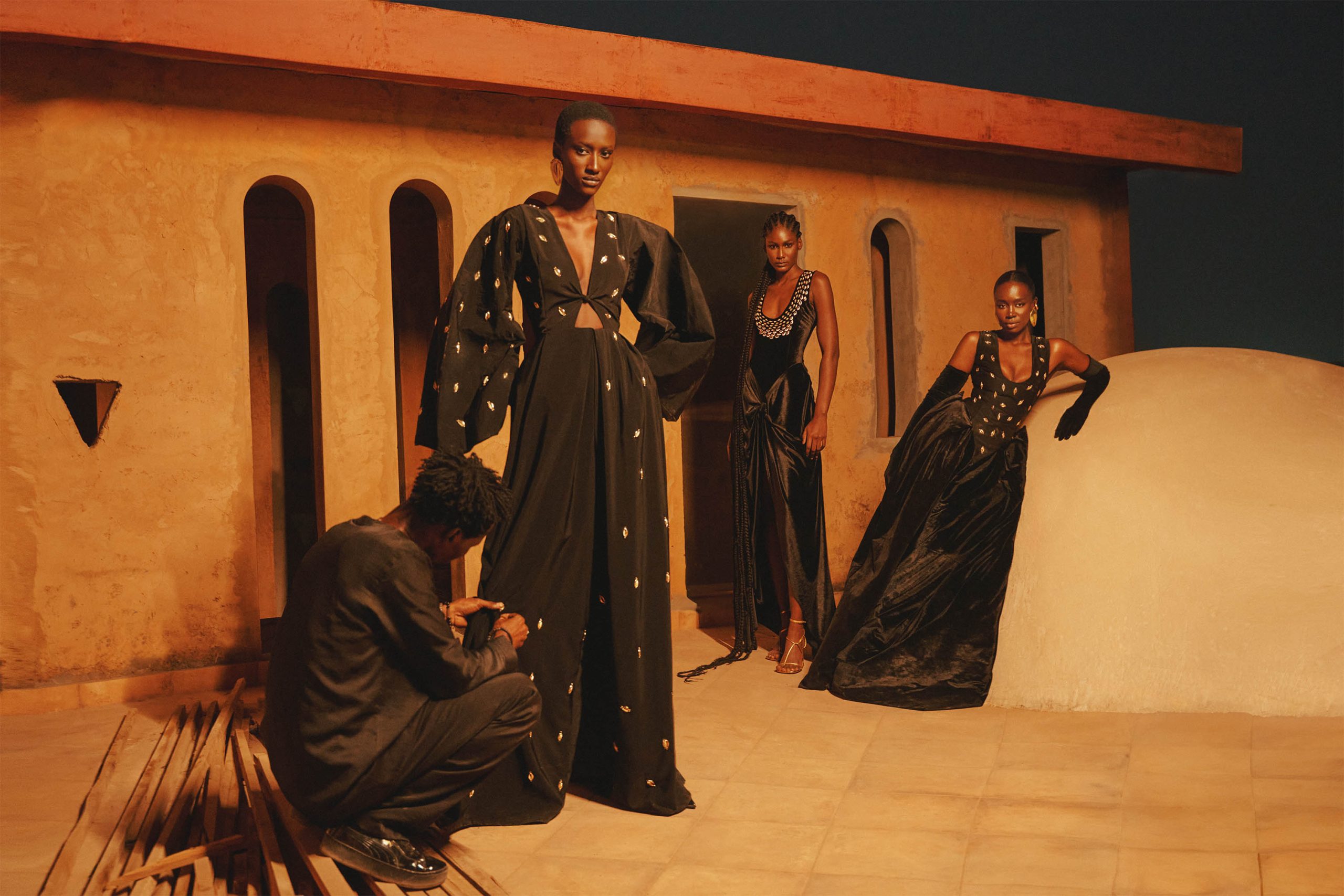
All print versions of Fifty Four now available digitally Explore the Digital Library →

The Greatest Party of All – Night Two

Night Two of The Greatest Party of All in Mozambique was a dazzling spectacle of colour and culture, aptly themed ‘Vibrant Hues.’ The event was a joyful celebration of Africa’s diverse traditions and the vivid palette characterising the continent’s rich heritage. Attendees embraced the theme with an array of outfits that transformed the venue into a living, breathing rainbow of style.

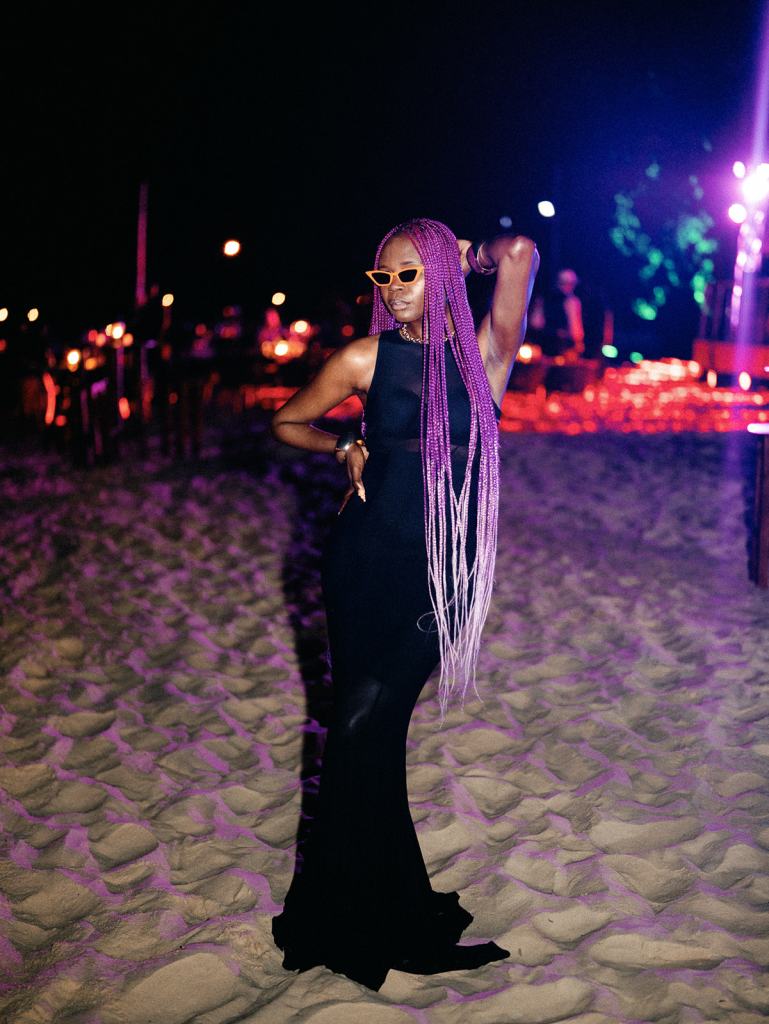
The fashion on display was a vibrant homage to Africa’s kaleidoscopic culture. Guests donned an array of colourful prints, bold patterns, and traditional fabrics that told stories of their origins. Renowned presenter and former Miss Nigeria UK, Bisi Akins, stole the show in a striking iridescent blue gown. Her dress, featuring intricate ruching, a thigh-high slit, and a mesmerising hood, was illuminated by the water-like flowing material that encapsulated the beauty of Mozambican clear blue seas.

Bisi Akins, Renowned presenter and former Miss Nigeria UK

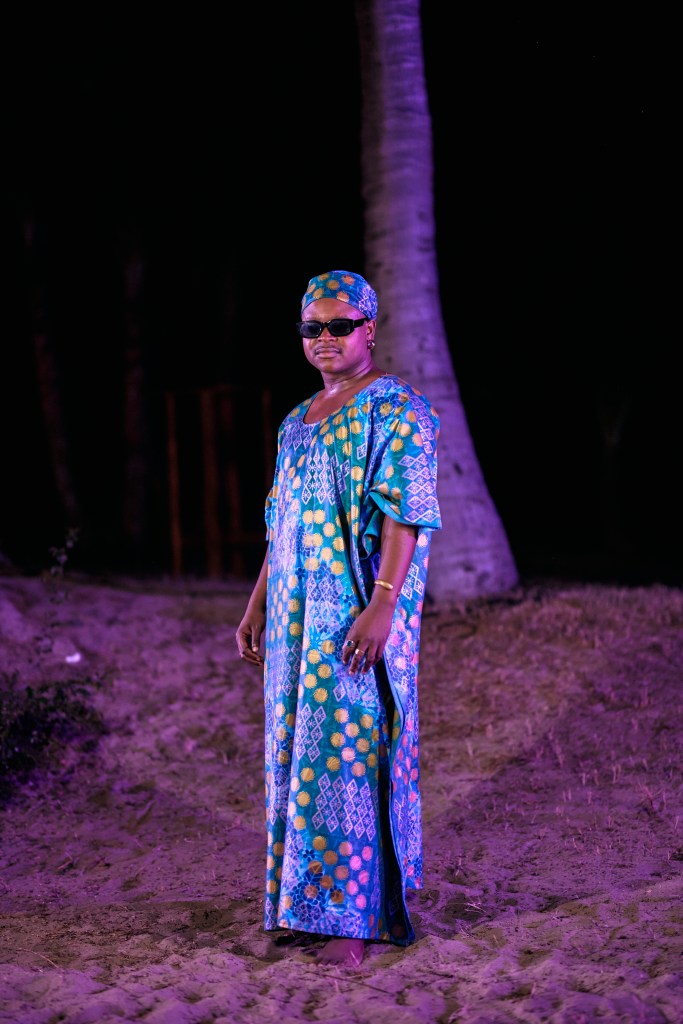
Among the men, South African musician Muneyi made a statement in a brightly coloured ensemble, blending traditional attire with modern design elements. His outfit was a perfect example of how contemporary African fashion is both innovative and deeply rooted in cultural traditions. The ensemble’s vibrant colours and intricate patterns highlighted the craftsmanship and creativity that define African fashion.

Muneyi, South African musician

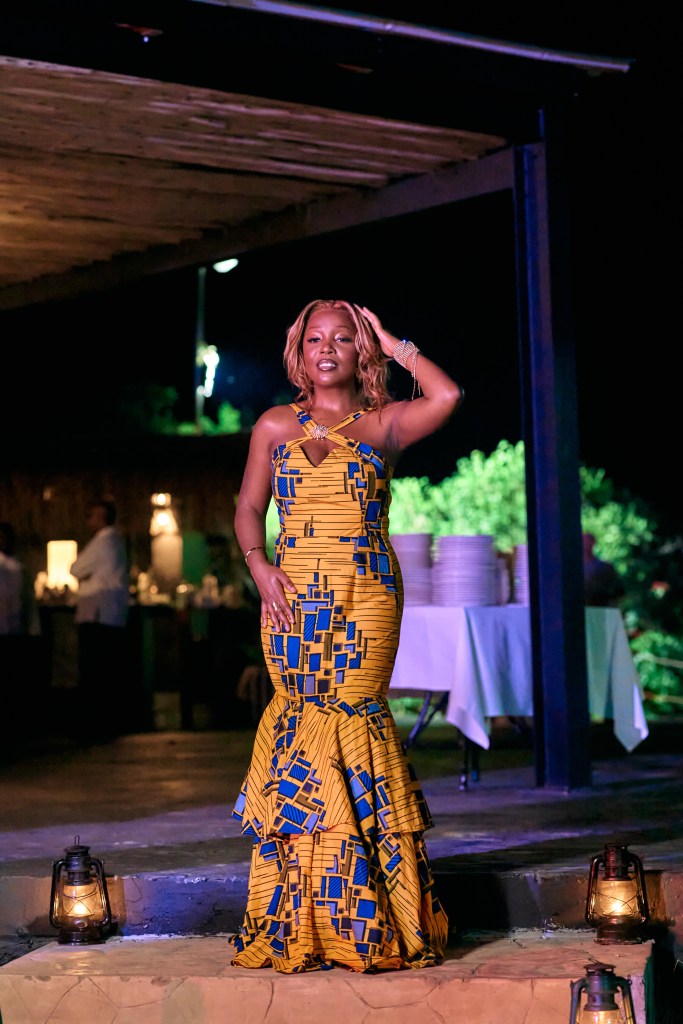
Accessories played a pivotal role in enhancing the vibrant theme of the evening. Bold, oversized jewellery and statement headpieces were abundant. Zambian host Tisa dazzled in a flowing, green dress paired with a dramatic headpiece that added an extra layer of sophistication and cultural significance to her look.

Tisa, Zambian host

The celebration of colour extended beyond clothing to the overall atmosphere of the event. The venue was decorated eloquently and illuminated by a kaleidoscope of lights, creating an immersive experience that reflected the night’s theme. The blend of fashion, culture, and colour created an unforgettable tapestry celebrating Africa’s diversity.

Night Two of The Greatest Party of All was a festival of colour and culture, showcasing the continent’s vibrant spirit and rich heritage. The array of vivid hues and eclectic styles was a testament to the creativity and diversity of African fashion, leaving attendees and onlookers alike in awe of the continent’s cultural richness.

The Greatest Party of All – Night One

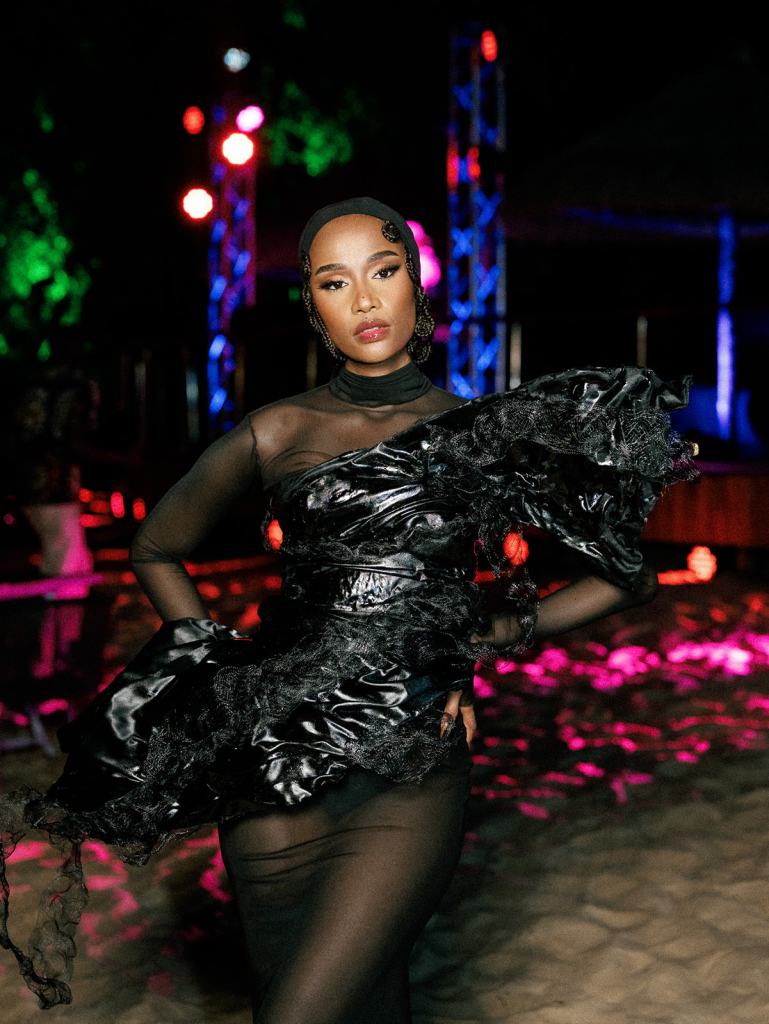
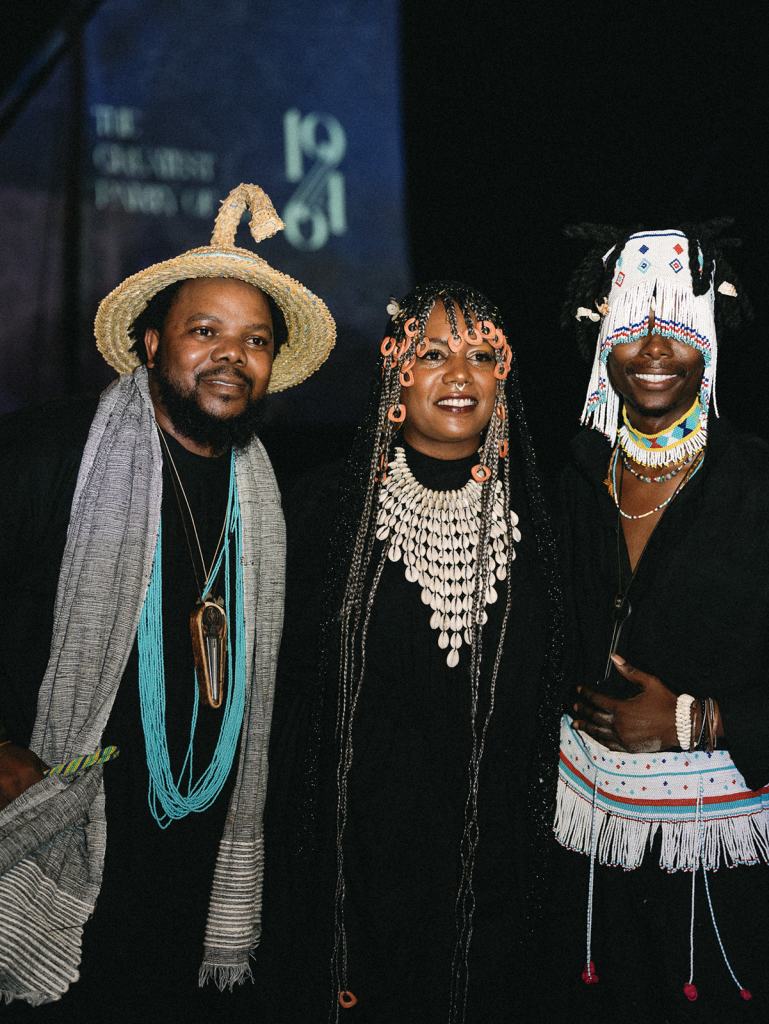
The Greatest Party of All kicked off in Mozambique at the Anantara Bazaruto Island Resort with an elegant and unified display on Night One. The theme, “Elegance in Black,” was a tribute to the timeless sophistication and cultural significance of the colour black in African heritage. Guests arrived in stunning ensembles that showcased the richness of African fashion while celebrating the continent’s unity.

As the sun set over the beautiful Mozambican coast, the venue transformed into a sea of black elegance. From sleek linen suits to flowing floor-length dresses, the attire was a testament to the versatility and grace of African fashion. Notable among the attendees was the ever-stylish former Miss Universe, Zozibini Tunzi, who wowed the crowd in a structured mesh gown adorned with an intricate headpiece that complemented her braids so well. Her look was a perfect blend of modern design and traditional craftsmanship.

Zozibini Tunzi: Former Miss Universe

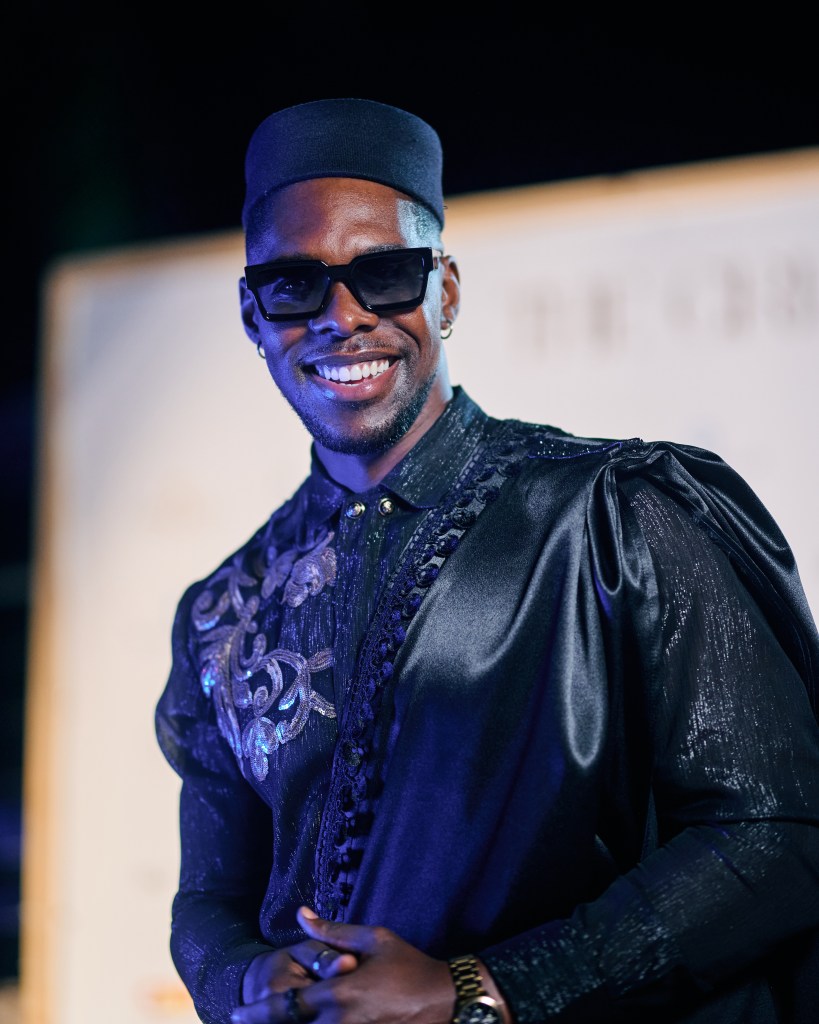
Men did not shy away from making bold statements either. Fashion icon and personality Luis Munana turned heads in a classic traditional suit with statement gold detailing and a satin over-the-shoulder throw. The outfit was completed seamlessly with a traditional cap. His choice highlighted how traditional elements can be integrated into contemporary fashion, creating a look that is both powerful and sophisticated.

Luis Munana: Fashion icon and owner of luxurious Champagne brand RaZul

The event also showcased an array of accessories that paid homage to African artistry. Statement necklaces, beaded earrings, and intricately designed headpieces added a layer of cultural depth to the evening’s fashion.

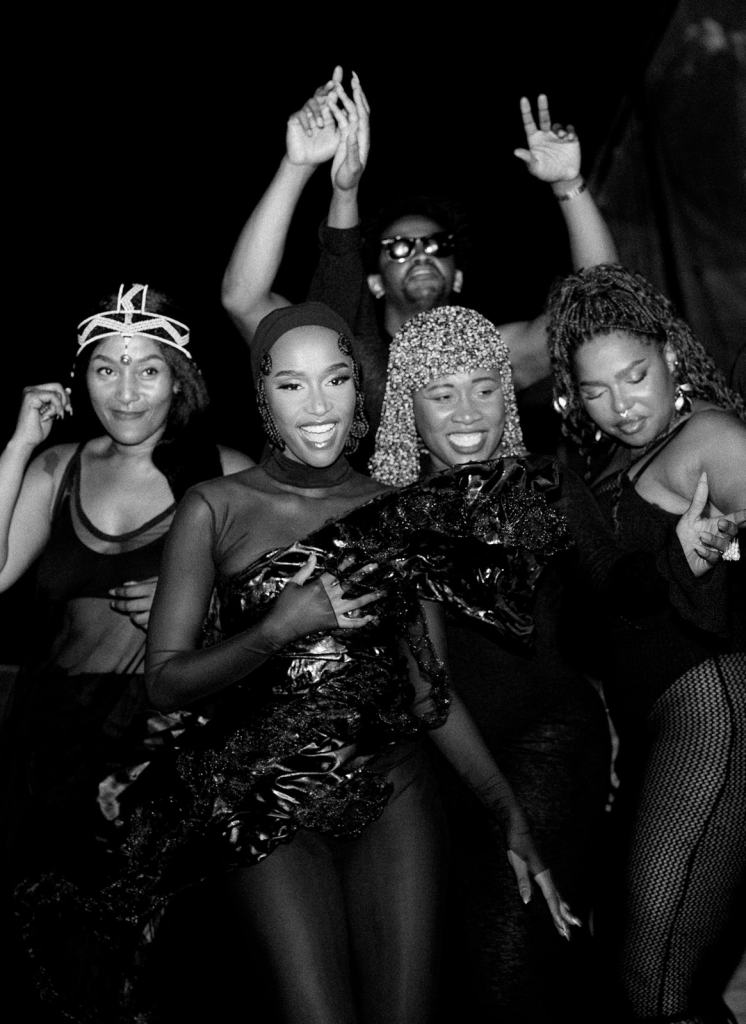
Night One of The Greatest Party of All was more than just a fashion show; it celebrated African unity and elegance. The black attire served as a canvas for the rich tapestry of African culture, proving that fashion can be a powerful medium for expressing identity and solidarity. As guests danced the night away, their outfits told a story of pride, unity, and timeless elegance, setting a high bar for the festivities to come.

Hosted by: @fiftyfourmag

Venue/Location: @anantara_bazaruto

Desserts By: @houseofcakeszambia2018

Drinks Sponsors: @1964_craftgin | @razul_nam | @inverroche

Photographers: @esthermakauphotography | @ashtonjeanpierre | @rageincproductions | @classy_art_photography

Your Ultimate Summer Packing Guide

  1. Printed Slip Dress by Lisa Folawiyo (Nigeria)

Make a statement with a stunning printed slip dress from Nigerian designer Lisa Folawiyo. Known for her bold and intricate patterns, this dress is perfect for sunny days and balmy evenings. Embellished with a lace cut-out detail, it offers both style and luxury, allowing you to effortlessly transition from poolside lounging to exploring the local markets. Pair it with sandals and statement earrings for an effortlessly chic look.

Shop the dress here: https://shop.lisafolawiyo.com/product/look-21/

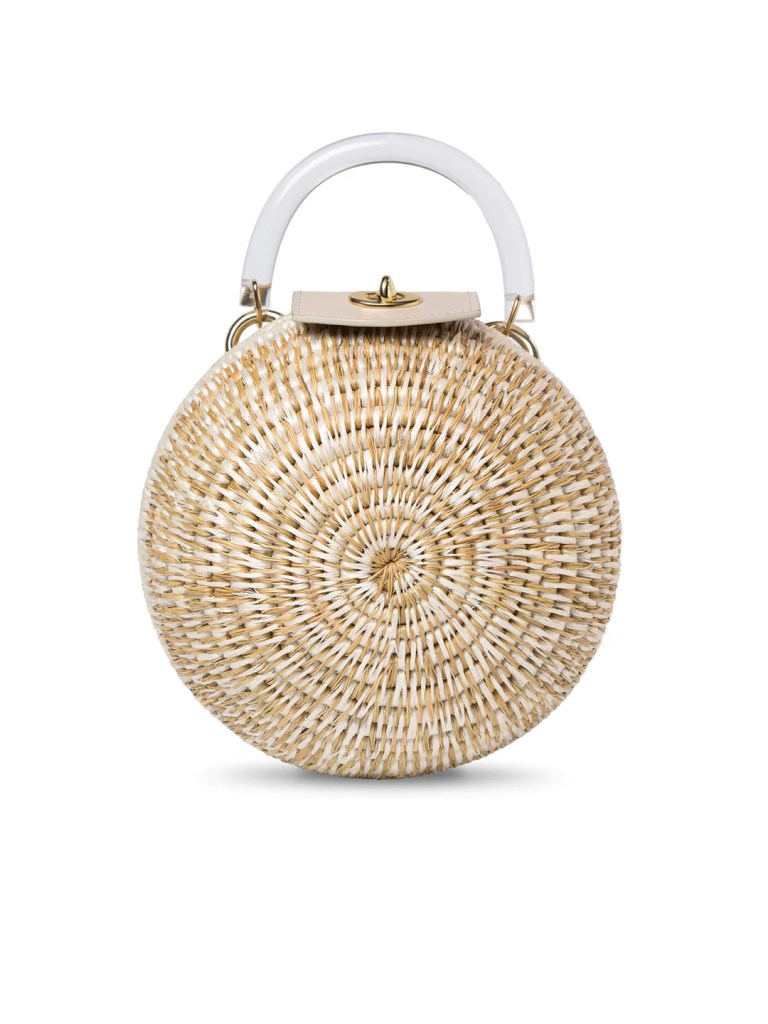
  1. Handwoven Straw Bag by Khokho (Swaziland)

Complete your summer ensemble with a handwoven straw bag from Swazi brand Khokho. Ethically made by skilled artisans using sustainable materials, this bag adds a touch of bohemian charm to any outfit. With enough room to carry your essentials, including sunscreen, sunglasses, and a good book, it’s the perfect accessory for beach days and city strolls alike. Plus, its timeless design ensures it will remain a staple in your wardrobe for seasons to come.

Shop the bag here: https://khokhocollection.com/en-za/collections/frontpage/products/ball-bag-in-chalk

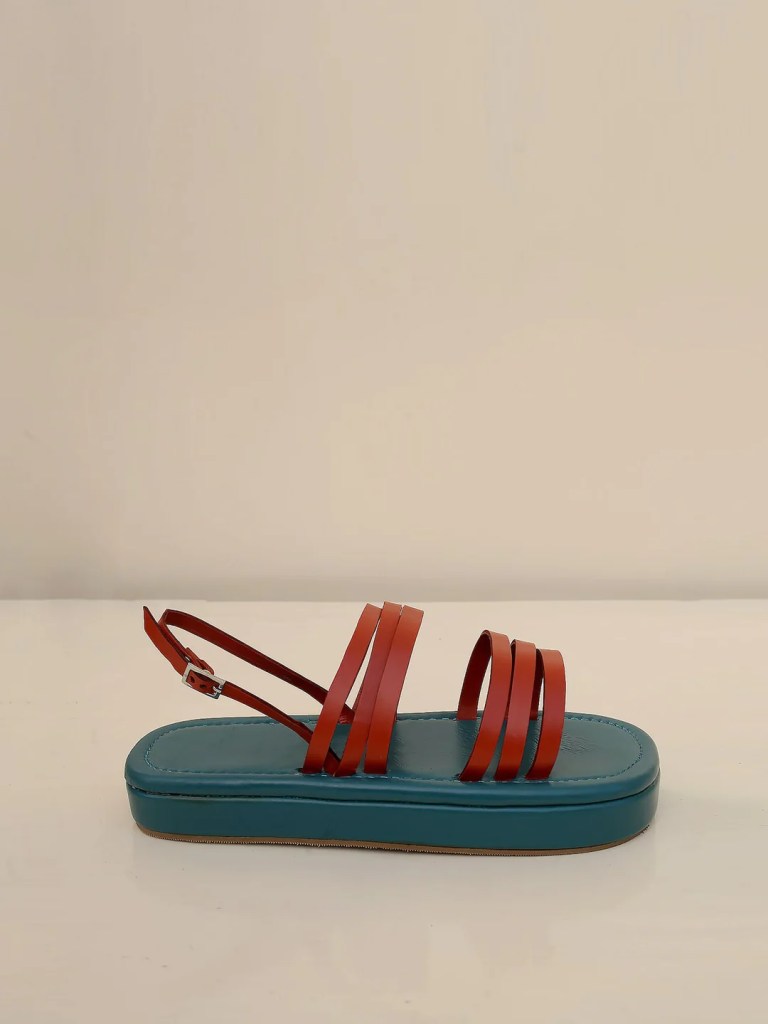
  1. Leather Sandals by Maliko (Nigeria)

Step into summer in style with a pair of leather sandals from Nigerian brand Maliko. Handcrafted using traditional techniques, these sandals combine artisanal craftsmanship with contemporary design. Whether you’re exploring cobblestone streets or relaxing at your hotel, their comfortable yet chic silhouette will through the day with ease. Pair them with a flowy sundress or tailored shorts for a sophisticated summer look.

Shop the sandals here: https://industrieafrica.com/products/isoko-sandals?_pos=19&_fid=a430994a6&_ss=c

  1. Statement Earrings by Jiamini (Kenya)

Add a sense of regality to your summer wardrobe with a pair of statement earrings from Kenyan brand Jiamini. Mad from repurposed fine materials, these earrings are a celebration of African craftsmanship and culture. Lightweight and eye-catching, they’re the perfect accessory to elevate any outfit, whether you’re attending a beachside brunch or a sunset soirée. Pair them with a simple white blouse or a breezy kaftan for an effortlessly chic look.

Shop the earrings here: https://www.jiaminikenya.com/products/wamunyu-sheild-earring

Incorporating these African designer pieces into your vacation wardrobe not only adds a touch of global flair but also supports local craftsmanship and ensures the survival of the traditional and ancient techniques used to create these timeless pieces. As you embark on your summer adventures, don’t forget to pack these essentials for a stylish and memorable journey. Happy travels!

Brand spotlight: LRNCE

From humble beginnings as a handmade ceramic brand to a multifaceted lifestyle label, LRNCE has captured the hearts of design enthusiasts around the world with its playful motifs and distinctive aesthetic. Founded by Laurence Leenaert in Marrakech, Morocco, LRNCE has seamlessly expanded its product range from ceramics to include homeware, tapestries, clothing, and now hospitality all while maintaining its strong brand identity.

Their journey from ceramics to a hotel is a testament to the brand’s ability to evolve while staying true to its roots. What started as a passion project crafting ceramics adorned with whimsical patterns and bold colours has grown into a full-fledged lifestyle brand that celebrates Moroccan craftsmanship and creativity.

The newly opened Riad is named “Rosemary” and sits in the heart of Marrakech. Designed to embody the brand’s signature aesthetic, Rosemary offers guests the opportunity to immerse themselves in LRNCE’s world while experiencing the vibrant culture of Morocco. Located at 25, Rue de la Bahia Médina, 40000 Marrakech, Rosemary features five uniquely decorated rooms, each showcasing the brand’s playful motifs and eclectic style.

Guests can book individual rooms for a memorable stay in Marrakech or opt to reserve the entire Riad for a family getaway or photoshoot. With its vibrant colours, intricate patterns, and thoughtful design details, Rosemary provides a one-of-a-kind experience that reflects LRNCE’s commitment to craftsmanship and creativity.

LRNCE’s expansion into clothing further solidifies its position as a leading force in Moroccan fashion and design. The brand’s clothing collection features relaxed silhouettes, bold prints, and luxurious fabrics, offering a modern take on traditional Moroccan style. From flowing dresses to statement separates, the clothing line embodies the brand’s playful spirit and adventurous approach to design.

LRNCE’s success lies not only in its innovative products but also in its ability to create immersive experiences that resonate with customers. Whether through its handcrafted goods, curated homeware, or vibrant clothing, LRNCE invites customers to explore Morocco’s rich culture and heritage through its distinctive lens.

For those looking to experience LRNCE’s world first-hand, a stay at Rosemary Riad promises an unforgettable journey into the heart of the city. To enquire or make a booking, contact the Riad directly at hello@rosemarymarrakech.com or call +212 5 24 38 44 26.

LRNCE continues to inspire and delight with its imaginative designs and adventurous spirit, proving that creativity knows no bounds in the vibrant landscape of Moroccan design.

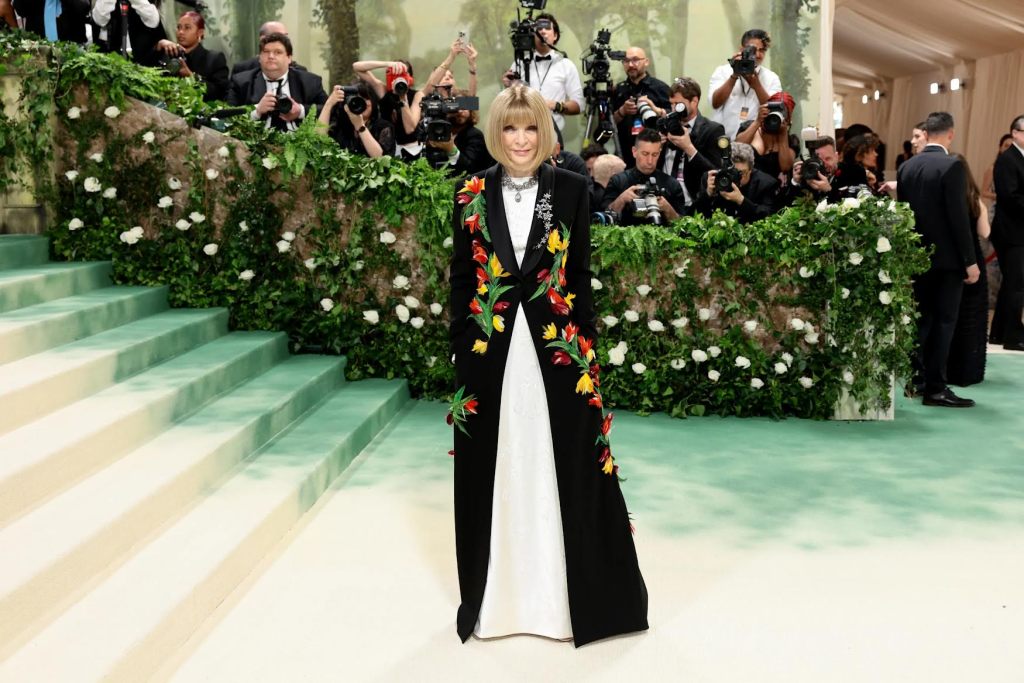
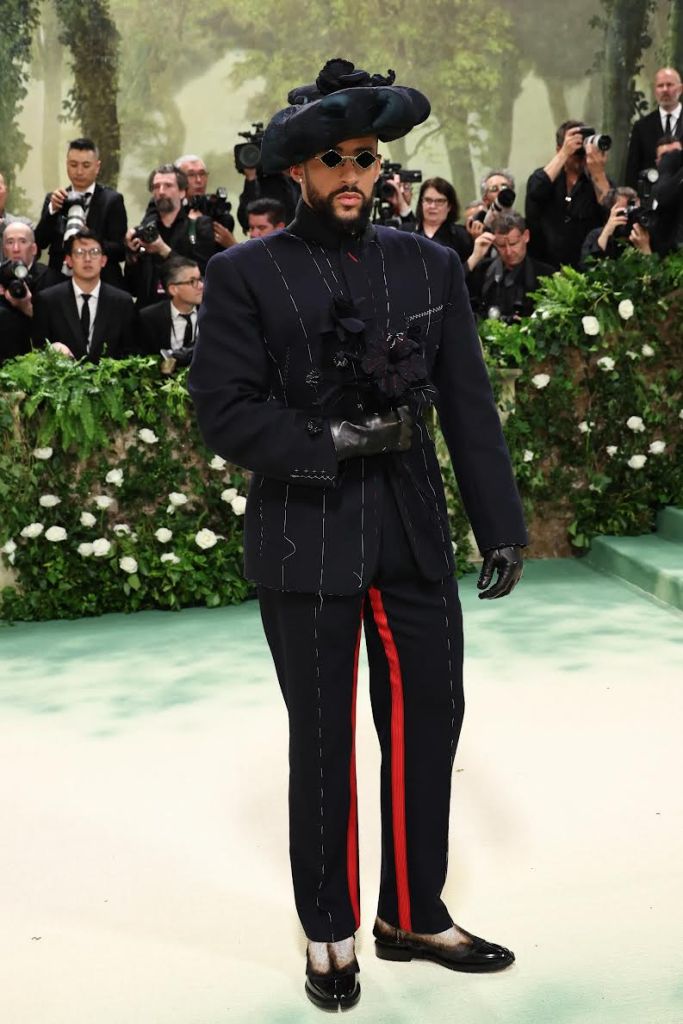
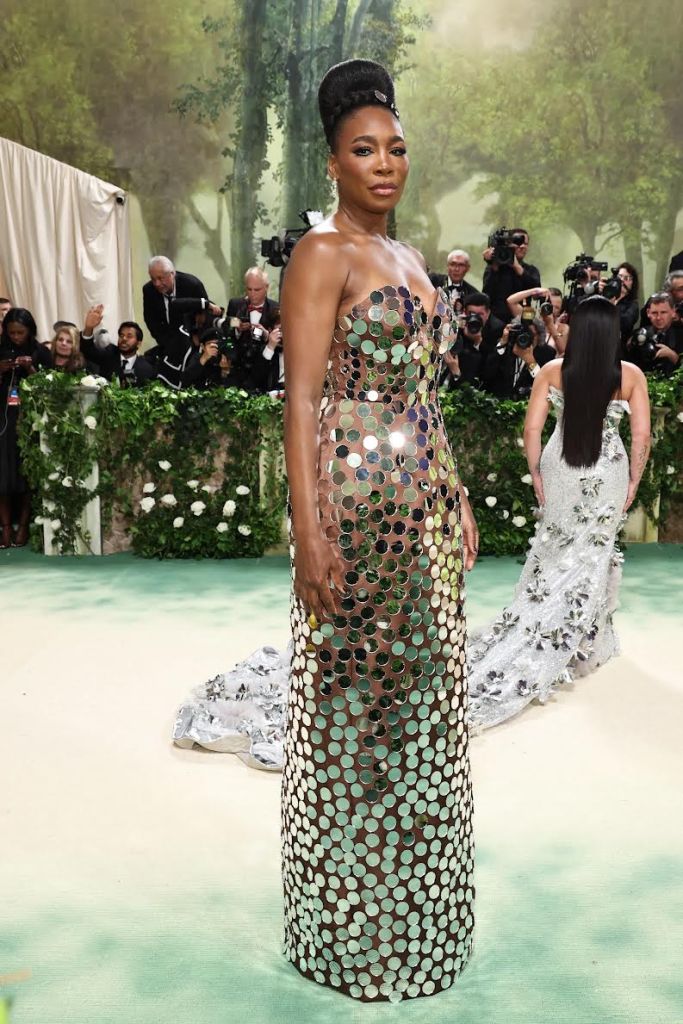
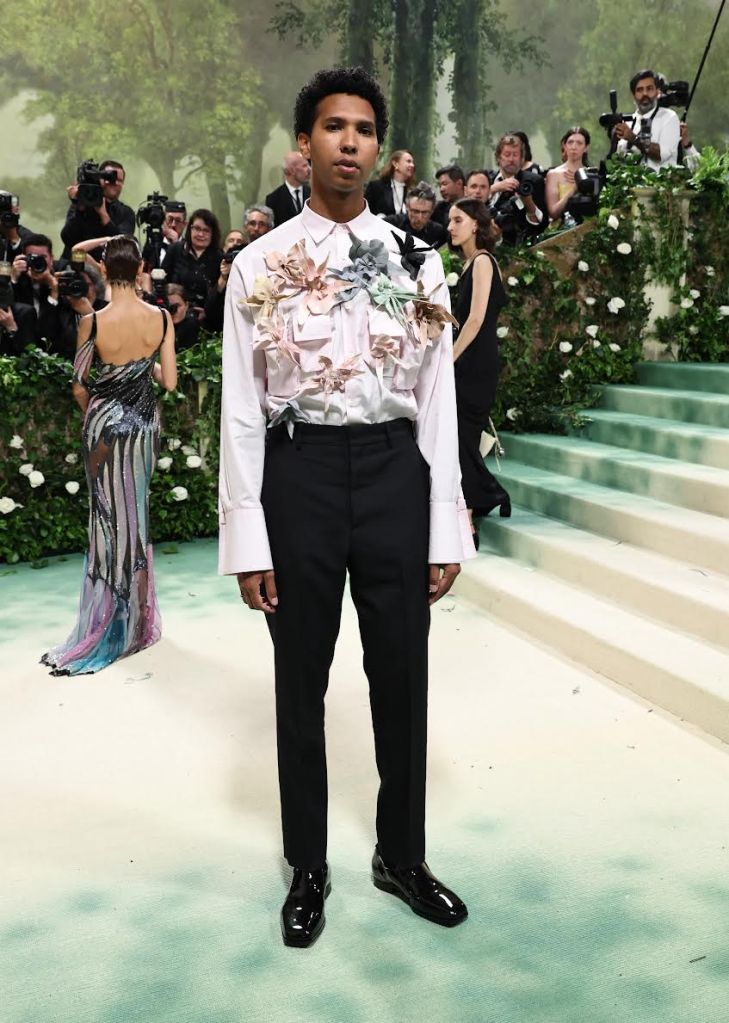
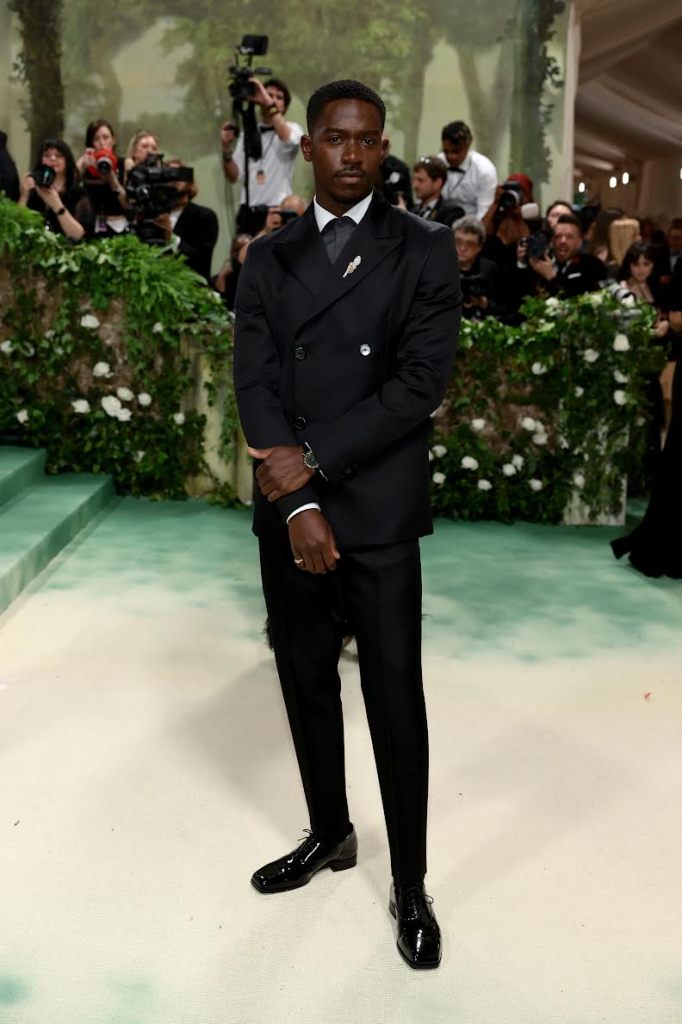
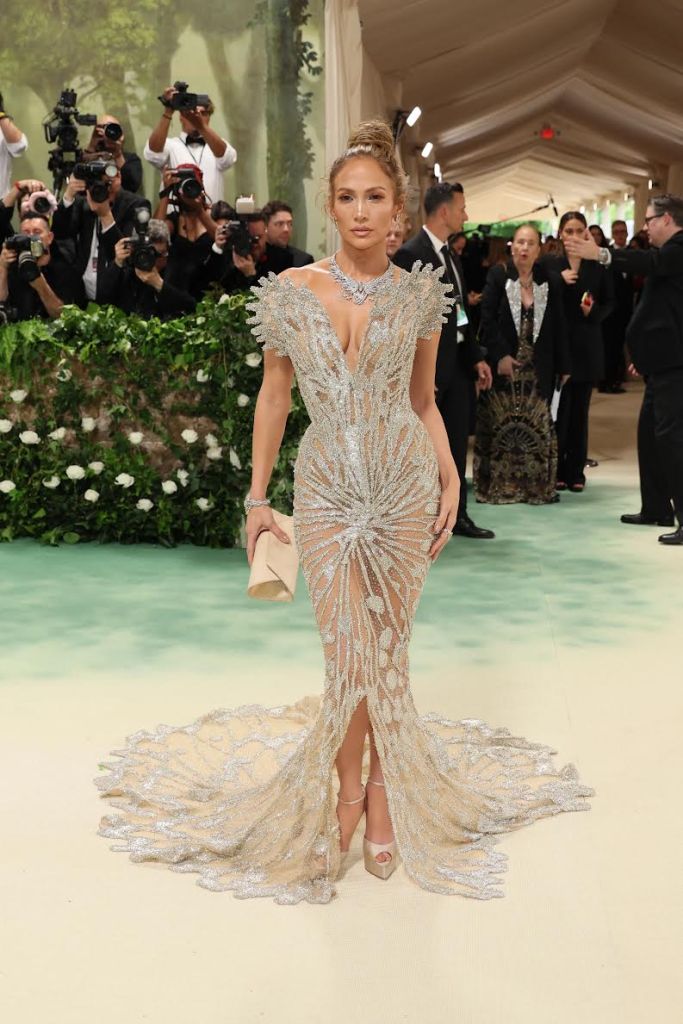
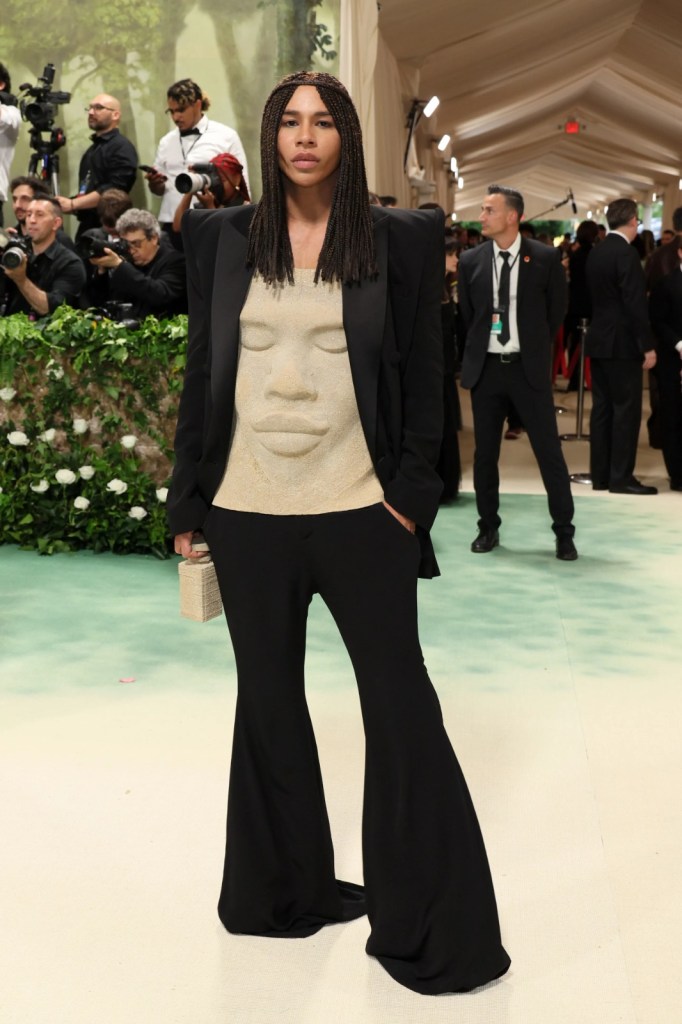
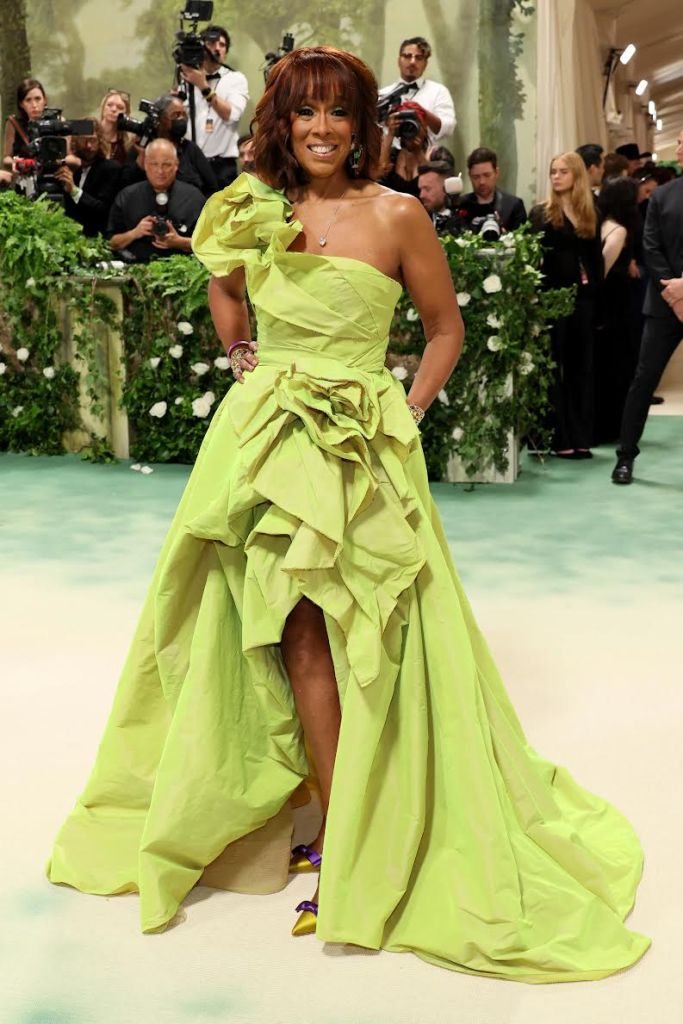
54 at the 2024 MET Gala

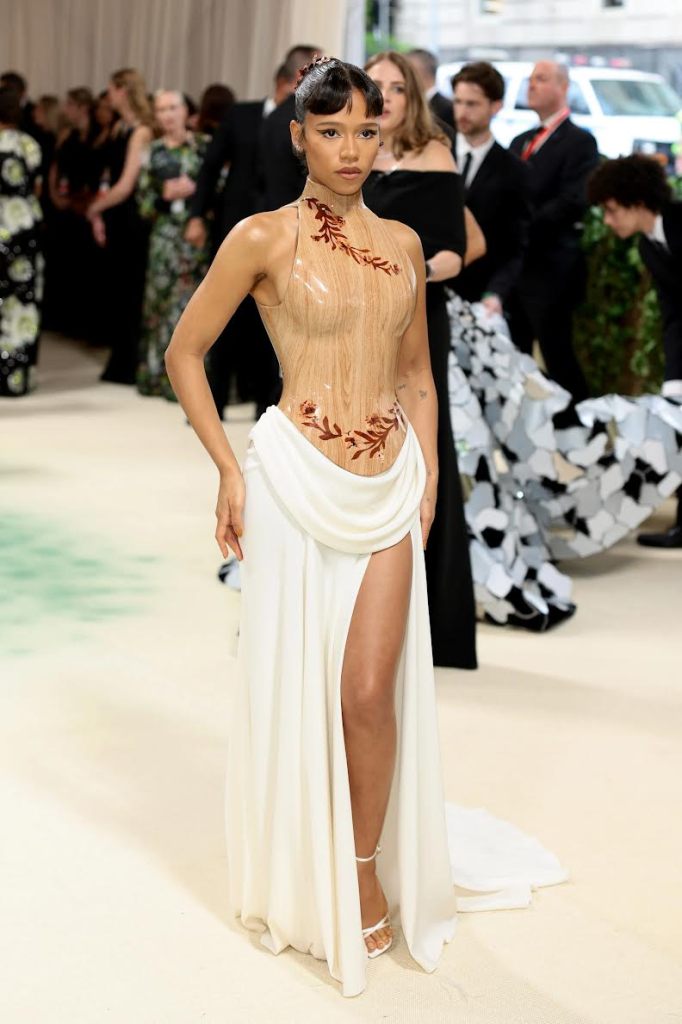
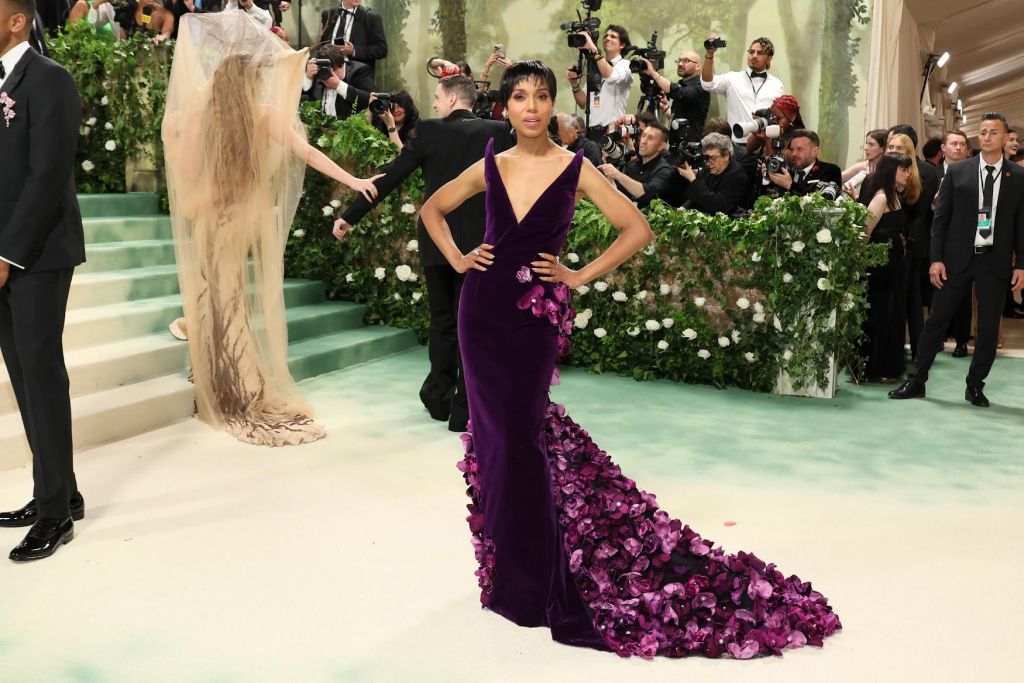
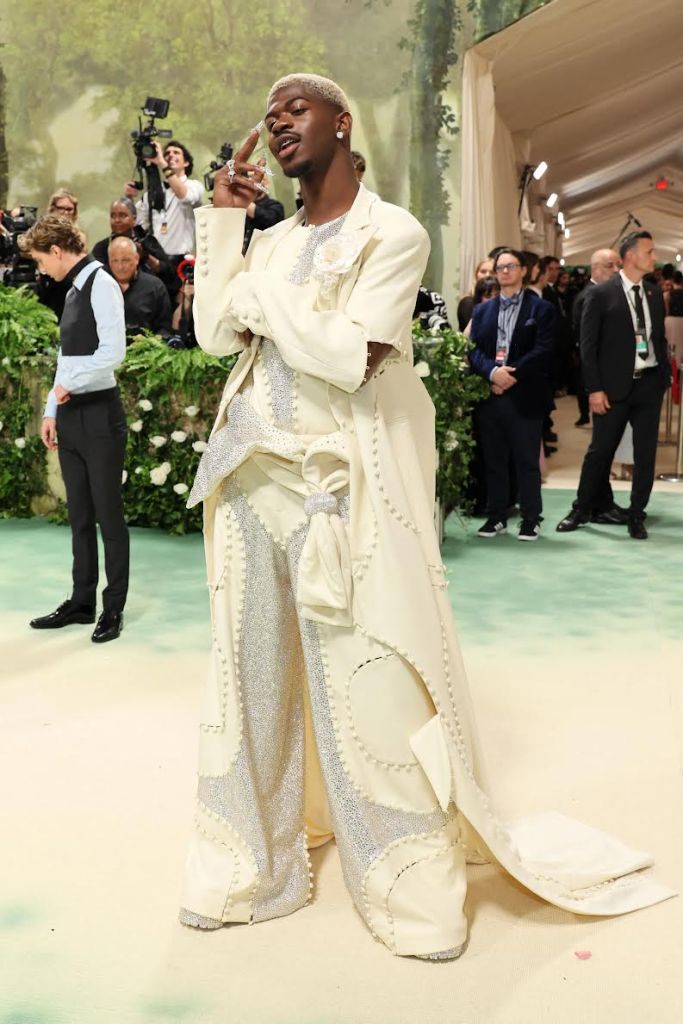
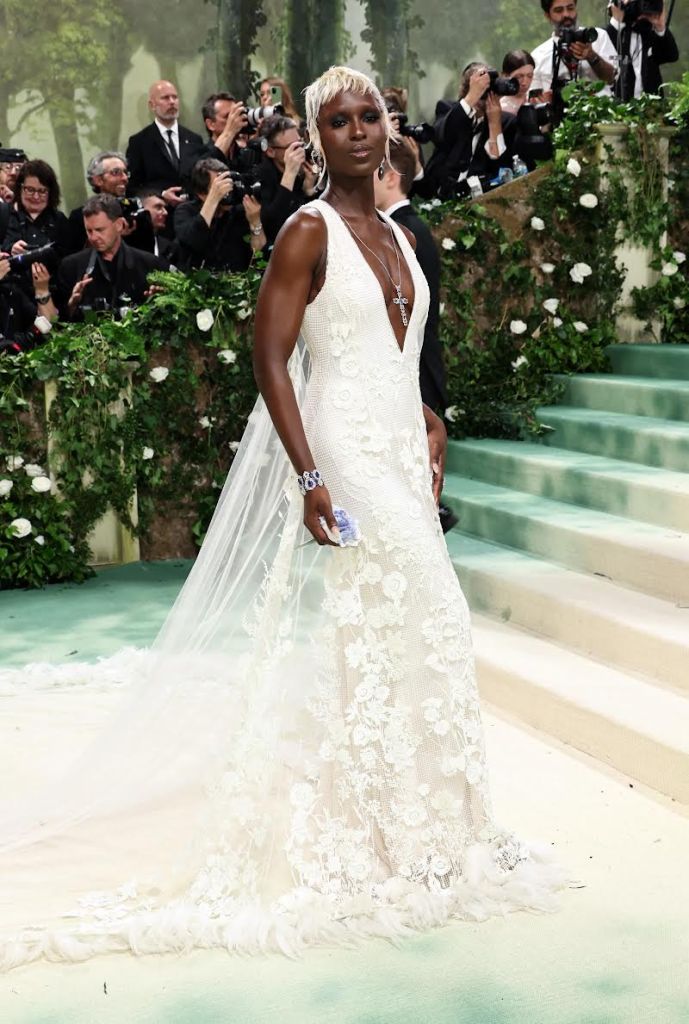
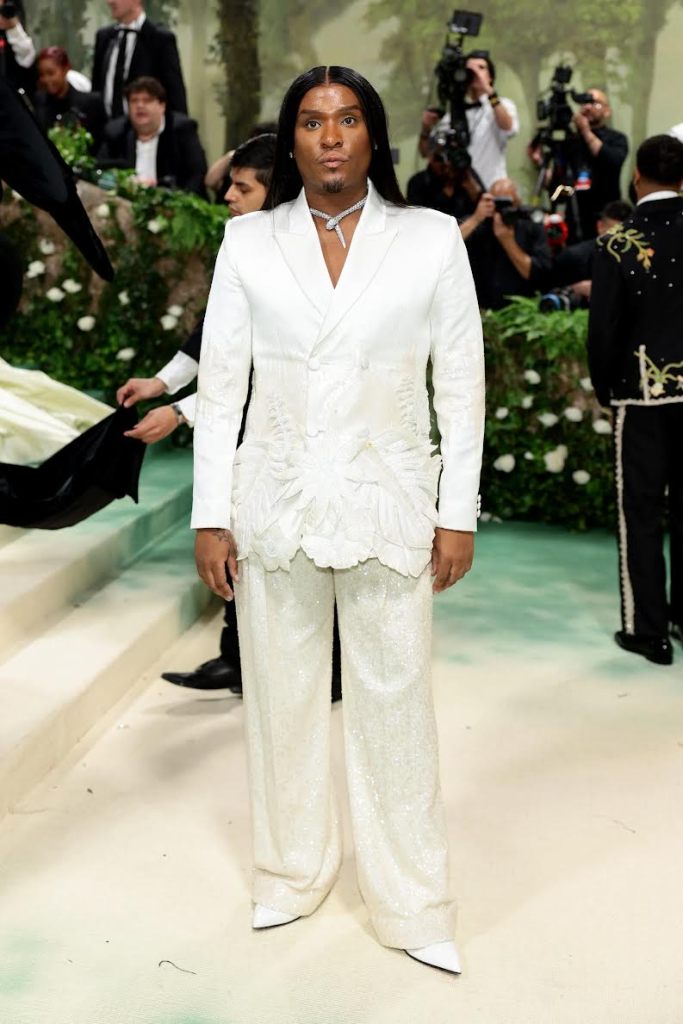
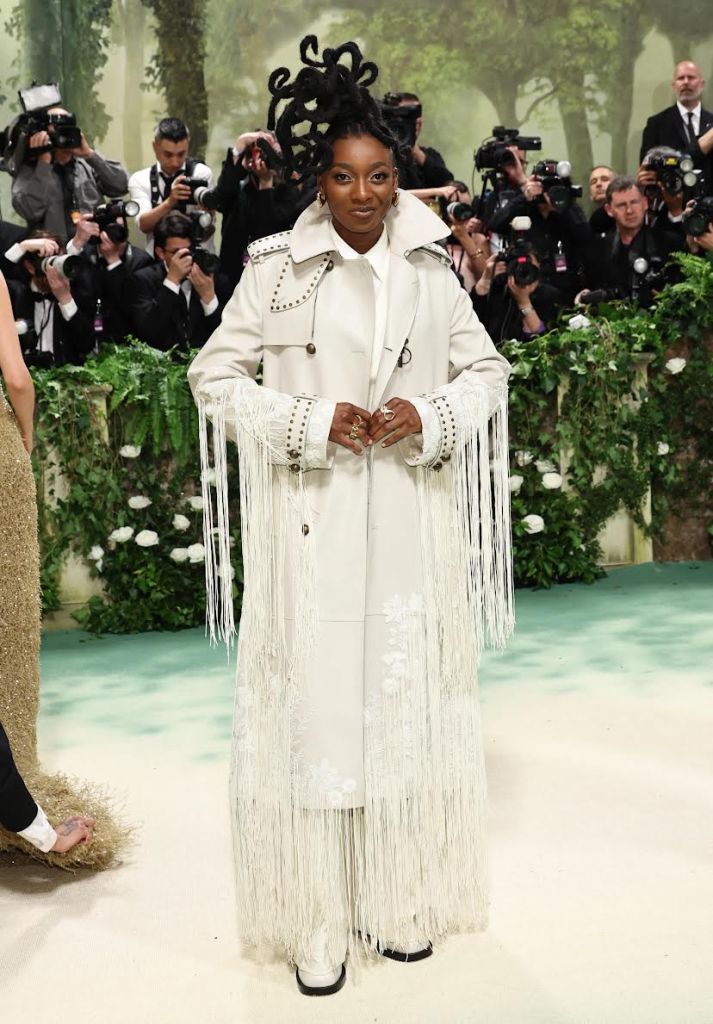
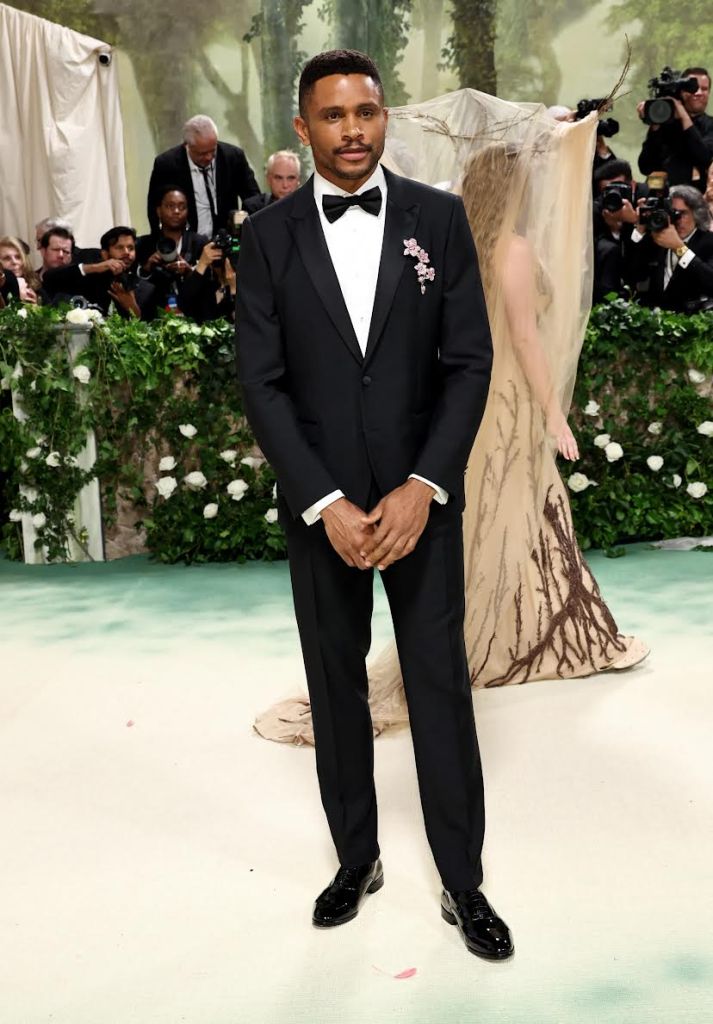
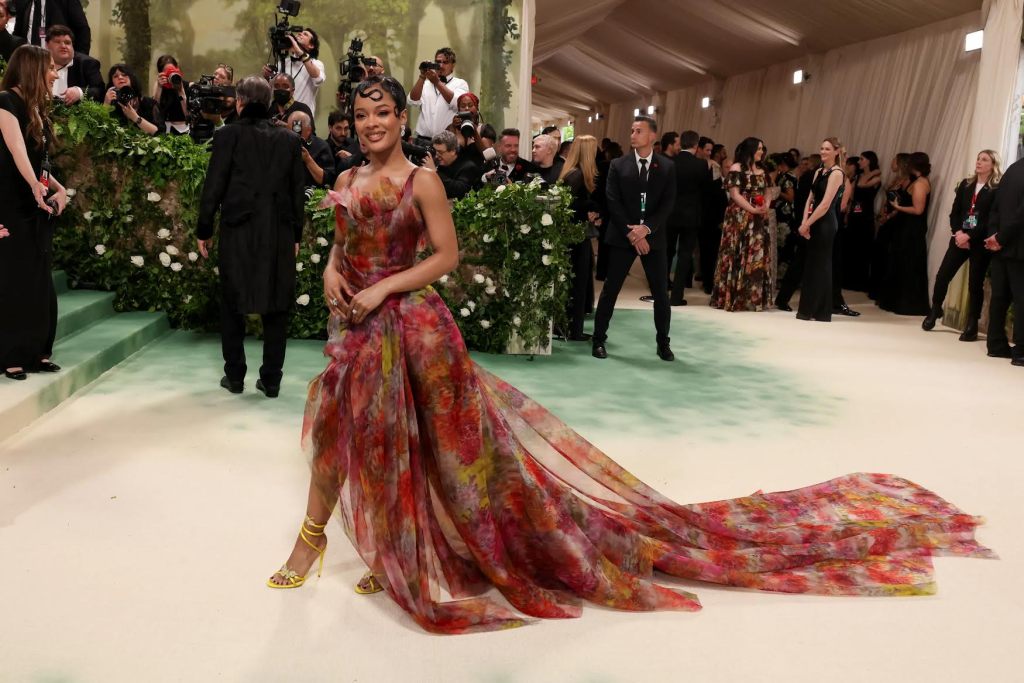
The biggest night in fashion presented a feast for the eyes with the best stars and their designer counterparts gracing the carpet in celebration of the opening of the Metropolitan Museum’s new exhibition, Sleeping Beauties: Reawakening Fashion, not to be confused with the theme for the green carpet, The Garden of Time. Read below as we take you behind the scenes of it all.

Each year, the MET selects co-chairs to help publicise the affair, and this year’s cohort is nothing short of sensational. Zendaya, Jennifer Lopez, Chris Hemsworth, and Bad Bunny were all tapped to join Anna Wintour, who’s chaired the committee since 1995. Honorary chairs for the evening included Loewe creative director Jonathan Anderson and TikTok CEO Shou Chew.

As the gates opened and the carpet staff ushered each dazzling superstar up the famous MET steps, our on-the-ground correspondent, Nigerian filmmaker Grace Bukunmi spoke to and snapped all the action. One of them is the critically acclaimed show, The Bears breakout actress Ayo Edibri, who gave the advice to up-and-coming actors, “Always be yourself.” Dressed in a floral applique Loewe dress, this marked her MET debut. Other notable stars spotted were Grammy Award-winning Tyla in a body-sculpting Balmain gown, Jodie Turner Smith in Burberry, and Adut Aketch alongside Laquan Smith.

Honorary mentions have to go to the guys who did not leave us disappointed. Zendaya’s creative director, Law Roach dressed in a crystal embellished suit by Indian designer, Rahul Mishra, Lewis Hamilton in Burberry, and Jaden Smith in Thom Browne.

See all our favourites below.

All images from Vogue.com courtesy of Getty images

A Luxury Path into Africa : a new era unfolds

As a burgeoning market, Africa is a significant producer of raw materials like cotton, has and continues to create internationally acclaimed designers, and possesses a rising middle class. UNESCO estimates that the continent’s luxury goods industry brought in an estimated US$6 billion dollars in 2022. 

Leading global brands are taking notice and as a response, are cautiously gaining a deeper foothold in key markets on the continent.

Rising fashion superpower 

In 2023, French fashion house Balmain launched its first stand-alone flagship store in South Africa. Newer high-end labels like Paris-based Casablanca and LA-label Amiri, which capture the zeitgeist with an alternative take on modern luxury, also made their entry into the country in collaboration with Yawa, a local fashion distributor and store selling streetwear-focused names like Off-White and Daily Paper. 

Other advanced fashion markets, such as Morocco, have the same effect. In 2022, Aksal Luxury, one of the country’s top-tier fashion distributors and development companies with franchise agreements with LVMH and Richemont, added Bottega Veneta to its wide roster of storied fashion houses, further indicating the growing buying power and appetite of the African luxury consumer.  

Nicolene Anley is the co-founder and director of Luna Belle Ventures, a newly launched Cape Town-based agency that brings global names like CHIMI and Golden Concept to South Africa. According to her, increased access to global brands combined with tourism has shaped the progression of the industry. She says, “Access has broadened the horizons of local shoppers and the interests of global brands alike.” However, despite the current buzz, Western luxury brands have always considered the continent a dynamic market worth exploring. The availability of Western brands on the continent is not a new phenomenon. Countries like South Africa, Nigeria and Morocco have had some access to European luxury for decades. This is through regional fashion distributors like the aforementioned Aksal Luxury or the Apsley Group, which runs high-end boutiques in Cape Town and Johannesburg, offering the likes of Hermes, Valentino and Dior to discerning South African consumers. In Nigeria, multi-brand local boutiques like Temple Muse have been responsible for introducing a diverse mix of international and regional names, including Christian Lacroix, Givenchy, Lisa Folawiyo and Ituen Basi.

Evolution of African luxury

The term luxury has taken on a new meaning for the region in recent years. “Historically, luxury in Africa was often associated with Western brands and limited to a small elite demographic,” explains Sumendra Chetty, a fashion buyer for Merchants on Long, one of South Africa’s leading boutiques. 

With a focus on crafts, local sourcing and traditional materials, African designers are building strong labels cherished locally and globally. Temple Muse’s retail operations and client service manager, Orwi Manny Ameh says that African fashion has always defined the philosophy of luxury. “Our indigenous processes of hand-making things, be it crafts, arts or fashion, is the core element of luxury. The West didn’t teach us luxury, not the making or consumption of it.” 

Raeesa Brey, a South African strategist at London-based trends forecasting company WGSN, believes that the rise of African luxury can also be attributed to projects like the BRICS+ Fashion Summit, which gives exposure and offers investment opportunities to brands from emerging markets. 

Brey notes that competitions such as the International Woolmark Prize and the LVMH Prize, which in 2019 was awarded to an African designer, Thebe Magugu, for the first time since its launch, have been a “turning point” for brands. These competitions often come with cash prizes, mentorship and global press coverage, and are instrumental in boosting the profiles of designers and legitimising the industry. 

On the continent, local investment firms like Birimian are also helping to solidify the market through incubator support, financial backing, strategic advice and educational opportunities to equip creative entrepreneurs with the skills to develop their businesses.

Music and tech effect 

Before the online boom and the introduction of local boutiques that distribute international brands, African consumers had to travel overseas to shop for luxury fashion. However, the adoption of technology has changed the landscape. From  celebrities like Beyoncé dressed in Senegalese womenswear label Tongoro to Gigi Hadid wearing Egyptian accessories brand Okhtein, the interest in Made in Africa designs is partly driven by digital advertising and social media. 

 “TikTok and Instagram have helped to ignite this interest, allowing anyone to explore niche local tastes and consume regional content regardless of their location,” explains Brey. Specialists say the digitisation of the industry has been on the rise since the Covid-19 pandemic. 

The growing influence of Amapiano and Afrobeats has also contributed to the progression of the sector, positioning Africa as a rising but essential ground for brands looking to appeal to youthful audiences and build cultural relevance. UNESCO states that 50% of Africa’s population is under 25 years old. As a result, brands like Burberry, Balmain and Dior are tapping some of the biggest African stars to increase their reach and position themselves as cool cultural curators and connectors. For example, Burna Boy and Tems recently fronted a Burberry holiday campaign; Fally Ipupa, who’s often draped in Balmain, is a close friend of the brand; and the likes of Rema, Ruger and Wizkid made appearances as guests at a 2023 Dior Homme showcase as did Tyla at Dolce & Gabbana. 

The future is collaboration 

As echoed by Ameh and Anley, making a positive entry and impact in Africa will require authentic collaborations with local experts. Ameh says, “Making use of local intelligence to tailor brands and products is a smart move that some global brands have already keyed into.” Chanel is a good example so far. As part of its ground-breaking 2022 Métiers d’Art showcase in Dakar, Senegal, a first for the brand and continent, the house proceeded to partner with Senegal as its producer of responsible, high-quality cotton. 

Chetty adds that cultural sensitivity is crucial. “There is a risk of cultural appropriation if international brands fail to authentically engage with African culture and communities,” she explains. While the growth of international luxury brands can bring benefits to our industry, it is essential to ensure that it is accompanied by efforts to support local talent, promote diversity, and foster sustainable development,” she concludes. In essence, Africa is open and ready for the business of fashion. 

Made in Africa

Three years ago, I came across a beautiful black-and-white print jumpsuit.

I can still remember the beat of my jumpsuit-loving heart skipped on seeing it. It was different. It was bold. It was everything.

One click led me to Tongoro’s website – it was love at first on-screen sight. What made the moment even more serendipitous was finding out Tongoro was an African brand. I made my first purchase, received the striking silky-smooth piece in the mail,and realised I needed more.

More Tongoro for my closet, of course – but more knowledge about the artist that created this brand that so spoke to me.

My online research taught me Tongoro – and its stunning cuts and prints – was born from the mind of a Senegalese creator, Sarah Diouf.

Did I immediately head to her personal Instagram account and reach out to her? Yes, yes I did!

African fashion is my love language, people. Fast-forward three years and I’m spending four whole days in Sarah’s home country of Senegal – sitting on the floor in her home, sharing tea and stories.

She is as approachable as they come – her presence isn’t just inspiring, as so many artists’ are, it’s refreshing. Had you told my jumpsuit-loving, online-sleuthing self three years ago I would be writing these words, reminiscing on the most magical shared time with the creator whose work I relished, I would have told you I admired your sense of humour and wild imagination.
Don’t you love when life surprises us with the experiences we are so sure are impossible?

(read the full story in issue 06)