How Africa’s Fabrics Shape Luxury Fashion’s Future
Jamila Pereira
Wovened Influence
Luxury has always known Africa, though it often forgets to name its source. The whisper of kente against silk, the structured majesty of agbada draped over a Parisian runway, the sacred geometry of Kuba cloth embedded in haute couture – evidence of a continent that has long sculpted opulence without needing permission.
But now, the weavers are speaking, the dyers are naming and the designers are reclaiming. The future of luxury is not merely inspired by Africa; it is being rewritten by it.
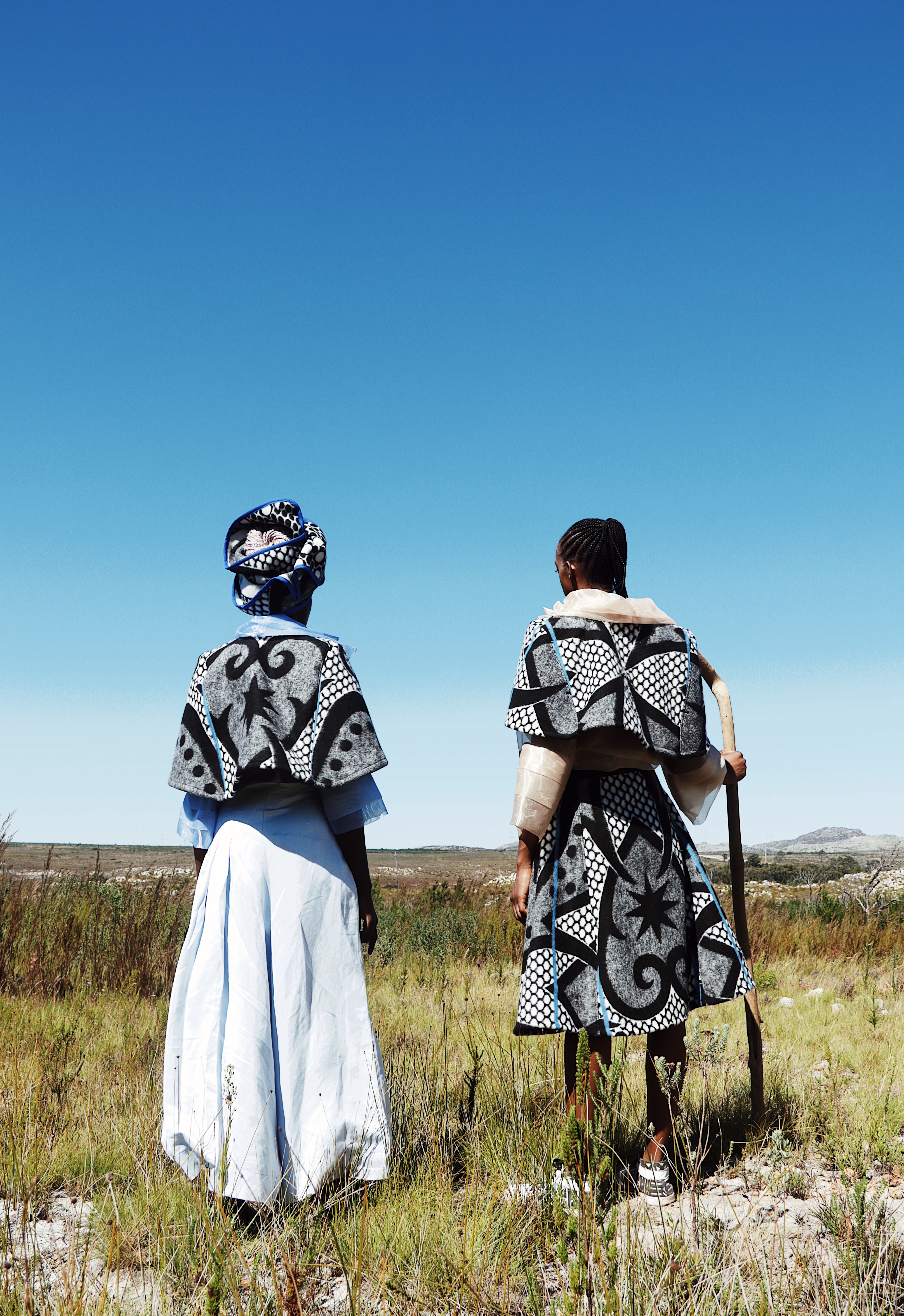
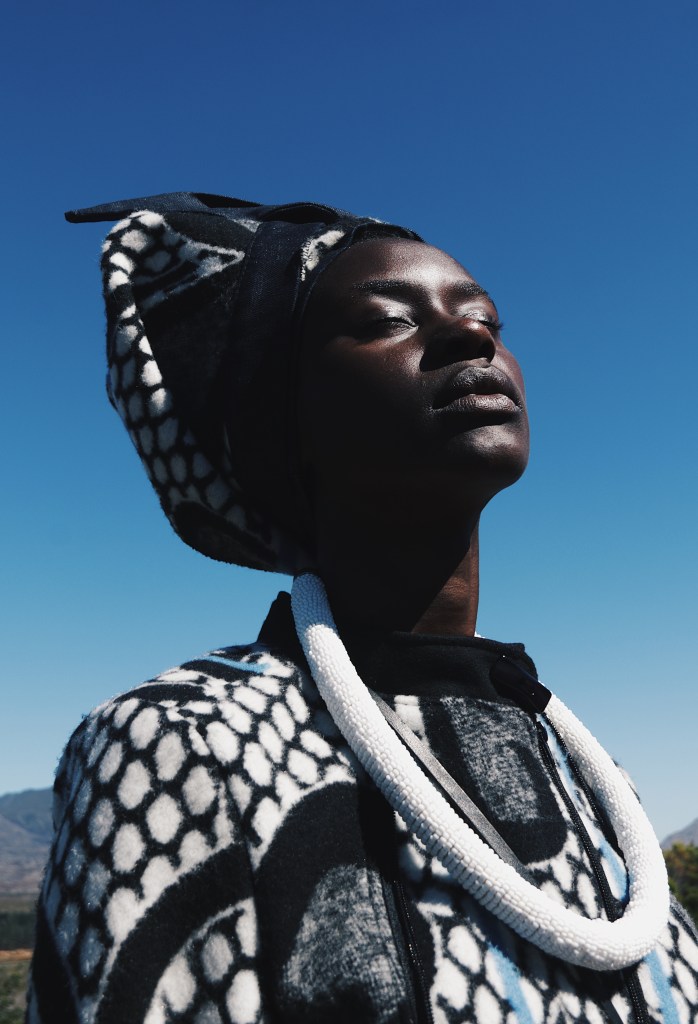
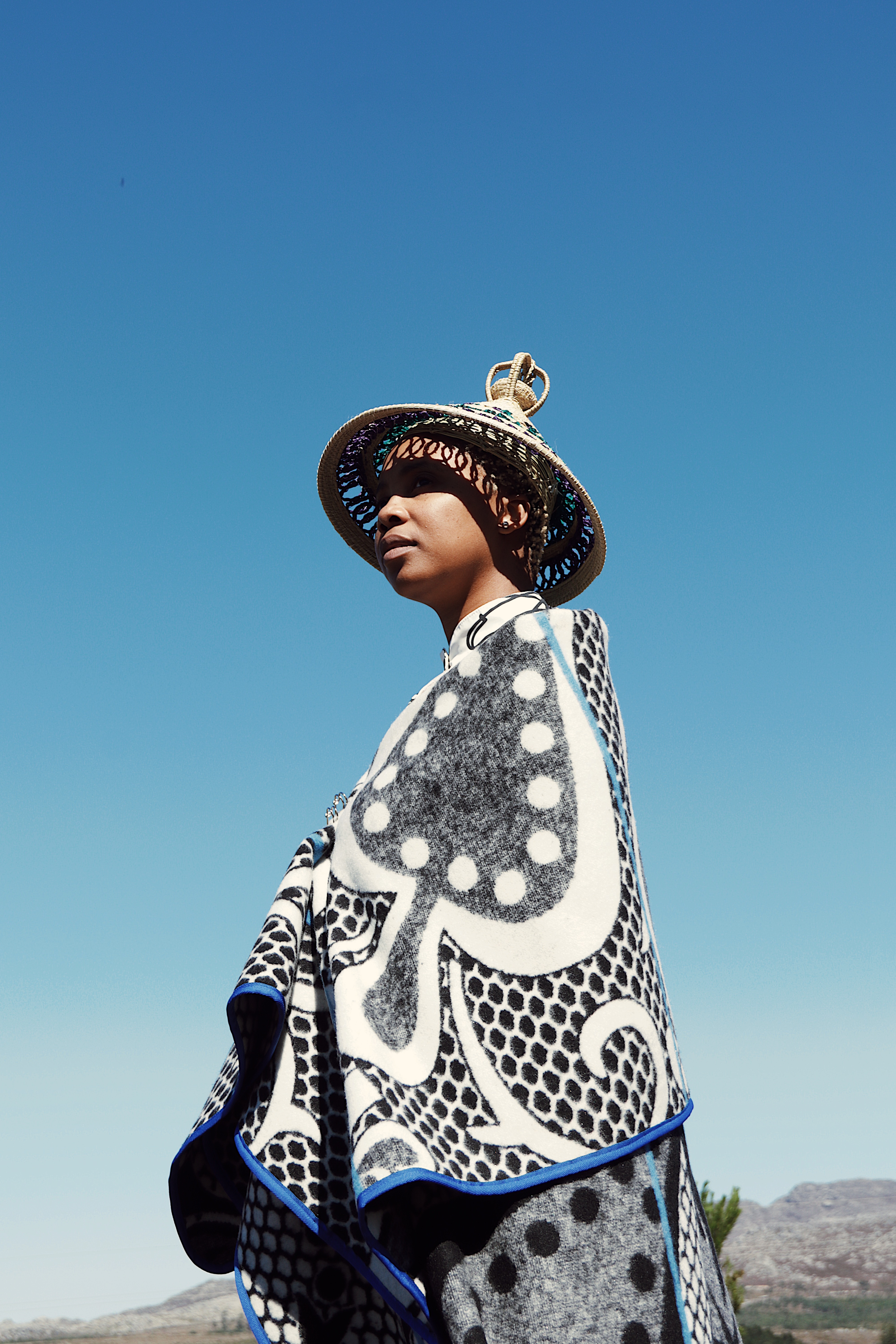
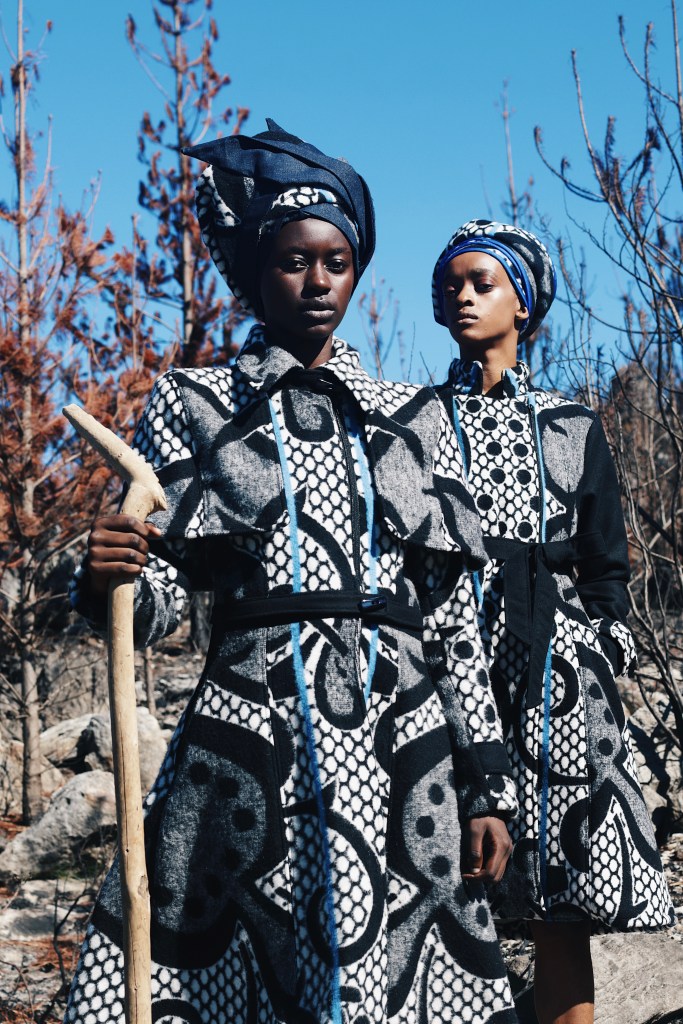
Fede Kortez - Designer Thabo Makhetha from Lesotho
Fede Kortez - Designer Thabo Makhetha from Lesotho
Where the loom hums | Democratic Republic of Congo
To grasp the depth of Africa’s imprint on fashion’s elite, we must begin where the loom hums in a steady rhythm. In the Democratic Republic of Congo, the Kuba people have, for centuries, woven raffia into intricate textiles, each piece a language of symbols and proverbs. Their geometric patterns, echoed in Balmain’s bold Jacquard fabrics and Versace’s labyrinthine motifs, are not coincidental. They are borrowed, repurposed and rebranded for global consumption, often without acknowledgement.
Today’s African designers are not merely content with being a footnote. They reclaim their motifs with precision and power, stitching heritage back into its rightful place.
Garments of rebellion | Lesotho, South Africa
Across the highlands of Lesotho, the Sotho people wrap themselves in the Basotho blanket, a woollen garment of warmth, lineage and quiet rebellion. Once a colonial import, it has been transformed into a national symbol, a reminder of Africa’s ability to turn history into haute couture. Luxury houses, ever eager to flirt with authenticity, have reinterpreted its bold stripes and deep indigos, but true innovation rests in the hands of African creatives. South African designer Thebe Magugu’s sharp tailoring draws from this wellspring, his garments speaking in the language of ancestors while marching into the future.
Fede Kortez - Designer Thabo Makhetha from Lesotho
Fede Kortez - Designer Thabo Makhetha from Lesotho
Fine threads of declaration | Cameroon
In Cameroon, the artistry of the town and city of Bamenda and Foumban tells another story – one of royalty, of power embroidered in fine threads. The Bamiléké people’s vibrant ndop fabric (a handmade cotton cloth), once reserved for nobility, has found its way into contemporary fashion, draped on runways from Milan to New York. These are not just textiles; they are declarations. A Foumban artisan’s touch carries centuries of technique, imprinted onto cotton and velvet, often without credit when mimicked by Western brands. But the tide is shifting, and designers from Lagos to Douala are reclaiming these legacies, ensuring that the hands which craft are also the hands that profit.
The global stage is taking note. The resurgence of gele headpieces (a traditional head tie of the Yoruba people), the return of cowrie shells to high fashion, and the reverence for handwoven African textiles are not fleeting trends. Cowrie shells, once used as currency across Africa, Asia and the Indian Ocean, symbolised wealth, prosperity and spiritual protection – small treasures carrying immense value. They are the fingerprints of a continent that has always defined luxury, whether recognised or not. From Fendi’s Ankara-infused collections to Louis Vuitton’s Ghanaian wax print-inspired ensembles, Africa’s influence is undeniable. Yet, the true revolution is not in adaptation but in ownership. This is not a borrowed aesthetic, it is a foundation – woven, dyed and stitched into the very fabric of luxury’s future.