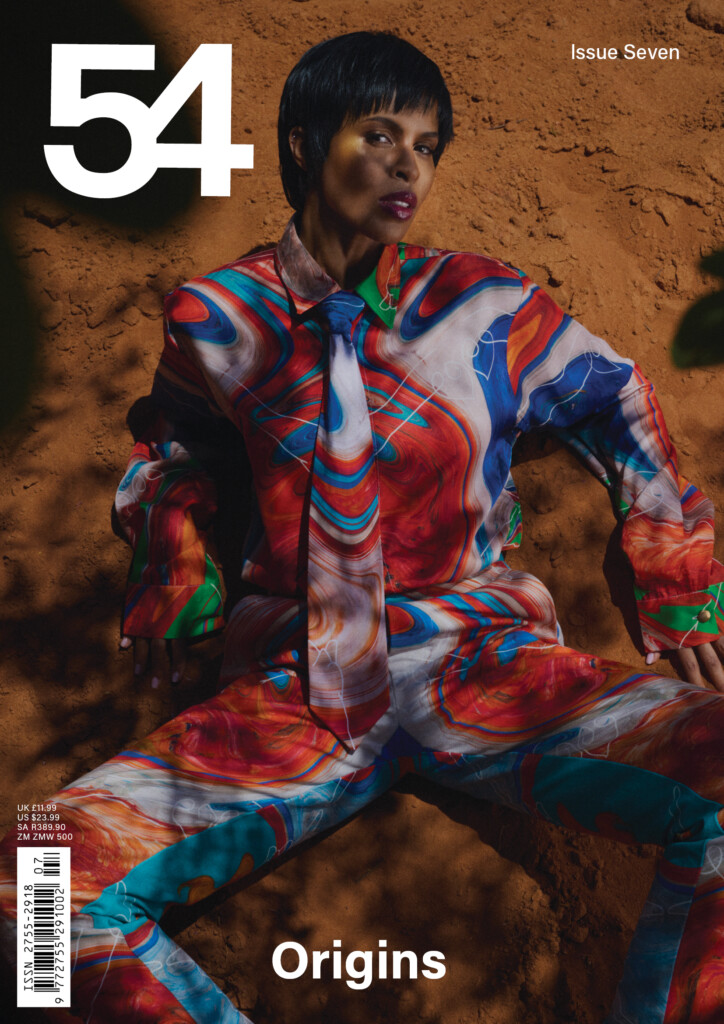
The “strong Black woman” stereotype isn’t empowerment. It’s a trap. It tells us to endure anything, ask for nothing, and expect no rescue.
Words: Jamila Pereira
Why I’m Done Being the “Strong Black Woman”
I never chose to be strong. It was expected, passed down like a silent rule: show up, hold it down, and never fall apart – no matter how bad it gets.
This expectation followed me everywhere. In church pews where suffering was spiritualised. In school where I was told to “try harder.” In my family, where women didn’t cry but coped. The unspoken belief was this: if you break, you’ve failed the legacy. What happens, though, when strength is just untreated pain dressed up as pride and meant to gaslight us into being just another tool for capitalism and white supremacy?
The “strong Black woman” stereotype isn’t empowerment. It’s a trap. It tells us to endure anything, ask for nothing, and expect no rescue. It’s the reason so many of us suffer in silence. I did. For years, I carried depression no one saw – because I never let them. That was my job, to keep going as the sister, the daughter, and the friend everyone could count on for everything. I broke inside, and no one noticed. I didn’t notice.
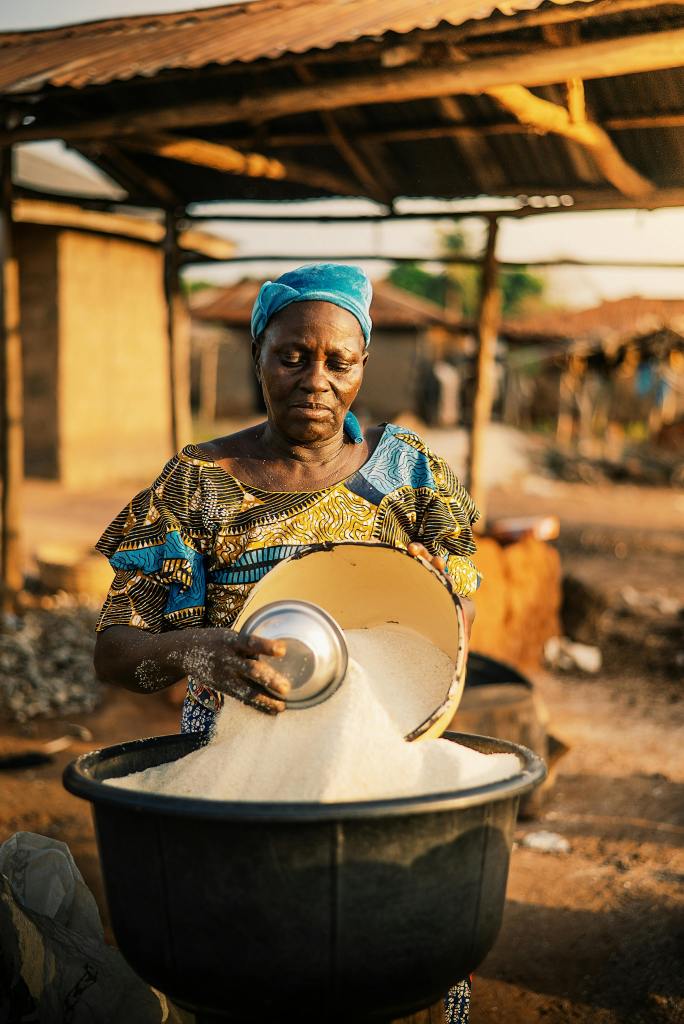
Junior Aklei Chaky via pexels
The History of the Lie
What so many don’t know is that this myth didn’t start with us; it was built on slavery. The Black and African woman was the one who worked the fields, cared for the children, absorbed violence, and asked for nothing. She was the mammy, the mule, the backbone. She wasn’t allowed softness nor a shred of femininity. That legacy didn’t die with abolition or the end of colonisation but instead simply evolved and transformed itself right before our eyes.
Michele Wallace dissected this same phenomenon in Black Macho and the Myth of the Superwoman, showing how even movements that claimed to fight for our freedom such The Black Panther Movement often reduced Black women to supporters – never leaders, never thinkers, always caretakers. The “Superwoman” had no needs. She had one job: to hold everything together, especially the Black man. And if she couldn’t? She was the problem.
Kimberlé Crenshaw’s theory of intersectionality explains this erasure as well. Black women live at the intersection of racism and sexism, with the wider world – systems, institutions, even our own communities – often only seeing one piece of that, leaving us out of both conversations. Feminism doesn’t see our race just as racial justice doesn’t see our gender, so we’re forced to carry everything and feel grateful for the burden.
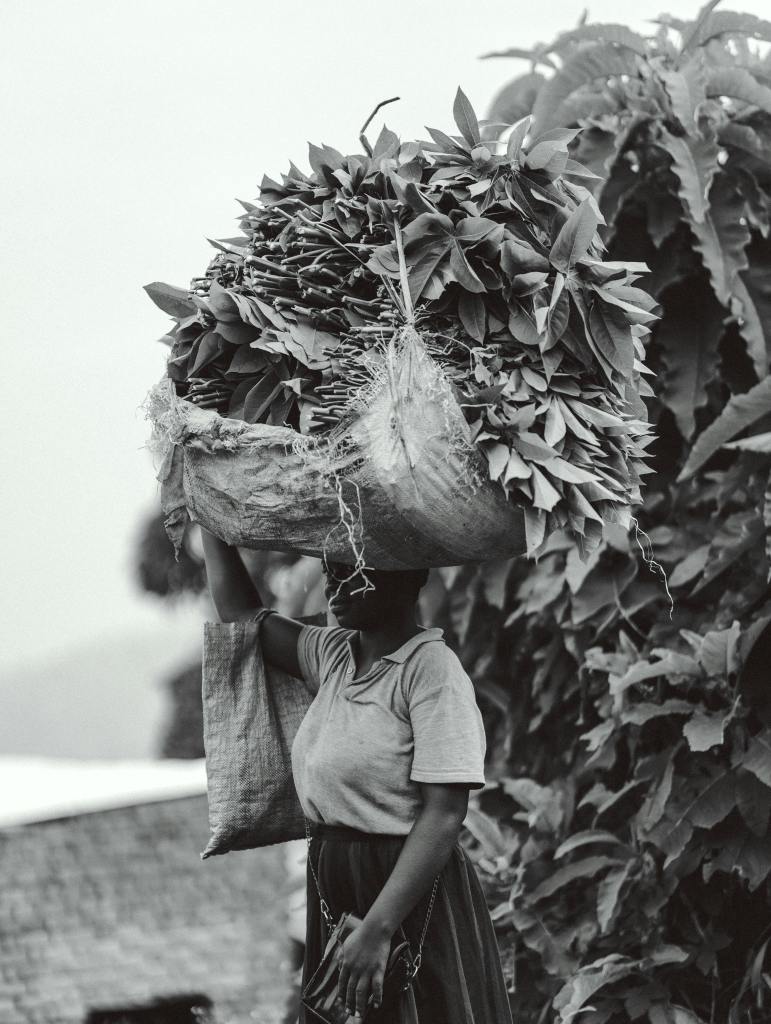
Denirann via pexels
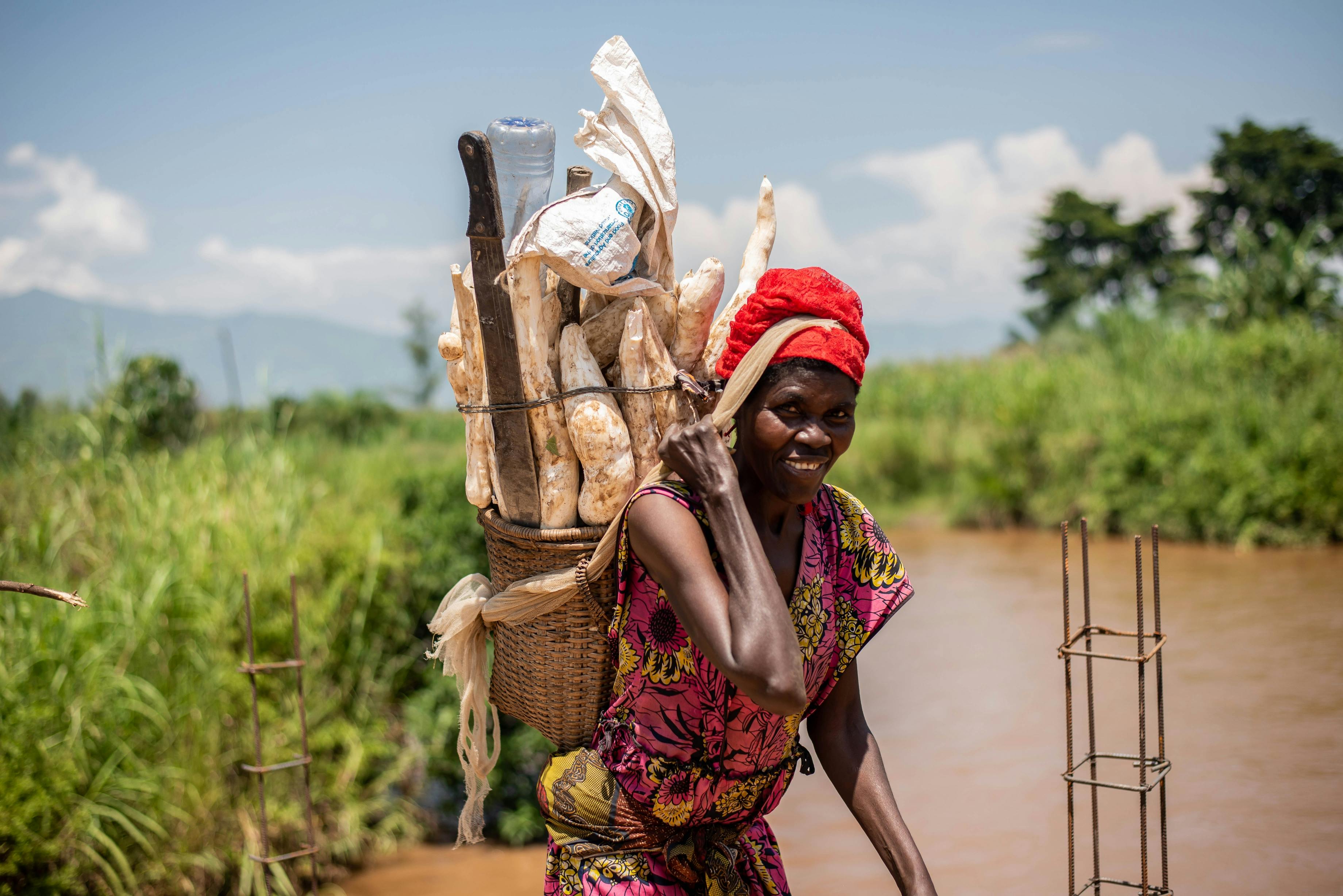
Kureng Workx via pexels
The Cost of This Strength
We pay for it with our bodies. Black women are more likely to suffer from stress-related illnesses: high blood pressure, cancer, diabetes, anxiety, depression. Yet ironically, people are less likely to believe us when we say we’re unwell. Why? Because we’re “strong” and “can handle it.” Doctors ignore our pain. Employers overlook our burnout. Churches preach endurance, not healing.
Even in our own families, there’s little space to say: I’m tired.I need help. Vulnerability is mistaken for weakness, but it’s not. It’s a basic human need, one we’ve been denied for too long.
This stereotype has made mental health taboo as well. I was deep in a years-long relationship with depression before I ever named it, which would’ve meant admitting I couldn’t push through everything and that I wasn’t unbreakable. Naming it was the first real act of strength I ever displayed.
Kristyn Taylor
Edouard Mihigo via Pexels
Rejecting the Role
This younger generation of Black women is waking up, many of us rejecting the “strong Black woman” label outright. We’re choosing rest, softness, therapy, and boundaries – realising that being constantly needed is not the same as being loved.
The rise of the “soft life” movement isn’t about avoiding responsibility; it’s about refusing martyrdom and instead saying “I deserve care too.” I, likewise, want peace rather than survival by force. I want to live fully, not function silently. We’re done performing resilience and suffering alone.
Let me be clear: strength isn’t the enemy. When it’s the only thing you’re allowed to be, though, it can trap you in a lifelong prison.
Safari Consoler via pexels 2
The Way Forward
We don’t need more strong Black women. We need free ones. Women who can rest, cry, fail, ask for help, and still be seen as whole. Women who can be brilliant and broken, soft and serious, healing and holy, all at once.
I’m done proving I can take it all, which was never the goal.
The goal is to be human and enjoy stillness, guilt free.