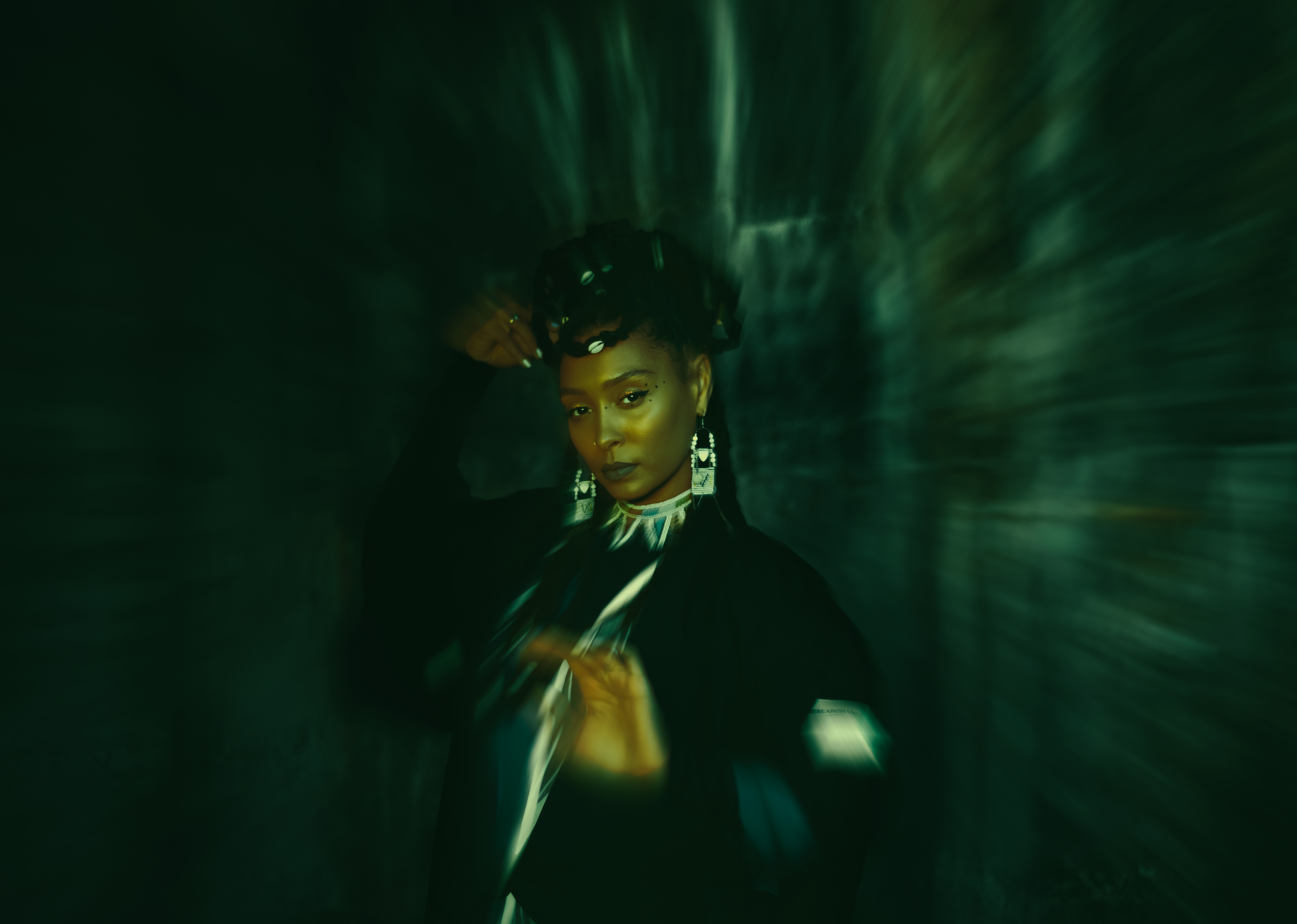
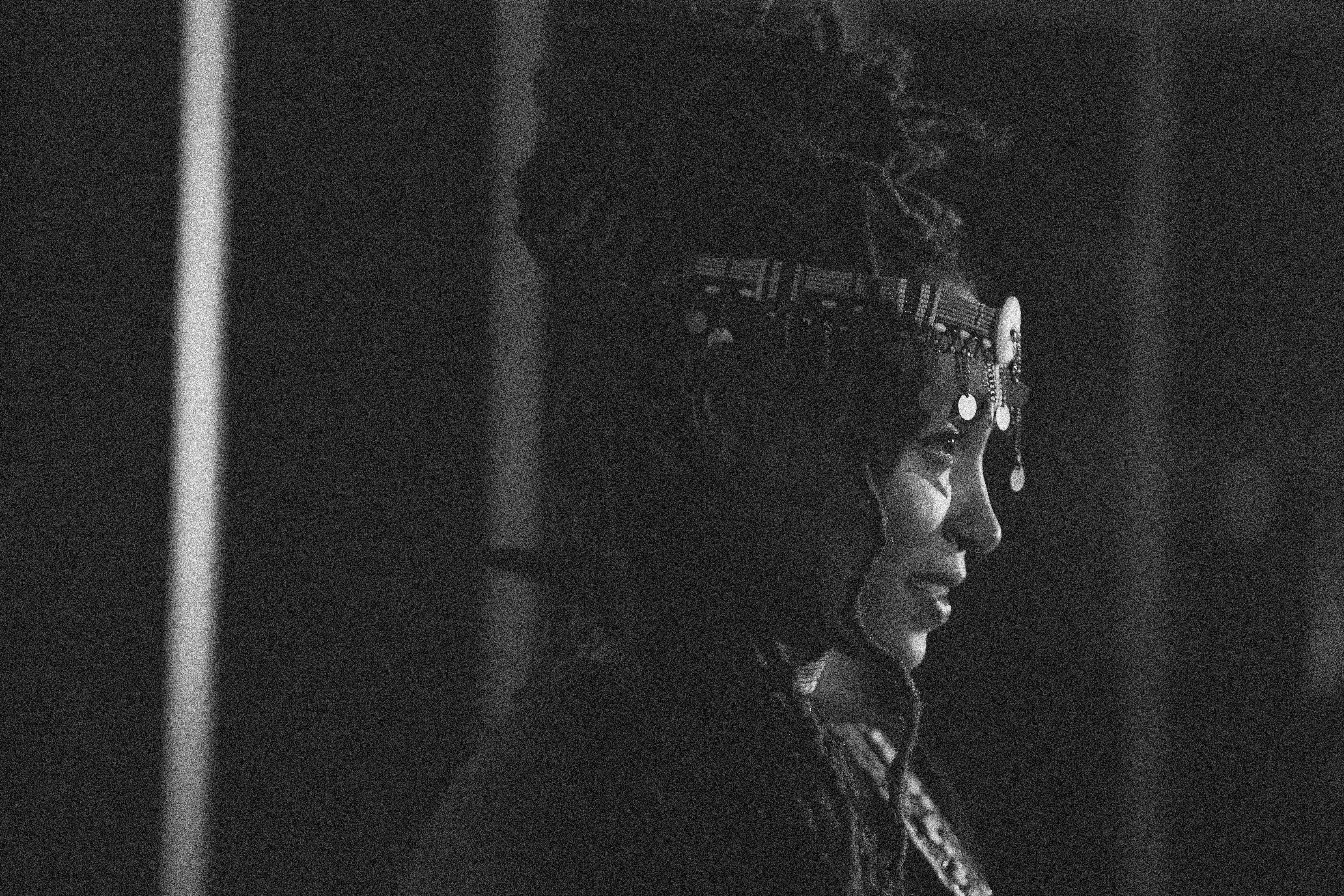
There’s a stillness to DemiMa’s presence that makes you want to lean in, not because she demands the room but because she tends to it like a garden.

Jamila Pereira

“Where the Water Meets the Womb”: DemiMa’s Sonic Journey Between Legacy and Liberation

DEMIMA by Tolu Elusade

There’s a stillness to DemiMa’s presence that makes you want to lean in, not because she demands the room but because she tends to it like a garden. It’s a kind of quiet confidence that doesn’t announce itself but resonates long after. Maybe it’s the echo of her grandfather’s piano or the eThekwini sea winds. Maybe it’s her London grit softened by meditative grace. Maybe it’s all of that.

“People ask me who I am behind the scenes,” she says, her voice warm but grounded – like someone who’s made peace with the weight of many things. “There’s not really a ‘behind’ and ‘in front’ anymore, though. I live close to the core. What you hear in the music – that’s really me. A revolutionary raised by revolutionaries, my intention to present solutions to my community for a better future.”

Born into the Mseleku family – South African jazz royalty – DemiMa could’ve leaned into expectation but chose to dance with it instead. “There were moments,” she admits, “where I felt the shadow of it. The weight. You know, people project legacy onto you, but you’re still figuring out what’s yours. I never felt trapped by it and now see it as a seed, not a ceiling.”

What a seed it is. Her sound doesn’t cling to genre so much as it stretches across various – electronic soul woven with jazz curiosity, peppered with ancestral textures and meditative breath. It feels both intentional and improvisational, like a prayer meeting polyrhythm. Sound like a contradiction? DemiMa’s okay with that,. her life built on beautiful dualities.

“I always say South West London gave me the tools, but eThekwini gave me the spirit. London sharpened my ear – it’s diverse, it’s messy, it’s urgent – but Durban taught me how to listen. Like really listen: to space, to silence, to land. That’s what anchors me.”

That anchor is evident in her EP Duality Pt. 2: Peace, a deeply meditative body of work that resists the urge to rush. “I wanted to create a space where people can rest,” she explains. “There’s so much noise in the world, and even more pressure to be seen, to produce. This project was about allowing stillness to speak.”

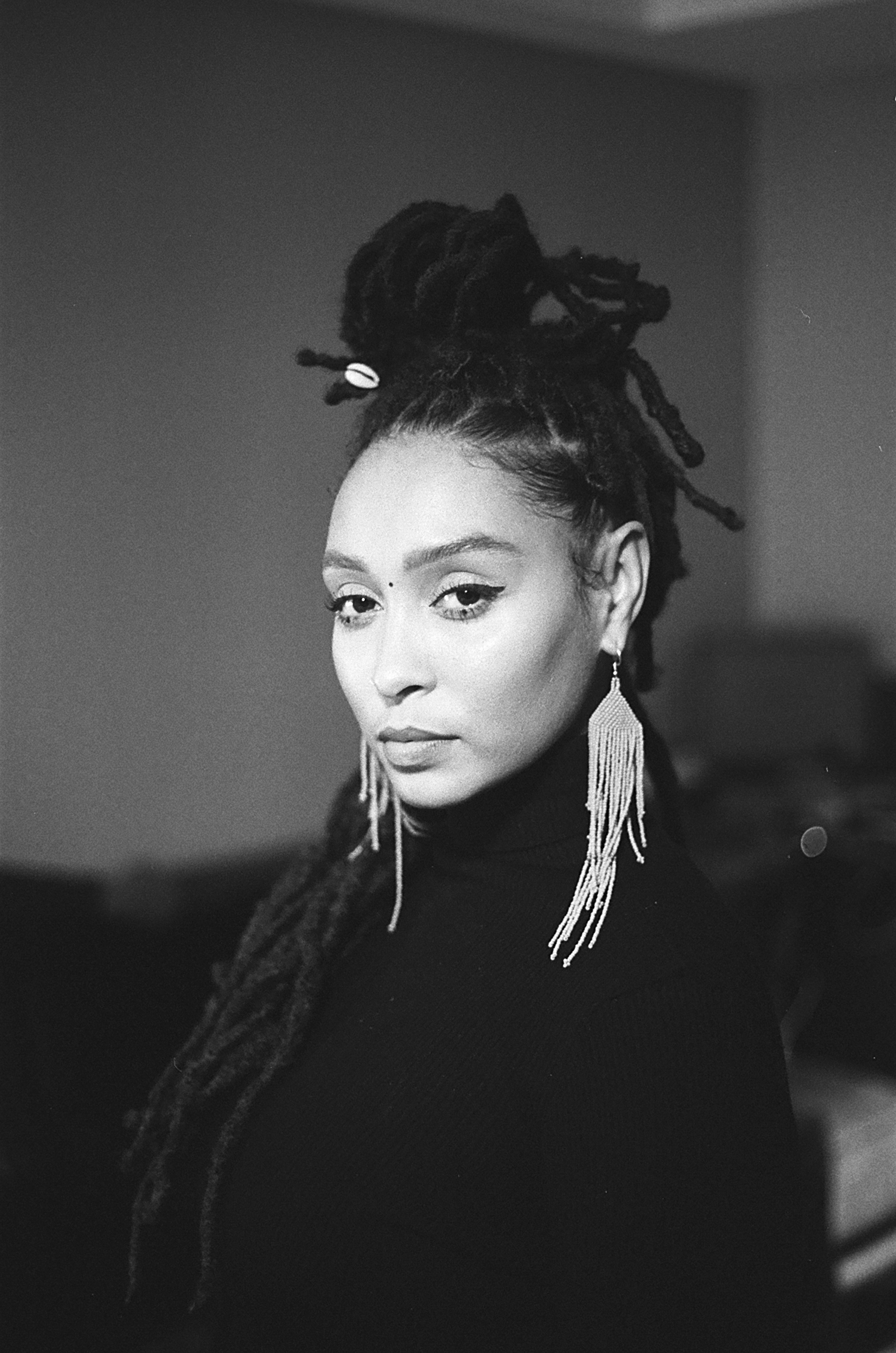
Finnian Hadiep via unsplash

Stillness, of course, doesn’t mean stagnation. DemiMa is in motion, collaborating with legends like Madala Kunene, opening for Thandiswa Mazwai, and curating “The Sanctuary” at the We Out Here festival. When asked what she’s learned from those encounters, she pauses.

“You know what struck me?” she says with a smile. “They’re deeply grounded people. Especially Madala; —he carries history in his fingertips, but is light with it. Working with him reminded me that mastery isn’t about doing more. It’s about doing less, with more presence.”

This philosophy extends to her sound therapy and wellness work. For DemiMa, music isn’t just performance – it’s medicine. “Sound is vibration,. and vibration shifts energy. So for me, the studio, the stage, the yoga mat… They’re all temples.”

Finnian Hadiep via unsplash

She speaks like someone who’s done the inner excavation. Not hurried. Not performative. Just… honest. “I think we’re moving into a time where artists don’t have to choose between genres, between cultures, between healing and hustle. The next wave of electronic soul, of jazz, will be global, bilingual, and emotionally intelligent.”

There’s no grandeur in the way she says it. No sell. Just conviction and the kind of quiet clarity that makes you feel safe even as you’re asked to stretch. Maybe that’s what makes DemiMa who she is – not the legacy, not the genre-bending, not the buzz – but the fact that she makes space.

Not just for herself but for the rest of us to exhale too.

DemiMa stands as a quiet revolutionary rooted in jazz legacy, shaped by global rhythms and guided by spiritual intuition. With a deep commitment to healing through music, her projects like Duality Pt. 2: Peace and “The Sanctuary” speak to an artistry that’s not only about sound but restoration. DemiMa isn’t just crafting music; she’s building sanctuaries, one breath, one note, one moment of truth at a time.

Share:

LinkedIn
Email
Twitter
Facebook