African music is not just an art form but a system of communication, space for healing, and tool for building community.

Words: Jamila Pereira

The Power of African Music: A Story of Identity, Empowerment, and Collective Memory

African music is not just an art form but a system of communication, space for healing, and tool for building community. Across the continent, music functions beyond entertainment. It is deeply embedded in how people express identity, cope with trauma, celebrate life, and pass down stories and values. In many African societies, music plays a central role in everything from religious practices to political resistance.

What makes African music so powerful is its ability to hold multiple meanings at once. A rhythm can carry history. A song can serve as a political statement. A dance beat can unite people who speak different languages. For many Africans, music offers a way to reclaim agency – especially in contexts shaped by colonisation, migration, and cultural suppression.

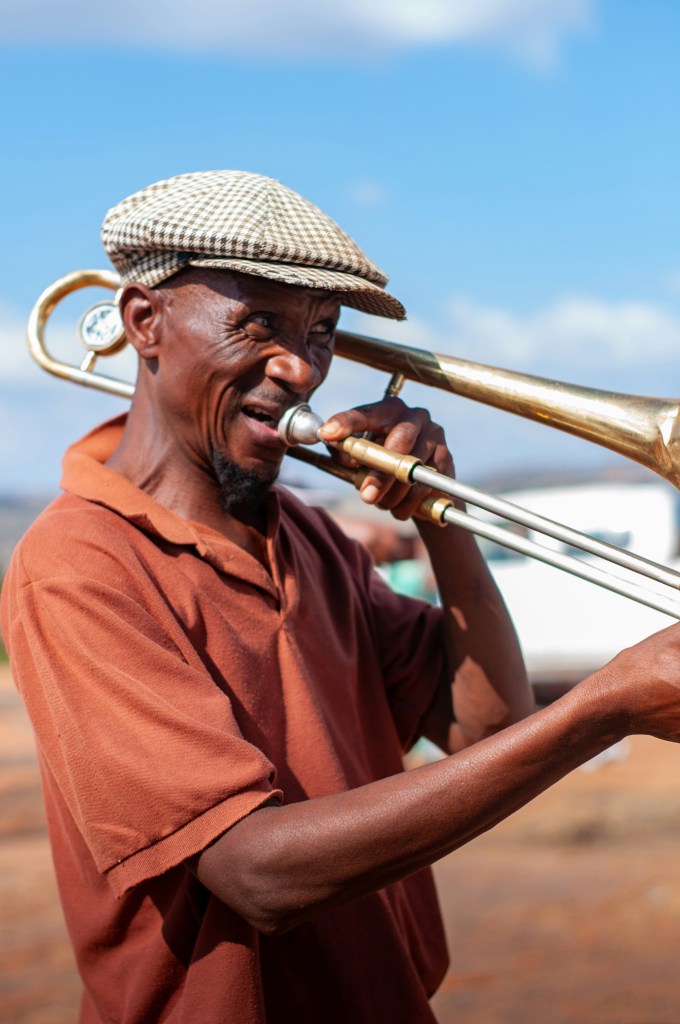
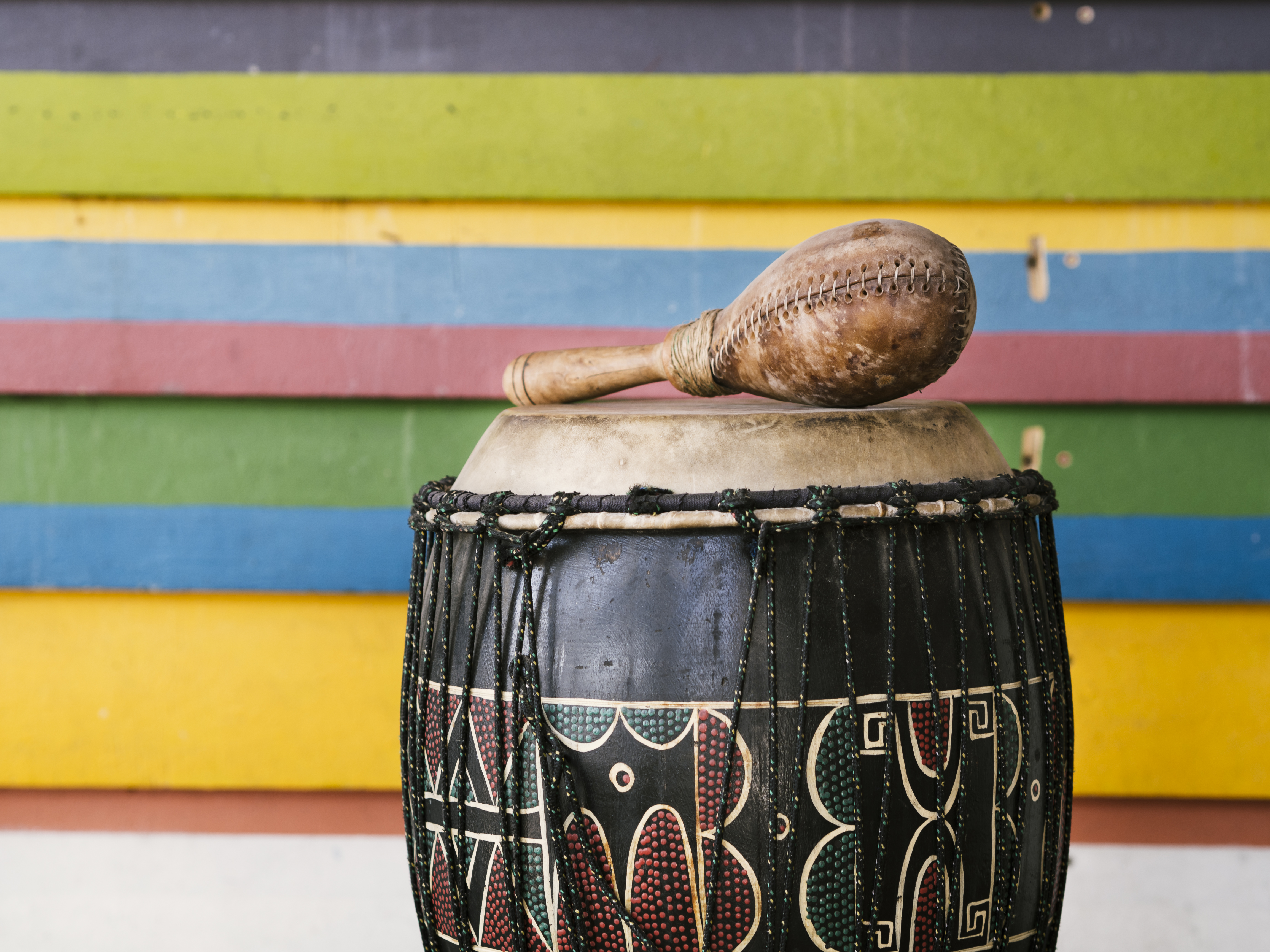
Mike Vanschoonder Walt via AdobeStock

One of the strongest examples of music as empowerment is seen in the post-independence era. As African nations gained sovereignty, artists used music to articulate their hopes, fears, and visions for the future. Beyond the creation of new genres, it was about reclaiming narratives, celebrating heritage, and resisting ongoing forms of cultural domination.

Genres like Makossa, Bikutsi, and Assiko (all from Cameroon) became significant during this time. More than musical styles, they’re cultural responses to the complexities of modern African life.

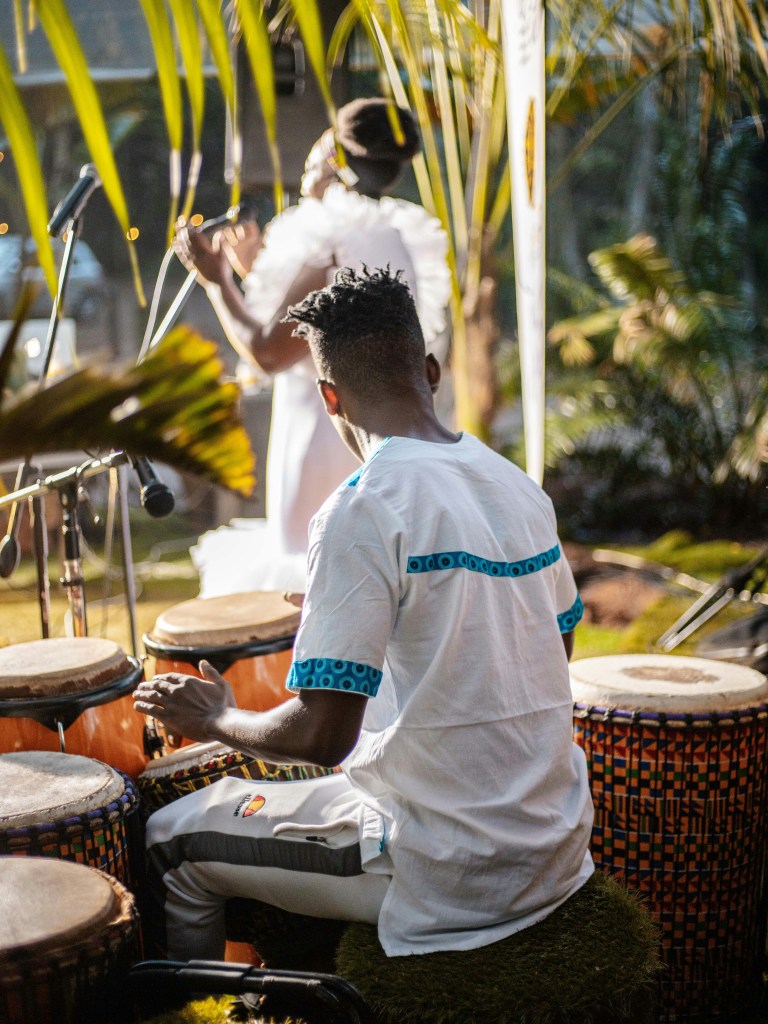
Steward Masweneng via Unsplash
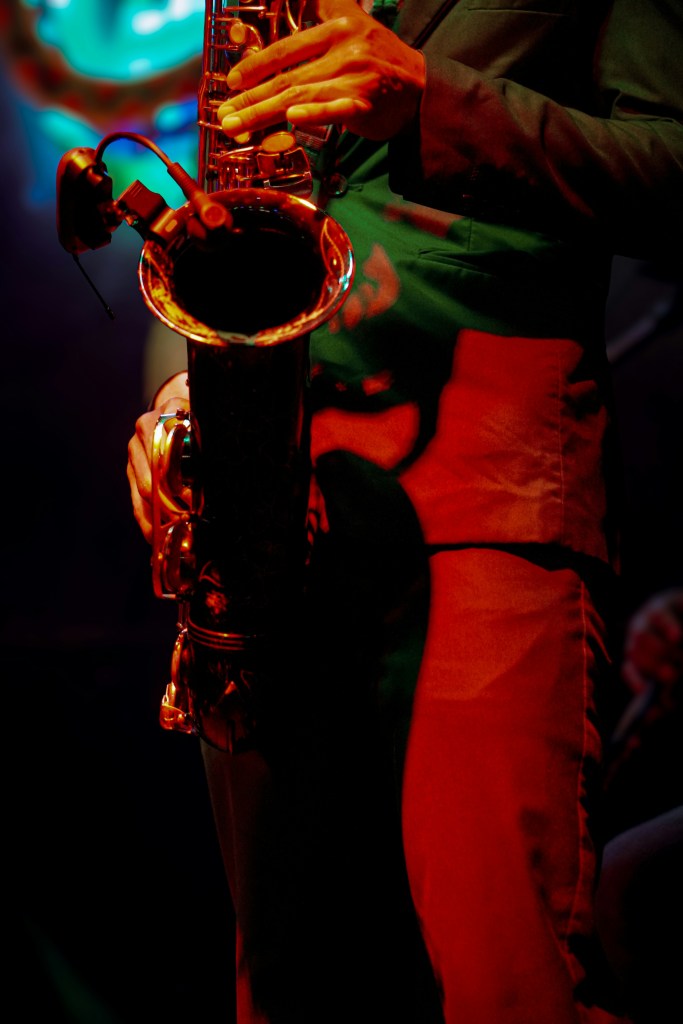
Proper Quality via Unsplash

One of the strongest examples of music as empowerment is seen in the post-independence era. As African nations gained sovereignty, artists used music to articulate their hopes, fears, and visions for the future. Beyond the creation of new genres, it was about reclaiming narratives, celebrating heritage, and resisting ongoing forms of cultural domination.

Genres like Makossa, Bikutsi, and Assiko (all from Cameroon) became significant during this time. More than musical styles, they’re cultural responses to the complexities of modern African life.

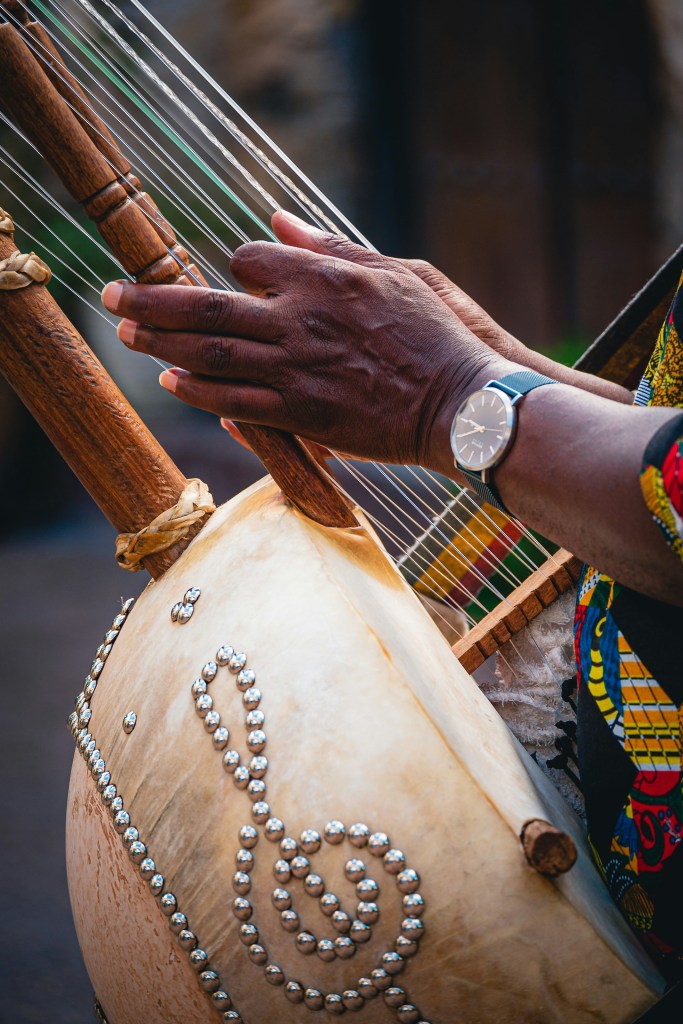
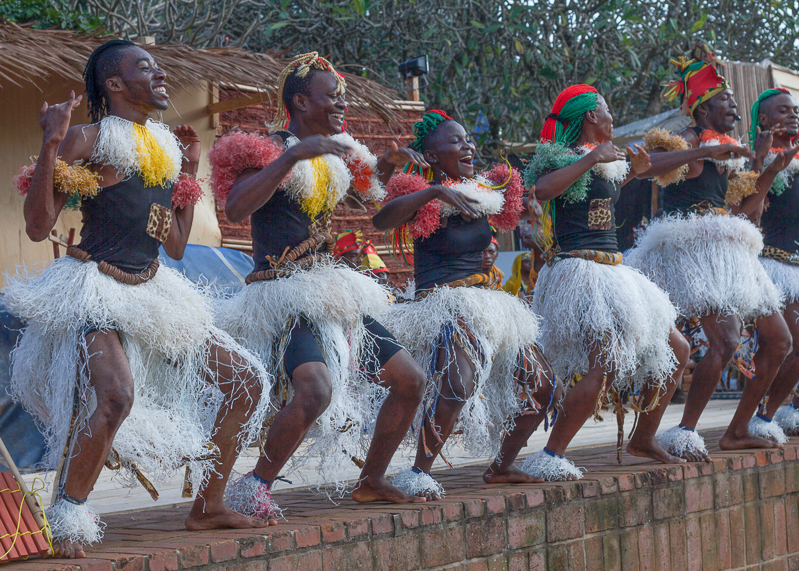
nice m nshuti via unsplash
matt benson via unsplash

Different musical styles offer unique ways to respond to social change and urban life. Makossa, originally developed in the city of Douala, is closely linked to the rise of a modern, confident African middle class. Drawing from traditional rhythms but embracing the influence of global genres like funk and rumba, Makossa didn’t just grow into a popular sound but ultimately reflected mobility, aspiration, and redefinition: its expansion from local dance halls to international airwaves making it a sonic symbol of African cities transforming in real time. This style allowed Cameroonians – both at home and abroad – to experience a sense of connection that transcended location, with “Soul Makossa” by Manu Dibango tagged as one of the most sampled tracks of all time.

Bikutsi, meanwhile, serves a different function. Rooted in the traditions of the Beti people, it’s fast-paced, driven by percussive beats and provocative lyrics, and known for addressing social issues, taboos, and gender dynamics. Historically played by women in community gatherings, it became a tool for expression (and even defiance) and transitioned from village ceremonies to urban nightclubs over time: evolving in sound but not purpose. The style still gives voice to the oft-unheard.


Assiko, on the other hand, carries the rhythm of rural resilience. Emerging from Bassa communities, its structure is simple. Its expression? Anything but. The music is typically performed with acoustic instruments and a sharp, driving beat that relies heavily on improvisation. What sets Assiko apart is how it draws attention to the body, not just as a dancer’s tool but as a storytelling conduit. Every jump, spin, and stomp is an assertion of presence. It’s music grounded in lived experience – raw, real, and communal – as a clear reminder that tradition isn’t static. It adapts and survives through movement, spontaneity, and shared participation.

Altogether, these genres show how music helps people navigate complex histories and present-day realities as living archives housing stories of migration, colonisation, resistance, and innovation.

African music also plays a central role in healing, both individually and collectively. In societies where therapy or formal mental health services are perhaps not widespread or culturally accepted, music offers a socially integrated method of processing emotion. Drumming circles, praise songs, and mourning chants are all examples of music’s utility in managing grief, building resilience, and reconnecting with others.

African music continues to evolve in today’s globalised world. Just as digital platforms introduce traditional sounds to new audiences, young artists blend hip-hop, electronic music, and more into ancestral rhythms. Yet, at its core, the role of music remains the same as a space where African people can see and define themselves and find one another.

Makossa, Bikutsi, and Assiko remind us that music is not just part of African culture – it is culture. In this way, identity is not only preserved but continually reimagined.

Share:

LinkedIn
Email
Twitter
Facebook