A Reflection on Akinola Davies Jr.’s My Father’s Shadow and a Milestone for African Cinema
Jamila Pereira
On the Edges of Light
Across the vastness of our continent, the arrival of election season rarely has a singular meaning. It might signal the hopeful whisper of democracy to some, yet to others it arrives like smoke before fire: thick with anxiety, memories of betrayal, and the muffled dreams of those still waiting to be seen. During these times, to vote, to choose, and to hope out loud isn’t always a right written in ink but instead a privilege won in blood and prayer. This is especially true for those who live within the quiet constraints life imposes too early: the poor, the silenced, and the ones whose names are misspelled or never learned. Their realities are hidden beneath the heavy cloak of systemic invisibility as a garment stitched long ago by the Western gaze and worn still, even under the tropical sun.
My Father’s Shadow, the feature directorial debut of Akinola Davies Jr., walks into this fragile and luminous terrain as a film not merely to be watched but felt and understood in the gut before the mind. With its world premiere slated for the 2025 Cannes Film Festival, Davies Jr.’s offering does not arrive quietly and lands as a resounding echo across time, oceans, and borders – both geographical and artistic.
Ṣọpẹ́ Dìrísù , Lead Actor, My Father_S Shadow
It’s not just a moment of celebration for one filmmaker but instead a collective breath held and finally exhaled by an entire continent. The film stands as the first Nigerian feature ever selected to screen at Cannes, under the prestigious Un Certain Regard category. A historic gesture, it’s a line etched into the record books of global cinema and carved in the language of vision, resilience, and bold storytelling. This inclusion means the strength of the African Giant’s film industry is no longer merely whispered in the corridors but amplified on one of the world’s most esteemed stages.
Davies Jr. follows in the footsteps of titans Souleymane Cissé (Mali), our own Sana Na N’Hada (Guinea-Bissau), Emma Benestan (Algeria), Rungano Nyoni (Zambia), Mo Harawe (Somalia), Nada Riyadh, and Ayman El Amir (Egypt): artists whose work emerges not just from scripts but from memory, land, and the breath of people often misrepresented or not represented at all. Nigeria now joins this lineage not through assimilation but instead an insistence on truth.
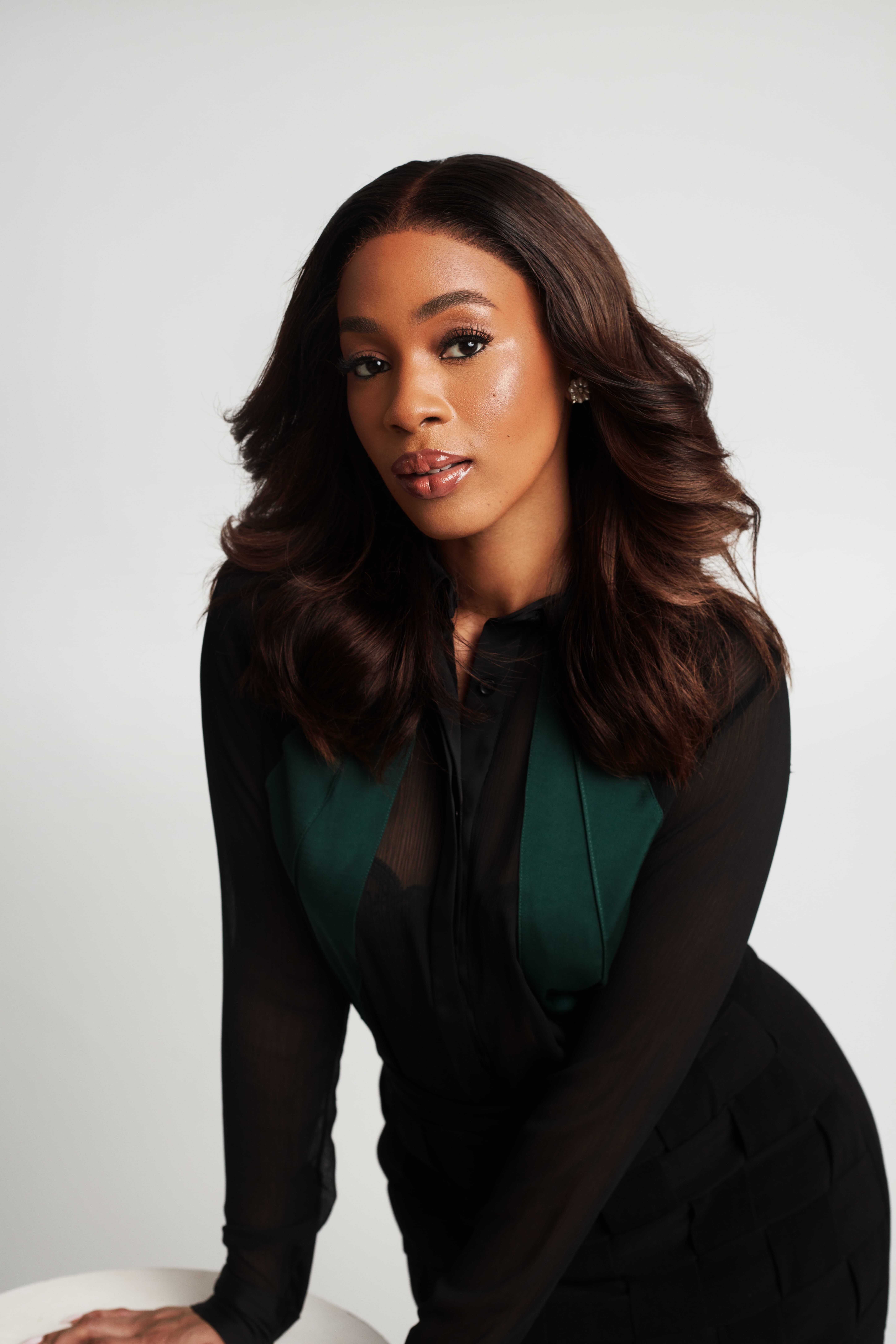
Funmbi Ogunbanwo
Set during a single day in Lagos during the tremors of the 1993 Nigerian election crisis, Davies Jr.’s work is a semi-autobiographical meditation on return, rupture, and reconciliation. Folarin (played with textured restraint by Ṣọpẹ́ Dìrísù of Gangs of London and Slow Horses) searches for a home through sons, memory, and the chaos of a nation on the brink. In this way, the film isn’t only a story but a homecoming of sorts: for fathers and sons, for lost languages, for African cinema itself.
The story, which Davies Jr. co-wrote with his brother Wale Davies, reveals an intimate family bond threaded with history. Their earlier work – Lizard, honoured with the Grand Jury Prize at Sundance as well as a BAFTA nomination – already highlighted the pair as storytellers to watch. My Father’s Shadow, however, reaffirms their purpose: to create not just content but cinematic soul. Alongside Fatherland Co-Producer and CEO Funmbi Ogunbanwo, the Davies brothers craft a story about what it means to reclaim authorship over African narratives from within and on their own terms.
Wale Davies, Co-writer and Co-founder, Fatherland Productions
So, what does this mean for the future of African cinema?
Cannes (as with so many other global institutions) has offered limited room for Nigerian voices for decades, especially in its official selections. The stories of our continent, particularly those from Anglophone regions, are often relegated to the periphery and celebrated only when filtered through palatable lenses or tokenised under universal themes. Yes, we’ve honoured the triumphs of Touki Bouki, La Noire de…, and others. Too often, though, such victories are bound by the Francophone experience. This My Father’s Shadow moment, an invitation to stand at the centre rather than the edge, is long overdue.
The film is a declaration that Nigerian cinema is not an anomaly but part of a greater movement as a rising tide, proof that we can no longer confine African stories to streaming platforms, independent circuits, or Western tropes. They deserve cinematic grandeur, global distribution, and a space in the international conversations that shape the future of film.
Yet, this moment also reflects the burden of independent filmmaking on the African continent: one carried by artists who craft beauty out of scarcity. With minimal resources, little structural support, and often no institutional backing, these filmmakers persist and carry generations in their cameras. We must therefore ask the following question, not of the filmmakers but of the world: why are such bold, poetic, and politically and artistically rigorous films still rarely afforded wide release or serious investment?
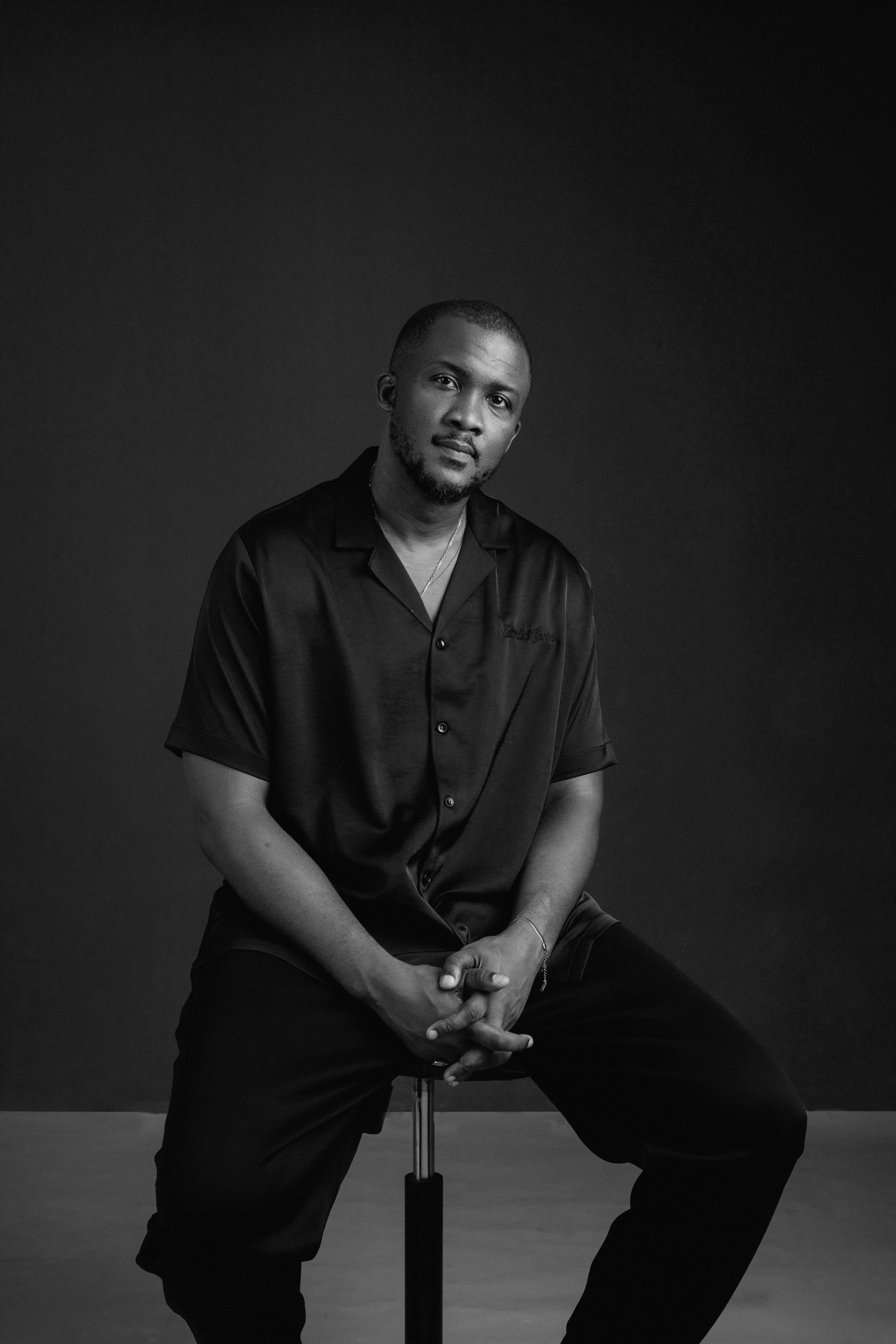
Akinola Davies Jnr - Photo Credit Sali Mudawi
Perseverance shown by artists like Davies Jr. is not an exception but instead the very rule by which African creatives have always survived. The hope, likewise, is that this milestone flings the door wide open as something more than a symbolic one-time invitation, beckoning additional transcontinental voices – from Bissau to Bulawayo – to walk through and be heard.
Just as My Father’s Shadow stands tall, it also reminds us of what is still missing: networks, funding, spaces, and systems that root African films in the continent beyond exports for validation. It is not enough to arrive. We must stay. We must be seen by our own.
The 2025 Cannes Film Festival will take place from 13-24 May 2025. May this year mark the beginning of something lasting, not just for Davies Jr. but for the generations rising behind him who carry their shadows and light in equal measure.