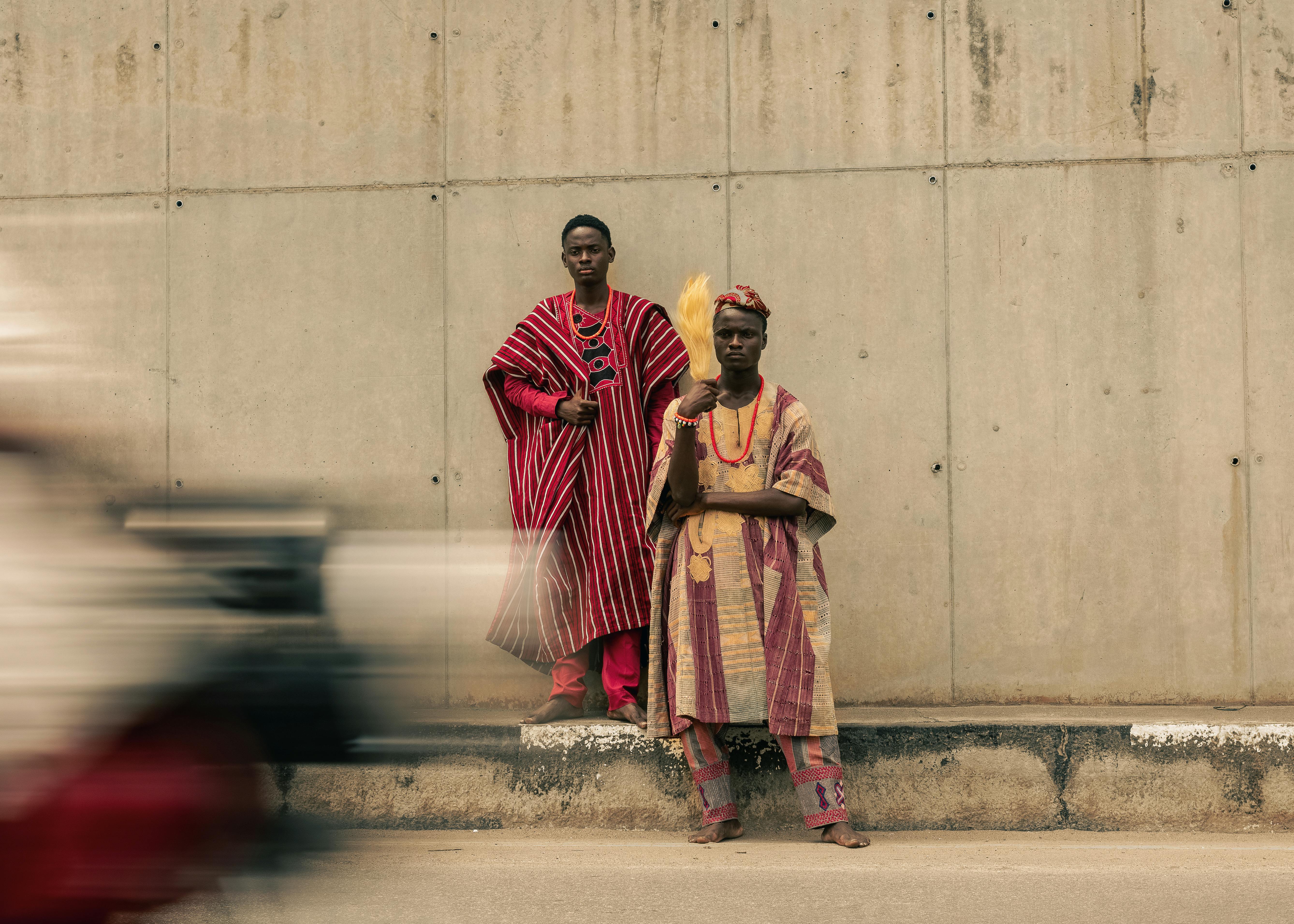
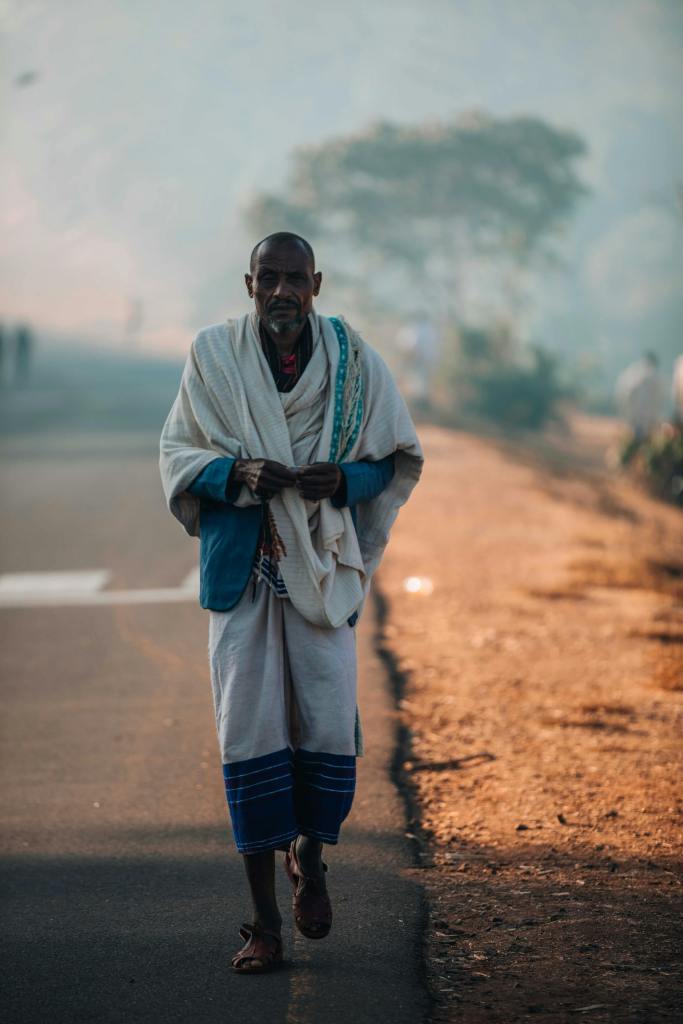
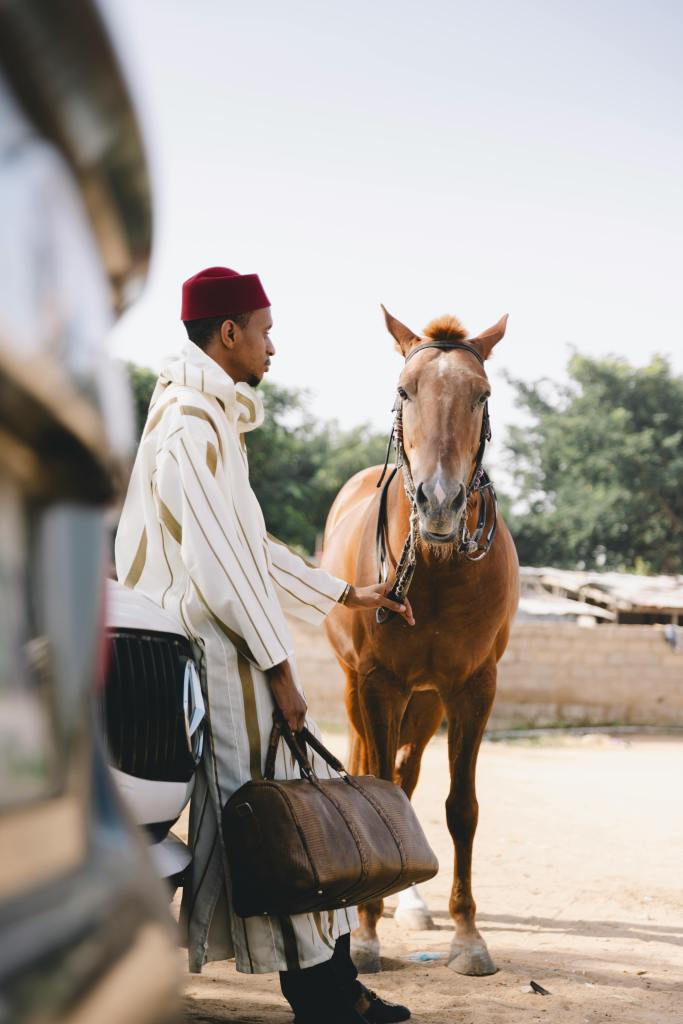
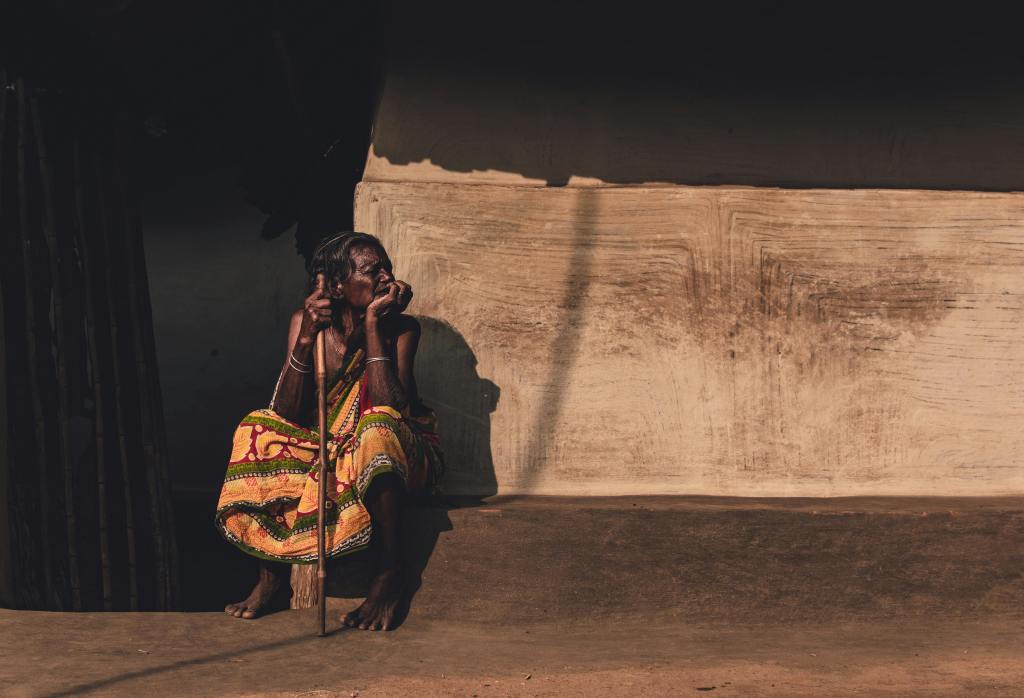
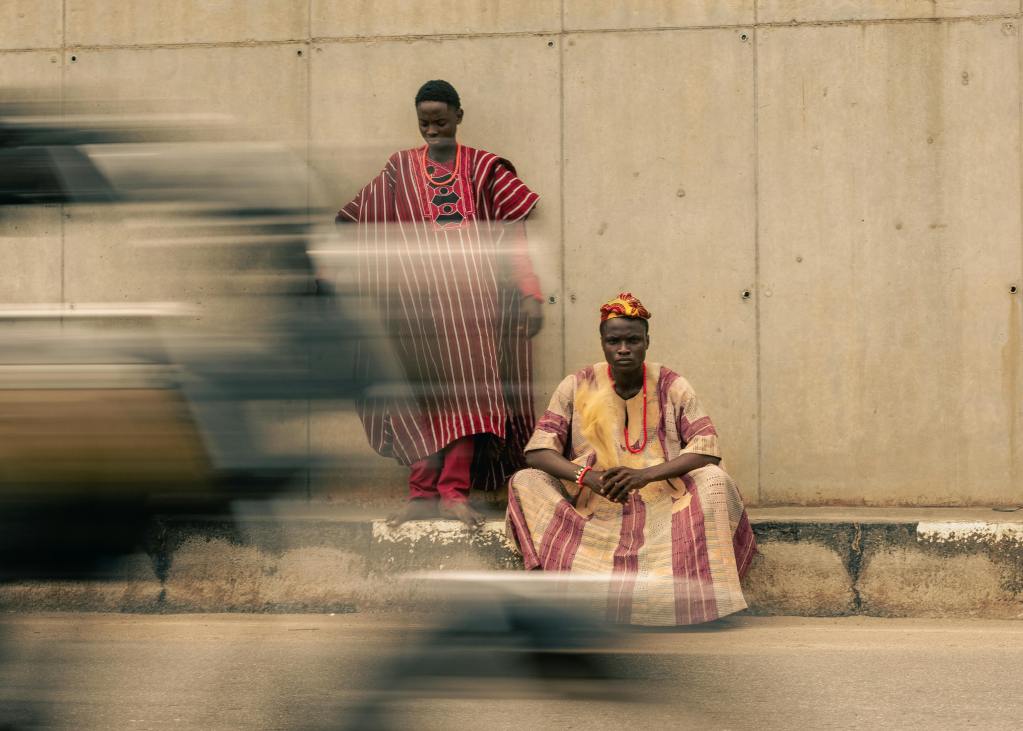
As the holiday season approaches and the year comes to an end, many Africans living abroad feel a familiar pull: the need to go home. This period, often referred to as “homegoing season,” is a defining part of life for many Africans in the diaspora – returning home not just about vacation or family visits but about resetting, reconnecting, and reaffirming identity after another year spent away.
Every December, airports around the world fill with African travellers heading back to their countries. From London to New York and Lisbon to Toronto, the scene is the same: long queues, luggage packed with gifts, and faces filled with excitement. For those who left their home countries in pursuit of better opportunities, this annual journey is more than a trip as a way to stay connected to their roots.
Planning the Return
The journey home begins long before December, however. For many, planning starts months in advance. Flights are booked early to avoid soaring ticket prices, annual leave requests are submitted, and group chats buzz with travel updates and homecoming plans.
Preparation, meanwhile, involves arranging money transfers, exchanging currencies, shopping for clothes and gifts, and making sure family and friends are ready to host guests. For Africans living abroad, this logistical and emotional project represents a reward for a year of hard work – the anticipation building with every step of preparation.
Gifts are an important part of the process. Travellers fill their suitcases with items symbolising success and care, things like perfumes, clothes, electronics, or even small food items from their host countries. While these gifts are tokens of affection, they likewise reflect an unspoken expectation that those living abroad bring something tangible home with them.
What Homegoing Represents
For many Africans in the diaspora, going home in December isn’t simply about taking time off work but about recharging in environs that feel familiar and authentic. Living abroad can be rewarding, but it also comes with challenges: the loneliness of being far from family, the pressure to adapt, and the constant need to succeed in foreign systems against all odds.
Returning home provides a chance to release this tension. The moment one steps off a plane and hears a familiar language or smells local food, something shifts in the comfort of a place where you need not explain who you are. Migrants can therefore reconnect with their roots and enjoy a sense of belonging that’s so often missing abroad.
For others, it’s a reality check as a chance to see how things have changed since they left. Cities grow, relatives age, and cultures evolve. Coming home is in turn sometimes both comforting and challenging, conjuring up feelings of both pride and guilt – pride for achievements abroad yet guilt for not being around more often.
The December Rush
It’s no wonder December is now the busiest travel month for many African countries, especially in West Africa. Airports in Accra, Lagos, Nairobi, and other major cities see huge spikes in arrivals, this influx of returnees fuelling an entire seasonal economy. Events, festivals, and weddings are planned around the presence of the diaspora, and local businesses – transportation, hospitality, entertainment, and fashion – thrive.
This phenomenon is now a recognised cultural period in some countries. Ghana’s “December in GH” and Nigeria’s “Detty December,” for example, point to how the return of the diaspora shapes a vibrant end-of-year social scene. Corresponding celebrations aren’t just about fun but speak to connection, between those who left and those who stayed.
An Emotional Departure
The trip home is short-lived, though. By early January, airport traffic picks up once again as people disperse. The return journey carries mixed emotions: the satisfaction of reconnecting with home but sadness about the need to leave it. Migrants often carry back not only memories but renewed motivation to continue building the very lives they left for.
Each homegoing season is also a reminder of what migration really means as a balance between two worlds, one offering opportunity and the other identity. No matter how long one stays abroad, the connection to home never disappears but instead just changes form; and so, the homegoing season is more than a travel tradition as a ritual reflecting the realities of migration including the sacrifices, hopes, and ongoing effort to maintain ties across continents. Africans abroad head home each December not just to celebrate but to stay grounded in who they are, reaffirm family bonds, and summon the emotional strength to face another year away.
In the end, this annual return is a quiet act of endurance whereby we manage the distance between where life has taken us and where it all began.

References:
CAIRN.info, From Europe to Africa: Return migration to Senegal and the Democratic Republic of Congo, 2014
Medium, The Deeper Significance of “Going Home” in Africa: A Pocket Affair, 2023
BBC, Why are some in the diaspora returning home?, 2021