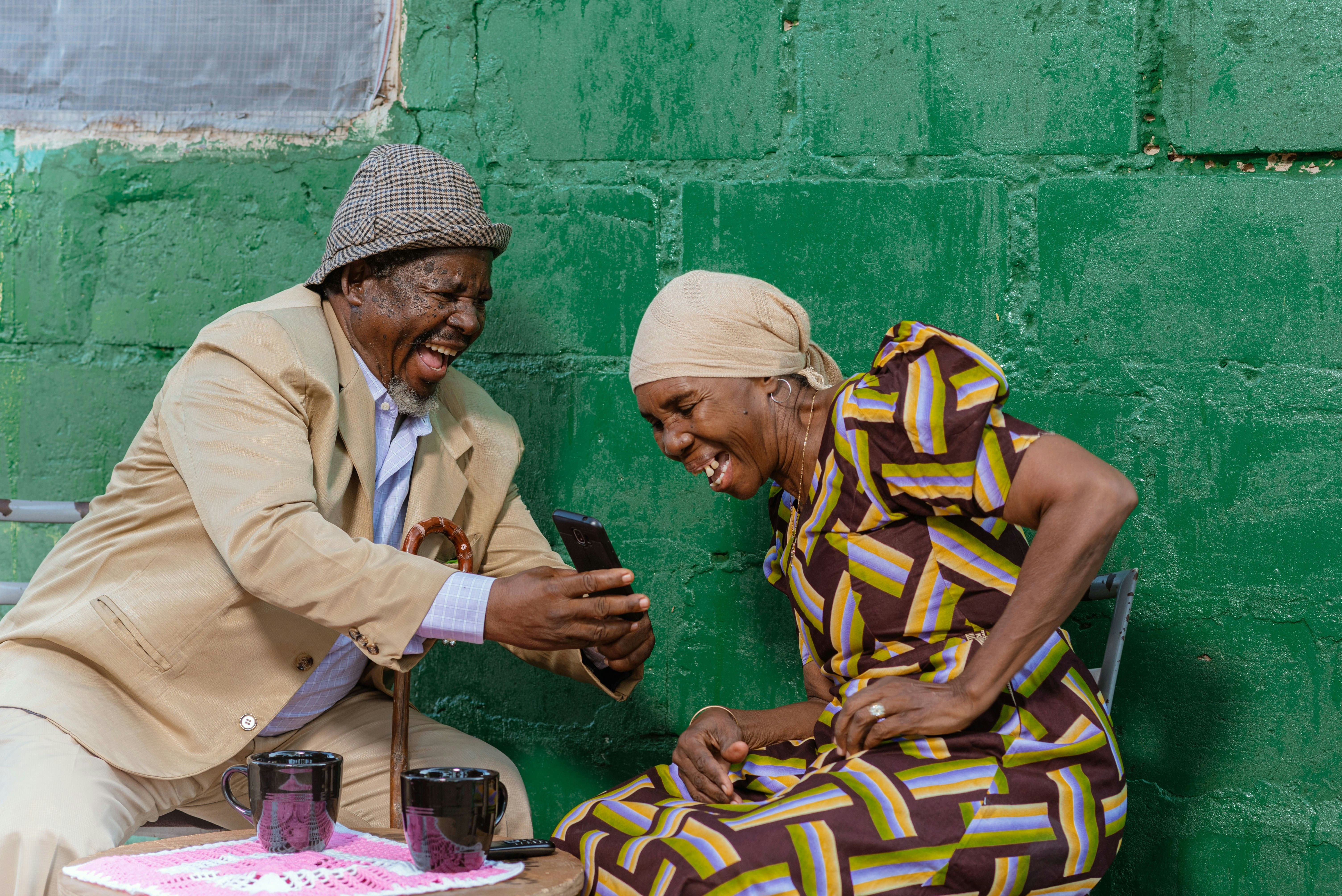
In an age of constant scrolling, memes are among the most powerful cultural exports out there and travel faster than books, policies, or even protests. With a single image or thirty-second clip, a meme can shape how entire communities are imagined by those both within and outside them. For Africans at home and spread across the diaspora, humour has always been a survival tool: a way to turn pain into laughter and affirm shared experience. The rise of what we can perhaps call the “memefication” of African culture, though, reveals a troubling contradiction; the same tools that once brought joy and solidarity can also strip away dignity, flattening complex lives into one-dimensional jokes.
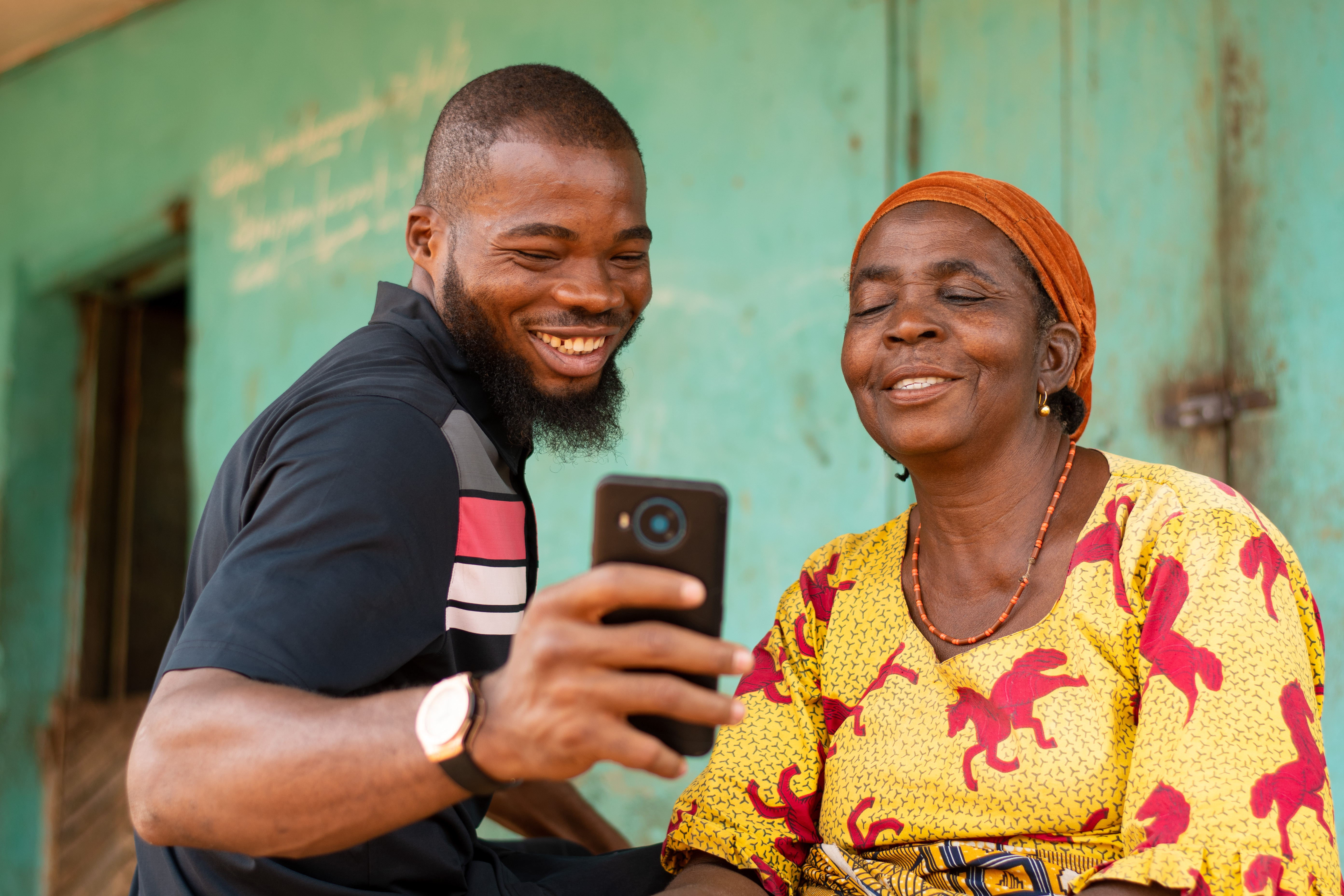
At first glance, memes and viral sketches about African parents or aunties seem harmless. They highlight exaggerated discipline, thick accents, or flamboyant fashion choices, drawing laughter from audiences who recognise a kernel of truth in these portrayals. Repetition has power, however; when the same tropes circulate endlessly, they begin to shape not just how outsiders view African communities but how Africans see themselves. The danger of memefication isn’t the joke itself, then, but how it goes on to become the dominant story.
Consider how frequently African parents are framed online as harsh, comically out of touch, or incapable of tenderness – the punchline rarely about their complexity or resilience but instead their supposed absurdity. Stripped of nuance, they become stock characters in an endless cycle of memes designed for consumption by audiences often far removed from the cultural context. Such viewers may already carry colonial-era assumptions about African households as places of coldness and severity, and what starts as a private in-joke goes on to become public fodder that reinforces (rather than dismantles) such stereotypes.


This same dynamic exposes the fragile boundary between representation and ridicule. Digital, algorithm-driven platforms privilege what is simple, repeatable, and attention-grabbing. Complexity doesn’t trend; caricature does. As a result, African creators seeking visibility often find themselves reproducing the very stereotypes that erase the richness of their own culture. The memefication of African identity is therefore not just a question of taste but of power: Who benefits from these portrayals or is otherwise harmed by them?
There is also a deeper historical resonance to this moment. For centuries, African people – particularly women – were positioned as spectacles for Western eyes, displayed in exhibitions and photographs as symbols of primitiveness or excess. While the digital arena may feel radically different, echoes of this past remain with Africans themselves (rather than colonial officials) crafting the narrative and participating in their own caricaturing – encouraged by likes, shares, and the promise of virality. What looks like self-representation can sometimes function as self-parody, with dignity traded for visibility.
The solution is not to abandon humour, though. To laugh at ourselves is to affirm our humanity; African humour, likewise, is perennially rich, sharp, and inventive. The challenge is to broaden the types of stories we tell and resist letting memes define us, knowing digital dignity means holding space for layered depictions of African life: with parents who are strict but also loving, communities that struggle but stay joyful, and cultures not reduced to a costume nor accent but presented as living, evolving, and diverse.
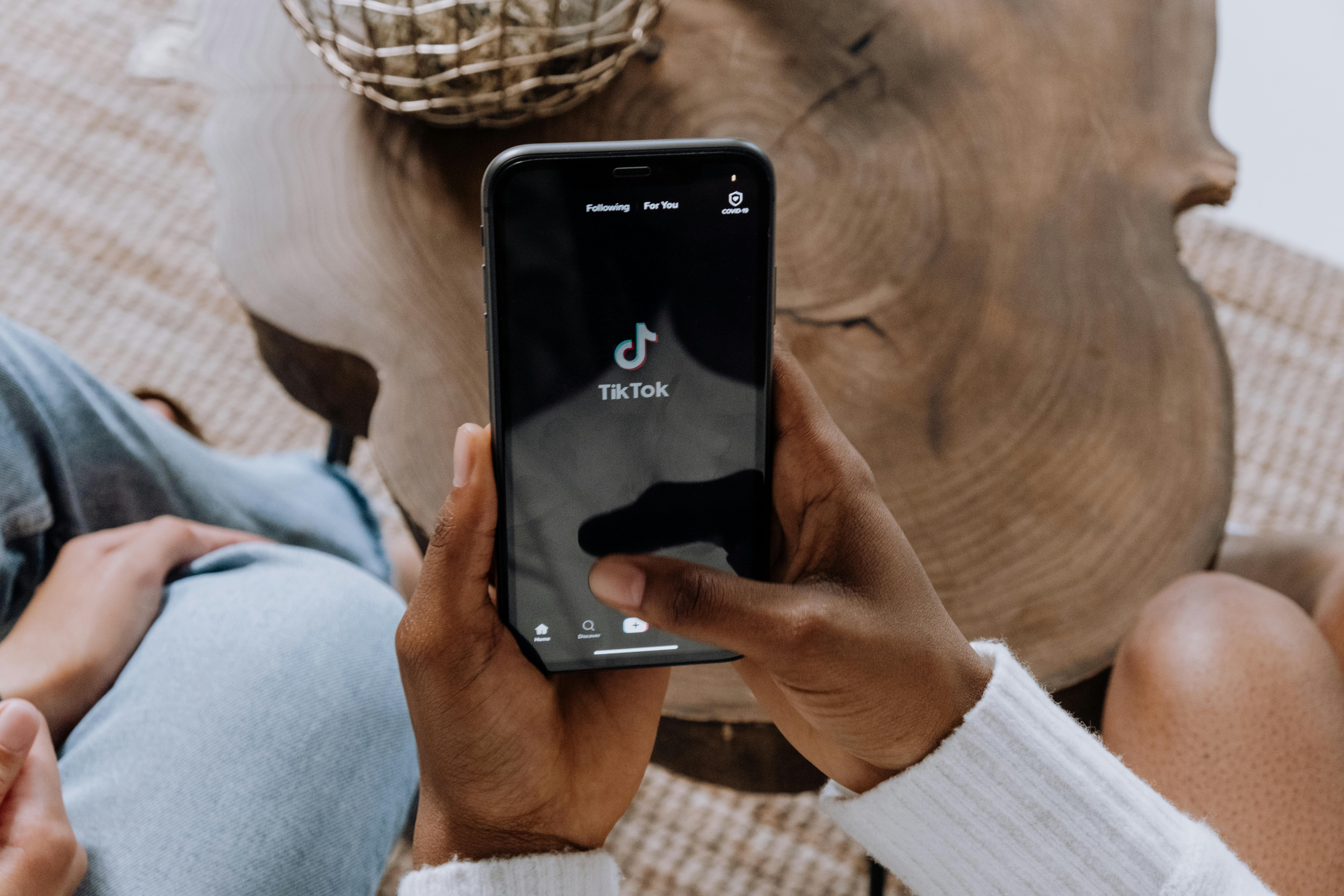
Creators have an opportunity to shape this shift by leaning into humour that is specific, contextual, and multi-dimensional and thus challenge stereotypes rather than reinforce them. A skit about an African mother, for example, can highlight tenderness alongside discipline – revealing complexity rather than caricature. Similarly, memes celebrating African creativity, innovation, and joy can circulate with as much energy as those recycling tired tropes (if audiences demand them, that is).
Ultimately, the question is not whether we can laugh but whether our laughter upholds or undermines dignity. Memefication thrives on oversimplification; digital dignity thrives on depth. The two are not always mutually exclusive, but balance requires intention. As Africans continue to shape the online cultural landscape, we must ask ourselves what we’re willing to let stand as representative. Do we want to be remembered as a collection of memes or as communities whose digital footprints reflect the full truth of who we are?
The Internet will continue to amplify, distort, and replicate; yet within that chaos lies possibility. By insisting on dignity even in digital spaces, Africans can reclaim authorship of their narratives. Perhaps that’s the most radical punchline of all: refusing to be reduced to a meme and instead writing ourselves as the complex, dynamic people we’ve always been and will continue to be.
References:
Black Ballad, “African Mother/Auntie” Jokes Are Not Funny But They Are Harmful, 2025
African Arguments, Humour Ignores Social Distancing: Postcolonial Irony and Covid-19 in Africa, 2020
Black Ballad, What Happens When You See Your Parents For Who They Really Are, 2022
Share: