Animal Worship in West Africa: Where Spiritual Symbolism Meets Cultural Heritage
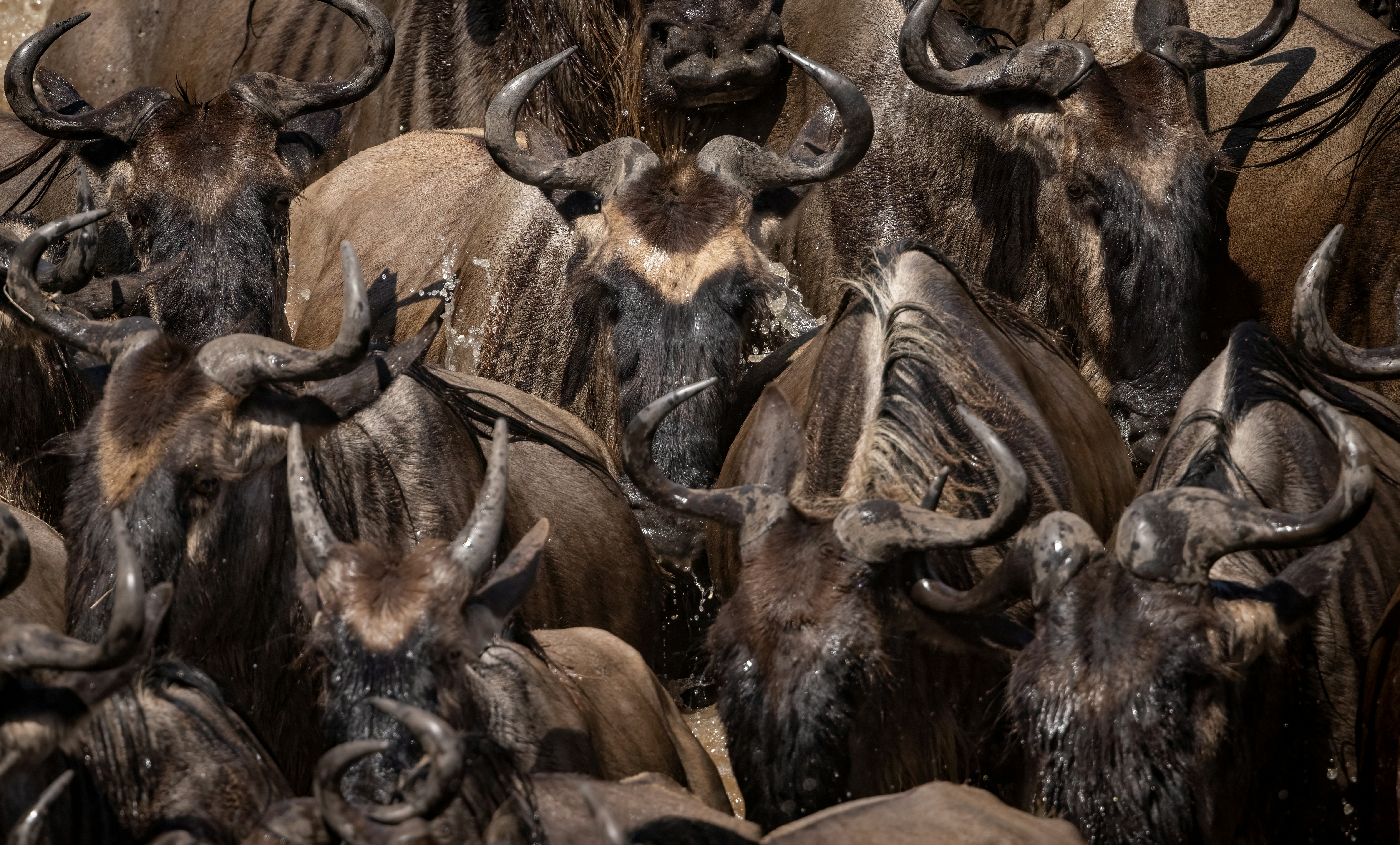
Via Getty
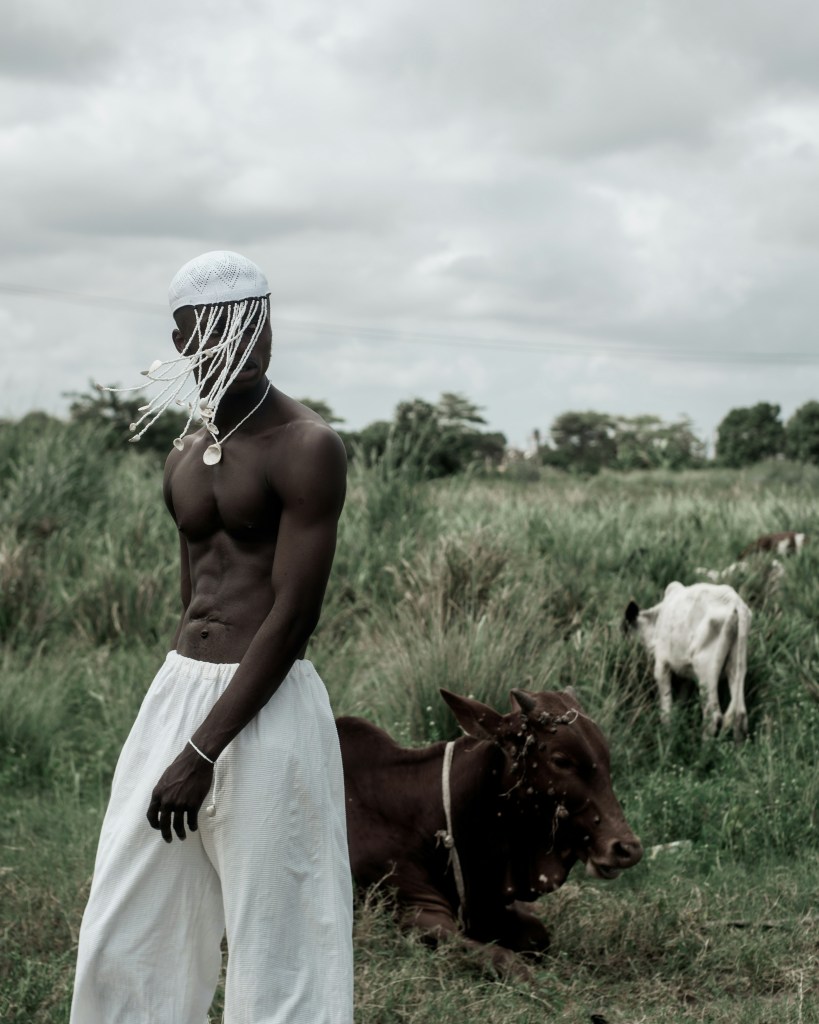
In many West African societies, animals are far more than creatures of the wild as symbols, messengers, and sometimes even divine intermediaries. Animal worship, a practice predating colonial and religious shifts, still weaves through the region’s spiritual and cultural life today in subtle but enduring ways.
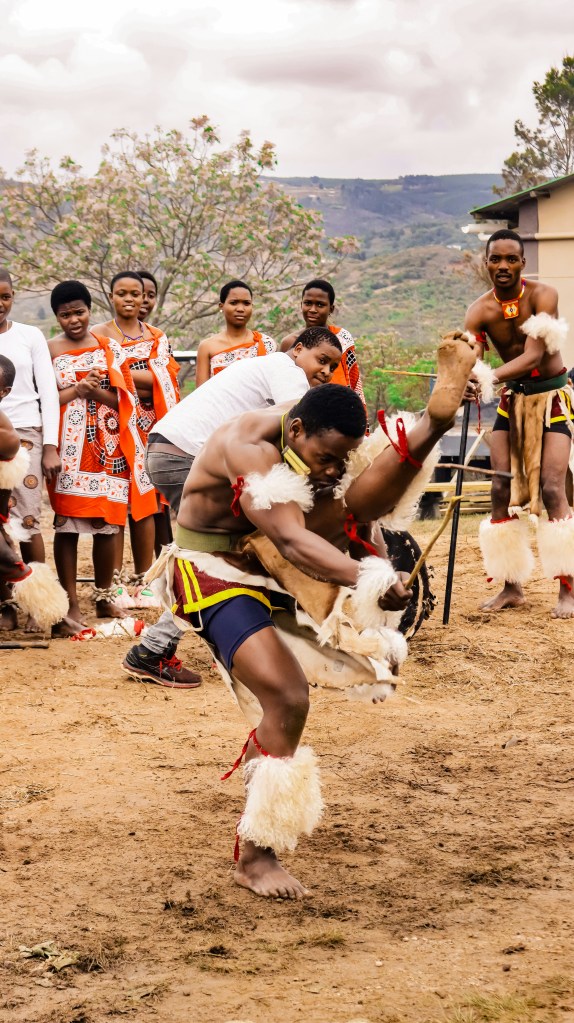
proudlyswazi 5
Jay Martin 6
To outsiders, the idea of animal worship may sound archaic or misunderstood. Within African cosmology, though, it reflects a deep respect for nature and its connection to human existence. Animals aren’t worshipped as gods themselves but as carriers of spiritual power, embodying qualities communities hold sacred. The lion, for example, symbolises strength and kingship. The python represents fertility, wisdom, and protection. Birds, especially the hornbill and vulture, are considered messengers between the physical and spiritual worlds.
Among the Yoruba in Nigeria, some animals share close ties with deities known as Orishas. The rooster is often sacrificed to Ogun, the god of iron and war, as a symbol of courage and vitality. In Benin and Togo, the python holds a central place in Vodun practices where it’s revered as a sacred guardian of life and continuity. Temples devoted to pythons are still found today, such as the famous Python Temple in Ouidah where the animals live freely among worshippers.
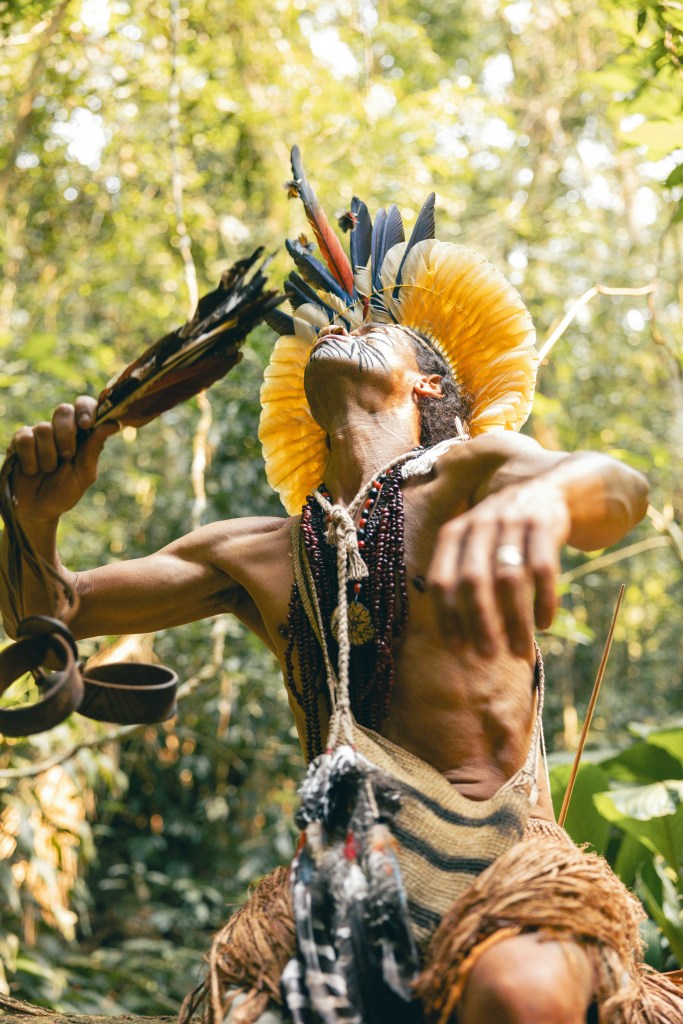
Fellipe Ditadi
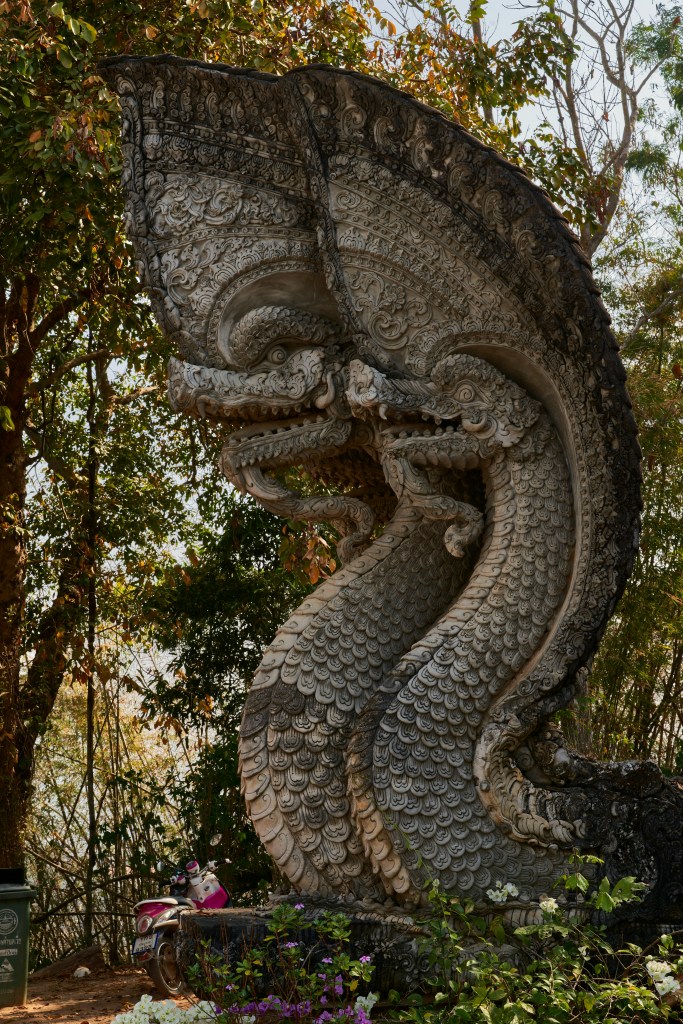
Zafer Inkaya
This relationship between humans and animals ultimately reflects a worldview that sees nature as an extension of humanity rather than something to dominate, emphasising balance while believing every creature plays a role in maintaining spiritual and environmental harmony. Even as modern religions and urbanisation reshape daily life, many traditional rituals involving animals persist either in open practice or quiet remembrance.
Contemporary interpretations are shifting, however, with younger generations increasingly viewing these beliefs as part of cultural heritage rather than religious obligation. Festivals, art, and community performances now retell these ancient stories through music and dance, keeping their essence alive in modern contexts.
Via Getty
Boluwatife Oguns
At a time when the world is rediscovering the importance of ecological balance, West Africa’s long-standing reverence for animals offers a reminder of something profound: the idea that spirituality, environment, and identity have been and will continue to be deeply intertwined.