
Argentina spent more than a century insisting it had no Black population. The Afro-Argentine community’s response that followed is one of the most determined acts of cultural recovery to happen in the Americas.
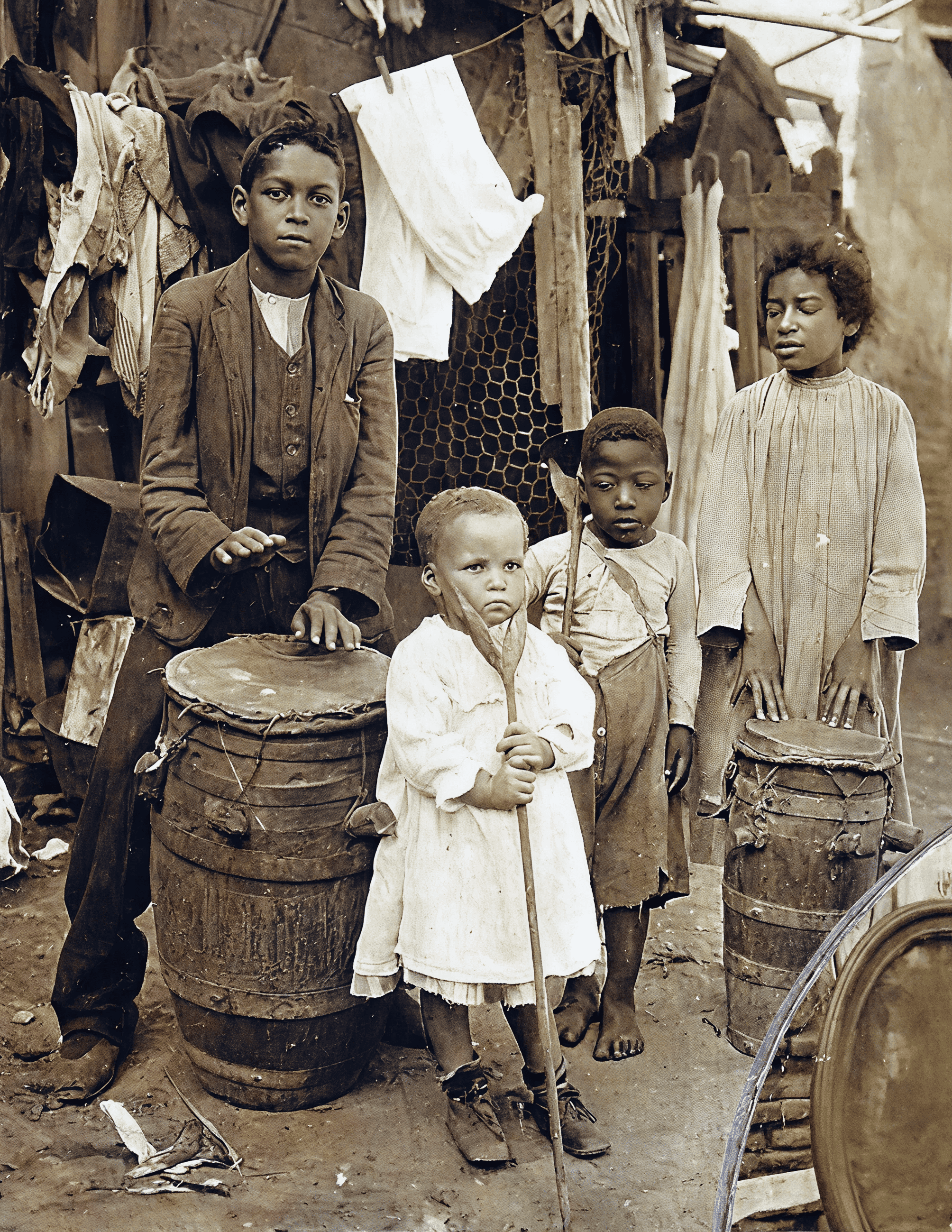
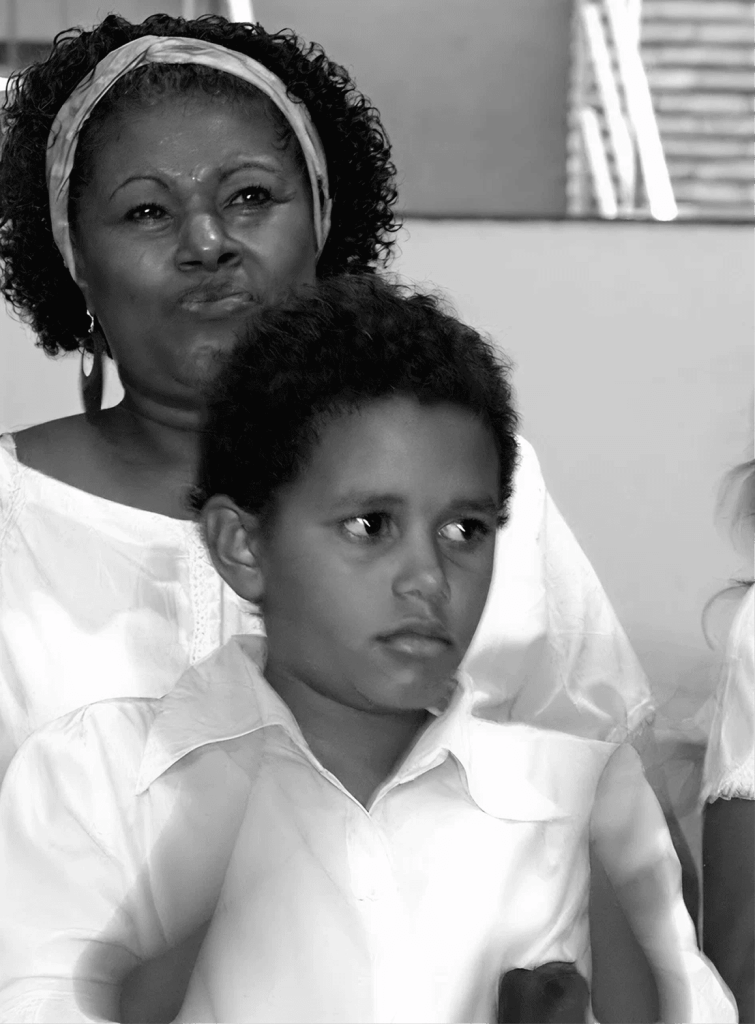
Argentina’s conventional story is a European one, its great cities shaped by waves of Spanish, Italian, and German immigration. Its cultural identity (tango, asado, and the River Plate literary tradition) draws heavily on those same European inheritances. The story of Argentina’s significant African population – entering the region from the 17th century onward via enslaved labour – is largely absent from this national account, however, not merely forgotten but in many respects officially suppressed and systematically erased from the record.
At the end of the 18th century, approximately 30% of Buenos Aires’ population was comprised of Africans and Afro-descendants: a proportion that fell dramatically by the time the 1887 census (the last to record race) rolled around. Historians cite a combination of causes: high mortality from the 1871 yellow fever epidemic; disproportionate deaths in 19th century wars that saw Black soldiers serving in the most exposed and dangerous roles; and the deliberate reclassification of Afro-Argentine people as White or Mestizo in official records. The population did not disappear; it was recorded as having disappeared, an entirely different thing altogether.
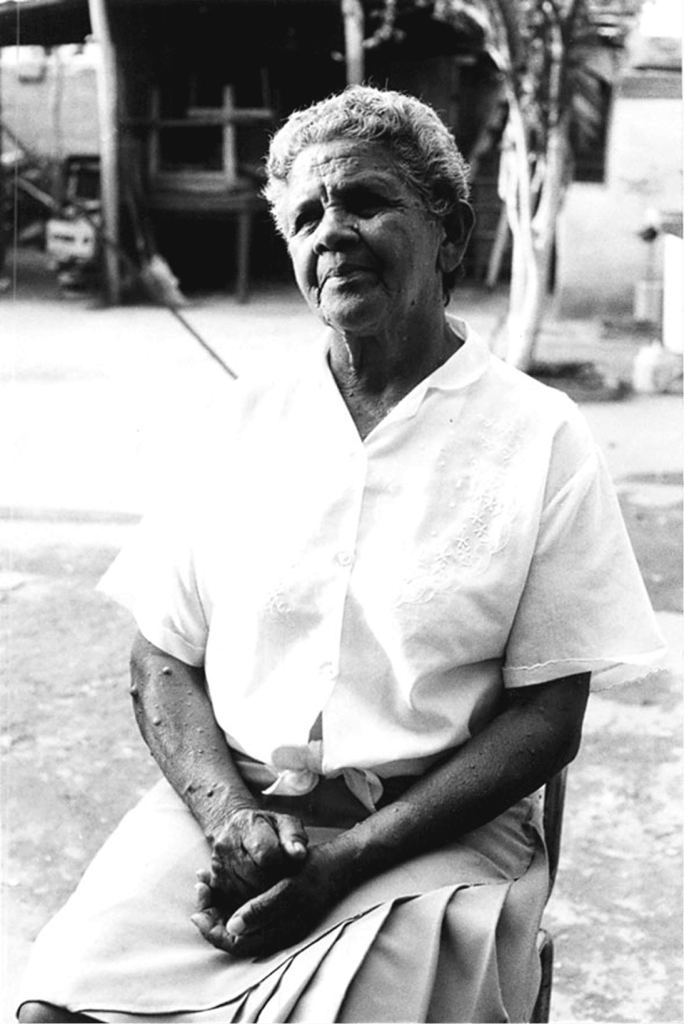

Despite this official erasure, Afro-Argentine communities persisted – in the outskirts of Buenos Aires, interior provinces of Corrientes and Entre Ríos, and border regions next to Uruguay and Brazil. They maintained their social networks, music, and cultural practices with the particular tenacity of people who understand that no one else will remember them if they don’t remember themselves.
The candombe – a drumming tradition of Bantu origin, shared with Uruguay and brought to the Río de la Plata region by enslaved Congolese and Angolan people – never truly disappeared from Argentine cultural life. The practice was often attributed to Uruguayan influence, a convenient fiction that avoided acknowledging its Argentine-African roots. Today, Buenos Aires hosts candombe groups and street processions explicitly reclaiming the form as Afro-Argentine heritage, drumming in public squares as a deliberate act of cultural restoration.

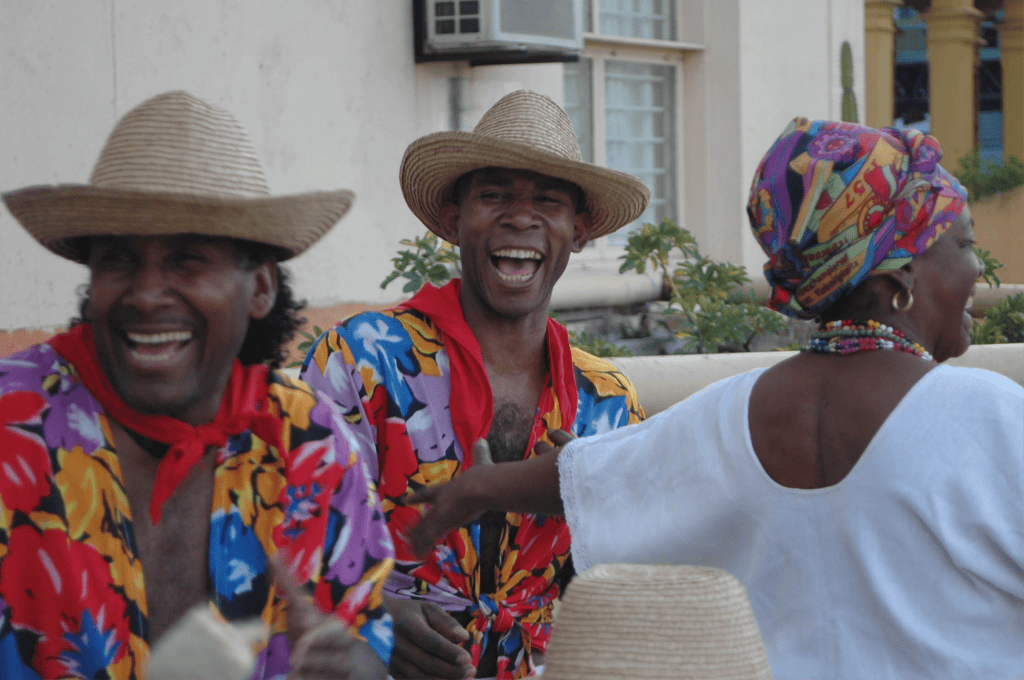
Since the 2010 census – the first in over a century to include a question on African descent – a formal Afro-Argentine movement has gathered real momentum. Organisations like África Vive have pushed for legal recognition, educational reform, and the inclusion of Afro-Argentine history in school curricula, and the government formally recognised the community as a distinct ethnic group in 2013 as a long-overdue step forward.
Young Afro-Argentine artists, academics, and activists are doing the work national institutions have long neglected: tracing family trees official records interrupted, documenting cultural forms that endured underground, and building a visual culture and literature that insists on their presence. Murals in the Buenos Aires neighbourhood of San Telmo – where enslaved Africans once lived in the highest concentrations – are bringing African faces back to walls that’ve missed them for more than a century.
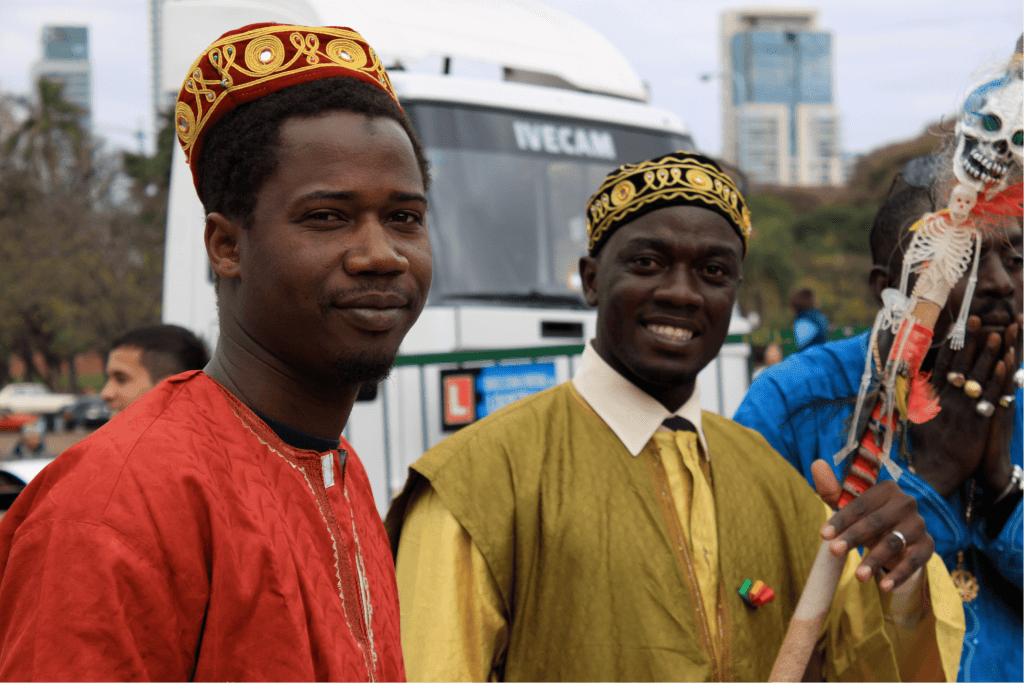
The Afro-Argentine story is ultimately about what happens to identity when the official record refuses to see you and what people do to persist nonetheless. The continuum here is an act of sustained will carried across generations, a decision to remember what the state chose to forget. It lives in the candombe drummer on a Buenos Aires street who knows precisely what they’re carrying and why and the researcher who reads a census saying she doesn’t exist, writing back with the clarity of someone who’s always known the truth: I am here. I have always been here, and now I intend to be counted.
“The population did not disappear. It was recorded as having disappeared, which is an entirely different thing.”
Image citations:
- https://commons.wikimedia.org/wiki/File:Cabo_Verde_01_(5818067659).jpg
- https://www.hilariobooks.com/blog-article.php?slug_es=fotografiando-el-presente-afroargentino-la-coleccion-destefano&lang=en#gallery-1
- https://commons.wikimedia.org/wiki/File:Patio_Gastron%C3%B3mico_(6980193609).jpg
- https://kwekudee-tripdownmemorylane.blogspot.com/2012/10/african-descendants-in-argentina-afro.html
- https://commons.wikimedia.org/wiki/File:Senegal_12_(5818061067).jpg
- https://commons.wikimedia.org/wiki/File:Afroargentinos.jpg
- https://en.wikipedia.org/wiki/Afro-Argentines#/media/File:Puesto_de_empanadas_atendido_por_su_due%C3%B1o,_Buenos_Aires_1937.jpg
- https://commons.wikimedia.org/wiki/File:Lancero_de_la_%C3%A9poca_de_Rivera.png#/media/File:Lancero_de_la_%C3%A9poca_de_Rivera.png
.jpg)
.jpg)
.jpg)


