Across Africa, cultural events aren’t side attractions but tied to belief systems, leadership structures, agricultural cycles, and community memory. In 2026, festivals and ceremonies across the continent will continue to serve their original purposes while drawing wider attention as moments of continuity. Organised by region, what follows are key cultural events expected this year during the months they traditionally take place.
Vie wikipedia
via google
North Africa
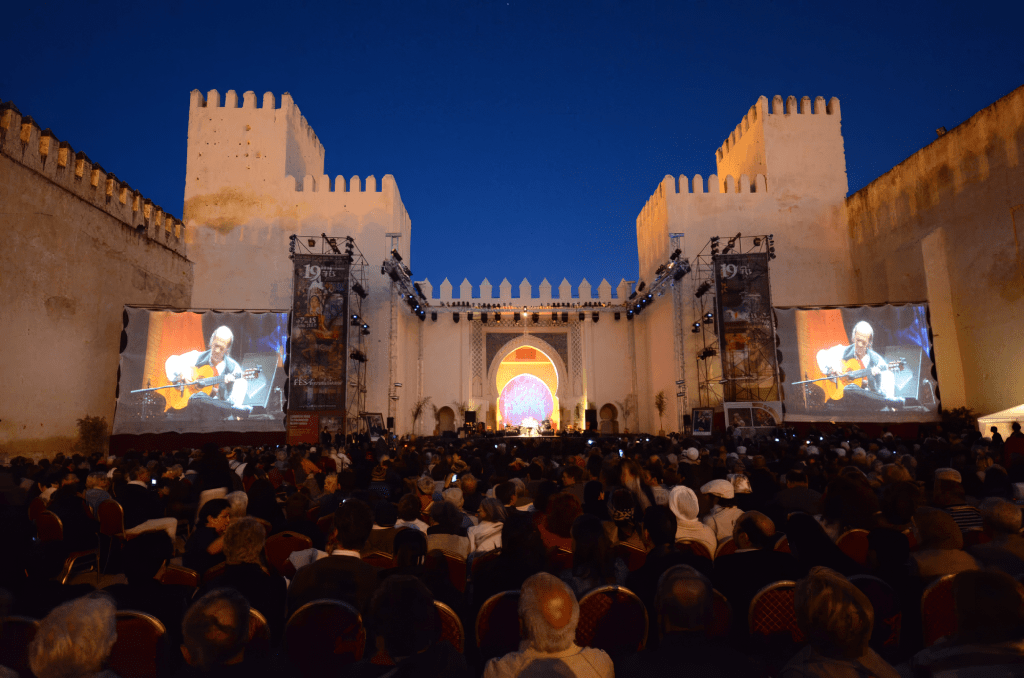
In Morocco, the Moussem of Moulay Idris II is expected in April as one of the country’s most important religious gatherings. Drawing pilgrims to honour the founder of Morocco’s first Islamic state, the event blends prayer, markets, and social exchange. Morocco also hosts the Gnaoua Festival in June, focused on music rooted in spiritual healing traditions and public discussions on identity and heritage. Tunisia, meanwhile, closes the year with Douz’s Festival of the Sahara in December that centres on desert culture and features music, camel displays, crafts, and storytelling tied to nomadic life.
Via wikipedia
via google
West Africa
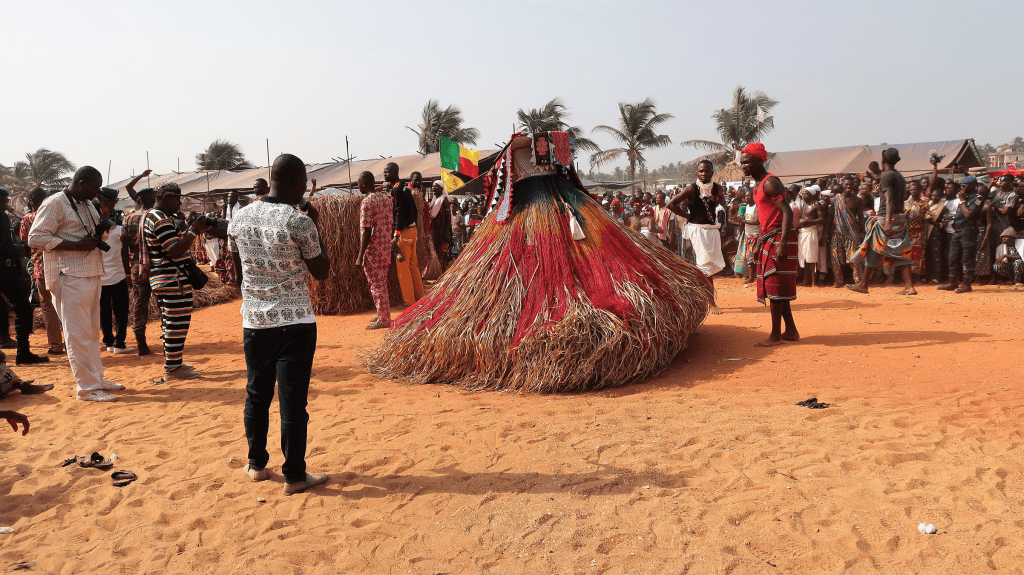
West Africa maintains one of the busiest cultural calendars on the continent starting with Vodoun Day in Benin – a national holiday recognising Vodoun as a formal religion – in January. Around the same time, northern Ghana hosts the Damba Festival to mark Islamic influence and traditional authority. Guinea Bissau’s Carnival follows in February, shaped by different ethnic legacies and local expression via masks and street performances.
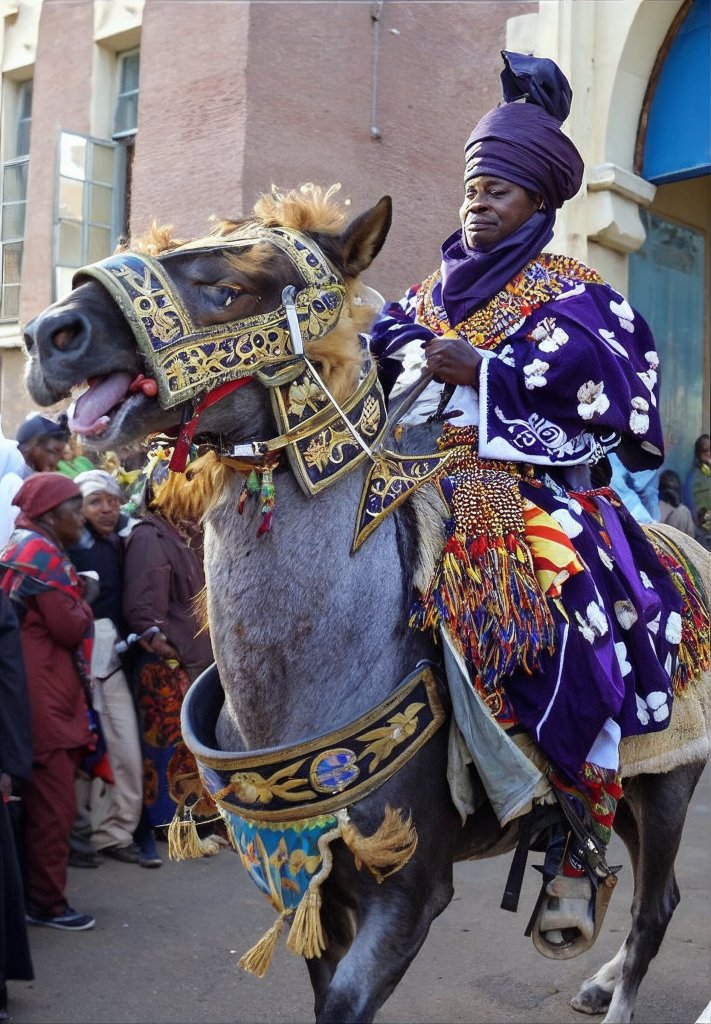
Mali’s Bogo Ja Festival takes place in March, highlighting regional identity through music and community gatherings, before Nigeria’s cultural cycle intensifies mid-year. More specifically, the Ojude Oba Festival is held in June in Ijebu Ode (bringing together age groups to pay royal homage) with the Durbar Festival following in July, particularly in the north (featuring horsemanship tied to historic emirates). The Osun Osogbo Festival occurs in August, centred on river rituals and Yoruba spirituality.
Nigeria then goes on to host the Ofala Festival in October, reaffirming kingship among the Igbo, with the Aké Arts and Book Festival taking place in November to position Lagos as a literary and intellectual hub. Ghana’s Akwasidae Festival is observed multiple times throughout the year and linked to the Ashanti calendar, while the Ankos Masquerade Festival is expected around September. Niger’s Bianou Festival closes out the year in December, marking the agricultural cycle among the Hausa.
via google
Via wikipedia
East Africa
East Africa’s events reflect strong ties to faith, environment, and community. Ethiopia kicks things off with Timkat in January, commemorating Epiphany through public baptism rituals. Meskel, which follows later in the year in September, marks the finding of the True Cross with large communal bonfires.
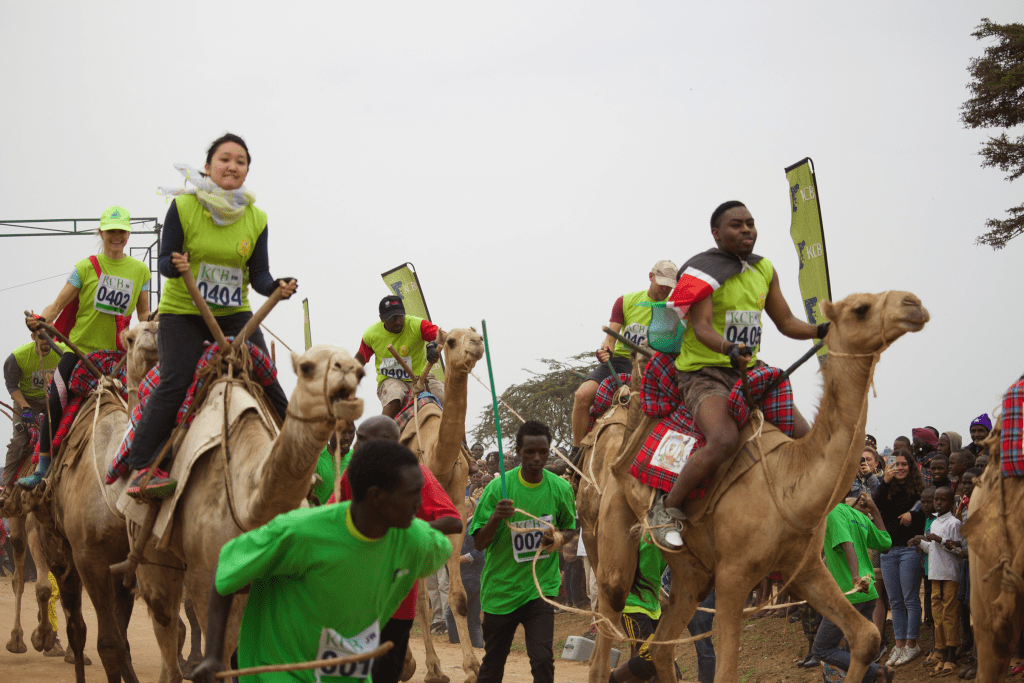
Kenya remains a focal point for cultural diversity. The Marsabit Lake Turkana Festival that takes place in August, for example, brings together multiple ethnic groups to promote unity via music, dance, and dialogue. Cultural gatherings around Lake Turkana also occur in the same month – highlighting pastoral life – as does the Maralal International Camel Derby, blending sport with local tradition. In September, the Maasai Olympics takes place across Kenya and Tanzania, replacing lion hunting with athletic competition and conservation awareness.
Kenya’s Lamu Cultural Festival happens in November, with poetry, crafts, and dhow racing reflecting Swahili heritage. Zanzibar, meanwhile, celebrates Mwaka Kogwa in July: a Shirazi new year festival featuring ritual conflict and renewal. Finally, Rwanda hosts the Kwita Izina ceremony in September where newborn gorillas are named in a conservation-focused event tied to national identity.
via google
Via wikipedia
Central Africa
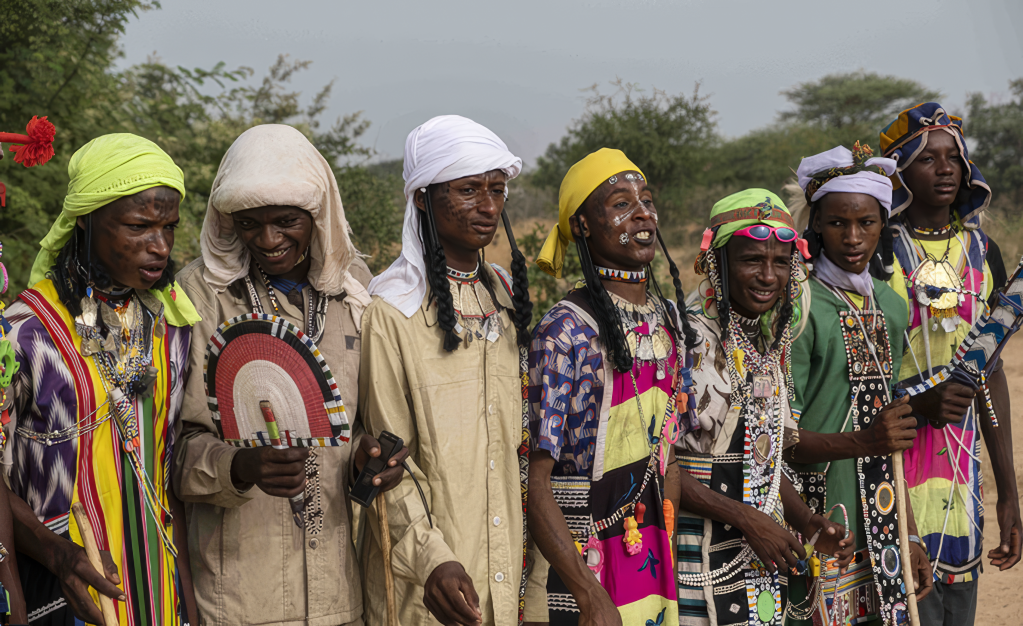
Central Africa’s cultural events are often less publicised but deeply rooted nonetheless. The Kaga Bandoro Festival in the Central African Republic, for example, takes place in April with a focus on local music, dance, and craftsmanship. Cameroon’s Ngondo Festival is held in November, led by the Sawa people and centred on river rituals and ancestral communication. In Gabon, Bwiti ceremonies occur throughout the year (rather than on fixed dates) and are tied to initiation and spiritual practice. Chad’s Gerewol Festival usually takes place in September, inviting the Wodaabe community to gather for courtship rituals judged by women.
Via wikipedia
via google
Southern Africa
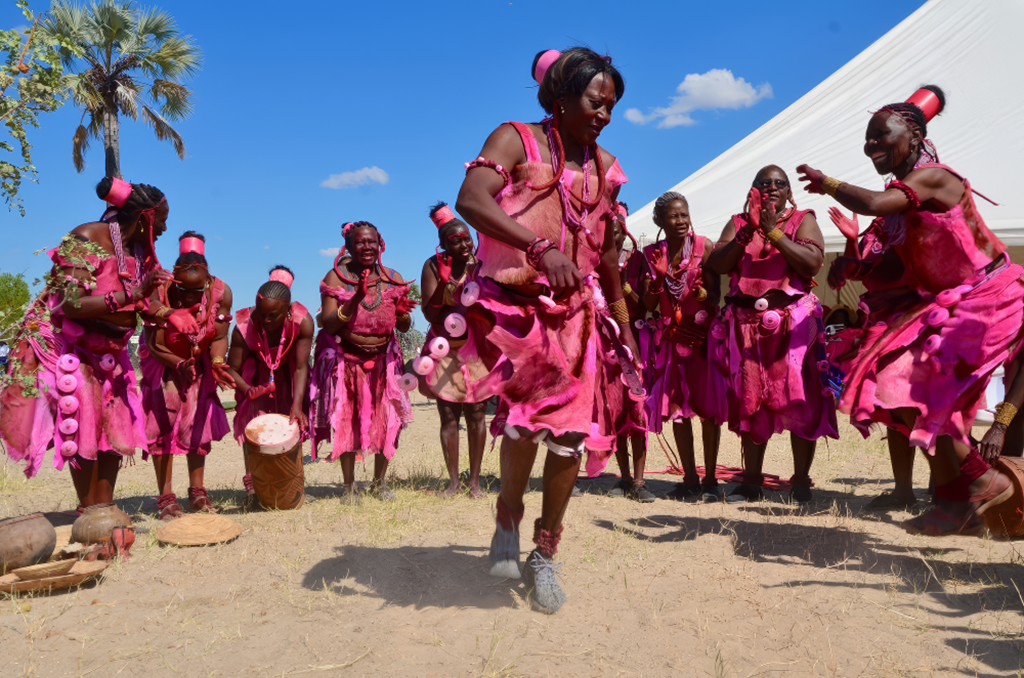
Southern Africa’s cultural calendar is closely linked to seasons and leadership, with Eswatini hosting the Umhlanga Reed Dance in late August or early September with a ceremony reinforcing values around community, youth, and the monarchy. Namibia’s Omagongo Cultural Festival takes place in March, celebrating the marula harvest via shared meals, music, and storytelling among the Ovambo people.
African cultural events will continue to function as living systems rather than preserved relics in 2026 as they always do, marking time, reinforcing authority, honouring ancestors, and reflecting changing realities. While visitors may of course attend, such moments are primarily designed for the communities sustaining them: understanding Africa’s calendar recognising its culture isn’t scheduled for display but happens simply because it always has.