Trade has always been the lifeblood of West Africa. Long before the arrival of colonial powers or the introduction of modern currency, the region had thriving trade systems built on creativity, trust, and cultural exchange.
Jamila Pereira
Cowries, Gold, and Beyond: The Evolution of Trade in West Africa
Brooklyn Museum
Trade has always been the lifeblood of West Africa. Long before the arrival of colonial powers or the introduction of modern currency, the region had thriving trade systems built on creativity, trust, and cultural exchange. From cowries – small, glossy shells from the Indian Ocean – and salt to gold and textiles, each form of trade told a story of how communities valued both goods and relationships.
Brooklyn Museum
Brooklyn Museum
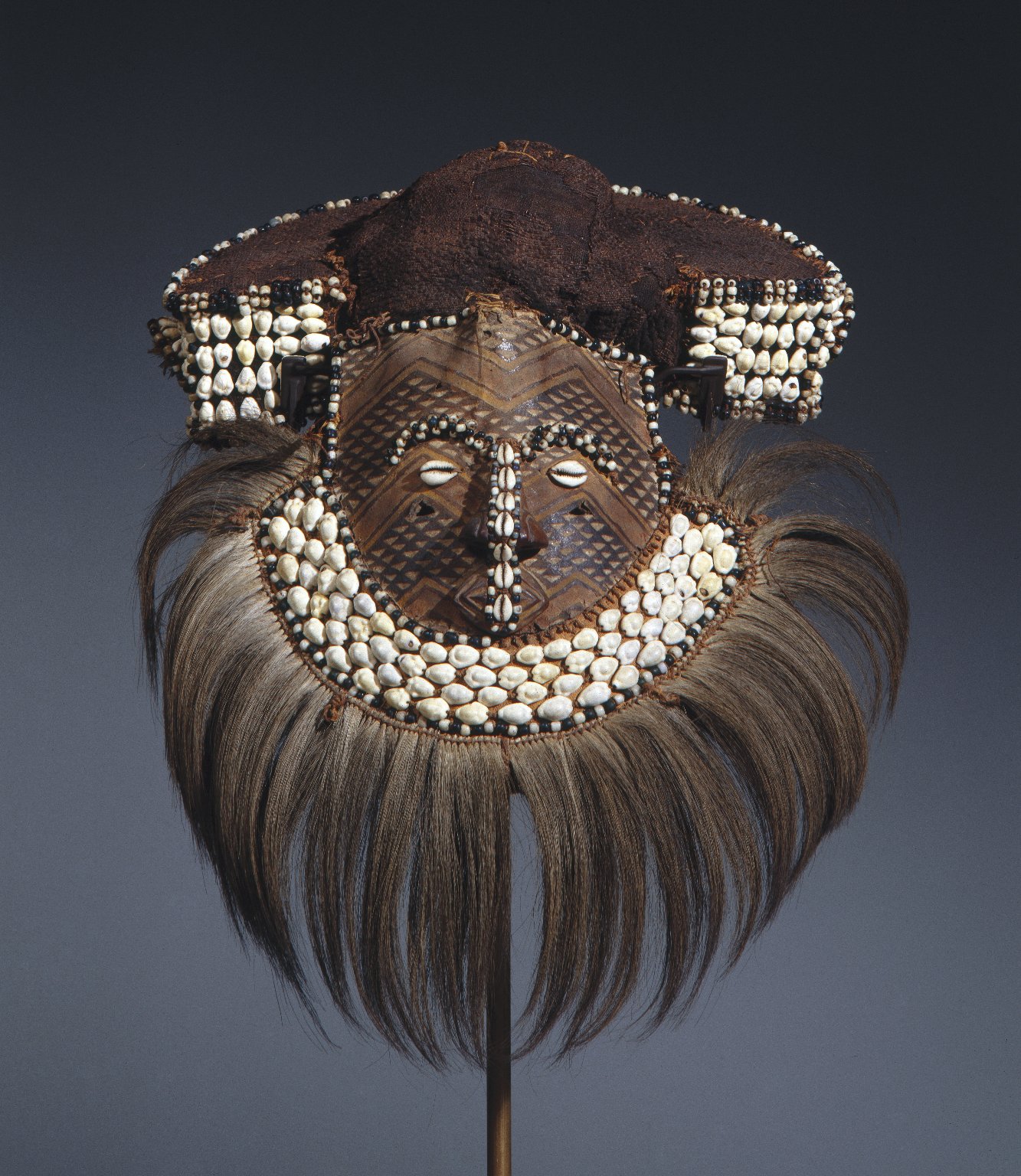
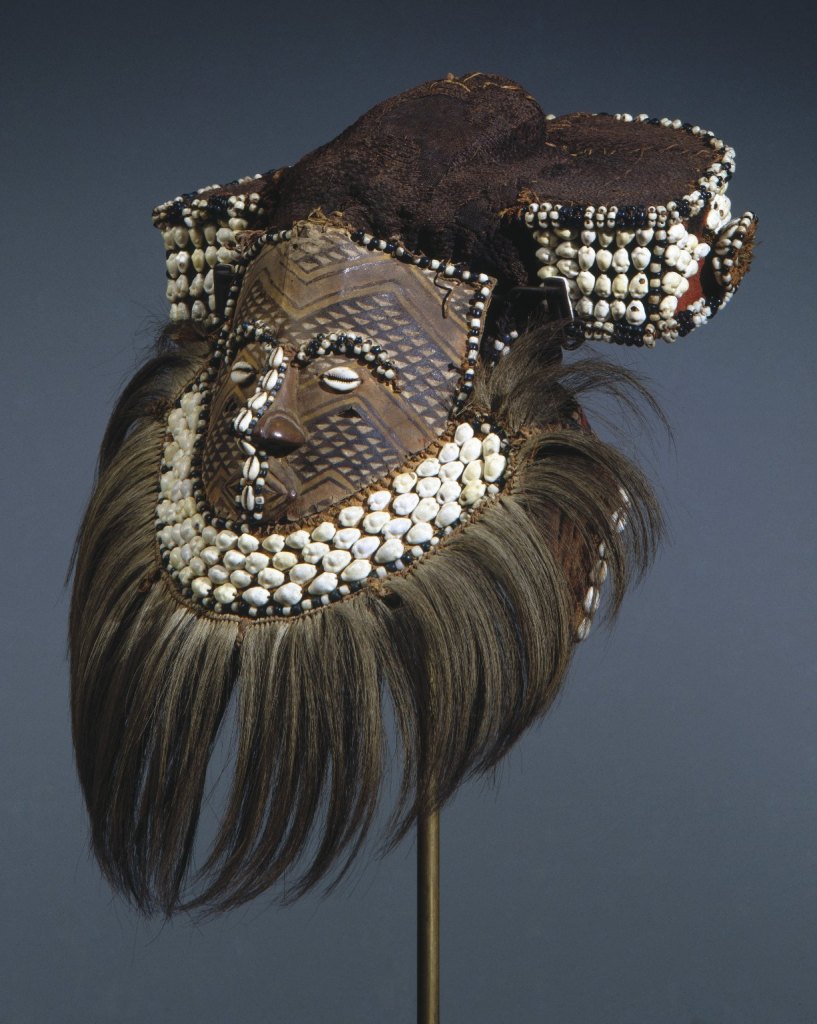
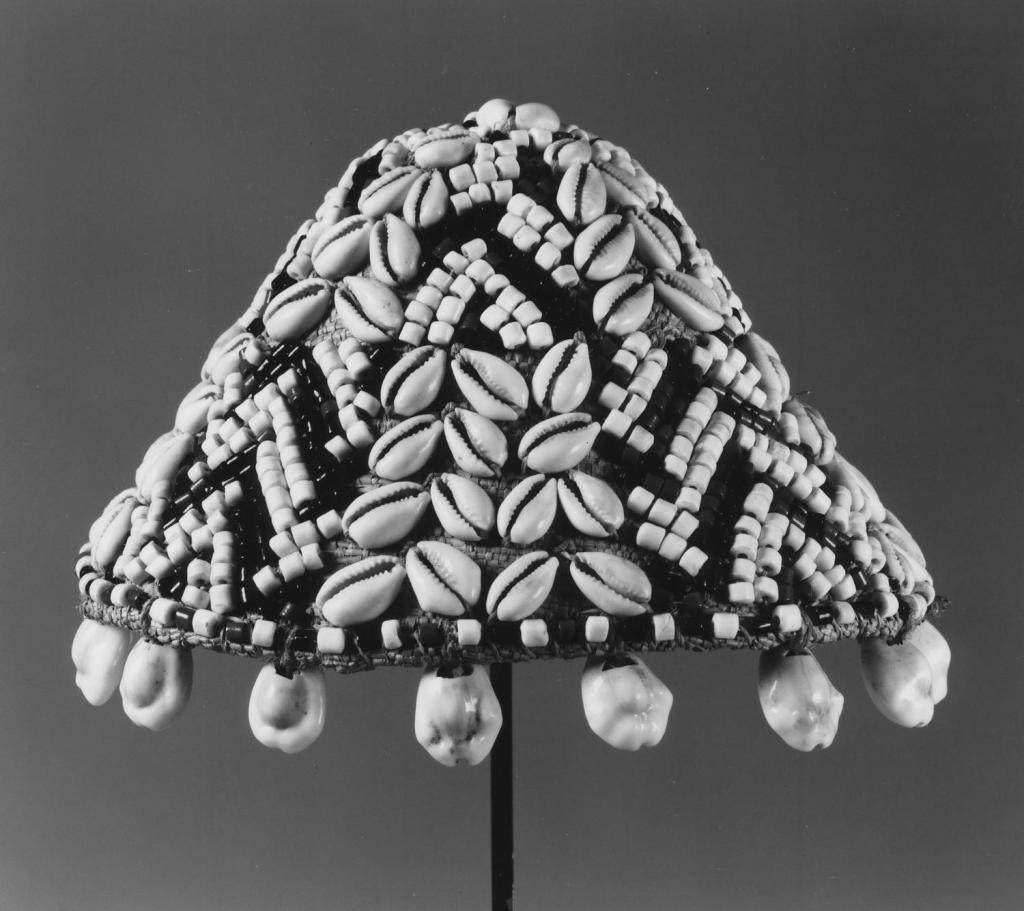
Cowries in particular once held immense value across West Africa, used as currency, jewellery, and spiritual symbols. Their portability and rarity made them ideal for transactions, their aesthetic appeal making them symbols of wealth and fertility. Markets in cities like Timbuktu and Kano once buzzed with the clinking sound of cowries changing hands.
It was gold, however, that became the true foundation of West African commerce. Empires such as Ghana, Mali, and Songhai built their wealth on its trade, drawing merchants from North Africa and beyond. The legendary city of Timbuktu, specifically, wasn’t just a centre of trade but a hub of knowledge and diplomacy. Caravans crossed the Sahara carrying salt, textiles, and spices before returning with gold and other prized goods: these trade routes moving not only commodities but also ideas, religions, and innovations.
Over time and as external powers entered the picture, regional trade systems transformed. European merchants introduced coins and new forms of currency – often reshaping economic hierarchies – with colonial economies prioritising exports like cocoa, palm oil, and groundnuts later on, tying local markets to global demand.
Brooklyn Museum
Brooklyn Museum
Trade in West Africa looks entirely different today, replete with digital platforms, cross-border trucking, and regional trade agreements. Yet, the essence of commerce remains unchanged: still about exchange, community, and adaptability. From informal market traders to pan-African fintech entrepreneurs, West Africans continue to reinvent how these activities connect people and resources.
The evolution of trade in the region speaks to more than economic growth by telling a story of resilience and innovation. Whether through shells, gold, or mobile money, West Africans have always found ways to create value, build connections, and define wealth on their own terms.